Page SEO Summary: This comprehensive guide helps commercial buyers find and evaluate industrial pellet mill manufacturers—covering industrial-grade features, assessment criteria, and project considerations.
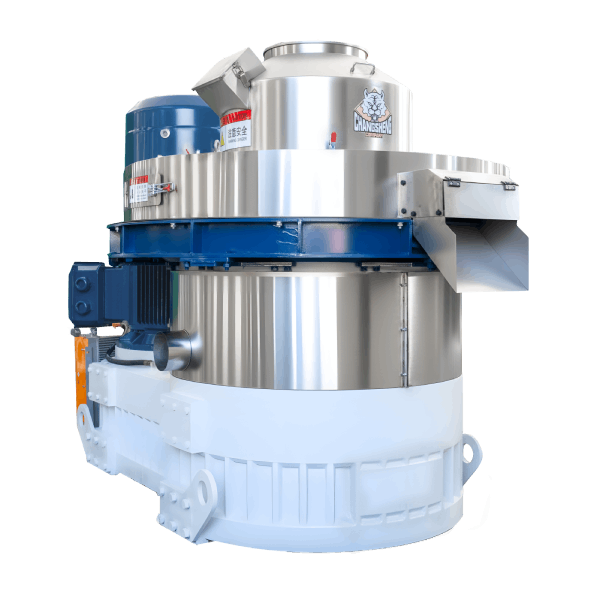
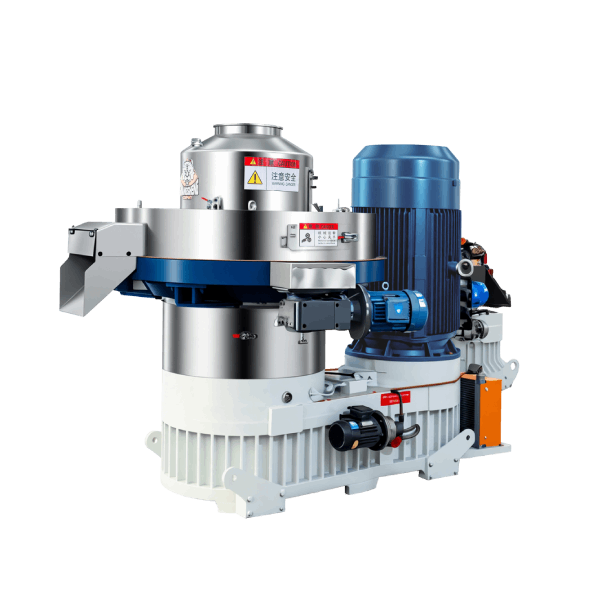
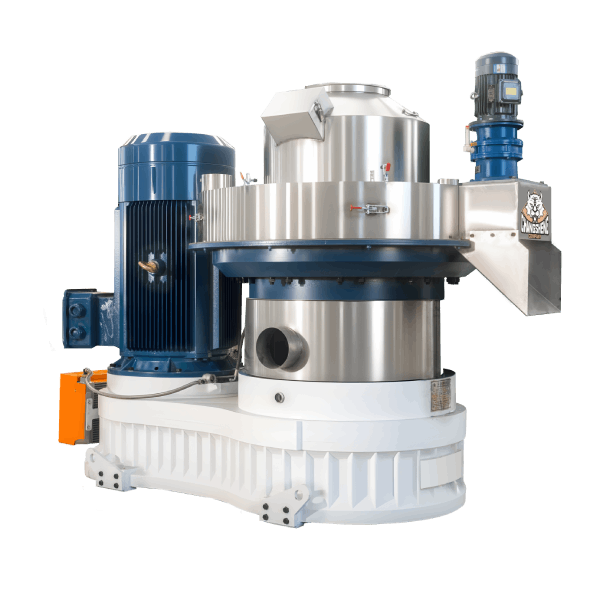
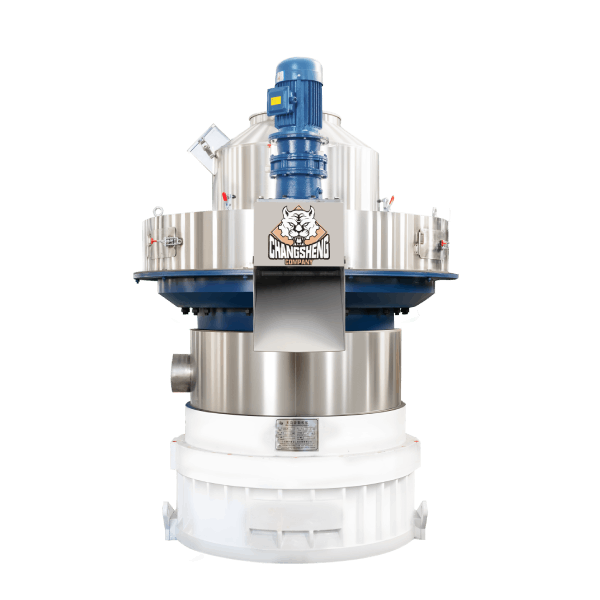
Industrial pellet mills are the backbone of commercial pellet production—whether for animal feed, biomass fuel, or industrial applications. Choosing the right industrial pellet mill manufacturer is critical for production efficiency, reliability, and long-term profitability.
This guide provides a comprehensive framework for finding, evaluating, and selecting industrial pellet mill manufacturers.
What Makes a Pellet Mill “Industrial”?
Industrial-Grade Characteristics
Characteristic
Description
Why It Matters
Continuous operation
Designed for 24/7/365 operation
Production reliability
Heavy-duty construction
Robust materials; larger components
Durability; longevity
High capacity
Typically 1-20+ t/h
Commercial-scale production
Premium components
Top-tier motors, bearings, gearboxes
Reliability; lower maintenance
Advanced automation
PLC control; remote monitoring
Efficiency; reduced labor
Comprehensive support
Installation; training; service
Project success
Industrial vs Small-Scale
Aspect
Industrial
Small-Scale
Capacity
1-20+ t/h
0.03-1 t/h
Operation
24/7 continuous
Intermittent
Construction
Heavy-duty
Standard
Component brands
Premium
Standard
Automation
Advanced PLC
Basic control
Price
$50,000-500,000+
$500-20,000
Support
Full service
Limited
Life expectancy
15-20+ years
5-10 years
Types of Industrial Pellet Mill Manufacturers
By Scale
Type
Description
Headcount
Typical Products
Large integrated
Full production capability; own foundry, machining, assembly
1. What is an industrial pellet mill manufacturer?
An industrial pellet mill manufacturer produces heavy-duty equipment for commercial-scale production. These manufacturers serve feed mills, biomass plants, and large commercial operations.
2. What makes a pellet mill “industrial”?
Industrial pellet mills are designed for continuous operation, have heavy-duty construction, use premium components, feature advanced automation, and are built for 1-20+ t/h capacity.
3. How do I evaluate an industrial manufacturer?
Check: manufacturing capability, engineering expertise, component quality, project references, and after-sales support. Factory visits and reference calls are recommended.
4. What are the major manufacturing regions?
China (cost-effective, improving quality), Europe (premium), North America (quality), and Turkey (value). Each region has different strengths.
5. How much does an industrial pellet mill cost?
Industrial pellet mills range from $50,000 for smaller units to $500,000+ for large-capacity systems. Complete lines cost $500,000-$5,000,000+.
6. What is the typical delivery time?
Industrial equipment typically takes 3-6 months for manufacturing, plus 2-6 weeks for shipping. Larger systems take longer.
7. What warranties are typical?
Industrial equipment typically has 12-24 months warranty. Extended warranties may be available.
8. Is a performance guarantee important?
Yes. For industrial equipment, a performance guarantee (capacity, quality, consumption) is essential to protect your investment.
Zhang Wei has over 12 years of experience in the biomass and feed pellet mill industry, with a background in mechanical engineering and international project execution. He has managed industrial pellet mill projects for clients across Southeast Asia, the Middle East, Africa, Europe, and Latin America.
With hands-on experience in both the manufacturing workshop and client-side operations, Zhang brings practical insights into successful equipment procurement—from the factory floor to the customer’s production site.