Page SEO Summary: This comprehensive comparison guide helps you understand the differences between pellet mills and hammer mills—covering functions, working principles, cost, and selection criteria.
For anyone entering the pellet production industry, understanding the difference between a pellet mill and a hammer mill is essential. These are two completely different machines with different functions, and they often work together in a production line.
This guide provides a clear comparison of pellet mills and hammer mills, helping you understand what each does and whether you need one or both.
Basic Definitions
What Is a Hammer Mill?
Aspect
Detail
Function
Grinds raw materials into fine powder
Purpose
Size reduction of biomass or feed ingredients
Output
Ground powder (2-5 mm particle size)
Typical capacity
50-5,000+ kg/h
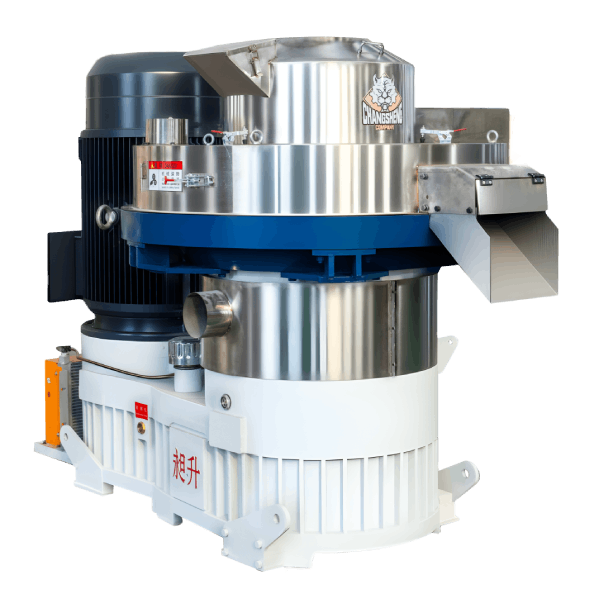
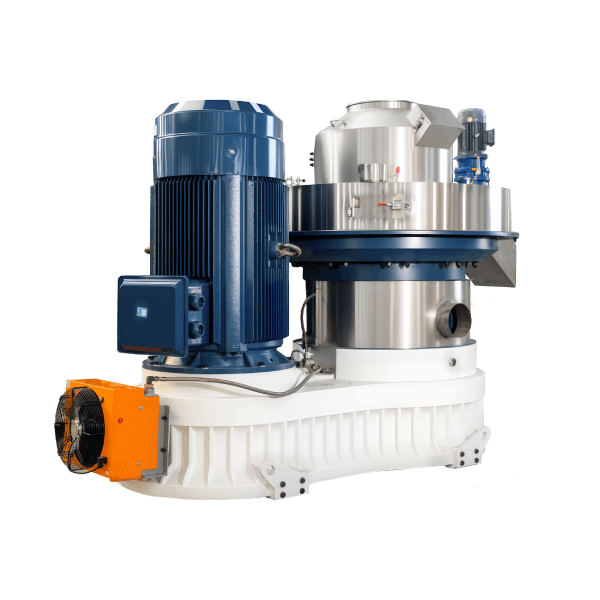
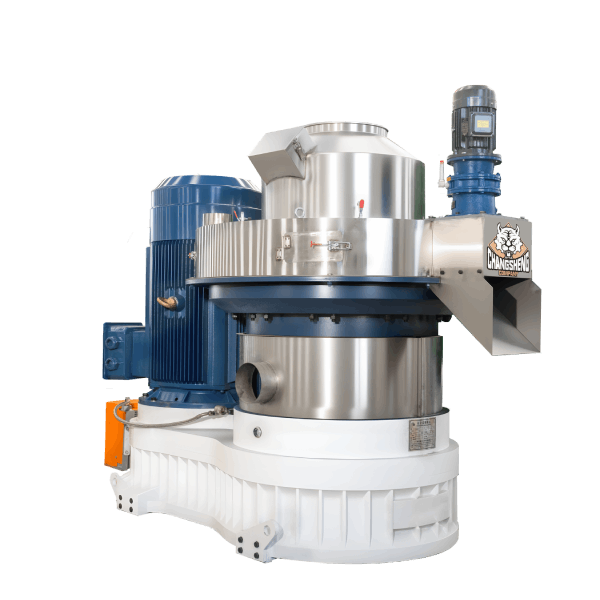
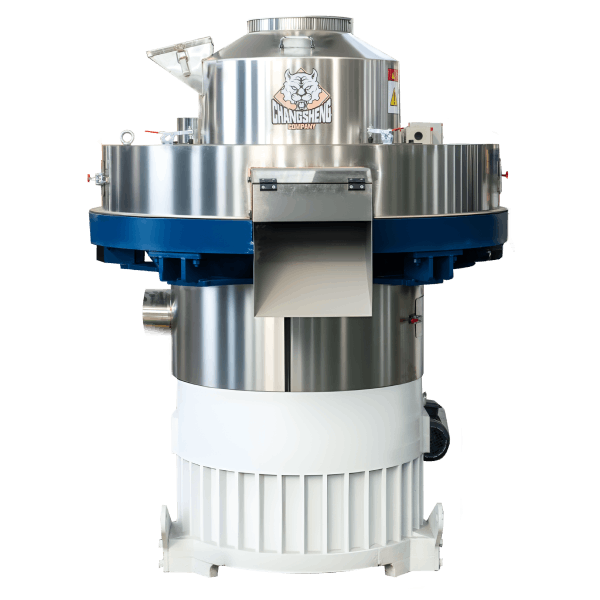
What Is a Pellet Mill?
Aspect
Detail
Function
Compresses ground material into pellets
Purpose
Forms dense, uniform pellets from powder
Output
Cylindrical pellets (6-12 mm)
Typical capacity
30-5,000+ kg/h
Key Difference
The Simple Answer
Question
Answer
What does a hammer mill do?
Grinds large pieces into fine powder
What does a pellet mill do?
Compresses powder into solid pellets
Do you need both?
Yes, for complete pellet production
One-Sentence Summary
A hammer mill makes the raw material small enough to pelletize, and a pellet mill turns that ground material into pellets.
Detailed Comparison
Function
Aspect
Hammer Mill
Pellet Mill
Primary function
Size reduction (grinding)
Compression (pelletizing)
Input material
Large pieces (chips, stalks, grains)
Ground powder
Output material
Fine powder (2-5 mm)
Pellets (6-12 mm)
Purpose
Prepare material for pelletizing
Create finished product
Working Principle
Aspect
Hammer Mill
Pellet Mill
Operating principle
Impact grinding
Compression + extrusion
Key components
Rotating hammers, screen
Die, rollers
Energy use
Grinding energy
Compression + friction
Heat generation
Moderate
High
Application
Aspect
Hammer Mill
Pellet Mill
Used for
Grinding biomass, feed, grains
Pelletizing ground materials
Production stage
Pre-processing
Final processing
Typical users
Farms, feed mills, biomass plants
Same users
Relationship: How They Work Together
Production Line Flow
Step
Equipment
Purpose
1
Raw material (chips, stalks, grains)
Starting material
2
Hammer mill
Grind to powder (2-5 mm)
3
(Optional) Dryer
Reduce moisture
4
(Optional) Mixer
Blend ingredients
5
Pellet mill
Form pellets
6
Cooler
Cool and dry pellets
Why Both Are Needed
Reason
Explanation
Particle size
Pellet mills require 2-5 mm particle size
Uniform grinding
Consistent pellets need consistent grind
Efficiency
Fine grinding improves pellet quality
Equipment protection
Prevents damage to pellet mill
Do You Need Both?
Scenarios
Scenario
Need Hammer Mill?
Need Pellet Mill?
Raw material is already ground
No
Yes
Raw material is large pieces
Yes
Yes
You buy pre-ground material
No
Yes
You want complete production
Yes
Yes
If You Have a Pellet Mill Only
Problem
Explanation
Cannot process large material
Pellet mills cannot grind
Poor pellet quality
Inconsistent particle size
Equipment damage
Large particles damage die and rollers
If You Have a Hammer Mill Only
Problem
Explanation
No finished product
Only produces powder, not pellets
Limited applications
Powder is harder to sell
Cost Comparison
Equipment Cost
Aspect
Hammer Mill
Pellet Mill
Small scale
$500-3,000
$500-5,000
Medium scale
$3,000-15,000
$5,000-25,000
Large scale
$15,000-50,000+
$25,000-200,000+
Operating Cost
Aspect
Hammer Mill
Pellet Mill
Energy consumption
15-45 kWh/ton
30-60 kWh/ton
Maintenance
Moderate
Higher
Wear parts
Hammers, screens
Die, rollers
Operating cost per ton
Lower
Higher
Complete Production Line Cost
Scale
Hammer Mill + Pellet Mill
Typical Use
Small
$2,000-10,000
Farm; small commercial
Medium
$10,000-40,000
Commercial feed; biomass
Large
$40,000-200,000+
Industrial production
Selection Considerations
When to Buy a Hammer Mill
Factor
Consideration
Raw material form
Large pieces, bales, or chunky material
Required particle size
Need fine grinding for pellets
Production capacity
Match to pellet mill capacity
Budget
Essential investment for pellet production
When to Buy a Pellet Mill
Factor
Consideration
Desired product
Pellets are your final product
Market need
Demand for pellets
Raw material prepared
Material is already ground
Business goal
Sell pellets, not powder
When to Buy Both
Factor
Consideration
Complete production
Full pellet production line
Raw material control
Use your own raw materials
Cost efficiency
Cheaper to process raw materials
Independence
Control over entire process
Common Misconceptions
Misconception 1: “A pellet mill can also grind material”
Truth
Explanation
False
Pellet mills cannot grind; they only compress
Result
Trying to grind in a pellet mill causes damage
Misconception 2: “A hammer mill can make pellets”
Truth
Explanation
False
Hammer mills only produce powder
Result
No pellets produced
Misconception 3: “You only need a pellet mill”
Truth
Explanation
False for most cases
Unless you buy pre-ground material
Result
Cannot process raw materials
Procurement Checklist
Requirements Assessment
□ Raw material form identified (chunks or powder?)
□ Target product defined (pellets or powder?)
□ Production capacity confirmed
□ Budget established
Equipment Assessment
□ Hammer mill needed? (raw material grinding)
□ Pellet mill needed? (pellet production)
□ Both needed? (complete production)
Space Assessment
□ Space for hammer mill confirmed
□ Space for pellet mill confirmed
□ Space for material handling confirmed
Final Decision
□ Equipment selection finalized
□ Supplier selected
□ Order placed
Frequently Asked Questions
1. What is the difference between a pellet mill and a hammer mill?
A hammer mill grinds raw materials into fine powder. A pellet mill compresses that powder into pellets. They serve different functions in a production line.
2. Do I need both a hammer mill and a pellet mill?
If you are processing raw materials that are not already ground (wood chips, stalks, grains), yes, you need both. If you buy pre-ground material, you only need a pellet mill.
3. Can a pellet mill grind material?
No. Pellet mills are designed for compression, not grinding. Trying to grind in a pellet mill will damage the equipment.
4. Can a hammer mill produce pellets?
No. Hammer mills only produce powder. They cannot form pellets.
5. Which is more expensive: hammer mill or pellet mill?
Pellet mills are generally more expensive, especially ring die models. However, both are significant investments.
6. Which consumes more energy?
Pellet mills typically consume more energy per ton than hammer mills. Pelletizing requires more power than grinding.
7. Do I need a hammer mill if I buy pre-ground material?
No. If you buy pre-ground material (like sawdust), you don’t need a hammer mill.
8. What is the typical order of equipment in a pellet line?
Raw material → Hammer mill → (Dryer) → (Mixer) → Pellet mill → Cooler → Packaging.
Zhang Wei has over 12 years of experience in the biomass and feed pellet mill industry, with a background in mechanical engineering and international project execution. He has helped clients across multiple industries understand equipment requirements and build complete pellet production lines.
With hands-on experience in both the manufacturing workshop and client-side operations, Zhang brings practical insights into successful equipment procurement—from the factory floor to the customer’s production site.