Agricultural Waste Pellet Machine | 2-5 t/h Technical Guide
News 2026-04-06
Agricultural Waste Pellet Machine: Engineering & Procurement Guide for B2B Buyers
Product Definition
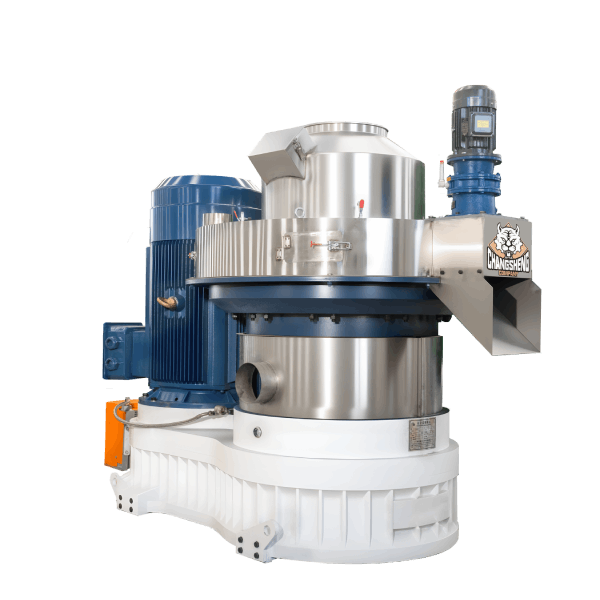
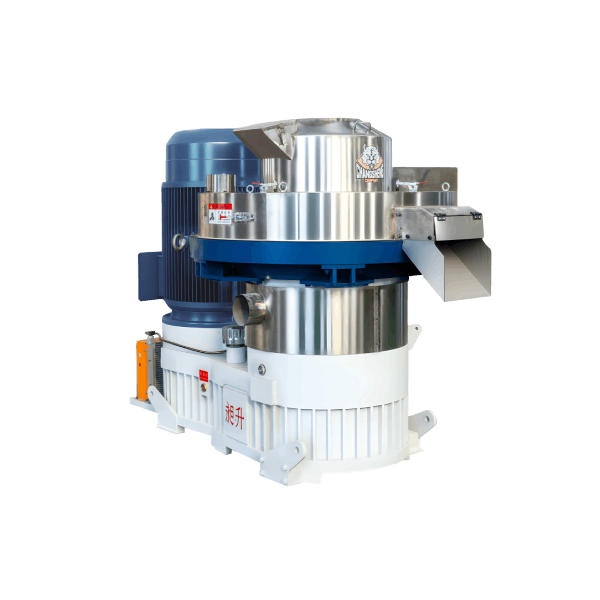
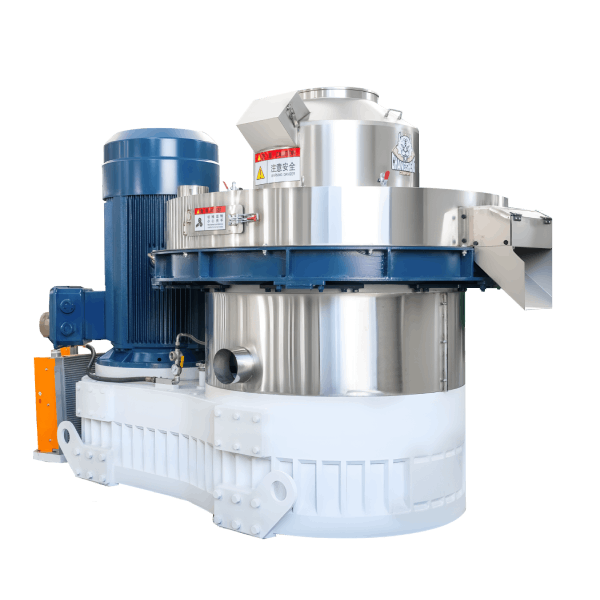
An agricultural waste pellet machine is an industrial ring-die pelletizing system that compresses crop residues (straw, rice husk, corn stalks, peanut shells) into dense biomass pellets for fuel, feed, or industrial energy applications.
Technical Parameters & Specifications
Typical specifications for a commercial-grade agricultural waste pellet machine used in biomass pellet plants.
| Parameter | Typical Range | Engineering Note |
|---|---|---|
| Pellet Diameter | 6–10 mm | 8 mm most common for industrial boilers |
| Production Capacity | 1.5–5 t/h | Depends on material density & moisture |
| Main Motor Power | 90–160 kW | 132 kW typical for 3 t/h output |
| Pellet Density | 1.1–1.3 g/cm³ | Measured after cooling |
| Raw Material Moisture | 10–15% | ±2% tolerance |
| Ring Die Diameter | 450–700 mm | Larger die = higher output |
| Compression Ratio | 1:5 – 1:8 | Straw requires 1:6–1:7 |
| Pellet Length | 10–30 mm | Adjustable via cutter |
Structure & Material Composition
The agricultural waste pellet machine is engineered for continuous high-pressure operation.
Main Structure
- Screw feeder – variable frequency control
- Conditioning chamber – moisture/temp stabilization
- Ring-die pelletizing chamber – high-pressure zone
- Pellet cutter – servo or manual adjustment
Critical Components & Materials
- Ring die – Alloy steel (20CrMnTi), carburized hardness HRC58–62
- Rollers – Forged bearing steel, replaceable shell design
- Main shaft – 42CrMo heat-treated
- Gearbox – High-torque helical gear, ≤85 dB
Support Systems
- Automatic grease lubrication (PLC-controlled intervals)
- Overload protection (current monitoring + shutdown)
- Industrial control cabinet (Siemens/Omron optional)
Manufacturing Process (Engineering Workflow)
Standard 6-step pellet production line using agricultural waste pellet machine as core unit.
| Step | Process | Equipment | Key Parameter |
|---|---|---|---|
| 1 | Size reduction | Hammer mill | 3–5 mm particle size |
| 2 | Drying | Rotary dryer | 10–15% moisture |
| 3 | Feeding | Screw feeder | Uniform flow |
| 4 | Pelletizing | Pellet machine | 80–100°C forming temp |
| 5 | Cooling | Counter-flow cooler | ≤ambient+5°C |
| 6 | Screening & packing | Vibrating screen + bagging | Dust <1% |
Process insight: Step 4 compression pressure typically 150–250 MPa. Insufficient pressure yields loose pellets.
Industry Comparison
| Equipment Type | Raw Materials | Capacity Range | Typical Buyer |
|---|---|---|---|
| Agricultural Waste Pellet Machine | Straw, husk, stalks | 1.5–5 t/h | Biomass fuel plants, EPCs |
| Wood Pellet Machine | Sawdust, wood chips | 2–10 t/h | Industrial energy |
| Feed Pellet Machine | Grain, soybean meal | 0.5–3 t/h | Animal feed mills |
| Flat Die Pellet Machine | Mixed biomass | 0.1–0.8 t/h | Small farms, retail |
For fibrous agricultural residues, the ring-die agricultural waste pellet machine offers the best stability and die life.
Application Scenarios (Target Buyers)
| Buyer Type | Typical Need |
|---|---|
| Biomass fuel producers | Commercial pellet production for heating/power |
| EPC contractors | Turnkey pellet plant integration |
| Agricultural cooperatives | Crop residue monetization |
| Energy project developers | Feedstock-to-fuel conversion for industrial boilers |
Core Industry Pain Points & Solutions
| Pain Point | Engineering Solution |
|---|---|
| High fiber content causes pellet cracks | Increase compression ratio to 1:7, add 2–3% lignin or vegetable oil |
| Moisture fluctuation (8–20%) | Install online moisture sensor + automatic dryer feedback control |
| Ring die wear every 600 hours | Specify carburized alloy die with chrome plating; stock spare dies |
| High energy consumption (>50 kWh/t) | Use VFD on feeder + motor; optimize roller gap to 0.2–0.5 mm |
Risk Warnings & Avoidance
| Risk | Consequence | Avoidance |
|---|---|---|
| Over-moisture (>15%) | Pellet expansion, mold growth in storage | Install dryer, test hourly |
| Oversized particles (>8 mm) | Die hole blockage, motor overload | Install magnetic separator + screen |
| Insufficient preheating | Low density, high fines | Run 10–15 min with warm material |
| Poor cooling | Pellet deformation, bag sweating | Ensure cooler retention ≥15 min |
Preventive maintenance every 200 operating hours extends die life by 30–40%.
Procurement & Selection Guide (6 Steps)
Step 1 – Define raw material type
Straw? Husk? Stalk? Each requires different compression ratio.
→ Test sample at supplier lab before purchase.
Step 2 – Calculate required capacity
Formula: Capacity (t/h) = Annual tonnage ÷ (hours per shift × shifts per day × days per year)
Add 20% buffer for material variability.
Step 3 – Specify pellet size & density
6 mm for residential pellets | 8–10 mm for industrial boilers.
Step 4 – Evaluate die material & compression ratio
Ask: Carburized alloy steel? HRC ≥58? Compression ratio recommendation in writing.
Step 5 – Review automation level
Basic: manual start/stop | Advanced: PLC + remote monitoring + auto lubrication.
Step 6 – Confirm after-sales support
Spare parts availability (local warehouse?), technical response time, warranty terms.
Engineering Case Example
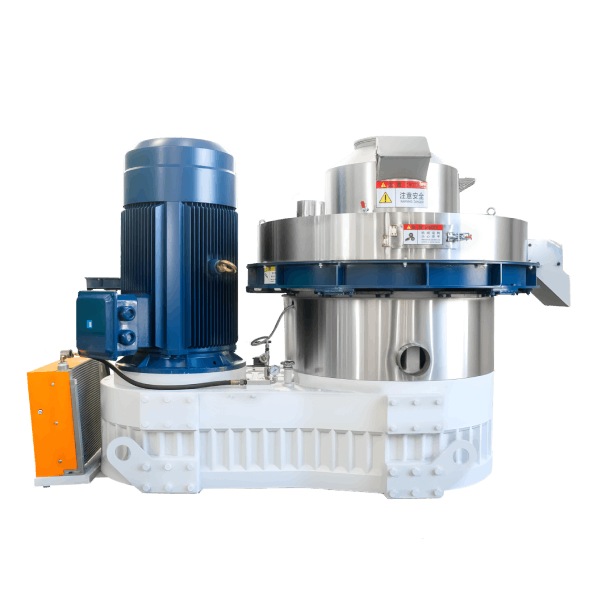
Project: 3 t/h rice husk & corn stalk pellet plant
Location: Central Vietnam
Equipment: Shandong Changsheng 132 kW agricultural waste pellet machine with rotary dryer and counter-flow cooler
Feedstock mix: 70% rice husk + 30% corn stalk (10–12% moisture, 4 mm particle size)
Operating results (30-day average):
- Stable output: 3.1 t/h
- Pellet density: 1.21 g/cm³
- Pellet durability index (PDI): 97.5%
- Moisture after cooling: 9–10%
- Calorific value: 4,180 kcal/kg
Client feedback: “Downtime <2% during first 1,000 operating hours. Spare die arrived within 7 days.”
FAQ
1. What materials can an agricultural waste pellet machine process?
Straw, rice husk, corn stalks, peanut shells, sunflower husks, coffee husks, and similar cellulosic residues.
2. What is the ideal moisture range?
10–15%. Below 8% causes die wear; above 18% causes pellet cracks.
3. How to choose compression ratio?
1:5 for wood | 1:6 for straw | 1:7 for rice husk | 1:8 for high-fiber materials.
4. What is typical ring die life?
800–1,200 hours, depending on material abrasiveness and maintenance.
5. Can I mix different agricultural residues?
Yes, but keep particle size and moisture consistent. Pre-mix in a ribbon blender.
6. Is drying always necessary?
No. If ambient moisture is consistently below 15% after harvesting, drying may be skipped.
7. What power is required for 2 t/h output?
Typically 90–110 kW main motor + 15–20 kW for auxiliary equipment.
8. How to reduce energy consumption?
Use VFD, maintain roller gap at 0.2–0.5 mm, and precondition material to 50–60°C.
9. What certifications should the machine have?
CE, ISO 9001, and optional ENplus for pellet quality.
10. What is the typical delivery time?
30–45 days for standard models; 60 days for custom lines.
Request Technical Documentation
For detailed engineering specifications, production line layout drawings, or a customized quotation for your agricultural waste pellet machine project, contact the technical sales team at Shandong Changsheng Machinery.
Available upon request:
- 2D/3D equipment drawings
- Factory audit report
- Sample pellet test report (with your material)
- Spare parts price list
Author & Industry Expertise (E-E-A-T)
This technical guide was prepared by the project engineering department of Shandong Changsheng Machinery, a ISO 9001:2015 certified manufacturer specializing in biomass pellet production equipment since 2008.
Team credentials:
- 12 in-house mechanical engineers (average 9 years biomass experience)
- 6 field service technicians for overseas commissioning
- Reference projects in 14 countries (Southeast Asia, Eastern Europe, Africa)
All technical parameters and case data are derived from actual project records. For verification, procurement teams may request factory audits or remote video inspections.