Shrimp Feed Pellet Mill Micro Pellets: Complete Technical Guide
News 2026-07-31
Page SEO Summary: This technical guide helps shrimp farmers and feed producers evaluate shrimp feed pellet mills for micro pellets—covering production technology, equipment requirements, capacity selection, and investment considerations.
The global shrimp farming industry continues to grow, driving increasing demand for specialized shrimp feed. Unlike fish or livestock feed, shrimp feed requires micro pellets—extremely small particles (0.3-1.5mm) that are suitable for the small mouths of shrimp larvae and juveniles.
Shrimp feed micro pellet production is a specialized process that requires precise grinding, mixing, and pelletizing equipment. The pellets must be uniform, water-stable, and nutritionally balanced for optimal shrimp growth and feed conversion.
This guide provides a comprehensive technical framework for understanding, selecting, and procuring shrimp feed pellet mills for micro pellet production.
Why Micro Pellets for Shrimp?
Shrimp Feeding Behavior
| Factor | Importance |
|---|---|
| Small mouth size | Larvae and juveniles need tiny particles |
| Slow feeding | Shrimp are grazers; feed remains in water longer |
| Water stability | Pellets must hold together in water |
| Slow sinking | Shrimp feed on the bottom; slow sinking preferred |
Pellet Size by Shrimp Stage
| Shrimp Stage | Size (g) | Pellet Size (mm) | Feed Type |
|---|---|---|---|
| Larva (zoea) | <0.01 | 0.1-0.3 | Micro powder |
| Larva (mysis) | 0.01-0.05 | 0.3-0.5 | Micro pellets |
| Post-larva | 0.05-0.5 | 0.5-0.8 | Small pellets |
| Juvenile | 0.5-5 | 0.8-1.2 | Small pellets |
| Grower | 5-20 | 1.2-1.5 | Pellets |
| Adult | 20+ | 1.5-2.0 | Pellets |
Micro Pellet Production Technology
Key Production Methods
| Method | Description | Best For |
|---|---|---|
| Extrusion | Cooked and expanded pellets | Floating micro pellets |
| Cold pelletizing | Compression without heat | Sinking micro pellets |
| Crumble | Grinding larger pellets | Various sizes |
| Micro extrusion | Specialized fine extrusion | Very small pellets |
Shrimp Feed Characteristics
| Characteristic | Requirement | Why |
|---|---|---|
| Water stability | >2-4 hours | Prevents nutrient leaching |
| Sinking speed | Slow | Grazing behavior |
| Uniformity | Consistent size | Equal consumption |
| Density | Moderate | Sinking but not too fast |
Equipment Requirements
Pellet Mill Specifications for Shrimp Feed
| Specification | Recommendation | Rationale |
|---|---|---|
| Pellet size | 0.3-1.5 mm | Shrimp mouth size |
| Die hole diameter | 0.5-1.5 mm | Micro pellets |
| Die compression ratio | 1:6 to 1:10 | Good water stability |
| Die material | Premium alloy | Small holes; precision |
| Motor power | Match to capacity | Production target |
| Conditioner | Recommended | Improve water stability |
Micro Pellet Production Equipment
| Equipment | Function | Special Considerations |
|---|---|---|
| Ultra-fine grinder | Fine grinding (<0.5 mm) | Critical for micro pellets |
| Mixer | Uniform blending | Precision mixing |
| Conditioner | Steam/moisture | Water stability |
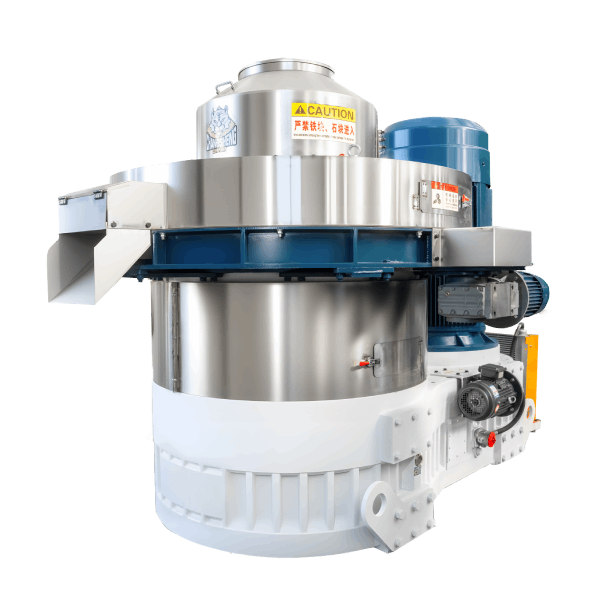
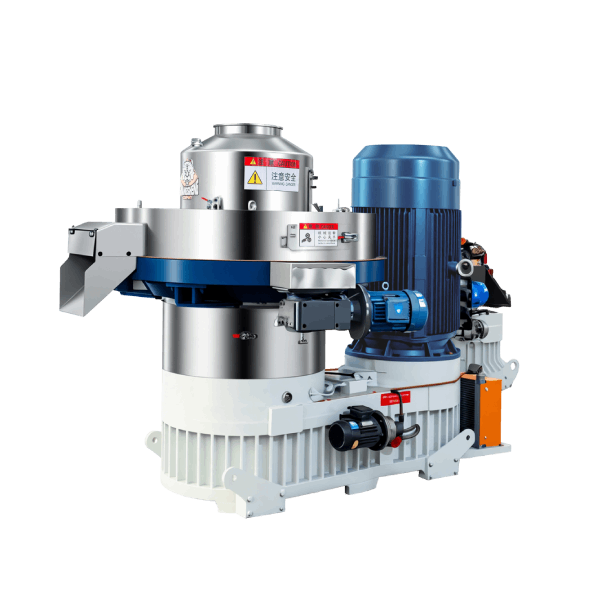
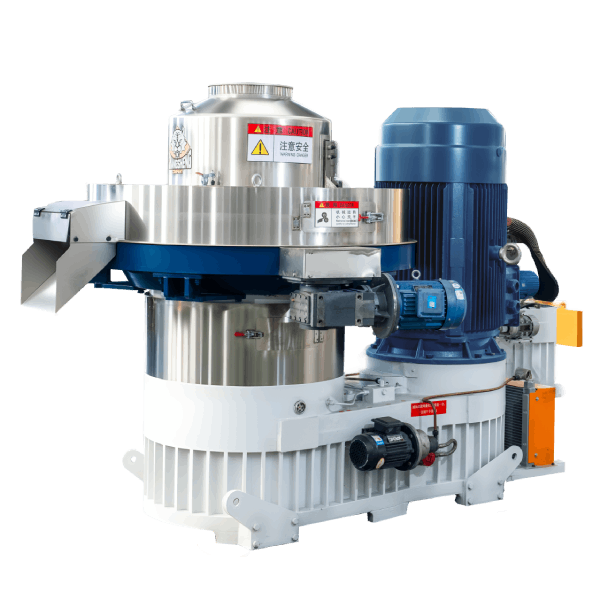
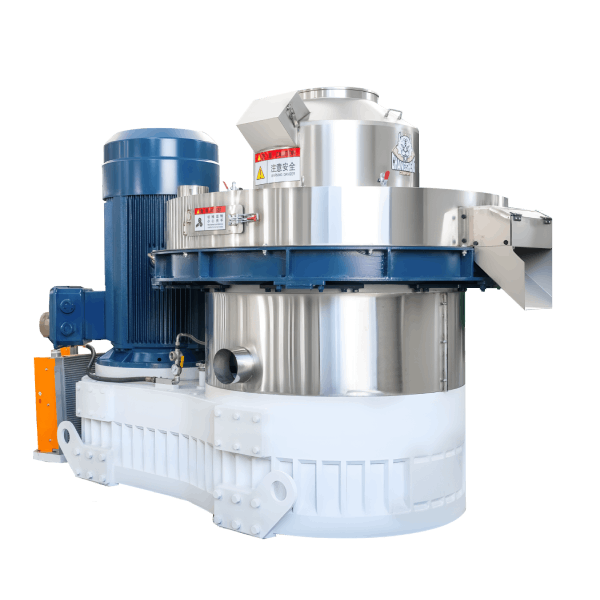
| Pellet mill | Form micro pellets | Small die holes |
| Drying system | Reduce moisture | Gentle drying |
| Cooler | Cool pellets | Prevent damage |
| Screening | Size classification | Multiple screens |
Key Process Parameters
Grinding
| Parameter | Requirement | Why |
|---|---|---|
| Particle size | <0.5 mm | Micro pellet formation |
| Equipment | Ultra-fine hammer mill | Fine grinding |
| Moisture | 10-12% | Grinding efficiency |
Mixing
| Parameter | Requirement | Why |
|---|---|---|
| Uniformity | CV <5% | Even nutrition |
| Time | 3-5 minutes | Thorough mixing |
Conditioning
| Parameter | Requirement | Why |
|---|---|---|
| Temperature | 70-85°C | Gelatinization |
| Moisture | 16-18% | Binding |
Pelletizing
| Parameter | Requirement | Why |
|---|---|---|
| Die hole | 0.5-1.5 mm | Micro size |
| L/D ratio | 1:6 to 1:10 | Water stability |
| Speed | Moderate | Pellet integrity |
Capacity Selection
Matching Capacity to Shrimp Production
| Shrimp Production (tons/year) | Feed Need (tons/year) | Recommended Capacity (kg/h) |
|---|---|---|
| 10-50 | 12-60 | 30-80 |
| 50-200 | 60-240 | 80-200 |
| 200-500 | 240-600 | 200-500 |
| 500-1,000 | 600-1,200 | 500-1,000 |
| 1,000+ | 1,200+ | 1,000+ |
Feed Conversion Ratio (FCR)
| Shrimp Type | Typical FCR |
|---|---|
| Penaeus vannamei | 1.2-1.8 |
| Penaeus monodon | 1.4-2.0 |
| Freshwater prawn | 1.5-2.0 |
Investment Analysis
Cost Estimates
| Capacity (kg/h) | Equipment Cost (USD) | Complete Line Cost (USD) |
|---|---|---|
| 30-80 | $3,000-8,000 | $15,000-35,000 |
| 80-200 | $8,000-20,000 | $35,000-70,000 |
| 200-500 | $20,000-40,000 | $70,000-150,000 |
| 500-1,000 | $40,000-80,000 | $150,000-300,000 |
| 1,000+ | $80,000-150,000 | $300,000-600,000 |
Additional Costs
| Cost Category | Estimated |
|---|---|
| Installation | 5-15% of equipment cost |
| Commissioning | $2,000-10,000 |
| Shipping | Destination-dependent |
| Ultra-fine grinder | $2,000-10,000 extra |
Quality Control
Key Quality Parameters
| Parameter | Target | Why |
|---|---|---|
| Pellet size | ±0.1 mm | Uniform feeding |
| Water stability | >2-4 hours | Prevent nutrient loss |
| Fines | <2% | Feed efficiency |
| Moisture | 8-10% | Storage stability |
| Sinking speed | Slow | Grazing behavior |
Testing Methods
| Test | Method |
|---|---|
| Water stability | Place in water; observe disintegration |
| Pellet size | Sieve analysis |
| Fines | Screening |
| Moisture | Drying method |
Procurement Checklist: Shrimp Feed Micro Pellet Mill
Production Requirements
- □ Target capacity (kg/h) confirmed
- □ Shrimp species and stage identified
- □ Pellet size requirement confirmed
- □ Water stability target defined
Equipment Specifications
- □ Pellet mill with 0.5-1.5 mm die holes
- □ Ultra-fine grinder for fine grinding
- □ Mixer for uniform blending
- □ Conditioner for water stability
- □ Drying system for moisture control
- □ Screening system for size classification
Quality Assurance
- □ Water stability testing capability
- □ Size analysis capability
- □ Moisture testing capability
Budget
- □ Equipment cost budgeted
- □ Complete line cost estimated
- □ Operating cost projected
- □ Payback period calculated
Supplier Evaluation
- □ Supplier experience with shrimp feed
- □ Micro pellet references
- □ Ultra-fine grinding expertise
- □ Spare parts availability
Frequently Asked Questions
1. What are micro pellets for shrimp feed?
Micro pellets are tiny feed particles (0.3-1.5mm) designed for shrimp larvae and juveniles. They are small enough for shrimp mouths, water-stable, and nutritionally complete.
2. Why do shrimp need micro pellets?
Shrimp larvae have very small mouths and cannot consume larger pellets. Micro pellets provide proper nutrition at each growth stage, from post-larvae to adults.
3. How small are micro pellets?
Larval feed: 0.1-0.5mm; post-larval: 0.5-0.8mm; juvenile: 0.8-1.2mm; adult: 1.2-1.5mm. Different stages require different sizes.
4. What equipment is needed for micro pellet production?
Ultra-fine grinder, mixer, conditioner, pellet mill with small die holes (0.5-1.5mm), dryer, cooler, and screening system. The grinder is particularly important for micro pellets.
5. How is micro pellet production different from regular pellet production?
Micro pellet production requires: (1) ultra-fine grinding (<0.5mm), (2) very small die holes (0.5-1.5mm), (3) precision screening for size classification, and (4) careful handling to avoid breakage.
6. What is the cost of a micro pellet production line?
A 30-80 kg/h line costs $15,000-35,000. A 200-500 kg/h line costs $70,000-150,000. A 500-1,000 kg/h line costs $150,000-300,000.
7. What is water stability and why does it matter?
Water stability is how long pellets hold together in water (target: 2-4+ hours). Shrimp feed stays in water longer than fish feed, so water stability is critical to prevent nutrient loss and water pollution.
8. Can I produce both fish and shrimp feed with the same equipment?
Yes, with different dies. Fish feed requires larger pellets (2-8mm), shrimp feed requires micro pellets (0.3-1.5mm). Change dies for different products.
About the Author
Zhang Wei – Senior International Sales Engineer, Shandong Changsheng Machinery Co., Ltd.
Zhang Wei has over 12 years of experience in the biomass and feed pellet mill industry, with a background in mechanical engineering and international project execution. He has managed feed production projects for aquaculture, including shrimp and fish feed operations across Southeast Asia, the Middle East, and Latin America.
With hands-on experience in both the manufacturing workshop and client-side operations, Zhang brings practical insights into successful equipment procurement—from the factory floor to the customer’s aquaculture feed facility.