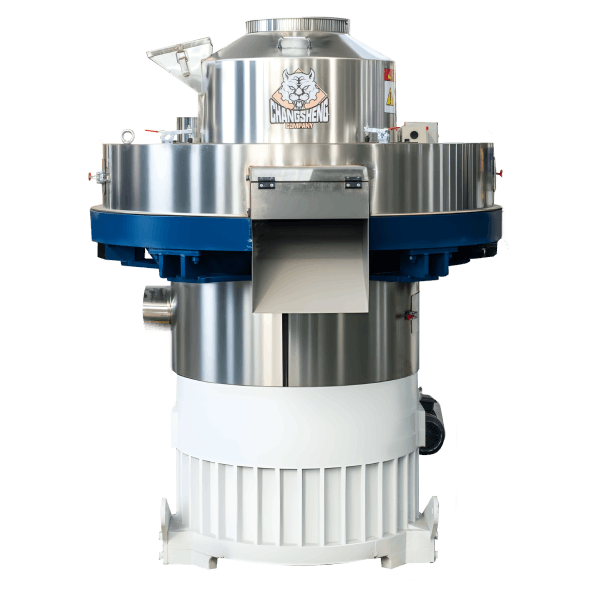
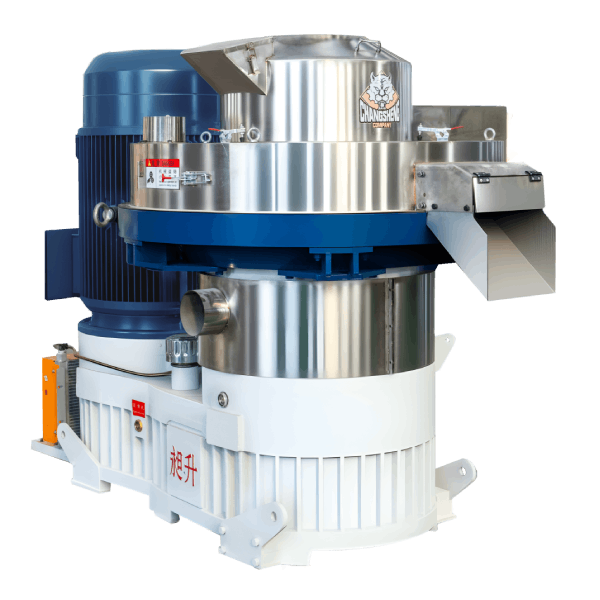
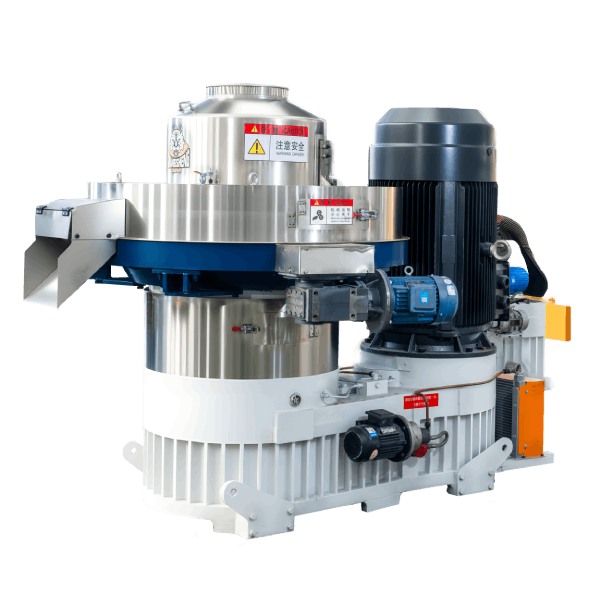
Sheep Feed Pellet Machine Mobile Type: Complete Selection Guide
News 2026-07-31
Page SEO Summary: This technical guide helps sheep farmers and mobile operation managers evaluate mobile type sheep feed pellet machines—covering equipment features, mobility benefits, capacity selection, and procurement considerations for pastoral farming.
Sheep farming is often practiced in remote or extensive grazing systems where fixed facilities are not available. In these environments, transporting feed is expensive and logistically challenging. A mobile sheep feed pellet machine offers a practical solution—producing feed on-site, wherever it is needed.
Mobile type pellet machines are designed for portability, simplicity, and reliability in challenging conditions. They can be transported by trailer, truck, or even animal-drawn cart, bringing feed production directly to the flock.
This guide provides a comprehensive technical framework for understanding, selecting, and procuring mobile type sheep feed pellet machines.
What Is a Mobile Sheep Feed Pellet Machine?
Definition
A mobile sheep feed pellet machine is a portable feed production system designed to be transported between locations. It typically includes a pellet mill, diesel engine or electric motor, and a frame with wheels for easy towing or transport.
Key Features
| Feature | Purpose |
|---|---|
| Wheeled frame | Easy transport |
| Diesel engine option | No mains power required |
| Compact design | Fits on trailer or vehicle |
| Simple operation | Minimal training needed |
| Rugged construction | Withstands harsh conditions |
| Quick setup | Ready to operate in minutes |
Typical Components
| Component | Function |
|---|---|
| Pellet mill | Forms pellets |
| Engine/motor | Power source |
| Frame/chassis | Transport base |
| Feeding mechanism | Material input |
| Cutting system | Pellet length control |
Why Mobile Type?
Advantages of Mobile Systems
| Advantage | Benefit for Sheep Farming |
|---|---|
| On-site production | Feed where needed |
| No fixed infrastructure | No building required |
| Flexibility | Move to different flocks |
| Emergency feed | Drought or shortage response |
| Shared use | Multiple farms can share |
| Reduced transport costs | No feed haulage |
Applicable Scenarios
| Scenario | Why Mobile Is Suitable |
|---|---|
| Extensive grazing | Flocks in remote areas |
| Seasonal pastures | Moving with livestock |
| Emergency feed production | During drought/hay shortage |
| Small-scale farms | Lower investment |
| Shared equipment | Cooperative models |
| Mobile feed service | Business opportunity |
Mobile vs. Fixed Pellet Mill
Comparison Table
| Aspect | Mobile Type | Fixed Type |
|---|---|---|
| Portability | Excellent | None |
| Power source | Diesel or electric | Electric only |
| Installation | None required | Building and utilities |
| Capacity | Small to medium (30-200 kg/h) | Small to large (30-2,000+ kg/h) |
| Cost | Lower | Higher |
| Durability | Rugged | Industrial |
| Automation | Manual to semi-auto | Semi to fully auto |
| Best for | Remote; mobile; small scale | Large; fixed; commercial |
Equipment Types and Specifications
Typical Mobile Units
| Type | Capacity (kg/h) | Power | Mobility | Best For |
|---|---|---|---|---|
| Small portable | 30-60 | Diesel (5-8 HP) | Human/animal tow | Small flocks |
| Medium trailer | 60-120 | Diesel (10-15 HP) | Vehicle tow | Medium flocks |
| Large truck-mounted | 120-200 | Diesel (20-30 HP) | Truck | Large operations |
Key Specifications
| Parameter | Small | Medium | Large |
|---|---|---|---|
| Capacity (kg/h) | 30-60 | 60-120 | 120-200 |
| Power | 5-8 HP diesel | 10-15 HP diesel | 20-30 HP diesel |
| Weight | 100-200 kg | 200-400 kg | 400-600 kg |
| Towing | Cart/vehicle | Vehicle | Truck |
| Pellet size | 3-6 mm | 3-8 mm | 3-8 mm |
Capacity Selection
Matching Capacity to Flock Size
| Flock Size | Daily Feed Need (kg) | Recommended Capacity (kg/h) |
|---|---|---|
| 50-100 sheep | 100-200 | 30-50 |
| 100-200 sheep | 200-400 | 50-80 |
| 200-500 sheep | 400-1,000 | 80-150 |
| 500-1,000 sheep | 1,000-2,000 | 150-200 |
Feed Consumption
| Sheep Type | Daily Feed (kg) |
|---|---|
| Maintenance | 1.5-2.0 |
| Lactating ewe | 2.5-3.5 |
| Lamb (growing) | 1.0-2.0 |
| Lamb (finishing) | 2.0-3.0 |
Pellet Specifications for Sheep
Recommended Pellet Parameters
| Parameter | Value | Why |
|---|---|---|
| Pellet diameter | 4-6 mm | Palatability |
| Pellet length | 8-15 mm | Chewing behavior |
| Durability (PDI) | >80% | Transport; handling |
| Moisture | 10-12% | Storage stability |
| Fines | <5% | Feed quality |
Sheep Feed Formulation
| Ingredient | % | Purpose |
|---|---|---|
| Hay/chaff | 30-40 | Fiber |
| Corn | 20-30 | Energy |
| Soybean meal | 10-15 | Protein |
| Wheat bran | 10-15 | Fiber |
| Molasses | 2-3 | Binder; palatability |
| Premix | 2-3 | Minerals/vitamins |
Power Source Options
Diesel vs. Electric
| Aspect | Diesel | Electric |
|---|---|---|
| Mobility | Excellent (no power cord) | Limited |
| Availability | Fuel must be available | Grid required |
| Operating cost | Higher | Lower |
| Maintenance | More (engine) | Less |
| Environment | Noise; emissions | Clean; quiet |
| Best for | Remote locations | Fixed locations |
Fuel Consumption Estimate
| Capacity | Diesel Fuel Consumption |
|---|---|
| 30-60 kg/h | 1-2 L/h |
| 60-120 kg/h | 2-3 L/h |
| 120-200 kg/h | 3-4 L/h |
Investment Analysis
Cost Estimates
| Type | Capacity | Estimated Cost (USD) |
|---|---|---|
| Small portable | 30-60 kg/h | $1,500-3,000 |
| Medium trailer | 60-120 kg/h | $3,000-6,000 |
| Large truck-mounted | 120-200 kg/h | $6,000-12,000 |
Operating Cost Estimate
| Cost Item | Annual (100 sheep) |
|---|---|
| Fuel | $200-500 |
| Maintenance | $100-300 |
| Raw materials | $2,000-5,000 |
| Labor | Variable |
Profitability Example
Operation: 100 Sheep
| Item | Amount |
|---|---|
| Annual feed need | ~10-15 tons |
| Purchased feed cost | $400/ton = $4,000-6,000 |
| On-farm production cost | $300/ton = $3,000-4,500 |
| Annual savings | $1,000-2,000 |
| Equipment investment | $2,000-4,000 |
| Payback period | 1.5-3 years |
Operation and Maintenance
Setup and Operation
| Step | Task |
|---|---|
| 1 | Position machine on level ground |
| 2 | Prepare ingredients (grind if needed) |
| 3 | Start engine/motor |
| 4 | Feed material into machine |
| 5 | Adjust pellet length |
| 6 | Collect and cool pellets |
| 7 | Bag and store |
Maintenance
| Task | Frequency |
|---|---|
| Check oil (diesel) | Daily |
| Clean die | Daily |
| Inspect belts | Weekly |
| Lubricate bearings | Weekly |
| Replace die | As needed |
Procurement Checklist: Mobile Sheep Feed Pellet Mill
Farm Assessment
- □ Flock size confirmed
- □ Feed consumption calculated
- □ Power source (diesel/electric) chosen
- □ Transport method available
Equipment Specifications
- □ Capacity matched to flock size
- □ Pellet size (4-6 mm) suitable
- □ Power source appropriate
- □ Towing/hitching compatible
Budget
- □ Equipment cost budgeted
- □ Operating cost estimated
- □ Payback period calculated
- □ Raw material cost confirmed
Supplier Evaluation
- □ Supplier experience with mobile equipment
- □ Spare parts availability
- □ Warranty and support terms
- □ Delivery and setup support
Frequently Asked Questions
1. What is a mobile sheep feed pellet machine?
A mobile sheep feed pellet machine is a portable feed production system on wheels, designed to be transported between locations. It typically includes a pellet mill powered by a diesel engine or electric motor, mounted on a towable frame.
2. Why choose mobile over fixed?
Mobile systems are ideal for remote locations, extensive grazing systems, emergency feed production, and small-scale operations. No building or fixed infrastructure is required.
3. What capacity do I need?
Use: (flock size × daily feed per sheep) ÷ (operating hours). For 100 sheep eating 2 kg/day over 8 hours, you need about 25-30 kg/h. A 30-60 kg/h machine provides capacity margin.
4. What is the cost of a mobile pellet mill?
Small portable units cost $1,500-3,000. Medium trailer units cost $3,000-6,000. Large truck-mounted units cost $6,000-12,000.
5. Can a mobile machine make pellets for other animals?
Yes. With different dies, mobile machines can produce feed for sheep, goats, cattle, poultry, and rabbits. Simply change the die to the appropriate pellet size.
6. What power source is best?
Diesel is best for remote locations without mains power. Electric is cheaper to operate where grid power is available. For a mobile unit, diesel is the most practical choice.
7. Is mobile feed production profitable?
Yes, for larger flocks or when feed transport costs are high. Savings come from lower feed costs and reduced transport. Payback is typically 1-3 years.
8. How long does a mobile pellet machine last?
With proper maintenance, a mobile pellet machine can last 5-10+ years. The diesel engine and die are the main wear components and are replaceable.
About the Author
Zhang Wei – Senior International Sales Engineer, Shandong Changsheng Machinery Co., Ltd.
Zhang Wei has over 12 years of experience in the biomass and feed pellet mill industry, with a background in mechanical engineering and international project execution. He has worked with sheep farmers and pastoral operations across multiple regions, providing practical solutions for remote and mobile feed production.
With hands-on experience in both the manufacturing workshop and client-side operations, Zhang brings practical insights into successful equipment procurement—from the factory floor to the pastoral farm.