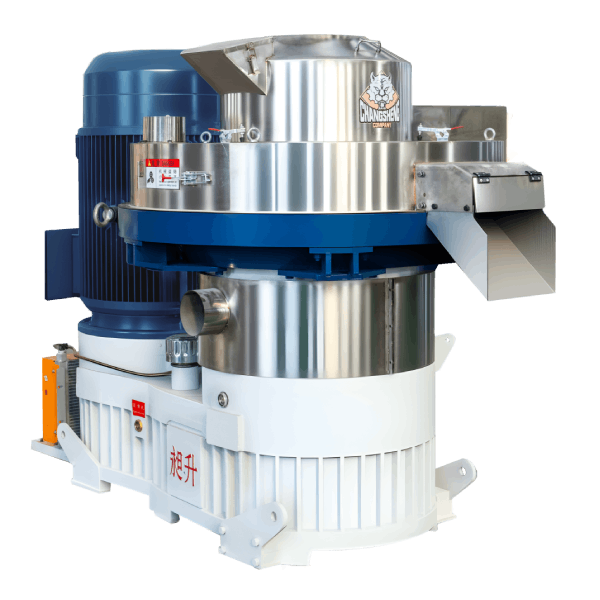
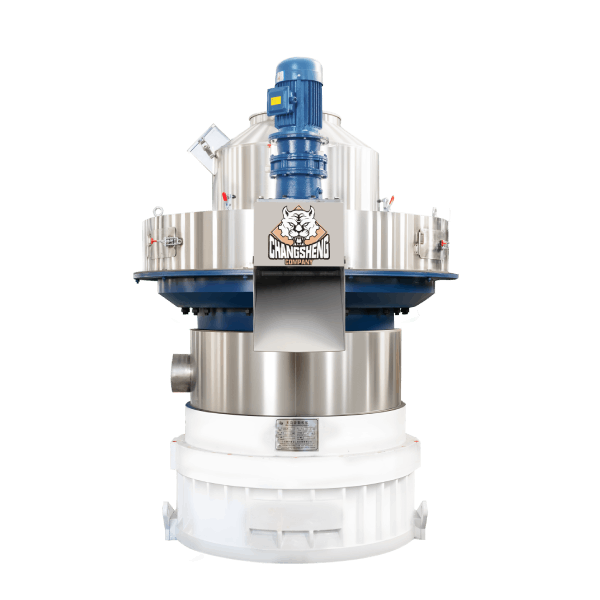
Wood Pellet Mill Tanzania: Complete Sourcing Guide
News 2026-08-29
Page SEO Summary: This guide helps Tanzanian buyers source wood pellet mills—covering local biomass resources, market opportunities, import considerations, and supplier selection.
Tanzania’s growing agricultural sector, expanding forestry industry, and increasing energy demand create significant opportunities for wood pellet production. From sawmill waste to agricultural residues, the country has abundant biomass resources waiting to be converted into valuable fuel.
This guide provides a comprehensive framework for sourcing wood pellet mills in Tanzania, understanding the local market, and navigating the procurement process.
Tanzania’s Biomass Resources
Available Feedstock
| Material | Source | Estimated Volume | Quality for Pellets |
|---|---|---|---|
| Sawdust | Sawmills | High | Excellent |
| Wood chips | Forestry | High | Good |
| Rice husk | Rice mills | Very high | Good (abrasive) |
| Coffee husks | Coffee processing | Moderate | Good |
| Maize stover | Farms | Very high | Moderate |
| Bagasse | Sugar mills | High | Good |
| Coconut waste | Coastal areas | Moderate | Good |
| Sisal waste | Sisal processing | Moderate | Good |
Resource Distribution
| Region | Primary Resources | Pellet Potential |
|---|---|---|
| Coastal (Dar es Salaam, Tanga) | Coconut, cashew, sawdust | High |
| Northern (Arusha, Kilimanjaro) | Coffee, forestry, maize | High |
| Southern (Mtwara, Lindi) | Cashew, coconut, forestry | Moderate |
| Western (Kigoma, Mbeya) | Forestry, maize, rice | Moderate |
Market Applications
Primary Applications
| Application | Description | Target Users | Growth Potential |
|---|---|---|---|
| Industrial heating | Boiler fuel | Factories, processing plants | High |
| Institutional cooking | School/ hospital fuel | Institutions | Moderate |
| Commercial heating | Hotels, lodges | Tourism sector | Growing |
| Export | Regional/ international | Exporters | High |
| Animal feed | Pelletized feed | Farms, feed producers | Growing |
| Household fuel | Cooking, heating | Urban households | Moderate |
Market Drivers
| Driver | Impact |
|---|---|
| Rising energy costs | Incentive for alternatives |
| Environmental concerns | Pressure on charcoal |
| Agricultural waste | Abundant supply |
| Forestry sector | Sawmill waste available |
| Government policies | Renewable energy support |

Sourcing Wood Pellet Mills
Supplier Options
| Option | Advantages | Considerations |
|---|---|---|
| Chinese manufacturers | Competitive pricing, wide range | Shipping time, support |
| European manufacturers | Premium quality, technology | Higher cost |
| South African suppliers | Regional proximity | Limited range |
| Indian manufacturers | Cost-effective | Shipping time |
| Local agents | Local support, stock | Higher price |
What to Look For
| Criterion | Why Important |
|---|---|
| Export experience to East Africa | Familiar with shipping, documentation |
| Component quality | Reliability in local conditions |
| Support availability | Spare parts, technical assistance |
| Voltage compatibility | Tanzania uses 230V/50Hz |
| Documentation | Import clearance support |
Import Considerations
Import Process
| Step | Activity | Timeline | Responsibility |
|---|---|---|---|
| 1 | Supplier selection | 2-4 weeks | Buyer |
| 2 | Order placement | 1 week | Buyer |
| 3 | Manufacturing | 4-12 weeks | Supplier |
| 4 | Shipping (sea freight) | 4-8 weeks | Buyer/Supplier |
| 5 | Arrival in Tanzania | — | Shipping |
| 6 | Customs clearance | 1-2 weeks | Buyer/Broker |
| 7 | Delivery to site | 1-2 weeks | Buyer |
Documentation Required
| Document | Purpose |
|---|---|
| Commercial invoice | Customs valuation |
| Packing list | Cargo details |
| Bill of lading | Transport title |
| Certificate of origin | Origin verification |
| Export declaration | Export clearance |
| Import declaration (TRA) | Import clearance |
| Insurance certificate | Cargo insurance |
Customs and Duties
| Item | Details |
|---|---|
| HS Code | 8436.10 (feed) or 8438.80 (biomass) |
| Import duty | 0-25% (depending on classification) |
| VAT | 18% |
| Other taxes | Import declaration fee |
| Clearing agent | Recommended |
Cost Analysis
Equipment Cost Estimates
| Machine Type | Capacity | FOB Price (USD) | Estimated Landed Cost (USD) |
|---|---|---|---|
| Small flat die | 30-100 kg/h | $500-2,000 | $1,000-3,500 |
| Medium flat die | 100-300 kg/h | $2,000-5,000 | $3,500-8,000 |
| Ring die (small) | 200-500 kg/h | $5,000-12,000 | $8,000-18,000 |
| Ring die (medium) | 500-1,500 kg/h | $12,000-30,000 | $18,000-45,000 |
| Complete line | 0.5-3 t/h | $50,000-150,000 | $75,000-220,000 |
Additional Costs
| Cost Component | Estimated Range | Notes |
|---|---|---|
| Sea freight | $1,500-5,000 | Container to Dar es Salaam |
| Insurance | 0.3-1.0% of value | Cargo insurance |
| Import duty | 0-25% | Depending on classification |
| VAT | 18% | Applicable on CIF + duty |
| Clearing fees | $500-1,500 | Agent fees |
| Inland transport | $500-2,000 | Port to site |
Success Factors in Tanzania
Key Considerations
| Factor | Why Important |
|---|---|
| Raw material supply | Must be consistent |
| Power availability | 3-phase power for larger machines |
| Technical skills | Operator training needed |
| Market demand | Must exist locally |
| Support access | Spare parts availability |
| Regulatory compliance | Import procedures |
Local Partnerships
| Partnership Type | Benefit |
|---|---|
| Local agent | Local support, stock |
| Import broker | Customs clearance |
| Logistics provider | Shipping, transport |
| Technical partner | Installation, maintenance |
| Financial institution | Financing options |
Procurement Checklist
Market Assessment
- □ Raw material source confirmed
- □ Target customers identified
- □ Competition assessed
- □ Regulatory requirements understood
Equipment Selection
- □ Capacity matched to demand
- □ Voltage confirmed (230V/50Hz)
- □ Import feasibility assessed
- □ Supplier export experience verified
Import Planning
- □ HS code confirmed
- □ Import duty rate confirmed
- □ Clearing agent identified
- □ Budget includes all import costs
Support Planning
- □ Spare parts strategy developed
- □ Technical support identified
- □ Installation plan developed
- □ Training plan created
Frequently Asked Questions
1. Is there demand for wood pellets in Tanzania?
Yes. Growing demand for industrial heating, institutional cooking, and alternatives to charcoal creates significant market opportunity.
2. What are the main biomass resources?
Sawdust, wood chips, rice husk, coffee husks, maize stover, bagasse, coconut waste, and sisal waste are available.
3. How do I import a wood pellet mill?
Identify supplier, arrange shipping, clear customs with TRA, and transport to site. Use a clearing agent for smooth clearance.
4. What is the import duty?
Depends on HS classification. 0-25% plus 18% VAT. Confirm with Tanzania Revenue Authority.
5. Which suppliers serve Tanzania?
Chinese suppliers are the most common, with European and South African options also available. Local agents exist for some brands.
6. What power supply is needed?
Tanzania uses 230V/50Hz. Small single-phase machines are available; larger ring die machines require 3-phase power.
7. How do I get spare parts?
Order with the main equipment, establish relationship with supplier, and consider local stock for critical parts.
8. Is wood pellet production profitable in Tanzania?
Yes, with abundant low-cost feedstock and growing demand. Success depends on consistent supply and market development.
About the Author
Zhang Wei – Senior International Sales Engineer, Shandong Changsheng Machinery Co., Ltd.
Zhang Wei has over 12 years of experience in the biomass and feed pellet mill industry, with a background in mechanical engineering and international project execution. He has helped clients across East Africa, including Tanzania, Kenya, and Uganda, source wood pellet mills and establish production facilities.
With hands-on experience in both the manufacturing workshop and client-side operations, Zhang brings practical insights into successful equipment procurement—from the factory floor to the East African customer’s site.