Pellet Machine for Chemical Plant Steam: Complete Technical Guide

News 2026-07-25

Page SEO Summary: This technical guide helps chemical plant engineers and procurement professionals evaluate pellet machines for steam production—covering fuel requirements, quality specifications, equipment selection, and economic analysis for chemical industry applications.

Chemical plants are among the most energy-intensive industrial facilities. Steam is the lifeblood of chemical processing—used for heating, distillation, reaction, drying, and countless other unit operations. The boilers that produce this steam are typically fired with natural gas, coal, or heavy fuel oil, representing a major operating cost and carbon footprint.

Wood pellets offer a renewable, cost-competitive alternative for chemical plant steam production. With consistent quality, automated handling, and a growing supply chain, pellets can be integrated into chemical plant operations with relatively modest modifications. For plants with access to biomass feedstocks, on-site pellet production adds another layer of supply security and cost control.

This guide provides chemical plant engineers, energy managers, and procurement professionals with a comprehensive framework for evaluating wood pellet production for chemical plant steam applications.


The Chemical Plant Steam Challenge

Why Chemical Plants Are Considering Pellet Fuel

FactorAdvantage
High energy demandSignificant steam requirements
Cost pressureEnergy is a major operating expense
Carbon reductionPressure to meet ESG goals
Price stabilityPellets less volatile than fossil fuels
Supply securityRenewable; domestic/regional sources
Regulatory pressureEmissions regulations tightening

Typical Chemical Plant Steam Demand

Plant TypeSteam Demand (tons/hour)Annual Fuel Equivalent (pellets)
Small specialty chemical5-20 t/h5,000-20,000 tons/year
Medium commodity chemical20-50 t/h20,000-50,000 tons/year
Large chemical complex50-100+ t/h50,000-100,000+ tons/year
Petrochemical plant100-200+ t/h100,000-200,000+ tons/year

Wood Pellets for Chemical Plant Steam

Key Advantages

AdvantageBenefit for Chemical Plant
Renewable energyReduces carbon footprint
Cost competitiveOften cheaper than oil and coal
Consistent qualityStandardized fuel; reliable combustion
Automated handlingLike gas/oil systems
Low ash contentLess boiler maintenance
Low sulfurMeets emissions requirements

Critical Considerations for Chemical Plants

ConsiderationImportanceNotes
Fuel supply reliabilityCriticalChemical plants cannot stop
Fuel quality consistencyHighAffects combustion and emissions
Storage capacityHighBuffer against supply disruptions
Ash managementModerateHandling and disposal
Boiler compatibilityHighConversion requirements
Dust explosion riskHighWood dust is combustible

Fuel Quality Specifications

Pellet Specifications for Chemical Plant Boilers

ParameterIndustrial Boiler RequirementPremium Boiler Requirement
Calorific value (MJ/kg)>16.5>17.0
Moisture content (%)<10<8
Ash content (%)<1.5<1.0
Durability (PDI)>95%>97%
Bulk density (kg/m³)>600>650
Particle size (mm)6-86-8
Sulfur content (%)<0.05<0.03

Why Quality Matters for Chemical Plants

Quality IssueConsequence
High moistureReduced efficiency; combustion issues
High ashIncreased boiler maintenance; slagging
Low durabilityDust; handling problems
Inconsistent sizeFeed system issues
ContaminantsBoiler damage; emissions

Pellet Production System Selection

Scale Considerations

Steam DemandAnnual Pellet RequirementProduction Capacity
5-20 t/h5,000-20,000 tons/year0.6-2.5 t/h
20-50 t/h20,000-50,000 tons/year2.5-6.3 t/h
50-100 t/h50,000-100,000 tons/year6.3-12.5 t/h

Production Configuration

ConfigurationDescriptionBest For
On-site productionPlant adjacent to chemical plantSingle large plant
Regional productionOff-site; dedicated supplyMultiple plants
External supplyPurchased pelletsAny; no production investment

Key Equipment Components

ComponentFunctionImportance
Drying systemReduce moistureCritical
Grinding/Hammer millSize reductionCritical
Pellet millForm pelletsCritical
Cooling systemCool and dry pelletsEssential
ScreeningRemove finesImportant
Storage/HoppersBuffer and storeEssential
Dust collectionEnvironmental controlRequired
Explosion protectionSafetyRequired

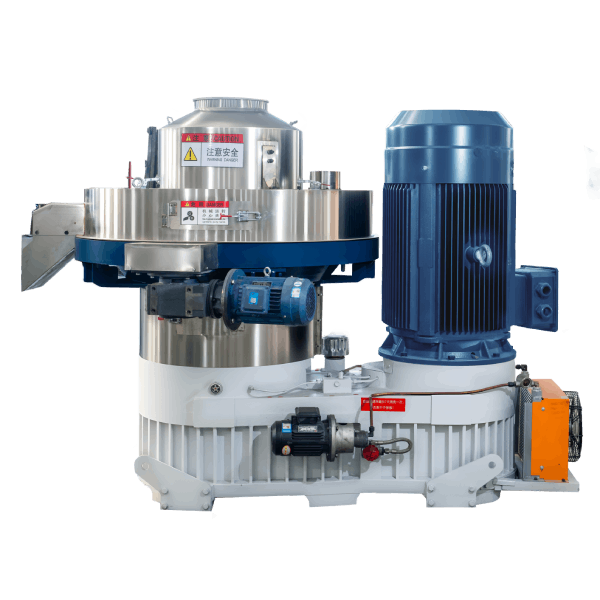
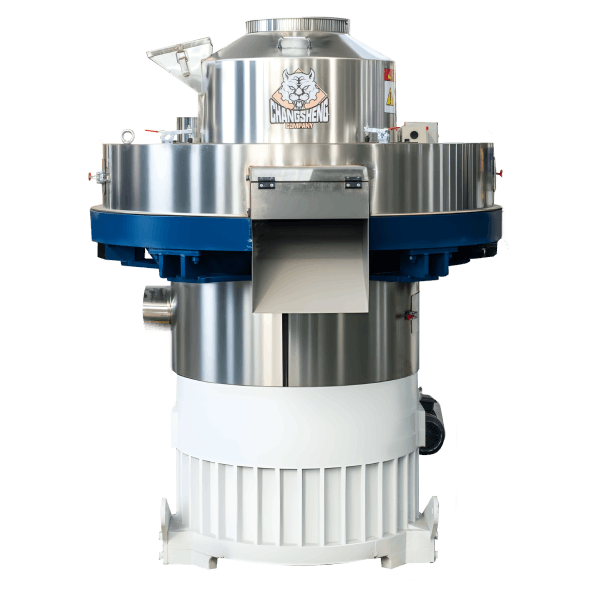
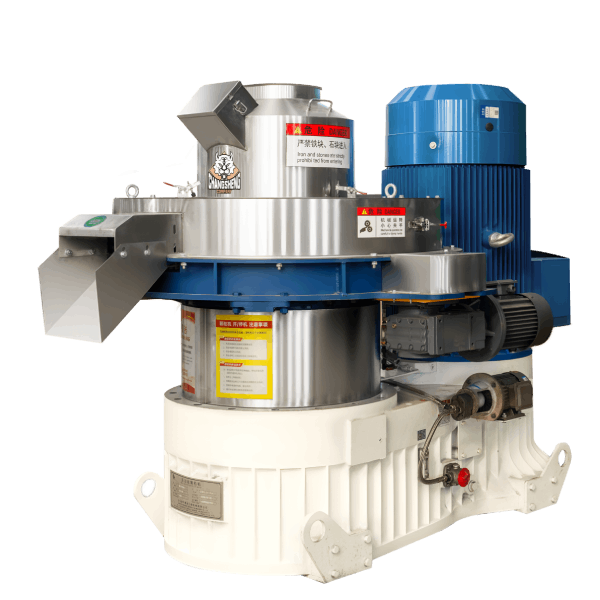
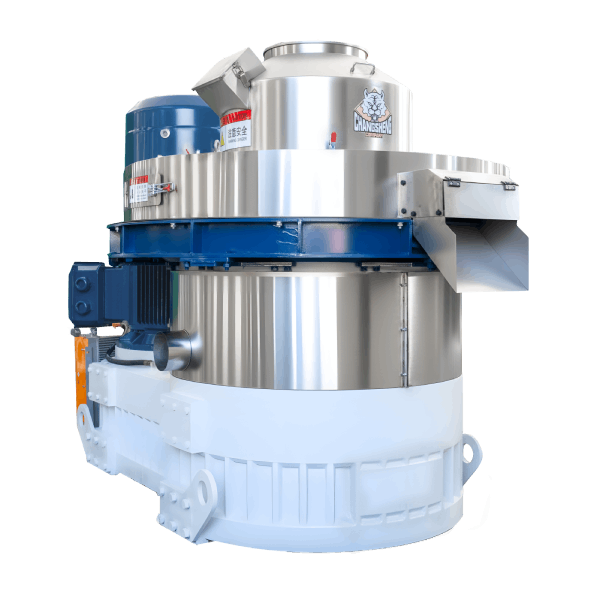
Pellet Machine

Reliability and Redundancy

Why Redundancy Matters in Chemical Plants

FactorImpact
Continuous operationChemical plants operate 24/7/365
High downtime costLoss can exceed $100,000/hour
Supply interruptionsMust maintain steam production
Safety systemsBoiler must be available

Recommended Redundancy

ComponentRecommendationReason
Pellet mill lines2+ lines; N+1 redundancyProduction continuity
Storage capacity1-3 monthsSupply buffer
Fuel supplyMultiple suppliersSupply security
Boiler feedDual feed systemsReliability
Maintenance planScheduled; plannedMinimize disruptions

N+1 Configuration Example

Plant SizeLines NeededRecommended Lines
5-20 t/h steam1-2 lines2-3 lines
20-50 t/h steam3-6 lines4-8 lines
50-100 t/h steam6-12 lines8-14 lines

Economic Analysis

Cost Comparison: Chemical Plant (50 t/h Steam)

FuelAnnual Fuel Cost ($)CO₂ Emissions (tons/year)Capital Cost
Heavy fuel oil$10,000,000-15,000,00050,000+Low
Natural gas$7,000,000-10,000,00030,000+Low
Coal$5,000,000-8,000,00060,000+Low
Purchased pellets$6,000,000-9,000,0000*Low-Medium
Self-produced pellets$3,500,000-6,000,0000*High

*Carbon neutral (biomass)

Capital Investment: 50 t/h Steam Plant

ComponentEstimated Investment ($)
Boiler conversion$1,000,000-5,000,000
Pellet production facility$5,000,000-15,000,000
Storage and handling$2,000,000-5,000,000
Total$8,000,000-25,000,000

Payback Analysis

ScenarioInvestmentAnnual SavingsPayback
Oil to pellets (purchased)$1-5M$1-6M/year1-3 years
Oil to pellets (self-produced)$8-25M$4-9M/year2-5 years
Gas to pellets (purchased)$1-5M$0-3M/year2-5 years
Gas to pellets (self-produced)$8-25M$2-6M/year4-8 years

Regulatory and Environmental

Emissions Comparison

PollutantHeavy OilNatural GasCoalWood Pellets
CO₂HighModerateHighestNeutral
SO₂HighLowHighVery Low
NOxModerateLowHighModerate
ParticulatesModerateVery LowHighLow

Permitting Requirements

RequirementChemical PlantPellet Production
Air permitYesYes
Boiler MACTYesYes
Dust permitNoYes
Fire safetyYesYes
Storage permitYesYes

Implementation Considerations

Project Phases

PhaseActivitiesDuration
1. FeasibilityTechnical; economic3-6 months
2. DesignEngineering; permitting6-12 months
3. ProcurementEquipment; contractors3-6 months
4. InstallationConstruction; integration12-18 months
5. CommissioningTesting; start-up2-4 months
6. OperationProduction; optimizationOngoing

Key Success Factors

FactorWhy Critical
Feedstock supplyMust be reliable
Quality controlMust meet specifications
Boiler integrationMust operate seamlessly
Staff trainingMust be competent
MaintenanceMust be planned

Procurement Checklist: Chemical Plant Pellet System

Feasibility

  • □ Steam demand and fuel consumption confirmed
  • □ Current fuel costs documented
  • □ CO₂ reduction targets identified
  • □ Boiler compatibility assessed
  • □ Site availability confirmed

Technical Specifications

  • □ Pellet quality specifications established
  • □ Production capacity defined
  • □ Storage capacity designed (1-3 months)
  • □ Redundancy planned (N+1)
  • □ Boiler conversion scope defined

Economic

  • □ Investment budget confirmed
  • □ Fuel cost savings calculated
  • □ Payback period estimated
  • □ Operating cost projection developed

Compliance and Safety

  • □ Permitting requirements identified
  • □ Emission limits confirmed
  • □ Fire safety plan developed
  • □ Dust explosion protection included

Implementation

  • □ Project timeline established
  • □ Stakeholders identified
  • □ Risk management plan developed
  • □ Staff training plan created

Frequently Asked Questions

1. Can wood pellets fuel a chemical plant steam boiler?

Yes. Wood pellets are a suitable fuel for industrial boilers in chemical plants. With proper boiler conversion, pellets can replace heavy oil, coal, or natural gas while meeting emission requirements.

2. What quality specifications are needed?

Key specifications: moisture <10%, ash <1.5%, calorific value >16.5 MJ/kg, durability >95%. Chemical plants may require tighter specifications than other industries for consistent combustion and minimal boiler maintenance.

3. How does pellet fuel compare to natural gas?

Pellets are generally 10-30% cheaper per unit of energy than natural gas, with lower price volatility. The main considerations are higher capital cost for fuel handling and storage, and boiler conversion requirements.

4. What is the payback period for a chemical plant?

Payback depends on the fuel being replaced. Oil to pellets: 1-3 years. Gas to pellets: 2-5 years. Coal to pellets: 3-6 years. Self-production has higher capital cost but lower operating cost.

5. How reliable is the pellet supply?

With proper supply contracts and storage (1-3 months buffer), pellet supply can be as reliable as natural gas or oil. Multiple suppliers and logistics redundancy enhance security.

6. What are the environmental benefits?

Wood pellets are carbon neutral (CO₂ absorbed during tree growth). They have lower SO₂, lower particulate emissions (with proper control), and significantly lower overall environmental impact than coal or oil.

7. Does pellet fuel meet chemical plant emission limits?

Yes, with proper boiler design and emission controls. Wood pellets have low sulfur content and can meet stringent emission limits. Emissions are comparable to natural gas for most regulated pollutants.

8. What are the main risks?

Risks include: feedstock price increases, quality variation, supply interruptions, and boiler conversion issues. These can be mitigated through contracts, quality control, multiple suppliers, and proper engineering.


About the Author

Zhang Wei – Senior International Sales Engineer, Shandong Changsheng Machinery Co., Ltd.

Zhang Wei has over 12 years of experience in the biomass and feed pellet mill industry, with a background in mechanical engineering and international project execution. He has worked on pellet production and boiler conversion projects for chemical plants, power plants, and other industrial facilities across multiple regions.

With hands-on experience in both the manufacturing workshop and client-side operations, Zhang brings practical insights into successful equipment procurement—from the factory floor to the chemical plant boiler room.