Pellet Machine for Hotel Boiler Fuel: Complete Operations Guide

News 2026-07-24

Page SEO Summary: This operations guide helps hotel owners and facility managers evaluate pellet machines for boiler fuel—covering fuel requirements, equipment selection, economic analysis, and sustainability benefits for hospitality operations.

Hotels are energy-intensive facilities. From guest room heating and cooling to laundry, kitchen operations, and swimming pools, energy costs represent a significant portion of operating expenses. For hotels seeking to reduce costs and improve sustainability, wood pellets offer a compelling alternative to traditional boiler fuels.

Wood pellets provide cost-stable, renewable fuel that can be integrated into existing boiler systems with minimal disruption. For hotels with access to wood waste or other biomass materials, producing their own pellets adds another layer of cost control and sustainability credibility—a factor increasingly valued by environmentally conscious guests.

This guide provides hotel owners, facility managers, and hospitality professionals with a comprehensive framework for evaluating wood pellet production for hotel boiler fuel applications.


Wood Pellets for Hotel Boilers: Why Consider It

The Value Proposition for Hotels

AdvantageBenefit for Hotel Operations
Cost savingsLower fuel costs; improved EBITDA
Budget stabilityLess exposed to fossil fuel price volatility
SustainabilityMeets ESG goals; guest expectations
Brand enhancement“Green hotel” positioning; marketing value
RenewableFuture-proofs against carbon regulations
Guest appealAttracts eco-conscious travelers
Staff moralePride in sustainable operations

Comparison with Traditional Fuels

FuelCost StabilityEnvironmental ImpactAutomationBrand Value
Wood pelletsGoodExcellentExcellentExcellent
Natural gasVariableModerateExcellentLow
Heating oilVariablePoorExcellentPoor
LPG/PropaneVariableModerateExcellentLow
ElectricityVariableVariableExcellentVariable

Understanding Hotel Energy Demand

Typical Hotel Energy Consumption

Hotel TypeRoomsAnnual Fuel Demand (est.)Boiler Size (kW)
Boutique hotel10-30 rooms20-50 tons/year50-150 kW
Small hotel30-60 rooms50-100 tons/year150-300 kW
Mid-size hotel60-120 rooms100-200 tons/year300-600 kW
Large hotel120-250 rooms200-400 tons/year600-1,000 kW
Resort250+ rooms400-1,000+ tons/year1,000-2,500+ kW

Hotel Energy Use Breakdown

CategoryTypical ShareNote
Space heating40-50%Largest energy use
Hot water20-30%Guest rooms; laundry
Laundry10-15%Energy for washing and drying
Kitchen/cooking5-10%Gas or electric
Pool/spa5-10%Heating and filtration
Other5-10%Lighting; equipment

Sample Calculation: Mid-Size Hotel

ParameterValue
Rooms80
Occupancy70%
Boiler size400 kW
Operating hours24/7 (heating season)
Annual heat demand1,000,000 kWh
Boiler efficiency85%
Pellet calorific value4.8 kWh/kg
Annual pellet demand245 tons/year

Wood Pellet Machine Selection

Capacity Requirements by Hotel Size

Hotel TypePellet Production NeedRecommended Machine Size
Boutique/Small20-50 kg/h15-22 kW
Small-Medium50-100 kg/h22-37 kW
Mid-size100-200 kg/h37-55 kW
Large200-400 kg/h55-90 kW
Resort400+ kg/h90-132+ kW

Machine Configuration Options

OptionDescriptionBest For
Standalone pellet millBasic machine; prepared feedstockSmall hotels; existing grinding
Complete small lineHammer mill + pellet millMedium hotels; self-contained
Full production lineDrying + grinding + pelleting + coolingLarge hotels; waste utilization
Turnkey systemFull integration with boilerAll sizes

Key Specifications by Scale

ParameterSmall (<60 rooms)Medium (60-150 rooms)Large (>150 rooms)
Capacity (kg/h)20-5050-150150-400
Motor power15-22 kW22-37 kW55-90 kW
Voltage380V380V380V
Footprint5-10 m²10-20 m²20-40 m²

Feedstock Options for Hotels

Suitable Materials

MaterialAvailabilityPreparation
Wood sawdustCommercial purchaseDrying to 10-12% moisture
Wood chipsCommercial purchaseGrinding; drying
Hotel wasteOn-siteLimited; requires sorting
Paper/cardboardOn-siteSpecialized handling
Pallet wasteOn-site (deliveries)Chipping; drying

Feedstock Considerations for Hotels

FactorConsideration
Reliable supplyNeed consistent source year-round
Storage spaceCovered, dry storage required
Delivery logisticsScheduled deliveries
Labor requirementsStaff time for operation
CostBalance of purchase and value
QualityConsistent moisture and particle size

On-Site Waste Potential

Waste TypeAnnual Volume (Typical)Potential Use
Pallet waste5-20 tons/yearChipped and pelleted
Paper/cardboard5-15 tons/yearSpecialized processing
Landscape wasteVariableChipping
Kitchen wasteHigh volumeComposting (not pelletizing)

Economic Analysis

Cost Comparison for Hotels

ScenarioCost per TonAnnual Cost (245 tons)
Purchased pellets$200-250$49,000-61,250
Self-produced (purchased wood)$100-150$24,500-36,750
Self-produced (free/cheap waste)$40-60$9,800-14,700

Savings Potential

ApproachAnnual CostAnnual Savings vs. Purchased
Purchased pellets$55,000Base
Self-produced (purchased wood)$30,000$25,000
Self-produced (free waste)$12,000$43,000

Investment Payback Example (Mid-Size Hotel)

ParameterValue
Annual fuel demand245 tons/year
Saved vs. purchased pellets$25,000-43,000/year
Equipment investment$25,000-50,000
Payback period1-2 years

Additional Cost Savings

SavingPotential Value
Waste disposal savings$2,000-10,000/year
Reduced fossil fuel useSignificant
Carbon creditsPotential revenue
Guest preferenceIncreased bookings

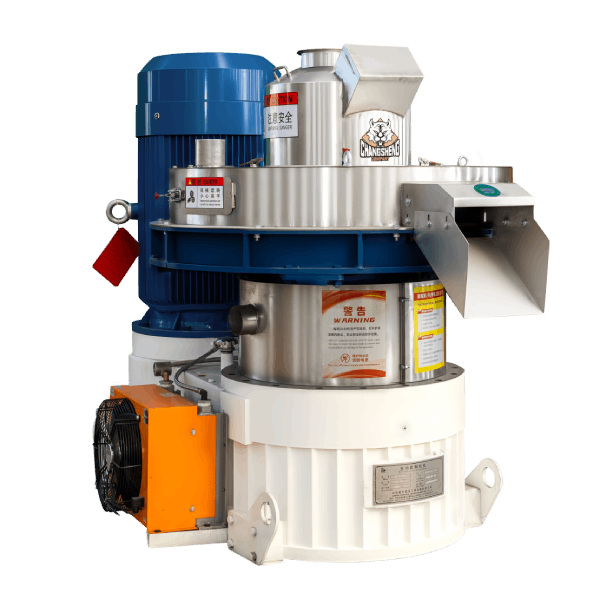
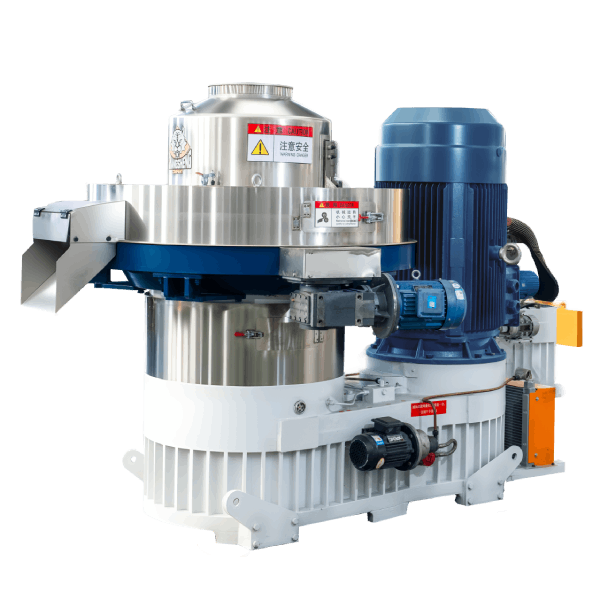
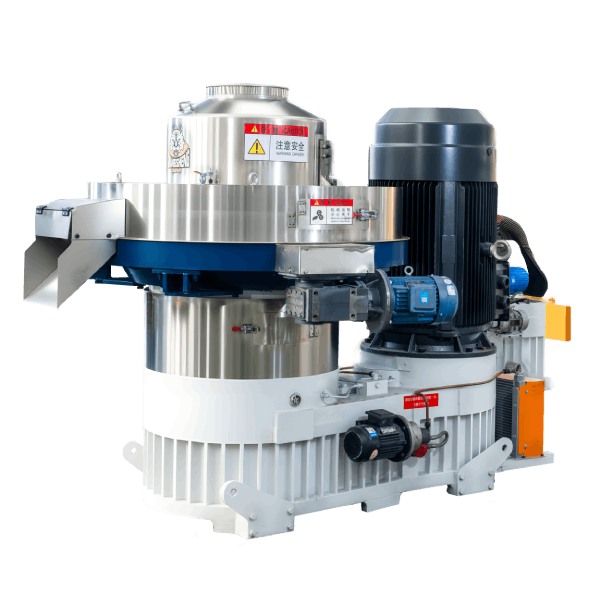
biomass pellet mill

Implementation for Hotels

Project Development Steps

StepActivityTimeline
1. Feasibility studyAssess energy needs; evaluate options1-2 months
2. Budget approvalOwner approval; financing1-3 months
3. DesignSystem design; equipment selection1-2 months
4. ProcurementEquipment purchase; contractor selection1-2 months
5. InstallationSystem installation1-3 months
6. CommissioningTesting; staff training1 month
7. OperationStart-up; ongoing monitoringOngoing

Integration with Hotel Operations

FactorConsideration
LocationBoiler room; storage area
NoiseImpact on guest experience
DustDust control required
DeliveryFuel delivery logistics
Staff trainingBoiler and pellet mill operation
Guest communicationEducational signage; marketing

Sustainability and Brand Value

Guest Preferences

FindingImplication
70%+ of travelers prefer sustainable hotelsMarketing opportunity
Guests willing to pay more for sustainabilityRevenue opportunity
Sustainability influences booking decisionsCompetitive advantage

Marketing Value

MessageImpact
“Heated with renewable wood pellets”Positive guest perception
“Carbon-neutral heating”Differentiator
“Local fuel source”Community connection
“Waste-to-energy”Innovation story

Certifications

CertificationRelevance
LEEDGreen building certification
Green KeyHospitality sustainability
EarthCheckSustainable tourism
ISO 14001Environmental management

Operational Considerations

Staff and Training

RequirementDescription
Boiler operatorTraining on pellet boiler operation
Pellet productionTraining on pellet mill operation
Safety trainingFire safety; dust handling
MaintenanceRoutine maintenance procedures
SupervisionOversight by facilities staff

Maintenance Requirements

TaskFrequency
Clean boilerWeekly/monthly
Remove ashWeekly/monthly
Inspect pellet millDaily/weekly
Lubricate bearingsMonthly
Check screens/hammersMonthly
Replace dies/rollersAs needed

Procurement Checklist: Hotel Pellet System

Feasibility Assessment

  • □ Hotel energy demand calculated
  • □ Annual fuel demand estimated
  • □ Existing boiler system assessed
  • □ Integration requirements defined
  • □ Available space confirmed
  • □ Staff resources assessed

Equipment Selection

  • □ Pellet machine capacity matched to demand
  • □ Boiler selected for hotel size
  • □ Storage system designed
  • □ Fuel delivery system specified

Economic Assessment

  • □ Cost comparison completed
  • □ Investment budget confirmed
  • □ Payback period calculated
  • □ Operational budget estimated
  • □ ROI confirmed

Implementation Planning

  • □ Installation timeline developed
  • □ Contractor identified
  • □ Staff training plan created
  • □ Maintenance plan established
  • □ Guest communication planned

Regulatory and Safety

  • □ Permits identified
  • □ Emission requirements confirmed
  • □ Fire safety plan developed
  • □ Insurance coverage confirmed

Frequently Asked Questions

1. Can a hotel use wood pellets for boiler fuel?

Yes. Wood pellets are an excellent fuel for hotel boilers. They can be used in automated pellet boilers that provide consistent heat and hot water, similar to traditional systems.

2. How many pellets does a hotel need?

A mid-size hotel (80 rooms) needs approximately 200-300 tons of pellets per year. Larger hotels need proportionally more. The exact amount depends on climate, building efficiency, and occupancy levels.

3. What size pellet machine does a hotel need?

For a mid-size hotel, a pellet machine producing 50-150 kg/h (running 8-10 hours/day) is sufficient. Larger hotels require larger machines. The machine should produce enough to meet the hotel’s annual fuel demand.

4. Is it cost-effective for hotels to make their own pellets?

Yes. Self-production typically saves $20,000-40,000+ annually for a mid-size hotel compared to purchasing pellets. With a payback period of 1-2 years, it’s a sound investment.

5. What materials can hotels use to make pellets?

Hotels can use wood sawdust (purchased or from pallet waste), wood chips, and some paper/cardboard waste. Pallet waste from deliveries is a common and cost-effective source.

6. Does this affect guest experience?

No. A well-designed pellet system is quiet, clean, and invisible to guests. In fact, the sustainability story can enhance guest experience and become a marketing asset.

7. What are the space requirements?

Storage space is required for pellets (approximately 2-3 m³ per ton). A boiler room and pellet production area are also needed. Mid-size hotels typically need 20-40 m² for the pellet production system and storage.

8. What is the payback period for a hotel pellet system?

Payback is typically 1-3 years for mid-size and larger hotels. Smaller hotels may have longer payback periods. The economics are most favorable for hotels with high energy consumption.


About the Author

Zhang Wei – Senior International Sales Engineer, Shandong Changsheng Machinery Co., Ltd.

Zhang Wei has over 12 years of experience in the biomass and feed pellet mill industry, with a background in mechanical engineering and international project execution. He has worked on pellet production and heating projects for hotels, resorts, schools, and commercial facilities across multiple regions.

With hands-on experience in both the manufacturing workshop and client-side operations, Zhang brings practical insights into successful equipment procurement—from the factory floor to the hotel boiler room.