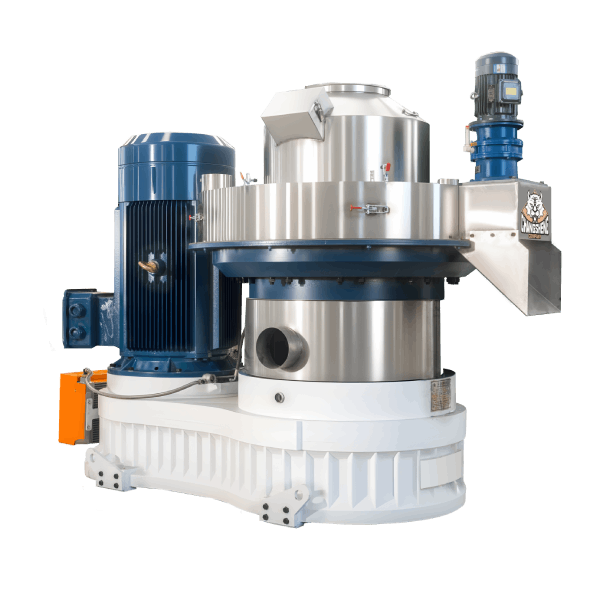
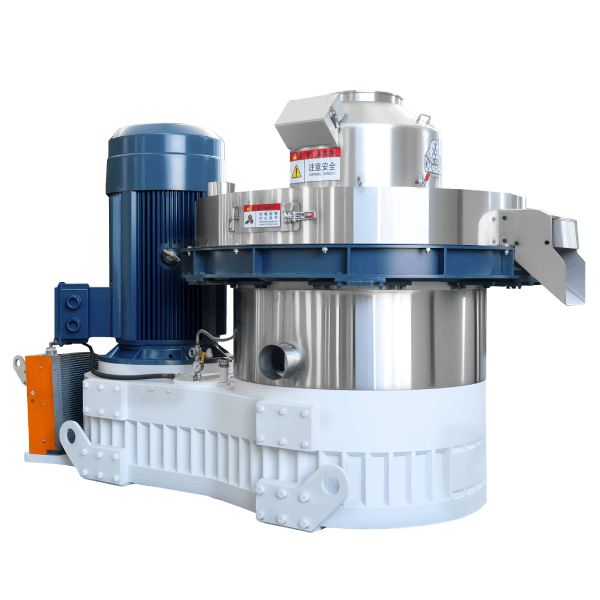
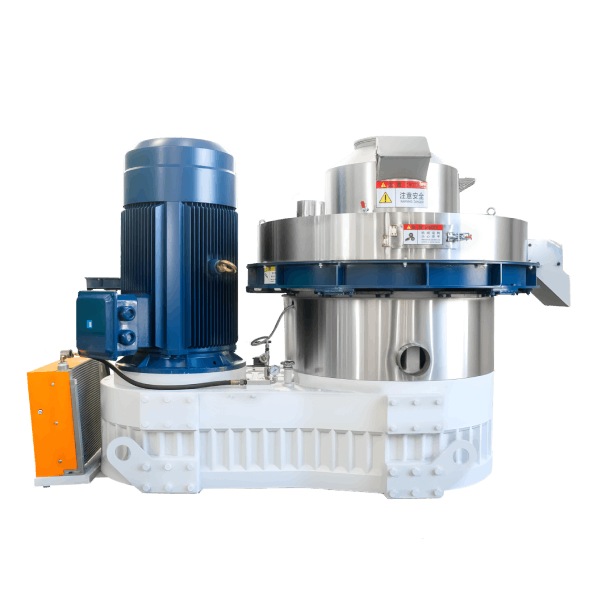
Page SEO Summary: This sourcing guide helps procurement professionals evaluate American made pellet mills—covering manufacturer overview, quality standards, domestic advantages, and decision criteria for US-built equipment.
“American made” carries a reputation for quality, reliability, and adherence to rigorous standards. In the pellet mill industry, American manufacturers offer equipment built to withstand demanding conditions, comply with strict safety regulations, and provide dependable performance over decades of operation.
For buyers in the United States, choosing an American made pellet mill offers significant advantages: local support, readily available spare parts, clear compliance with US regulations, and the confidence that comes from dealing with a domestic manufacturer. For international buyers, American equipment represents a premium option with world-class engineering and quality.
This guide provides a comprehensive framework for understanding, evaluating, and sourcing American made pellet mills.
Agricultural equipment; feed mills; heavy machinery
Southeast
Industrial equipment; manufacturing
Northeast
Precision manufacturing; specialized equipment
Texas/Southwest
Energy-related equipment; biomass
American Manufacturing Characteristics
Quality and Engineering
Strength
Description
Precision manufacturing
High-quality machining and assembly
Robust design
Built for demanding conditions
Component quality
Premium American and European components
Reliability
Long service life; consistent performance
Standards compliance
ANSI, UL, OSHA
Innovation
Continuous improvement; R&D investment
Key Differentiators
Differentiator
American Advantage
Regulatory compliance
ANSI, UL, OSHA standards met
Local support
Domestic service and parts
Build quality
Heavy-duty; over-engineered
Technology
Advanced controls; automation
Documentation
Comprehensive manuals; technical support
Quality control
Rigorous testing; QA processes
Quality Standards
Standard
Description
Relevance
ANSI
American National Standards Institute
Design and safety
UL
Underwriters Laboratories
Electrical safety
OSHA
Occupational Safety and Health Administration
Workplace safety
ISO 9001
Quality management
Quality systems
ASTM
American Society for Testing and Materials
Material standards
Types of American Pellet Mill Manufacturers
Classification by Scale
Type
Description
Characteristics
Large manufacturer
100-500+ employees; established brands
Full capability; extensive product range
Mid-sized manufacturer
30-100 employees; specialized
Quality focus; specific expertise
Specialist manufacturer
Focused on specific equipment
Niche expertise; high quality
Boutique manufacturer
Small-scale; custom; premium
Very high-end; custom solutions
Classification by Focus
Focus
Description
Product Range
Feed equipment specialist
Animal feed pelleting
Feed mills; complete lines
Industrial biomass specialist
Wood and biomass pelleting
Industrial pellet lines
Agricultural equipment
Broad agricultural machinery
Feed equipment; related
Custom equipment builder
Custom solutions
Specialty applications
Component manufacturer
Parts and components
Dies; rollers; replacement parts
Value Proposition: Why Choose American Made
Advantages vs. Imported Equipment
Aspect
American Made
Imported (Asian)
Advantage
Quality
Very High
Variable
American
Compliance
ANSI, UL, OSHA
Variable
American
Support
Domestic; immediate
Variable; often remote
American
Parts availability
Readily available
May have lead time
American
Service response
Quick (domestic)
Variable
American
Customization
Available
Limited
American
Price
Highest
Lowest
Imported
Lead time
Moderate
Shorter
Imported
Key Benefits for US Buyers
Benefit
Why It Matters
Regulatory compliance
Equipment meets US safety standards
Local support
Quick response to issues
Parts availability
Minimal downtime waiting for parts
No import complications
No customs; no international shipping
Language/cultural alignment
Easier communication
Legal recourse
US legal system
US-made preference
Supports domestic manufacturing
Benefits for International Buyers
Benefit
Why It Matters
World-class quality
Premium engineering
International standards
ANSI, UL recognized globally
Proven reliability
Long service life
Technical documentation
Comprehensive; professional
Global support network
Many have international presence
American Made vs. Imported: Comparison
Detailed Comparison
Aspect
American Made
European Premium
Chinese Premium
Chinese Standard
Quality
Very High
Very High
Good
Variable
Standards
ANSI, UL, OSHA
CE, EN
ISO, CE
Variable
Price
Highest
Very High
Medium
Lowest
Service life
15-20+ years
15-20+ years
10-15 years
5-10 years
Support
Excellent
Very Good
Good
Variable
Parts
Immediate
Good
Variable
Variable
Lead time
8-16 weeks
12-20 weeks
8-12 weeks
6-10 weeks
Price Positioning
Equipment Type
American
European
Chinese Premium
Chinese Standard
Pellet mill (5 t/h)
3.0-4.0×
3.0-3.5×
1.5-2.0×
1.0×
Complete line
2.5-3.5×
2.5-3.0×
1.5-2.0×
1.0×
American Manufacturing Standards
Safety and Compliance
Standard
Application
Requirement
ANSI/ASAE
Agricultural equipment safety
Guarding; controls; warnings
ANSI B11
Machinery safety
Machine guarding
UL 508A
Industrial control panels
Electrical safety
NFPA 70
National Electrical Code
Electrical installation
OSHA 1910
General industry standards
Workplace safety
NFPA 654
Combustible dust
Dust explosion prevention
Quality and Materials
Standard
Application
Requirement
ASTM A36
Structural steel
Material quality
ASTM A569
Sheet steel
Material quality
SAE/AISI grades
Fasteners and components
Material quality
Testing and Documentation
Requirement
Description
Factory testing
Comprehensive testing
Run-in testing
Full load testing
Performance verification
Capacity and quality testing
Documentation
Operation manuals; parts manuals; electrical schematics
Procurement Process from American Manufacturers
Step-by-Step Guide
Step
Activity
Timeline
1. Research
Identify potential manufacturers
1-2 weeks
2. Initial contact
Inquiries; capability assessment
1 week
3. Shortlist
Select 2-4 candidates
1 week
4. Technical discussions
Specification development
2-3 weeks
5. Quotation
Request detailed quotes
1-2 weeks
6. Selection
Choose manufacturer
1 week
7. Contract
Negotiate and sign
1-2 weeks
8. Engineering
Detail design
3-5 weeks
9. Manufacturing
Production and assembly
8-16 weeks
10. Testing
Factory acceptance test
1-2 weeks
11. Delivery
Domestic shipping
1-2 weeks
12. Installation
On-site setup
2-4 weeks
Typical Timeline
Project Type
From Contract to Commissioning
Standard machine
14-20 weeks
Custom configuration
18-28 weeks
Complete line
24-36 weeks
Procurement Checklist: American Made Pellet Mill
Manufacturer Assessment
□ Company history and reputation verified
□ Product range meets requirements
□ Engineering capability assessed
□ Quality certifications confirmed (ISO, ANSI)
□ US manufacturing location confirmed
Technical Assessment
□ ANSI/OSHA compliance confirmed
□ UL certification (if applicable)
□ Component brands identified
□ Control system capability assessed
□ Testing and inspection process reviewed
Commercial Assessment
□ Quotation received with complete scope
□ Payment terms negotiated
□ Delivery terms confirmed
□ Warranty terms reviewed
□ Installation and training included
After-Sales Support
□ Service capability assessed
□ Spare parts availability confirmed
□ Response time commitments confirmed
□ Technical support availability confirmed
Decision Framework
When to Choose American Made
Factor
Consideration
Location
US-based operations
Regulatory requirements
Strict compliance needed
Downtime cost
High cost of downtime = American
Support needs
Need fast local support
Budget
Premium budget available
Quality requirement
Highest quality required
When to Consider Alternatives
Factor
Consideration
Budget constraints
Consider European or premium Asian
Global operations
European may be better for European sites
Simple requirements
Asian may be sufficient
Short lead time
Asian may be faster
Frequently Asked Questions
1. What does “American made” mean for a pellet mill?
“American made” means the pellet mill is designed, manufactured, and assembled in the United States. It typically implies compliance with US standards (ANSI, UL, OSHA), higher quality materials, and rigorous testing.
2. What are the advantages of American made pellet mills?
Advantages include: compliance with US safety standards, local technical support, readily available spare parts, clear communication, legal recourse, and support for domestic manufacturing.
3. How does American quality compare to European?
American and European quality are comparable—both are premium. American equipment may emphasize compliance with US standards (ANSI, UL), while European emphasizes CE and EN standards. Both offer excellent quality.
4. Why are American made pellet mills more expensive?
They are more expensive due to higher labor costs, premium materials, rigorous testing, compliance costs, and the premium associated with US manufacturing. The higher cost is offset by quality and support benefits.
5. Are American made pellet mills available internationally?
Yes. Many American manufacturers export equipment worldwide. However, international buyers should consider logistics, import duties, and support accessibility.
6. What is the typical service life of an American made pellet mill?
A properly maintained American made pellet mill can operate for 15-20+ years, comparable to European equipment and longer than most Asian equipment.
7. What certifications should I look for in American made pellet mills?
Look for compliance with ANSI, UL (electrical), OSHA (safety), and ISO 9001 (quality). Depending on your application, other certifications may be relevant.
8. Can American made pellet mills be customized?
Yes. Many American manufacturers offer customization to meet specific requirements. Customization may include special materials, configurations, or control systems.
Zhang Wei has over 12 years of experience in the biomass and feed pellet mill industry, with a background in mechanical engineering and international project execution. He has managed pellet mill supply projects for clients across Southeast Asia, the Middle East, Africa, Europe, and Latin America, including projects involving equipment from multiple global regions.
With hands-on experience in both the manufacturing workshop and client-side operations, Zhang brings practical insights into successful equipment procurement—from the factory floor to the customer’s production site.