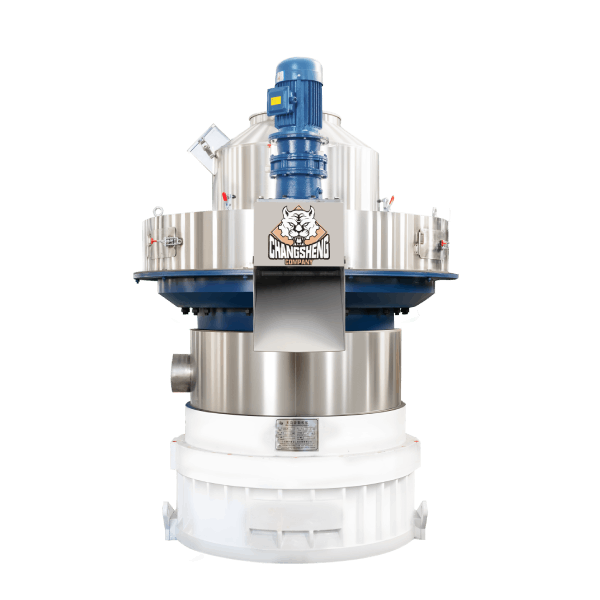
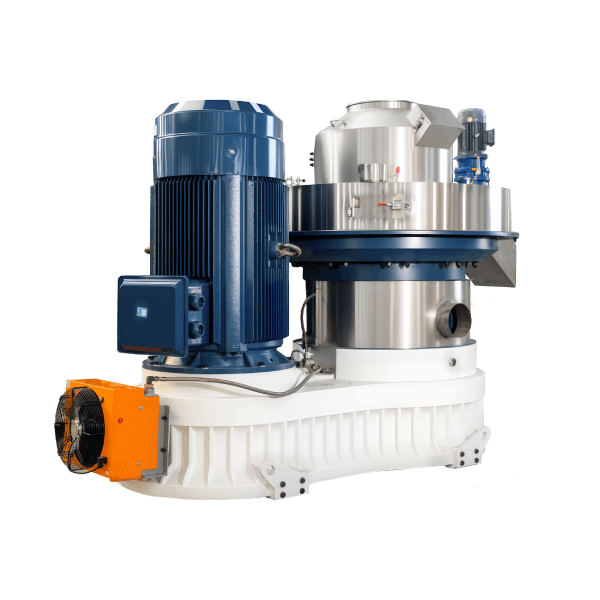
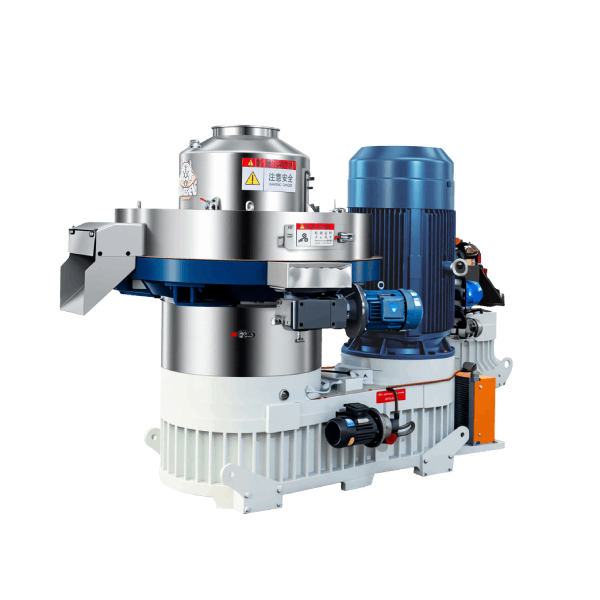
Pellet Mill with Remote Control Panel: Complete Selection Guide
News 2026-07-20
Page SEO Summary: This technical guide helps procurement professionals and plant engineers evaluate pellet mills with remote control panels—covering remote operation features, safety benefits, system integration, and selection criteria for modern production facilities.
The operator stands beside the pellet mill, exposed to noise, dust, and the occasional risk of flying debris. Every adjustment requires walking to the machine, opening the control panel, and making changes while the equipment runs. It’s not just uncomfortable—it’s inefficient and potentially unsafe.
A pellet mill with remote control panel transforms this experience. The operator can start, stop, monitor, and adjust the machine from a safe, comfortable location—whether that’s a control room, an adjacent area, or even a different building. This is not just about convenience; it’s about safety, efficiency, and the ability to integrate the pellet mill into modern manufacturing systems.
This guide provides a comprehensive framework for understanding remote control technology in pellet mills, evaluating its benefits, and making informed procurement decisions.
What Is a Remote Control Panel?
Definition
A remote control panel is a control interface located away from the pellet mill that allows operators to monitor and control the machine without being physically present at the equipment.
Types of Remote Control
| Type | Description | Best For |
|---|---|---|
| Wired remote panel (stationary) | Fixed panel in control room or adjacent area | Permanent installations; control room operations |
| Wired remote panel (movable) | Panel on cable that can be moved | Temporary positioning; maintenance access |
| Wireless remote | Radio or infrared control | Flexible operation; mobile operators |
| Network-based (HMI) | Control via computer or tablet on network | Integration with plant SCADA |
| Web-based | Control via internet browser | Remote monitoring and support |
Functions Available on Remote Control Panel
Core Control Functions
| Function | Description | Remote Capability |
|---|---|---|
| Start/Stop | Machine on/off control | Yes |
| Feed rate control | Adjust material feed speed | Yes |
| Motor speed | Adjust main motor (if VFD) | Yes |
| Conditioning control | Temperature and moisture settings | Yes |
| Emergency stop | Immediate machine stop | Yes (with E-stop button) |
Monitoring Functions
| Function | Description | Remote Capability |
|---|---|---|
| Motor current/load | Display motor amperage | Yes |
| Temperature readings | Die and bearing temperature | Yes |
| Production rate | Current throughput | Yes |
| Run hours | Accumulated operating time | Yes |
| Alarm status | Active and historical alarms | Yes |
| Feed rate | Current feed speed | Yes |
Advanced Functions (with PLC/HMI)
| Function | Description | Remote Capability |
|---|---|---|
| Recipe management | Store and recall settings | Yes |
| Data logging | Record production data | Yes |
| Trend analysis | View parameter trends | Yes |
| Diagnostics | Troubleshooting guidance | Yes |
| Remote support | Off-site assistance | Yes (with network) |
Remote Control Technology Options
1. Wired Remote Panel
| Aspect | Detail |
|---|---|
| Connection | Multi-conductor cable; Ethernet |
| Range | Up to 50+ meters (depending on cable) |
| Power supply | From control panel or separate source |
| Advantages | Reliable; no signal interference; secure |
| Limitations | Cable restricts movement; installation cost |
| Best for | Permanent installation; control room setup |
2. Wireless Remote
| Aspect | Detail |
|---|---|
| Connection | Radio frequency; infrared |
| Range | 20-100+ meters (depending on technology) |
| Frequency | 2.4 GHz (ISM band) or licensed |
| Advantages | Flexible; no cable; easy installation |
| Limitations | Signal interference; battery operation |
| Best for | Mobile operators; flexible positioning |
3. Ethernet/Network Control
| Aspect | Detail |
|---|---|
| Connection | Ethernet; industrial network |
| Protocol | Modbus TCP, Profinet, Ethernet/IP |
| Advantages | Full integration; remote access; data sharing |
| Limitations | Requires network infrastructure; cybersecurity |
| Best for | Integrated automation; SCADA connection |
4. Web-Based Monitoring
| Aspect | Detail |
|---|---|
| Connection | Internet via PC/tablet/phone |
| Access | Password-protected; secure connection |
| Advantages | Anywhere access; remote support |
| Limitations | Security risk; requires internet |
| Best for | Remote monitoring; off-site support |
Benefits of Remote Control
1. Safety Benefits
| Benefit | Explanation |
|---|---|
| Noise exposure | Operator away from high-noise area |
| Dust exposure | Operator away from dusty environment |
| Physical risk | Reduced proximity to moving parts |
| Emergency stop | Quick access to E-stop |
| Visibility | Better view of process (with HMI) |
2. Operational Benefits
| Benefit | Explanation |
|---|---|
| Improved efficiency | Faster response to changes |
| Consistent quality | Stable operator environment |
| Reduced fatigue | Comfortable working conditions |
| Better monitoring | More data available to operator |
| Flexible operation | Control from multiple locations |
3. Maintenance Benefits
| Benefit | Explanation |
|---|---|
| Diagnostics | Remote troubleshooting |
| Off-site support | Supplier assistance without travel |
| Data analysis | Performance trend analysis |
| Condition monitoring | Early warning of issues |
4. Integration Benefits
| Benefit | Explanation |
|---|---|
| SCADA integration | Plant-wide monitoring |
| Production reporting | Automated data collection |
| Remote support | Quicker problem resolution |
| Future expansion | Scalable architecture |
Safety Considerations
Critical Safety Requirements
| Requirement | Why It Matters | Implementation |
|---|---|---|
| Emergency stop (E-stop) | Immediate shutdown in emergency | Hardwired; redundant; located at all control points |
| Interlocks | Prevent unsafe operation | Machine guarding; access switches |
| Two-hand control | Prevent accidental start | For certain operations |
| Reset procedure | Safe restart after stop | Clear procedure; operator training |
| Alarm acknowledgment | Ensure operator aware of issues | Visible/audible alarms; HMI |
Remote vs. Local Control Safety
| Aspect | Remote Control | Local Control |
|---|---|---|
| Operator proximity | Safe distance | Near machine |
| Noise exposure | Low | High |
| Dust exposure | Low | High |
| Visibility | Via HMI/cameras | Direct view |
| Emergency stop | Quick (if within reach) | Immediate |
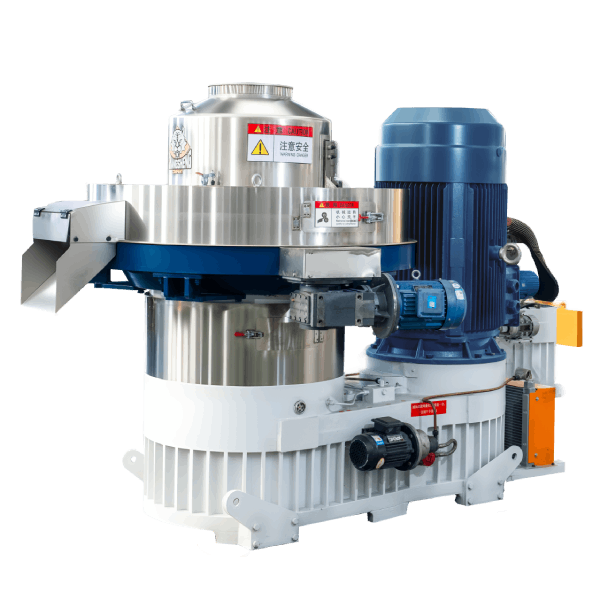
System Integration Options
Integration Levels
| Level | Description | Capability |
|---|---|---|
| Standalone | Remote panel only controls the pellet mill | Basic operation |
| Line integration | Controls multiple machines in the line | Coordinated operation |
| Plant integration | Connected to plant SCADA/control system | Full visibility; data sharing |
| Enterprise integration | Connected to ERP/MES system | Production reporting; optimization |
Communication Protocols
| Protocol | Application | Compatibility |
|---|---|---|
| Modbus RTU/TCP | General industrial | Wide support |
| Profinet | Siemens systems | Siemens ecosystem |
| Ethernet/IP | Allen-Bradley systems | AB ecosystem |
| OPC UA | Platform-independent | Modern systems |
| MQTT | IoT/cloud applications | Emerging standard |
Investment Value
Benefits and ROI
| Benefit | Value |
|---|---|
| Reduced operator exposure | Safety; morale |
| Improved monitoring | Better quality; faster response |
| Remote support | Reduced travel; faster service |
| Data collection | Better decision-making |
| Integration | Plant-wide optimization |
Cost-Benefit Example
Assumptions:
- 5 t/h pellet mill
- Operator time savings: 1 hour/shift
- Remote support: 2 trips/year avoided
| Factor | Annual Value |
|---|---|
| Operator efficiency | $3,000-$6,000 |
| Reduced travel/support | $2,000-$5,000 |
| Improved quality/uptime | $5,000-$10,000 |
| Integration value | $2,000-$5,000 |
| Total Annual Value | $12,000-$26,000 |
Investment: $5,000-$15,000 (remote panel + integration)
Payback Period: 3-12 months
Procurement Checklist
Remote Control Requirements
- Remote control location identified
- Required functions defined (start/stop, feed control, monitoring)
- Safety features specified (E-stop, interlocks)
- Integration requirements identified
Technology Selection
- Control type selected (wired, wireless, network)
- Communication protocol confirmed
- HMI requirements defined (size, resolution, touch)
- Alarm and notification requirements
Integration and Expansion
- SCADA integration (if required)
- Data logging capability confirmed
- Remote support capability
- Future expansion considered
Supplier Evaluation
- Supplier experience with remote controls
- References from similar applications
- Safety compliance (CE, UL)
- Support and documentation
Frequently Asked Questions
1. What is a remote control panel for a pellet mill?
A remote control panel is a control interface located away from the pellet mill that allows operators to start, stop, monitor, and adjust the machine without being physically present at the equipment.
2. What can be controlled from a remote panel?
Core functions include start/stop, feed rate control, motor speed (if VFD), conditioning settings, and emergency stop. With HMI/PLC, additional functions include recipe management, data logging, and diagnostics.
3. What are the safety benefits of remote control?
Remote control reduces operator exposure to noise, dust, and physical hazards near the machine. It allows operation from a safe location while maintaining full control.
4. Is remote control suitable for all pellet mills?
Yes, remote control is suitable for most pellet mills. The level of remote control (basic vs. advanced) depends on the application and integration requirements.
5. What is the difference between local and remote control?
Local control is at the machine (panel on or near the pellet mill). Remote control is away from the machine (in control room, adjacent area, or via network). Remote control improves safety and convenience.
6. Can a pellet mill be controlled from a smartphone or tablet?
Yes, with web-based or app-based interfaces, pellet mills can be monitored and controlled from smartphones or tablets. This is particularly useful for remote monitoring and off-site support.
7. What communication protocols are used for remote control?
Common protocols include Modbus RTU/TCP, Profinet, Ethernet/IP, and OPC UA. The appropriate protocol depends on the plant control system and integration requirements.
8. Is remote control more expensive than local control?
Remote control typically adds $3,000-$15,000 to the equipment cost, depending on the technology and features. The investment is usually recovered through improved efficiency, safety, and reduced downtime.
About the Author
Zhang Wei – Senior International Sales Engineer, Shandong Changsheng Machinery Co., Ltd.
Zhang Wei has over 12 years of experience in the biomass and feed pellet mill industry, with a background in mechanical engineering and international project execution. He has managed pellet mill supply projects for clients across Southeast Asia, the Middle East, Africa, Europe, and Latin America, with extensive experience in control systems, automation, and plant integration.
With hands-on experience in both the manufacturing workshop and client-side operations, Zhang brings practical insights into successful equipment procurement—from the factory floor to the customer’s production site.