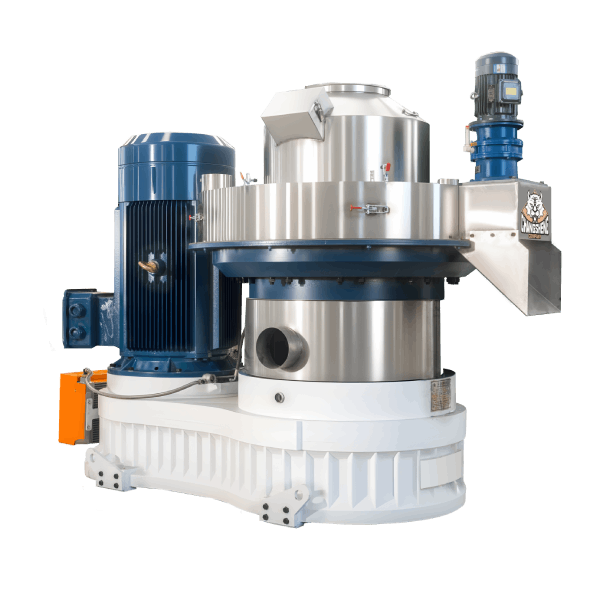
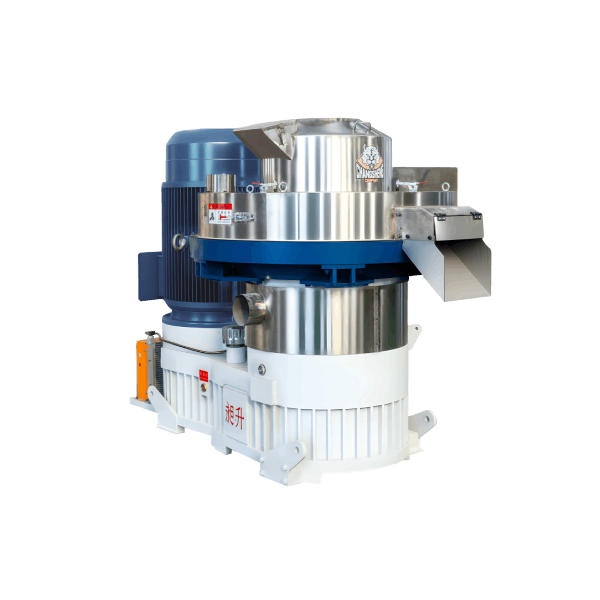
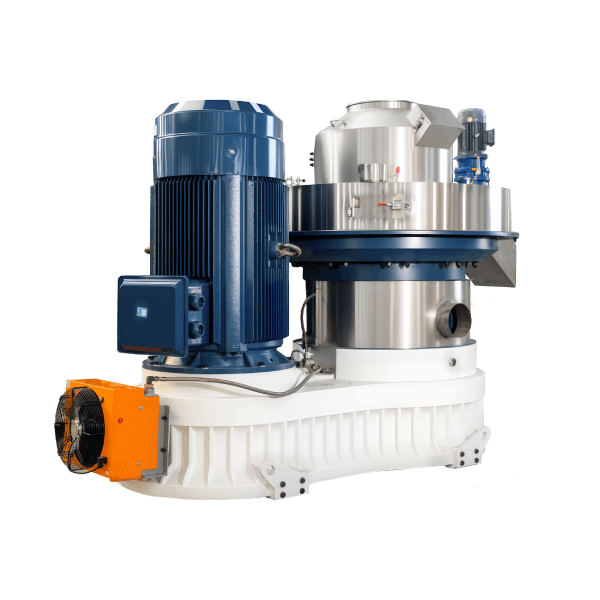
Pellet Machine with Anti Blocking Device: Complete Selection Guide
News 2026-07-17
Page SEO Summary: This technical guide helps procurement professionals and plant engineers evaluate pellet machines with anti-blocking devices—covering blockage causes, anti-blocking technologies, selection criteria, and the ROI of reliable production.
A pellet mill is running at full capacity. The operator sees the ammeter spike, then drop. The machine begins to vibrate. The feeder jams. Production stops. The die needs to be cleaned—a process that takes 30 minutes to several hours, depending on the severity of the blockage. Production loss: $500-$5,000. Frustration: immeasurable.
Pellet mill blockage is one of the most common and costly operational problems in pellet production. It can be caused by material variations, moisture issues, mechanical problems, or simply the inherent characteristics of certain feedstocks. The consequences extend beyond lost production—die damage, roller wear, and potential main shaft damage add to the cost.
A pellet machine with anti-blocking device represents a proactive solution to this persistent problem. Rather than reacting to blockages, these systems prevent them from occurring. This guide provides a comprehensive framework for understanding the causes of blockages, the available anti-blocking technologies, and the selection criteria for procurement decisions.
Understanding Pellet Mill Blockages
What Is a Blockage?
A blockage occurs when material accumulates in the compression zone of the pellet mill, preventing the flow of material through the die holes. The die becomes “plugged,” and the machine can no longer produce pellets. In severe cases, the rollers may slip or the motor may trip on overload.
Types of Blockages
| Type | Description | Causes |
|---|---|---|
| Die hole plugging | Individual holes become blocked | Oversize particles; foreign objects; excessive moisture |
| Roller slip/compression zone blockage | Material builds up between roller and die | Insufficient friction; excessive moisture; roller wear |
| Feed chamber bridging | Material arches or compacts in the feeder | High fiber; low bulk density; improper feeder design |
| Complete die lock | Entire die face blocked | Severe material issues; machine damage |
| Foreign object blockage | Tramp metal or foreign material | Contaminated feedstock |
Common Causes of Blockages
| Cause Category | Specific Causes | Prevention |
|---|---|---|
| Material moisture | Too high (>15%) or too low (<8%) | Proper drying; moisture monitoring |
| Particle size | Oversize particles (>5-6 mm) | Proper grinding; screen maintenance |
| Material composition | High fiber; sticky materials; foreign objects | Material screening; blending |
| Mechanical issues | Worn rollers; damaged die; incorrect gap | Regular maintenance; inspection |
| Operational issues | Feed rate too high or too low; start/stop cycles | Proper operation; training |
| Temperature issues | Die too cold at startup; overheating | Proper warm-up; cooling |
The Cost of Blockages
Direct Costs
| Cost Element | Typical Impact |
|---|---|
| Production downtime | 30 minutes to 4+ hours per blockage |
| Cleaning labor | 1-3 person-hours per blockage |
| Die damage | Premature die replacement ($3,000-$10,000+) |
| Roller damage | Roller shell replacement ($500-$2,000) |
| Motor stress | Reduced motor life; potential overload trips |
Indirect Costs
| Cost Element | Impact |
|---|---|
| Lost production | Revenue loss from unplanned downtime |
| Quality issues | Off-spec product during recovery |
| Maintenance backlog | Delayed preventive maintenance |
| Operator frustration | Morale impact; potential for errors |
| Customer dissatisfaction | Missed delivery commitments |
Frequency of Blockages
| Operation Type | Typical Blockage Frequency | Time Lost (Annual) |
|---|---|---|
| Well-managed, consistent material | 1-2 per month | 10-20 hours |
| Variable material, minimal controls | 3-5 per week | 100-200 hours |
| Problematic material, poor control | Daily or more | 300+ hours |
Anti-Blocking Technologies
Technology Overview
| Technology | Type | How It Works | Effectiveness |
|---|---|---|---|
| Force feeder | Mechanical | Positive displacement feeding | High |
| Roller gap control | Mechanical/PLC | Maintains optimal roller position | High |
| Amperage monitoring | Electronic | Detects overloading and adjusts feed | Moderate-High |
| Feed rate control | PLC/automation | Regulates feed based on conditions | High |
| Die cleaning system | Mechanical | Automated die hole cleaning | Moderate |
| Conditioning control | Process control | Maintains optimal moisture/temperature | High |
1. Force Feeder (Positive Displacement Feeder)
| Aspect | Description |
|---|---|
| Function | Forces material into the die chamber regardless of resistance |
| Design | Screw or paddle design; often with variable speed |
| Anti-blocking mechanism | Prevents bridging and ensures consistent material flow |
| When essential | Low-bulk-density materials; fibrous materials |
2. Roller Gap Control
| Aspect | Description |
|---|---|
| Function | Maintains optimal gap between roller and die |
| Design | Manual or automatic (PLC-controlled) adjustment |
| Anti-blocking mechanism | Prevents material accumulation; ensures proper compression |
| When essential | High-wear applications; variable materials |
3. Amperage-Based Feed Control
| Aspect | Description |
|---|---|
| Function | Monitors motor current and adjusts feed rate |
| Design | PLC with current transformer; feed rate control algorithm |
| Anti-blocking mechanism | Reduces feed rate before overload occurs |
| When essential | All modern pellet mills; variable feedstocks |
4. Conditioning Control
| Aspect | Description |
|---|---|
| Function | Maintains optimal temperature and moisture |
| Design | Temperature and moisture sensors; PLC control |
| Anti-blocking mechanism | Prevents condition-related blockages |
| When essential | High-fiber materials; sticky materials |
5. Anti-Blocking Feeder Design
| Feature | Function | Benefit |
|---|---|---|
| Anti-bridging hopper | Prevents material arching | Consistent feed |
| Variable frequency drive | Adjustable feed rate | Precision control |
| Vertical feed arrangement | Gravity-assisted feeding | Better flow |
| Paddle agitator | Breaks up material bridges | Improved flow |
| Surge bin design | Consistent feed supply | Prevents starvation/surging |
Anti-Blocking Device Implementation
Typical System Integration
| Integration Point | Device | Function |
|---|---|---|
| Feeder | Force feeder, VFD | Controls feed rate; prevents bridging |
| Conditioner | Temperature/moisture control | Optimizes material properties |
| Pellet mill | Roller gap control, amperage monitoring | Prevents blockage formation |
| Control system | PLC with algorithms | Integrates all anti-blocking functions |
Control Logic Example
| Condition | Control Action |
|---|---|
| Amperage rising above setpoint | Reduce feeder speed |
| Amperage above high limit | Stop feeder; run cooling cycle |
| Roller gap increasing | Adjust gap mechanism |
| Temperature below setpoint | Increase conditioning heat |
| Temperature above setpoint | Reduce conditioning heat |
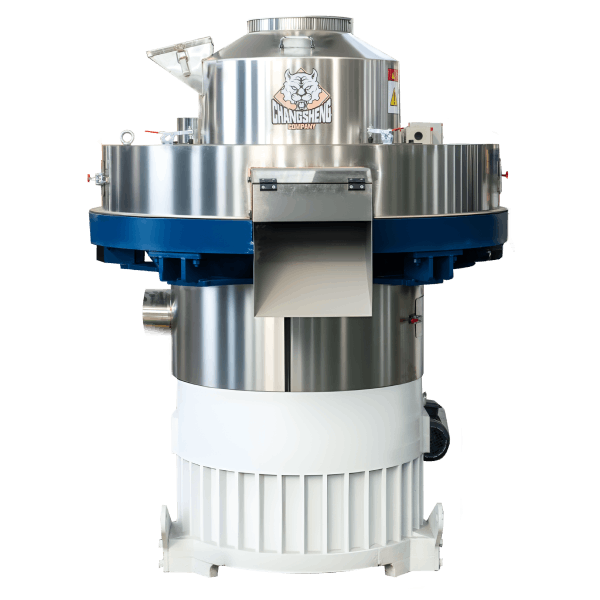
Material-Specific Anti-Blocking Requirements
| Material Type | Blocking Risk | Recommended Anti-Blocking Features |
|---|---|---|
| Wood (sawdust) | Low-Moderate | Basic feeder control; amperage monitoring |
| Wood (chips) | Moderate | Force feeder; roller gap control |
| Agricultural residues | Moderate-High | Force feeder; anti-bridging hopper; conditioning control |
| Straw | High | Force feeder; vertical feed; conditioning control |
| Rice husk | High | Force feeder; anti-bridging; abrasive-resistant components |
| EFB palm fiber | Very High | Force feeder; specialized feed; heavy-duty design |
| Paper/cardboard | High | Force feeder; conditioning control |
| Mixed biomass | Variable | Comprehensive anti-blocking system |
Procurement Decision Framework
When to Prioritize Anti-Blocking Features
| Factor | Decision |
|---|---|
| Variable feedstock | Prioritize anti-blocking features |
| Difficult-to-pelletize material | Essential |
| 24/7 operation | Strongly recommended |
| High production value | Prioritize reliability |
| Limited operator experience | Automation helps |
| Remote location | Reliability is critical |
When Basic May Be Sufficient
| Factor | Decision |
|---|---|
| Consistent, easy material | Standard features may be sufficient |
| Pilot or occasional operation | Lower priority |
| Low production value | Balance cost vs. benefit |
Return on Investment Analysis
Cost-Benefit Example
Assumptions:
- 5 t/h pellet line
- Production value: $500/hour contribution
- Current blockage frequency: 2 per week (2 hours each)
- Target: 1 blockage per month
| Factor | Before | After | Annual Savings |
|---|---|---|---|
| Blockage frequency | 104/year | 12/year | 92 fewer blockages |
| Time lost | 208 hours/year | 24 hours/year | 184 hours saved |
| Production value lost | $104,000 | $12,000 | $92,000 |
| Die/roller wear reduction | Base | Reduced | $5,000-$10,000 |
| Maintenance labor | Base | Reduced | $2,000-$5,000 |
| Total Annual Savings | $99,000-$107,000 |
Investment: Anti-blocking system premium: $5,000-$20,000 (depending on technology)
Payback Period: 1-3 months
Procurement Checklist
Understanding Your Need
- Current blockage frequency documented
- Primary blockage causes identified
- Material characteristics assessed
- Production schedule and value understood
Anti-Blocking Specifications
- Force feeder included (if required)
- Variable frequency drive on feeder
- Anti-bridging hopper design
- Roller gap control (manual or automatic)
- Amperage monitoring with feed control
- Conditioning control system
- Alarm and interlock system
Supplier Evaluation
- Supplier experience with your material
- Proven anti-blocking technology
- References in similar applications
- Training on anti-blocking operation
Frequently Asked Questions
1. What causes pellet machine blockages?
Pellet machine blockages are caused by: excessive or insufficient moisture; oversized particles; high fiber content; sticky materials; foreign objects; worn rollers or damaged die; incorrect roller gap; feed rate issues; and die temperature problems.
2. What is a force feeder and how does it prevent blockages?
A force feeder (positive displacement feeder) uses a screw or paddle design to force material into the die chamber regardless of resistance. It prevents material bridging and ensures consistent flow, particularly important for low-bulk-density and fibrous materials.
3. How does amperage monitoring prevent blockages?
Amperage monitoring tracks the motor current. When current rises above normal (indicating increased resistance in the die chamber), the control system reduces the feed rate before the machine overloads. This prevents blockages from forming and protects the equipment.
4. Do I need an anti-blocking device for my pellet machine?
The need depends on your material, operation schedule, and production value. For consistent, easy materials with limited production, standard features may be sufficient. For variable materials, continuous operation, or high production value, anti-blocking devices are strongly recommended.
5. How much does an anti-blocking system cost?
The additional cost for anti-blocking features ranges from $5,000 to $20,000 depending on the technology. Force feeders, advanced control systems, and automated roller gap control are at the higher end of this range.
6. Can anti-blocking devices be retrofitted to existing pellet machines?
Yes. Many anti-blocking devices—such as force feeders, amperage monitoring systems, and conditioning controls—can be retrofitted to existing pellet machines. The feasibility depends on the machine design and available space.
7. What maintenance do anti-blocking devices require?
Anti-blocking devices require routine inspection and maintenance. Force feeders need regular checks for wear; sensors need calibration; control systems need software updates. The additional maintenance is minimal compared to the savings from reduced blockages.
8. Which materials most benefit from anti-blocking features?
Materials with high fiber content, low bulk density, or variable properties benefit most from anti-blocking features. These include: straw, rice husk, EFB palm fiber, paper/cardboard, high-moisture materials, and mixed biomass feedstocks.
About the Author
Zhang Wei – Senior International Sales Engineer, Shandong Changsheng Machinery Co., Ltd.
Zhang Wei has over 12 years of experience in the biomass and feed pellet mill industry, with a background in mechanical engineering and international project execution. He has extensive experience in pellet mill operation, troubleshooting, and optimization across a wide range of materials and applications.
With hands-on experience in both the manufacturing workshop and client-side operations, Zhang brings practical insights into successful equipment procurement—from the factory floor to the customer’s production site.