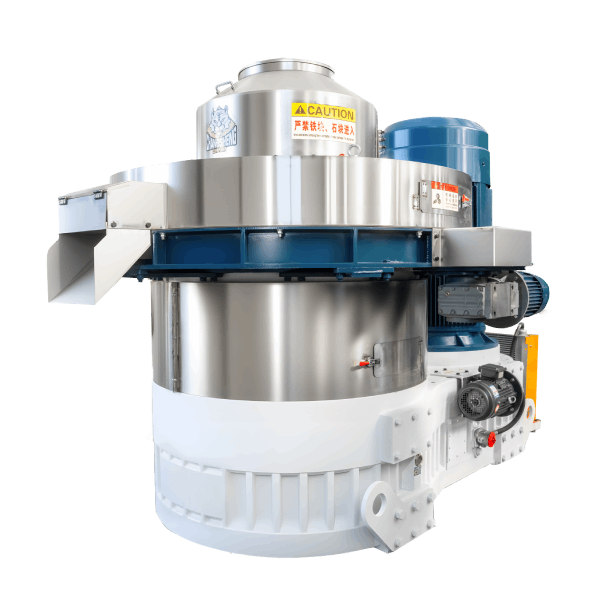
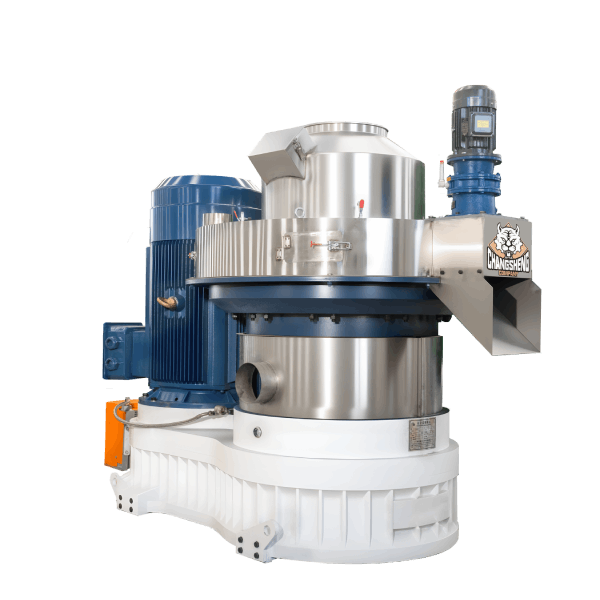
Pellet Machine Shipping Cost Overseas: Complete Cost Guide
News 2026-07-16
Page SEO Summary: This procurement guide helps international buyers understand pellet machine shipping costs overseas—covering shipping modes, cost components, key variables, and practical strategies for logistics cost optimization.
A procurement manager in Nigeria receives a quotation for a pellet machine at $45,000 FOB China. The price looks good. But what will it actually cost to get the machine to Lagos? The procurement manager needs to know: how much is the shipping cost overseas?
For international buyers, the equipment price is only part of the total investment. Shipping costs for heavy industrial equipment like pellet mills can add 5-15% to the total cost, depending on destination, shipping mode, and current market conditions. Add insurance, import duties, taxes, and inland transportation, and the final landed cost can be significantly higher than the FOB price.
Understanding shipping costs is essential for accurate budgeting, supplier comparison, and overall procurement success. This guide provides international buyers with a comprehensive framework for understanding, estimating, and controlling pellet machine shipping costs overseas.
Why Shipping Costs Matter in Procurement
Shipping costs are often underestimated in procurement planning, leading to budget overruns and project delays.
The Impact of Shipping Costs
| Aspect | How Shipping Costs Affect Procurement |
|---|---|
| Budget accuracy | Shipping costs must be included in project budgets |
| Supplier comparison | CIF vs. FOB pricing requires careful comparison |
| Project timeline | Shipping mode affects delivery time and project schedule |
| Total cost of ownership | Logistics costs are part of the total investment |
| Sourcing decisions | Distance and logistics costs affect supplier selection |
Typical Shipping Cost as Percentage of Equipment Value
| Destination | Typical Cost as % of Equipment Value |
|---|---|
| Southeast Asia | 5-8% |
| Middle East | 6-10% |
| Africa | 8-12% |
| Europe | 7-12% |
| North America | 8-15% |
| South America | 10-18% |
| Australia/NZ | 10-15% |
Note: These are general ranges. Actual costs vary significantly based on equipment size, weight, shipping mode, and market conditions.
Shipping Modes: Options and Considerations
The choice of shipping mode affects both cost and delivery time.
Mode Comparison Overview
| Shipping Mode | Cost Level | Transit Time | Best For |
|---|---|---|---|
| Sea freight (FCL) | Low-Medium | 18-40 days | Most pellet mill shipments; complete machines |
| Sea freight (LCL) | Medium | 20-45 days | Smaller shipments; one container load not required |
| Rail freight | Medium | 18-28 days | Europe and Central Asia destinations |
| Air freight | Very High | 3-10 days | Emergency spare parts; never complete machines |
Sea Freight: Container Options
| Option | Description | Cost Basis | Suitability |
|---|---|---|---|
| FCL (Full Container Load) | One shipper, one consignee, one container | Per container | Best for most pellet machine shipments; faster loading; less handling |
| LCL (Less than Container Load) | Consolidated cargo from multiple shippers | Per cubic meter or per 1000 kg | Smaller shipments; lower value equipment; flexible quantity |
Sea Freight Container Types
| Container Type | Dimensions | Typical Use | Suitability for Pellet Mills |
|---|---|---|---|
| 20-ft standard | 5.9m × 2.35m × 2.39m (33.2 CBM) | General cargo | Smaller pellet machines, hammer mills, components |
| 40-ft standard | 12.0m × 2.35m × 2.39m (67.3 CBM) | General cargo | Larger pellet machines, multiple equipment pieces |
| 40-ft high cube | 12.0m × 2.35m × 2.69m (76.3 CBM) | High-volume cargo | Tall equipment, complete lines |
| Flat rack / Open top | Varies | Oversized cargo | Very large or oversized equipment |
Sample: Equipment to Container Mapping
| Equipment | Typical Container Requirement |
|---|---|
| 2-4 t/h pellet mill (standard) | 20-ft container |
| 4-8 t/h pellet mill (standard) | 40-ft container |
| 8-12 t/h pellet mill (large) | 40-ft HC or flat rack |
| Complete line (hammer mill + pellet mill + cooler) | 2-3 × 40-ft containers |
| Turnkey plant | Multiple containers + flat rack |
Shipping Cost Components: What You Pay For
Understanding the components of shipping costs helps buyers evaluate quotes and avoid hidden charges.
Sea Freight Cost Breakdown
| Cost Component | Description | Who Pays (FOB) | Who Pays (CIF) |
|---|---|---|---|
| Ocean freight | Core shipping cost from port to port | Buyer | Supplier (included) |
| Bunker adjustment factor (BAF) | Fuel surcharge | Buyer | Supplier (included) |
| Currency adjustment factor (CAF) | Exchange rate adjustment | Buyer | Supplier (included) |
| Port handling (origin) | Loading and terminal fees | Buyer | Supplier (included) |
| Port handling (destination) | Discharge and terminal fees | Buyer | Buyer |
| Documentation fee | Bill of lading, certificates | Buyer | Supplier (included) |
| Customs clearance (origin) | Export declaration | Buyer | Supplier (included) |
| Customs clearance (destination) | Import declaration | Buyer | Buyer |
| Insurance | Cargo insurance | Buyer | Supplier (included) |
Additional Logistics Costs
| Cost | Description | Typical Range |
|---|---|---|
| Inland trucking (China) | Factory to Chinese port | $300-1,000 per container |
| Inland trucking (destination) | Destination port to site | Variable by distance |
| Container detention/demurrage | Late return of container | $50-150 per day |
| Customs brokerage | Professional customs services | $100-500 per shipment |
| Import duties | Tariff on equipment | Varies by country (0-20%) |
| VAT/Sales tax | Local tax on imports | Varies by country (0-25%) |
Key Factors Affecting Shipping Cost
1. Destination
| Factor | Why It Affects Cost |
|---|---|
| Distance | Longer distance = higher fuel and shipping costs |
| Route popularity | High-traffic routes have more competitive pricing |
| Port infrastructure | Efficient ports reduce handling costs |
| Local regulations | Different documentation and inspection requirements |
2. Equipment Size and Weight
| Factor | Impact on Cost |
|---|---|
| Volume (CBM) | Larger volume requires more container space |
| Weight (MT) | Heavier cargo affects vessel stability and cost |
| Oversized dimensions | Flat rack or breakbulk required for oversized equipment |
3. Shipping Seasonality
| Season | Impact | Timing |
|---|---|---|
| Peak season (Q3) | Higher freight rates | July-September |
| Chinese New Year | Limited sailings | January-February |
| Post-holiday surge | Rate increases | February-March |
| Low season | More competitive rates | Q1 (post-CNY) and Q4 |
4. Fuel Prices
| Impact | Effect on Shipping Cost |
|---|---|
| High fuel prices | Higher BAF (bunker adjustment factor) surcharges |
| Low fuel prices | Lower shipping costs; reduced BAF |
5. Container Availability
| Impact | Effect on Shipping Cost |
|---|---|
| Container shortage | Higher freight rates; extended lead times |
| Container surplus | More competitive pricing |
Trade Terms (Incoterms): Understanding Your Cost Responsibilities
The choice of Incoterm significantly affects who bears which costs and risks.
Common Incoterms for Pellet Mill Export
| Term | Seller Responsibility | Buyer Responsibility | Cost Impact on Buyer |
|---|---|---|---|
| EXW | Equipment at factory | All logistics, export, shipping, import | Highest buyer logistics responsibility |
| FOB | Export packing, inland to port, export clearance | Sea freight, insurance, destination costs | Buyer arranges main carriage |
| CIF | Export packing, inland, export clearance, sea freight, insurance | Destination costs, import clearance | Supplier arranges main carriage; costs included |
| DDP | All costs to buyer’s door | Very limited | Supplier manages all logistics |
Cost Comparison: FOB vs. CIF
| Cost Element | FOB Price | CIF Price |
|---|---|---|
| Equipment | ✓ (included) | ✓ (included) |
| Export packing | ✓ (included) | ✓ (included) |
| Inland freight to port | ✓ (included) | ✓ (included) |
| Export clearance | ✓ (included) | ✓ (included) |
| Ocean freight | ✗ (buyer pays) | ✓ (included) |
| Insurance | ✗ (buyer arranges) | ✓ (included) |
| Destination charges | ✗ (buyer pays) | ✗ (buyer pays) |
| Import clearance | ✗ (buyer pays) | ✗ (buyer pays) |
Procurement Recommendation: FOB is generally recommended for experienced international buyers. It gives you control over shipping arrangements and can sometimes lower costs. CIF is simpler for first-time buyers but the supplier may build a margin into the freight cost.
Estimated Shipping Costs: Regional Examples
The following are estimated sea freight costs (subject to significant variation) for a standard pellet mill shipment from major Chinese ports (Shanghai, Qingdao, Tianjin) to key regions as of current market conditions.
Estimated Sea Freight Costs (20-ft Container)
| Destination Region | Typical Port | Est. Freight Cost (USD) | Transit Time (Days) |
|---|---|---|---|
| Southeast Asia | Singapore / Jakarta / Ho Chi Minh | $600 – $1,200 | 10-18 |
| South Asia | Chennai / Colombo / Chittagong | $800 – $1,500 | 12-20 |
| Middle East | Dubai / Dammam / Jeddah | $900 – $1,800 | 15-25 |
| East Africa | Mombasa / Dar es Salaam | $1,200 – $2,200 | 20-30 |
| West Africa | Lagos / Tema / Abidjan | $1,800 – $3,000 | 25-40 |
| North Africa | Alexandria / Casablanca | $1,500 – $2,500 | 20-35 |
| Northern Europe | Rotterdam / Hamburg / Antwerp | $1,500 – $2,800 | 25-35 |
| Southern Europe | Genoa / Barcelona / Piraeus | $1,400 – $2,600 | 22-35 |
| North America (West) | Los Angeles / Long Beach / Vancouver | $1,800 – $3,500 | 18-28 |
| North America (East) | New York / Savannah / Houston | $2,500 – $4,500 | 25-40 |
| South America (East) | Santos / Buenos Aires | $2,000 – $3,800 | 25-40 |
| Australia/NZ | Sydney / Melbourne / Auckland | $1,200 – $2,500 | 18-30 |
Estimated Costs for 40-ft Container
| Destination Region | Typical Cost Increase vs. 20-ft |
|---|---|
| Most regions | 40-60% higher than 20-ft |
Important Notes:
- Rates fluctuate significantly with market conditions
- BAF (fuel) and other surcharges are in addition to base freight rates
- Peak season rates can be 30-50% higher than shown
- These are freight-only costs; exclude insurance, destination handling, and duties
Insurance: Protecting Your Shipment
Cargo insurance is strongly recommended for international shipments of industrial equipment.
Insurance Considerations
| Aspect | Details |
|---|---|
| Typical coverage | 110% of invoice value (CIF + 10%) |
| Premium rate | 0.3-1.0% of insured value |
| Types of coverage | All risk (recommended); free of particular average (FPA) |
| Who arranges | Buyer or supplier (depending on Incoterm) |
| When to arrange | Before shipment |
Insurance Cost Estimate
| Equipment Value | Insurance Cost (Est.) |
|---|---|
| $20,000 | $100 – $250 |
| $50,000 | $250 – $600 |
| $100,000 | $500 – $1,200 |
| $200,000 | $1,000 – $2,500 |
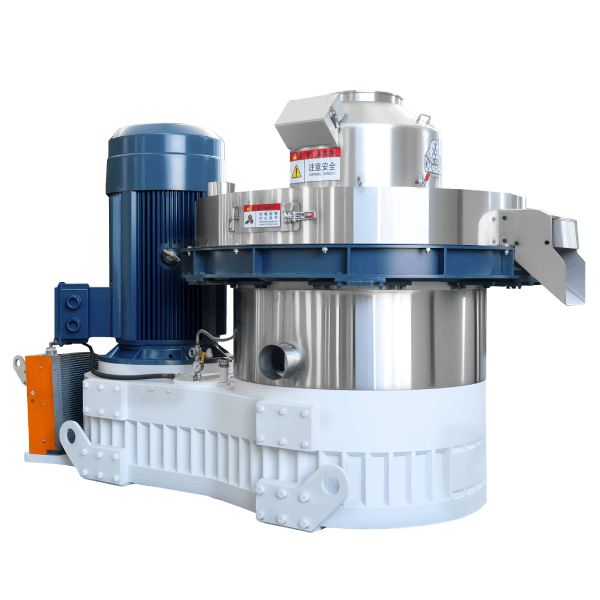
Cost Control Strategies
1. Optimize Container Utilization
| Strategy | Benefit |
|---|---|
| Size the container correctly | 20-ft vs. 40-ft; don’t overpay |
| Maximize container capacity | Plan packing to avoid wasted space |
| Ship multiple units together | Reduce per-unit freight cost |
| Use high-cube containers | For tall equipment; avoids flat rack costs |
2. Plan Shipment Timing
| Strategy | Benefit |
|---|---|
| Avoid peak season | Lower rates in Q1 and Q4 |
| Avoid Chinese New Year | Sailing availability; lower rates outside holiday |
| Book early | Secure better rates and space |
3. Consider Consolidation
| Strategy | Benefit |
|---|---|
| LCL for small shipments | Only pay for space used |
| Group with other importers | Better rates for multiple shippers |
| Consolidate with other equipment | Better shipping economies |
4. Negotiate Freight Rates
| Strategy | Benefit |
|---|---|
| Use freight forwarder with volume | Better rates through forwarding partners |
| Request multiple freight quotes | Compare and negotiate |
| Consider annual contracts | Better rates for regular shipments |
| Use “all-in” rates | Avoid surcharge surprises |
5. Documentation Efficiency
| Strategy | Benefit |
|---|---|
| Prepare accurate documentation | Avoid clearance delays and demurrage |
| Confirm HS code classification | Accurate tariff classification; avoid fines |
| Use electronic documentation | Faster processing |
Procurement Checklist: Shipping Cost Planning
Pre-Purchase Planning
- Confirm shipping destination (port/city address)
- Determine preferred Incoterm (FOB or CIF)
- Estimate equipment dimensions and weight
- Identify required container size
- Research import duties and taxes in destination country
- Establish project timeline for shipping
Supplier Communication
- Request equipment dimensions and weight
- Confirm export packing details and specifications
- Request documentation from supplier
- Clarify Incoterm and shipping arrangement
Logistics Arrangement
- Obtain freight quotes from multiple forwarders
- Compare FOB vs. CIF cost differences
- Arrange cargo insurance
- Confirm local clearance process and agent
- Plan inland transportation from destination port
During Shipment
- Track shipment status
- Monitor for delays or changes
- Prepare import documentation
- Arrange payment for destination charges
Frequently Asked Questions
1. What is the typical shipping cost for a pellet mill overseas?
Shipping costs vary significantly by destination, equipment size, and container type. For a standard pellet mill in a 20-ft container, sea freight from China to most destinations ranges from $1,000 to $3,500. Total logistics costs (including inland transport, insurance, and destination charges) typically add 5-15% to the equipment price.
2. What is the difference between FOB and CIF shipping?
FOB (Free On Board) means the buyer pays for ocean freight and insurance. CIF (Cost, Insurance, Freight) means the supplier includes these costs in the price. FOB gives the buyer more control over shipping arrangements; CIF simplifies the process for the buyer but may include supplier margins.
3. Can a complete pellet mill be shipped in a 20-ft container?
Yes, many mid-sized pellet mills (2-4 t/h) fit in a 20-ft container. Larger machines (8-12 t/h) require a 40-ft or possibly a flat rack container. Confirm dimensions with the supplier before finalizing container choice.
4. How long does sea freight take from China?
Sea freight transit times range from 10-18 days to Southeast Asia, 18-30 days to the Middle East, 25-40 days to Africa and Europe, and 18-40 days to North America. Allow additional time for port loading, unloading, customs clearance, and inland transport.
5. Should I buy shipping insurance?
Yes. Cargo insurance is strongly recommended for all international shipments of industrial equipment. The cost is typically 0.3-1.0% of the insured value—a small premium for protection against significant loss.
6. What are container detention and demurrage charges?
Detention charges apply when the container is held after the agreed free time at the destination. Demurrage charges apply when the container is held at the port terminal. These can add $50-150 per day—so planning for efficient unloading and return is important.
7. Can I ship a pellet mill by air freight?
While technically possible, air freight is cost-prohibitive for complete pellet mills. Air freight rates are typically 5-10 times higher than sea freight. Air freight is suitable only for emergency spare parts or very small shipments.
8. What documents are needed for pellet mill shipping?
Required documents typically include: commercial invoice, packing list, bill of lading, certificate of origin, export customs declaration, and any specific import permits required by the destination country. The supplier should provide export documentation; the buyer manages import documentation.
About the Author
Zhang Wei – Senior International Sales Engineer, Shandong Changsheng Machinery Co., Ltd.
Zhang Wei has over 12 years of experience in the biomass and feed pellet mill industry, with a background in mechanical engineering and international project execution. He has managed pellet mill supply projects for clients across Southeast Asia, the Middle East, Africa, Europe, and Latin America, with extensive experience in international logistics, shipping arrangements, and export documentation.
With hands-on experience in both the manufacturing workshop and client-side operations, Zhang brings practical insights into successful equipment procurement—from the factory floor to the customer’s production site.