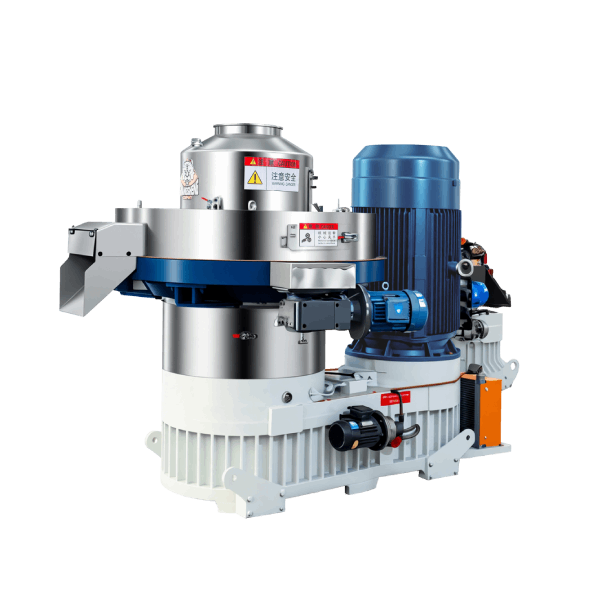
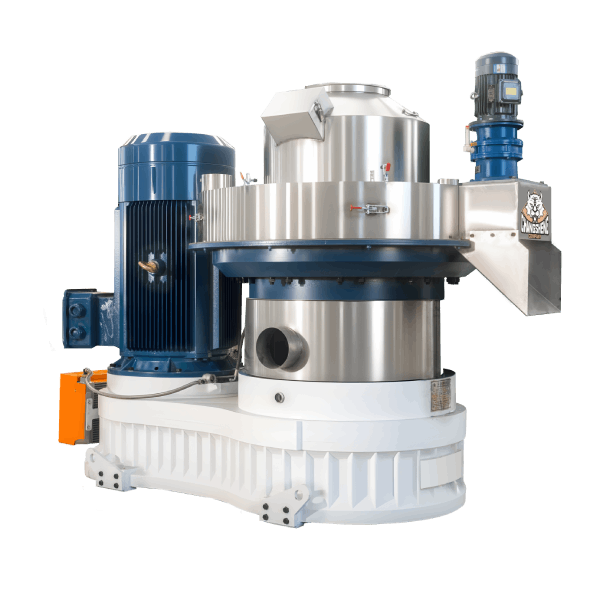
Pellet Mill After Sales Support and Warranty: Complete Buyer’s Guide
News 2026-07-16
Page SEO Summary: This procurement guide helps buyers evaluate pellet mill after sales support and warranty—covering service capabilities, warranty terms, international support execution, and practical strategies for ensuring long-term operational reliability.
A pellet mill is a significant capital investment. But the purchase price is only the beginning. Over the machine’s lifetime, the quality of after sales support and warranty will determine how smoothly operations run, how quickly problems are resolved, and how much unplanned downtime the plant experiences.
For international buyers, the stakes are even higher. When the supplier is located thousands of miles away, after sales support is not a convenience—it is a necessity. Yet many procurement evaluations focus almost exclusively on equipment specifications and price, treating after sales support as an afterthought.
This is a costly mistake. A pellet mill with poor after sales support is a machine that is one breakdown away from weeks of lost production. A pellet mill with excellent after sales support, on the other hand, is a machine that can be quickly restored to operation with minimal disruption.
This guide provides procurement professionals with a systematic framework for evaluating pellet mill after sales support and warranty—understanding what to expect, what to negotiate, and how to verify supplier claims.
Why After Sales Support Matters in Pellet Mill Procurement
The importance of after sales support varies by industry, but for industrial pellet mills operating in remote locations or with tight production schedules, it is critical.
The Cost of Poor Support
| Consequence | Typical Impact |
|---|---|
| Extended downtime | Production loss of $500-$5,000+ per hour depending on line size |
| Unresolved technical issues | Recurring problems and quality defects |
| Spare parts unavailability | Extended downtime waiting for components |
| Frustrated operations team | Morale impact and potential for operator errors |
| Damage to supplier relationship | Limited recourse, difficult future negotiations |
The Value of Good Support
| Benefit | Impact |
|---|---|
| Rapid problem resolution | Minimized downtime |
| Proactive maintenance guidance | Extended equipment life |
| Reliable spare parts supply | Reduced downtime risk |
| Technical advice and training | Better operational performance |
| Trust and partnership | Smoother future collaboration |
Core Elements of After Sales Support
A comprehensive after sales support program for pellet mills includes several key components.
1. Technical Support
| Support Type | Description | Typical Delivery |
|---|---|---|
| Installation guidance | Technical direction for equipment setup | On-site supervisor or remote guidance |
| Commissioning support | Startup assistance and optimization | On-site engineer |
| Phone/email support | Troubleshooting and operational advice | Remote; 24-hour response target |
| Video support | Visual guidance for issue diagnosis | Remote; increasingly common |
| On-site visits | In-person support for major issues | Arranged as needed (costs vary) |
2. Training
| Training Type | Audience | Content |
|---|---|---|
| Operator training | Machine operators | Startup, shutdown, adjustments, basic troubleshooting |
| Maintenance training | Maintenance team | Inspection, lubrication, component replacement |
| Technical training | Engineering team | In-depth machine knowledge, advanced troubleshooting |
Procurement Insight: Training should be included in the scope of supply for the initial purchase. Confirm how long the training lasts, where it occurs (supplier factory or customer site), and which personnel should attend.
3. Spare Parts Supply
| Service Element | Description |
|---|---|
| Parts availability | Guaranteed availability of key spare parts |
| Parts identification | Clear parts catalog and order process |
| Lead time | Standard and express delivery options |
| Recommended parts | Supplier recommendation for initial spare parts kit |
4. Documentation
| Document Type | Purpose |
|---|---|
| Operation manual | Step-by-step operating instructions |
| Maintenance manual | Scheduled maintenance and service procedures |
| Parts catalog | Exploded view with parts numbers and descriptions |
| Electrical schematic | Wiring diagrams for control and power systems |
| Layout and foundation drawings | Installation reference |
Warranty: Understanding the Coverage
Warranty is the formal, legally binding component of after sales support. Understanding its terms is essential for assessing risk and negotiating effectively.
Warranty Duration Options
| Duration | Industry Position | Typical Supplier Confidence |
|---|---|---|
| 12 months | Standard | Baseline commitment |
| 18 months | Above standard | Good quality confidence |
| 24 months (2 years) | Significantly above standard | High quality confidence |
| 36 months | Premium | Very high confidence (uncommon) |
Note: Most warranties run from the date of commissioning or the date of shipment, whichever comes first. Negotiate for commissioning-based timing, especially for projects with significant shipping and installation lead times.
Warranty Scope: Inclusions and Exclusions
| Coverage Element | Typically Included | Typically Excluded |
|---|---|---|
| Mechanical components | Yes | Wear parts (dies, rollers) |
| Electrical components | Yes | Consumables (belts, filters) |
| Motors | Yes | Damage from misuse |
| Gearbox | Yes | Damage from improper maintenance |
| Control system | Yes | Damage from power issues |
| Installation labor | Limited (30-90 days) | Most labor after initial period |
| Travel costs | Varies | Often buyer responsibility |
Warranty Exclusions: What to Watch For
| Exclusion | Why It Matters | How to Address |
|---|---|---|
| Wear parts exclusion | Dies, rollers, hammers are significant operating costs | Plan operating budget accordingly; negotiate on die life |
| Operator error exclusion | Broad definition could cover many issues | Ensure operator training is comprehensive |
| Improper maintenance exclusion | Maintenance records required to claim | Implement maintenance documentation system |
| Non-OEM parts exclusion | Using other parts voids warranty | Ensure OEM parts pricing is competitive |
| Consequential damage exclusion | Loss of production is often not covered | Consider business interruption insurance |
International After Sales Support: Special Considerations
When buying a pellet mill from an overseas supplier, after sales support requires additional attention.
International Support Challenges
| Challenge | Impact | Mitigation |
|---|---|---|
| Time zone differences | Delayed response times | Confirm support hours; establish escalation process |
| Language barriers | Miscommunication | Confirm support in your language; use written communication |
| Travel distance | High cost for on-site support | Use remote support where possible; negotiate cost sharing |
| Customs and logistics | Delayed spare parts | Stock critical spares; plan ahead |
| Legal jurisdiction | Difficult warranty enforcement | Clear contract terms; consider performance guarantees |
What to Request from International Suppliers
| Request | Why It Matters |
|---|---|
| Local technical support | Do they have representatives or agents in your region? |
| Remote support capability | Can they diagnose issues via video or remote access? |
| Standardized documentation | Are manuals available in your language? |
| Local spare parts stock | Do they stock parts in your region? |
| Clear claims process | How are warranty claims handled internationally? |
| Response time commitment | What is the guaranteed response time? |
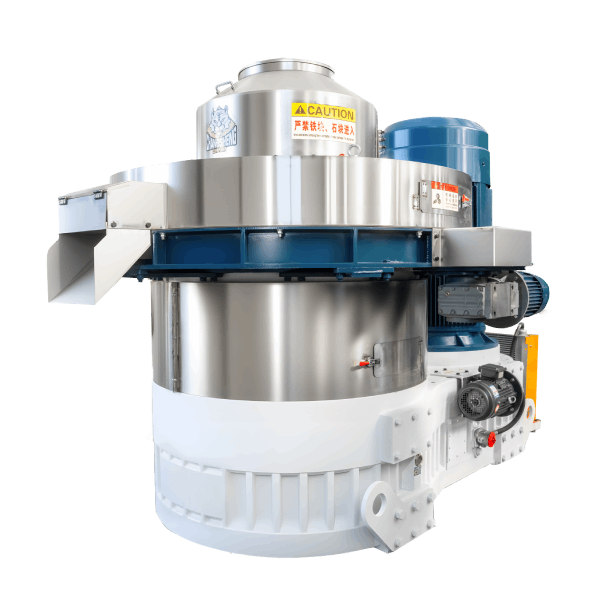
Supplier Assessment: Evaluating After Sales Support
Evaluating a supplier’s after sales support capability requires direct inquiry and verification.
Questions to Ask During Supplier Evaluation
| Category | Questions |
|---|---|
| Organization | How large is the service team? Where are they based? |
| Experience | How many machines have they installed in your region? |
| Process | What is the process for reporting and handling issues? |
| Response times | What is the target response time for different issues? |
| Parts availability | How are spare parts stocked and shipped? |
| Training | How is operator and maintenance training delivered? |
| Documentation | What documentation is provided? In what language? |
| References | Can we speak with customers about your after sales support? |
Red Flags in After Sales Support
| Red Flag | What It Indicates |
|---|---|
| Vague responses about support structure | Service capability is likely limited |
| No service staff in your region | High cost and long delays for on-site visits |
| Unwillingness to provide references | Previous customers may have had issues |
| Poor pre-sales communication | After-sales will likely be worse |
| No clear spare parts policy | Parts availability may be unreliable |
| Warranty exclusions not specified | Later disputes about coverage likely |
Spare Parts Strategy for Long-Term Operations
A well-planned spare parts strategy is an essential complement to the supplier’s warranty and after sales support.
Recommended Spare Parts for Pellet Mills
| Spare Part | Recommendation | Rationale |
|---|---|---|
| Die | 1-2 additional sets (different sizes if applicable) | Highest wear item; critical for production |
| Roller shells | 2-4 sets | High wear; frequent replacement needed |
| Main shaft bearings | 1 set | Long lead time; failure stops production |
| Roller bearings | 2-4 sets | Regular replacement item |
| Drive belts | 1-2 sets | Consumable; failure stops production |
| Limit switches, sensors | 1-2 of each | Common failure points; inexpensive |
| Controller spare | 1 unit (for PLC systems) | Critical for automation; long lead time |
Spare Parts Ordering Strategies
| Strategy | Description | Advantage |
|---|---|---|
| Initial kit order | Order recommended spares with main equipment | Lower prices; guaranteed compatibility |
| Maintenance stock | Maintain minimum stock levels | Rapid response to failures |
| Consignment stock | Supplier stocks parts at your site | Pay only when used |
| Contractual agreement | Supplier commits to parts availability | Long-term security |
Service Agreements Beyond Warranty
After the warranty period ends, service agreements provide continued support.
Service Agreement Types
| Agreement Type | Coverage | When to Consider |
|---|---|---|
| Time and materials | Support charged by hour/part | Occasional support needs |
| Annual service contract | Regular preventive maintenance | Continuous operation; critical application |
| Extended warranty | Warranty coverage beyond initial period | Risk-averse operations |
| Spare parts contract | Guaranteed parts supply | Remote locations; limited supplier access |
What to Negotiate in Service Agreements
- Response time commitments
- Cost structure (fixed fee vs. time and materials)
- Parts pricing (discount on list price)
- Training allowances
- Upgrade and modernization options
Procurement Checklist: After Sales Support and Warranty
Pre-Purchase Assessment
- Supplier service team size and location assessed
- Regional support availability confirmed
- Response time commitments obtained
- Reference calls conducted on support quality
Warranty Review
- Warranty duration confirmed in writing
- Start date (shipment vs. commissioning) clarified
- Coverage scope verified
- Exclusions reviewed and understood
- Claim process understood
Spare Parts Planning
- Recommended initial spare parts identified
- Parts catalog requested and reviewed
- Lead times for parts confirmed
- Spare parts pricing obtained
Training Plan
- Operator training confirmed
- Maintenance training confirmed
- Training location and duration confirmed
- Training materials provided
Documentation
- Operation manual requested
- Maintenance manual requested
- Parts catalog requested
- Electrical schematics requested
Frequently Asked Questions
1. What is the standard warranty period for a pellet mill?
The industry standard is typically 12 months from commissioning or 18 months from shipment, whichever comes first. Some suppliers offer extended warranty periods up to 24-36 months as a competitive advantage.
2. What does a typical pellet mill warranty cover?
A standard warranty covers parts and labor for mechanical and electrical components, including the main shaft, gearbox, bearings, motors, and control system. Wear parts (dies, rollers, hammers, screens, belts) are typically excluded.
3. Are wear parts ever covered under warranty?
Generally, no. However, some suppliers offer prorated coverage if wear parts fail prematurely. This should be negotiated specifically and documented in the contract.
4. How does warranty work for international buyers?
Warranty claims for international buyers typically involve the supplier sending replacement parts via courier, with costs depending on the warranty terms. For complex issues, the supplier may send an engineer on-site. Confirm the exact process and cost sharing with the supplier before purchase.
5. What training should be included with a new pellet mill?
Operator training should cover startup, shutdown, operational adjustments, cleaning, and basic troubleshooting. Maintenance training should cover lubrication, inspection, component replacement, and safety. Technical training may be needed for engineering staff.
6. How should I handle spare parts for a pellet mill?
Order initial spare parts with the main equipment to secure compatibility and lower pricing. Stock critical parts (dies, rollers, bearings, belts, sensors) based on supplier recommendations. Maintain a minimum stock level to reduce downtime risk.
7. What if the supplier is not responsive to warranty claims?
This risk is mitigated by thorough pre-purchase supplier evaluation, clearly documented warranty terms, and references from previous customers. For large contracts, consider performance guarantees or payment release tied to warranty performance.
8. Can I extend the warranty beyond the standard period?
Yes, many suppliers offer extended warranty or service agreement options. These are typically purchased separately and provide continued coverage and support after the standard warranty period.
About the Author
Zhang Wei – Senior International Sales Engineer, Shandong Changsheng Machinery Co., Ltd.
Zhang Wei has over 12 years of experience in the biomass and feed pellet mill industry, with a background in mechanical engineering and international project execution. He has managed pellet mill supply projects for clients across Southeast Asia, the Middle East, Africa, Europe, and Latin America, with extensive experience in after sales support, warranty negotiation, and customer service.
With hands-on experience in both the manufacturing workshop and client-side operations, Zhang brings practical insights into successful equipment procurement—from the factory floor to the customer’s production site.