Pellet Mill Container Loading Supervision 0.5-5t/h | Logistics Guide
News 2026-07-03
Product Definition
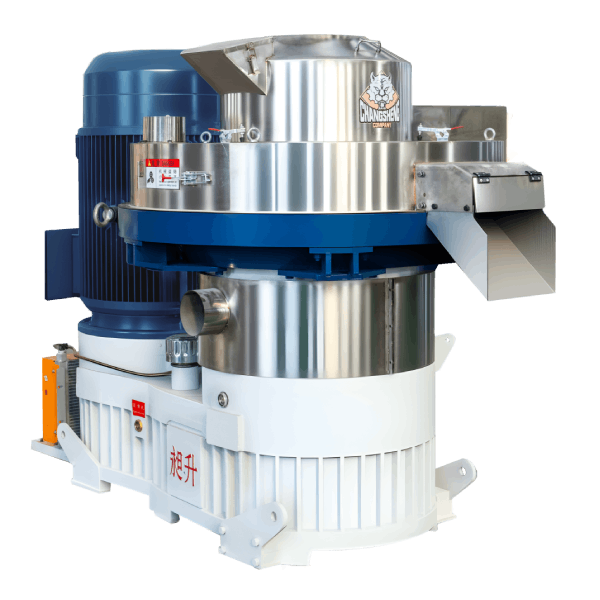
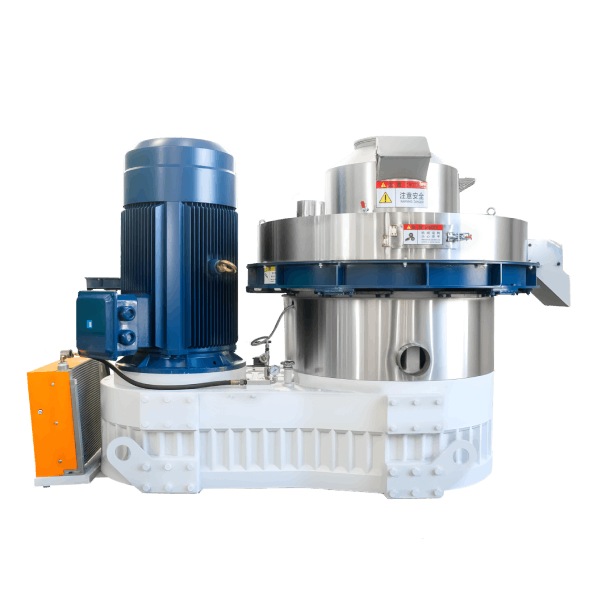
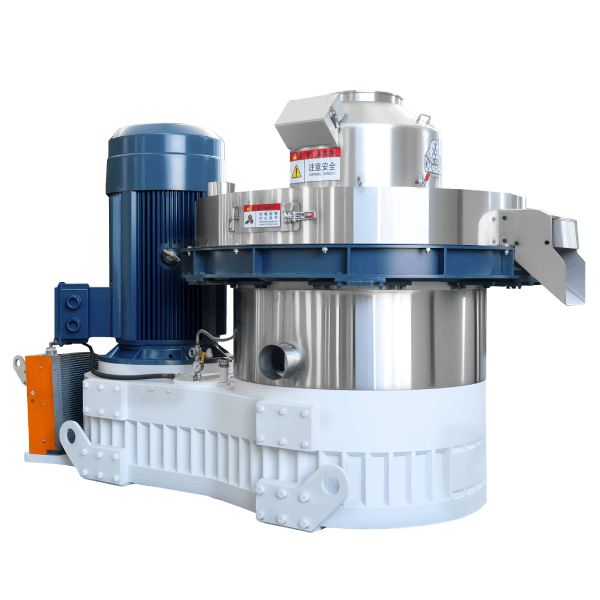
Pellet mill container loading supervision refers to the on-site inspection and verification process during the packing and containerisation of pellet mills for export shipment. This service ensures that ring die pellet mills with capacities from 0.5 to 5.0 tonnes per hour are properly packed, secured, and documented before departure from the manufacturing facility, minimising shipping damage and logistics disputes.
Technical Specifications & Performance Parameters
| Parameter | Value Range / Specification |
|---|---|
| Throughput capacity | 0.5 – 5.0 t/h (feedstock-dependent) |
| Main motor power | 55 – 160 kW (IE3 / IE4 compatible) |
| Ring die inner diameter | 400 – 800 mm |
| Pellet diameter | 6 – 12 mm (customisable) |
| Pellet bulk density | 600 – 750 kg/m³ |
| Raw material moisture | 12% – 18% (optimal: 14% – 16%) |
| Specific energy consumption | 26 – 35 kWh/t |
| Die service life | 800 – 1,200 hours |
| Roller shell service life | 600 – 900 hours |
| Maintenance man-hours | 4 – 6 h / month |
Structural Composition & Material Selection
The supervised loading process covers all machine subsystems with defined packing specifications:
Mechanical System – Packing
- Ring die: Bubble wrap + wooden crate, desiccant included
- Roller shells: Oil-coated, plastic wrapping, individual boxes
- Main shaft: Rust inhibitor + plastic sleeve + wooden support
- Gearbox: Oil drained, inlet/outlet sealed, wooden frame
- Spare parts: Plastic bags + carton boxes + crate
Packing Materials
- Wooden crates: Heat-treated (ISPM 15 compliant) for international shipping
- Plastic wrapping: Industrial-grade, UV-resistant
- Desiccant: Silica gel packets (moisture control)
- Dunnage: Inflatable bags or wooden blocks for securing
Documentation
- Packing list: Itemised contents per crate
- Bill of lading: Container and shipment details
- Commercial invoice: Value and description
- Inspection report: Condition before loading
Manufacturing Process – Engineering Workflow
Step 1 – Machine Preparation for Shipping
Oil drained from gearbox. Exposed surfaces coated with rust inhibitor. Loose components removed and packed separately. Machine cleaned and inspected.
Step 2 – Component Packing
Large components (main body, motor, gearbox) crated with wooden supports. Small parts (bearings, bolts, tools) packed in cartons. Desiccant placed in each crate.
Step 3 – Crate Marking and Documentation
Crates marked with: supplier name, customer name, order number, crate number, weight, and handling instructions. Packing list prepared.
Step 4 – Container Preparation
Container inspected for cleanliness and damage. Floor checked for structural integrity. Container number recorded.
Step 5 – Loading & Securing
Crates loaded according to loading plan – heavy items on bottom, light on top. Dunnage placed between crates. Cargo strapped and braced to prevent movement.
Step 6 – Container Sealing & Documentation
Container sealed with high-security seal. Seal number recorded. Loading photos taken. Bill of lading issued.
Industry Comparison – Loading Supervision Options
| Supervision Type | Cost | Coverage | Risk Level | Typical Application |
|---|---|---|---|---|
| Full Supervision | $200 – $500 | Complete process | Low | First orders, high value |
| Partial Supervision | $100 – $300 | Key stages | Medium | Experienced buyers |
| Video/Photo Supervision | $50 – $150 | Visual only | Medium-High | Budget-constrained |
| No Supervision | $0 | None | High | Repeat orders, trusted suppliers |
Differentiation (Shandong Changsheng Machinery):
Comprehensive loading supervision includes pre-loading inspection, packing verification, container inspection, loading observation, and documentation review. Photographic record of each stage. Detailed loading report with photos provided to buyer. Optional third-party inspection service (SGS, Bureau Veritas) available. Supervised loading reduces shipping damage claims by 80%–90% compared to unsupervised shipments.
Application Scenarios by Buyer Role
Distributors / Importers
Ensuring machines arrive in saleable condition. Protecting investment and reducing warranty claims.
EPC Contractors
Verifying equipment condition before shipment to project site. Ensuring complete delivery per contract.
Engineering Consultants / Technical Advisors
Quality assurance for client procurement. Independent verification of packing and shipping standards.
End-user Production Facilities
First-time buyers or high-value orders. Ensuring capital equipment arrives intact and complete.
Core Pain Points & Engineering Solutions
Pain Point 1 – Shipping damage from inadequate packing
Root cause: Improper packing or insufficient bracing during container transport.
Solution: Supervised packing and loading ensures correct procedures. Heavy-duty crates and proper dunnage minimise movement damage.
Pain Point 2 – Missing components on arrival
Root cause: Incomplete packing lists or items packed separately without documentation.
Solution: Detailed packing list verified during supervision. Photos of each crate and contents. Container seal recorded.
Pain Point 3 – Customs delays from documentation errors
Root cause: Incorrect or incomplete shipping documentation.
Solution: Documentation verification during supervision. All documents checked before container sealing.
Pain Point 4 – Disputes over damage responsibility
Root cause: No pre-shipping condition records – damage blamed on supplier or shipping line.
Solution: Pre-loading inspection photos. Loading process photos. Condition report signed before container seal.
Critical Risk Warnings & Mitigation Measures
Risk 1 – Container water ingress during sea transport
Mitigation: Container inspection before loading. Plastic wrapping and desiccant in each crate. Container seal verified.
Risk 2 – Cargo shifting during transport
Mitigation: Proper dunnage and strapping. Loading plan with centre of gravity calculation. Container not overloaded.
Risk 3 – Incorrect Incoterms for insurance coverage
Mitigation: Confirm insurance coverage (CIF, CIP, or buyer’s own). Insure for full replacement value. Document condition at loading.
Procurement Selection Guide – 7 Executable Steps
Step 1 – Define supervision scope
Full supervision (all stages) or partial (key stages). Specify third-party inspection if required.
Step 2 – Schedule supervision date
Coordinate with manufacturing completion and shipping schedule. Allow 1–2 days for packing and loading.
Step 3 – Request supervision documentation
Packing list format, loading report template, and photograph requirements. Confirm with supplier.
Step 4 – Verify container specification
Container type (20ft or 40ft), cleanliness, and structural condition. Container number and seal type.
Step 5 – Review packing specifications
Crate dimensions, weight limits, handling marks, and desiccant requirements. Confirm with supplier.
Step 6 – Confirm Incoterms and insurance
FOB, CIF, or EXW. Insurance coverage and claim procedure. Responsible party for shipping damage.
Step 7 – Receive and review loading report
Packing list, loading photos, container seal number, and inspection report. Retain for customs and insurance.
Engineering Case Study – First-Time Import to Nigeria
Project Background
A Nigerian distributor ordered two pellet mills (2.5 t/h each) from China – total value $120,000. First direct import from Chinese supplier. Shipping damage risk was a major concern.
Initial Problem
Distributor had previous experience with shipping damage from another supplier – claims process took 6 months with partial recovery.
Root Cause Analysis
Previous shipment lacked loading supervision. Inadequate packing and poor container bracing caused damage.
Solution Implemented
Engaged Shandong Changsheng loading supervision service. Pre-loading inspection. Photographic record at each stage. Container inspection before loading. Third-party verification.
Final Data Results
| Metric | Previous Shipment (No Supervision) | Current Shipment (Supervised) |
|---|---|---|
| Shipping damage claims | $8,500 | $0 |
| Missing components | 3 items | 0 items |
| Customs clearance time | 14 days | 5 days |
| Insurance claim status | Partial (6 months) | N/A |
| Customer satisfaction | Low | High |
Frequently Asked Questions (FAQ)
1. What does container loading supervision include?
Pre-loading inspection, packing verification, container inspection, loading observation, and documentation review.
2. How long does loading supervision take?
Typically 4–8 hours depending on shipment size. Allow 1–2 days for complete process.
3. Is third-party inspection available?
Yes – SGS, Bureau Veritas, or other inspection agencies can be engaged.
4. What documentation is provided after supervision?
Packing list, loading report with photos, container seal number, and condition report.
5. How much does loading supervision cost?
$200 – $500 depending on scope and location.
6. Can I supervise loading remotely?
Yes – video and photo supervision available. Full on-site supervision is recommended for high-value orders.
7. What are the key packing materials required?
Wooden crates (ISPM 15 certified), plastic wrapping, desiccant, and dunnage (inflatable bags or wooden blocks).
8. What is the container seal for?
Security – ensures container not opened after sealing. Record seal number for customs and insurance.
9. Who is responsible for shipping insurance?
Depends on Incoterms (CIF, FOB, EXW). Confirm before shipping.
10. What happens if damage occurs during shipping?
Insurance claim based on inspection report and loading photos. Document condition at loading.
11. Can I specify packing requirements?
Yes – packing specifications can be customised. Confirm with supplier before manufacturing complete.
12. What is the best container type for pellet mills?
20ft or 40ft container depending on machine dimensions. 40ft flat rack for oversized equipment.
Author & E-E-A-T Credentials
Author: Dr. Chen Wei
Title: Senior Mechanical Engineer, Pelletising Systems Division
Experience: 14 years in biomass densification and feed processing equipment design
Notable Projects:
- Supervised loading and shipping for 40+ export orders to Africa, Asia, and Europe (2015–2025)
- Developed packing and loading protocol for international pellet mill shipments
- Co-author of “Industrial Pellet Mill Maintenance and Optimisation” (Engineering Press, 2022)
Affiliation: Shandong Changsheng Machinery Co., Ltd.