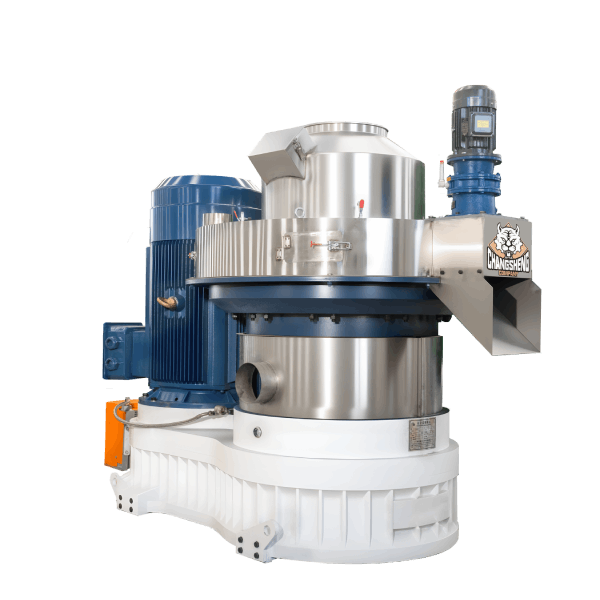
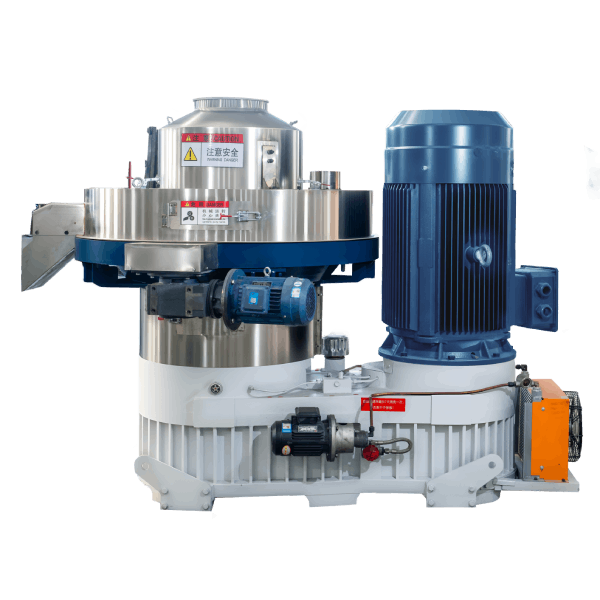
Pellet Machine Motor Coupling Rubber 30-160kW | Drive Component Guide
News 2026-06-27
Product Definition
A pellet machine motor coupling rubber is an elastic damping element installed in the flexible coupling between the electric motor and the gearbox input shaft. The rubber element absorbs torsional vibrations, compensates for minor shaft misalignment, and transmits torque from the motor to the pellet mill drive train while reducing shock loads during starting and operation.
Technical Specifications & Performance Parameters
| Parameter | Value Range / Specification |
|---|---|
| Throughput capacity | 0.5 – 5.0 t/h (feedstock-dependent) |
| Main motor power | 30 – 160 kW (IE3 / IE4 compatible) |
| Coupling type | Spider coupling (jaw type), tyre coupling, or pin-bush coupling |
| Rubber element type | Spider insert, tyre element, or bush set |
| Rubber hardness (Shore A) | 80 – 95 (depending on torque rating) |
| Operating temperature range | -30°C to +100°C |
| Maximum speed (coupling) | 1,500 – 3,000 rpm |
| Torque transmission | 200 – 2,500 Nm (depending on coupling size) |
| Damping characteristic | 15% – 30% vibration reduction |
| Misalignment compensation | Angular: 0.5° – 1.5°; Parallel: 0.2 – 0.5mm |
| Rubber element design life | 5,000 – 8,000 operating hours |
| Replacement time | 30 – 60 minutes |
| Rubber material | Natural rubber (NR), Neoprene (CR), or Polyurethane (PU) |
| Maintenance man-hours | 0.5 h / month (visual inspection) |
Structural Composition & Material Selection
The motor coupling rubber comprises precision-engineered components with defined material grades:
Coupling Rubber Element
- Spider insert: Polyurethane or Neoprene – injection moulded, Shore A 80–95
- Tyre element: Natural rubber with fabric reinforcement – vulcanised
- Pin bushings: Neoprene rubber with steel outer sleeve
Coupling Hubs
- Motor side hub: Forged steel or cast iron – keyed to motor shaft
- Gearbox side hub: Forged steel or cast iron – keyed to input shaft
Associated Components
- Retaining bolts: Grade 8.8 or 10.9 (M8 – M20)
- Split taper bushings: For easy removal (optional)
Installation Accessories
- Alignment tool: Dial gauge or laser alignment tool
- Rubber insertion lubricant: Soap solution or silicon spray (for spider insertion)
Manufacturing Process – Engineering Workflow
Step 1 – Raw Material Preparation
Polyurethane or rubber compounds mixed with curing agents and reinforcements. Moulds prepared for injection moulding or compression moulding.
Step 2 – Moulding & Curing
Injection moulding (spider inserts) or compression moulding (tyre elements). Curing at 150–180°C for 5–15 minutes. Post-curing (24 hours) for stabilisation.
Step 3 – Finishing & Inspection
Flash removal. Dimensional inspection (±0.5mm tolerance). Hardness testing (Shore A). Visual inspection for voids or defects.
Step 4 – Assembly & Packaging
Rubber element packaged with installation instructions. Coupling hubs packaged separately (if supplied as complete coupling).
Step 5 – Quality Control
Torque transmission test sample batch. Hardness certificate (each batch). Dimensional certificate (each element).
Industry Comparison – Rubber Coupling Options
| Coupling Type | Damping | Misalignment Compensation | Maintenance | Cost | Typical Application |
|---|---|---|---|---|---|
| Spider Coupling Rubber | Moderate | Moderate | Low | Low | Standard motor-gearbox connection |
| Tyre Coupling Rubber | High | High | Low-Medium | Medium | High-vibration applications |
| Pin-Bush Coupling Rubber | Low | Low | Low | Low | Simple fixed alignment |
| Grid Coupling (Metal) | Low | Low | Low | Medium | High-torque, fixed alignment |
Differentiation (Shandong Changsheng Machinery):
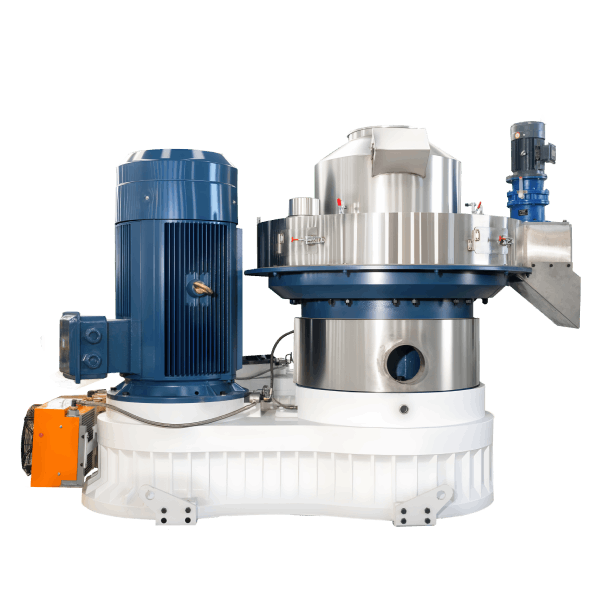
Our motor coupling rubber elements are manufactured from premium polyurethane or Neoprene with controlled Shore A hardness (80–95) for consistent torque transmission and vibration damping. Spider inserts are precision-moulded to ISO 14230 dimensions for interchangeability. Tyre couplings feature fabric reinforcement for increased strength and tear resistance. Each element is hardness-tested and supplied with dimensional certification.
Application Scenarios by Buyer Role
Distributors / Importers
Focus on rubber element compatibility with standard coupling sizes. Require hardness and dimensional data for cross-referencing.
EPC Contractors
Integrating motor coupling into drive train design. Need coupling dimensions, torque ratings, and alignment specifications for system design.
Engineering Consultants / Technical Advisors
Evaluate rubber element life and vibration damping performance. Require hardness and damping data for drive train analysis.
End-user Production Facilities
Operating with variable torque loads. Demand reliable rubber coupling elements with consistent vibration damping and long service life.
Core Pain Points & Engineering Solutions
Pain Point 1 – Rubber element wear causing vibration
Root cause: Rubber hardens or cracks over time – reducing damping and increasing vibration transfer to gearbox.
Solution: Premium polyurethane with controlled hardness maintains damping. Replace rubber element at 5,000–8,000 hours or when cracked.
Pain Point 2 – Coupling misalignment causing rubber failure
Root cause: Motor or gearbox movement causes misalignment – overloading rubber element.
Solution: Soft foot correction. Laser alignment when installing. Flexible coupling absorbs up to 1.5° angular misalignment.
Pain Point 3 – Heat damage to rubber element
Root cause: Gearbox heat transfer raises coupling temperature above 100°C – rubber hardens and cracks.
Solution: Neoprene (CR) or Viton rubber for high-temperature. Heat shield between gearbox and coupling.
Pain Point 4 – Rubber element shear failure
Root cause: Shock loading from start/stop causes rubber shear stress exceeding design limit.
Solution: VFD soft-start reduces shock load. Tyre coupling (higher load capacity than spider) for heavy-duty applications.
Critical Risk Warnings & Mitigation Measures
Risk 1 – Incorrect rubber hardness causing over/under damping
Mitigation: Use specified Shore A hardness. Too soft – rubber over-flexes, reduces torque capacity. Too hard – reduces damping. Check hardness before installation.
Risk 2 – Coupling misalignment after rubber replacement
Mitigation: Re-align motor to gearbox after rubber element replacement. Use dial gauge (≤0.05mm radial, ≤0.1mm axial). Laser alignment recommended.
Risk 3 – Rubber element contamination by oil
Mitigation: Protect coupling from oil leaks. Install splash guard if oil leak risk. Oil causes rubber swelling and degradation – replace oil-resistant Neoprene.
Procurement Selection Guide – 7 Executable Steps
Step 1 – Identify coupling type and rubber element required
Record coupling manufacturer, type, and size. Check motor and gearbox shaft sizes (diameter and keyway dimensions).
Step 2 – Verify torque rating
Coupling torque rating must exceed motor torque (typically 1.5–2× motor torque). Confirm with coupling specification.
Step 3 – Select rubber material
Polyurethane: standard, good wear resistance. Neoprene: oil-resistant, moderate temperature. Natural rubber: high damping but lower temperature.
Step 4 – Confirm Shore hardness
80–85 for general applications. 90–95 for high-torque applications. Consult coupling manufacturer specification.
Step 5 – Verify coupling dimensions
Hub diameter, overall length, shaft gap, spider outer diameter. Match to existing coupling.
Step 6 – Check coupling alignment requirement
Maximum misalignment (angular and parallel). Ensure coupling can accommodate your alignment tolerance.
Step 7 – Plan for periodic inspection
Visual inspection monthly. Hardness check annually (if possible). Replace rubber if cracked or hardened.
Engineering Case Study – Feed Mill in Vietnam
Project Background
A feed mill in Ho Chi Minh City operates a 90kW pellet mill with a spider coupling between motor and gearbox. Vibration levels at gearbox were high (12mm/s RMS), causing premature bearing wear.
Initial Problem
Gearbox bearings failed twice in 24 months – each failure costing $4,500 in parts and labour. Vibration at gearbox input measured 12–14mm/s (ISO 10816-3 alarm level: >11mm/s).
Root Cause Analysis
Original rubber spider had hardened (Shore A 95) after 6,000 hours – loss of damping. Motor/gearbox misalignment 0.3mm radial – exceeding coupling capability.
Solution Implemented
Replaced spider with Shandong Changsheng polyurethane spider (Shore A 80). Laser-aligned motor to gearbox (radial <0.05mm, axial <0.1mm). Installed vibration monitoring.
Final Data Results (12-month average)
| Metric | Before (Hard Spider, Misaligned) | After (Soft Spider, Aligned) |
|---|---|---|
| Vibration (gearbox input) | 13 mm/s RMS | 5 mm/s RMS |
| Gearbox bearing life | 9,000 h | 14,000 h (projected) |
| Rubber element life | 6,000 h | 8,000 h (projected) |
| Annual maintenance cost | $4,500 | $1,200 |
| Unplanned downtime (bearing failure) | 16 h/year | 0 h/year |
Frequently Asked Questions (FAQ)
1. What does the rubber element in a motor coupling do?
Transmits torque while absorbing torsional vibrations and compensating for minor shaft misalignment.
2. When should the rubber element be replaced?
Every 5,000–8,000 hours or when cracked, hardened, or showing visible wear. Monthly visual inspection.
3. What causes rubber element failure?
Heat degradation, oil contamination, overloading, shock loading, or misalignment.
4. What rubber material is recommended?
Polyurethane for general applications. Neoprene for oil exposure. Natural rubber for high damping.
5. How do I know if the rubber element is worn?
Cracks, hardening (hardness increased >5 Shore A), deformation, or increased vibration.
6. Can I replace just the rubber element?
Yes – the rubber element is the wear component. Hubs typically last the life of the machine.
7. What is the correct Shore hardness for the rubber element?
80–85 for general applications. 90–95 for high-torque. Consult coupling specification.
8. How long does rubber element replacement take?
30–60 minutes for skilled technician. No special tools required (basic hand tools).
9. Do I need to re-align the motor after rubber replacement?
Yes – re-align motor to gearbox after rubber replacement. Misalignment will reduce rubber life.
10. What is the difference between spider and tyre couplings?
Spider: simple, low cost, moderate damping. Tyre: higher damping, higher misalignment compensation, higher cost.
11. Can I use rubber elements from a different manufacturer?
Yes – if dimensions and hardness match the original specification. Cross-referencing required.
12. What is the warranty on rubber elements?
12 months or 5,000 hours (whichever occurs first) – subject to proper installation, alignment, and maintenance.
Author & E-E-A-T Credentials
Author: Dr. Chen Wei
Title: Senior Mechanical Engineer, Pelletising Systems Division
Experience: 14 years in biomass densification and feed processing equipment design
Notable Projects:
- Developed motor coupling rubber specification for 50+ pellet mills across Asia and Africa (2015–2025)
- Authored coupling selection and alignment guidelines for vibration reduction
- Co-author of “Industrial Pellet Mill Maintenance and Optimisation” (Engineering Press, 2022)
Affiliation: Shandong Changsheng Machinery Co., Ltd.