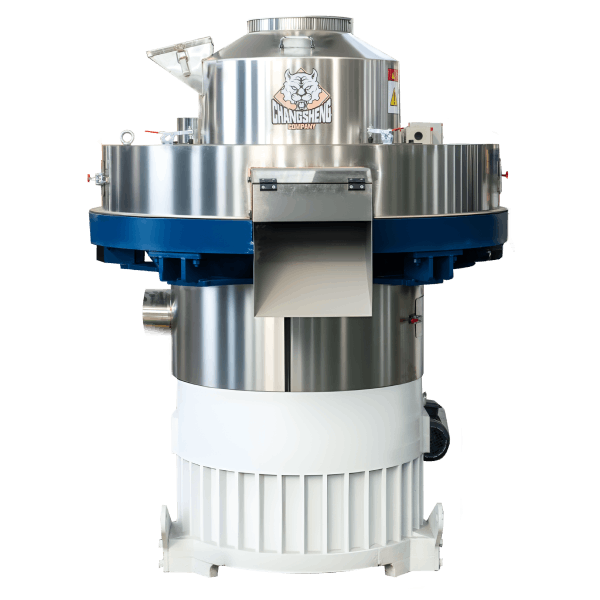
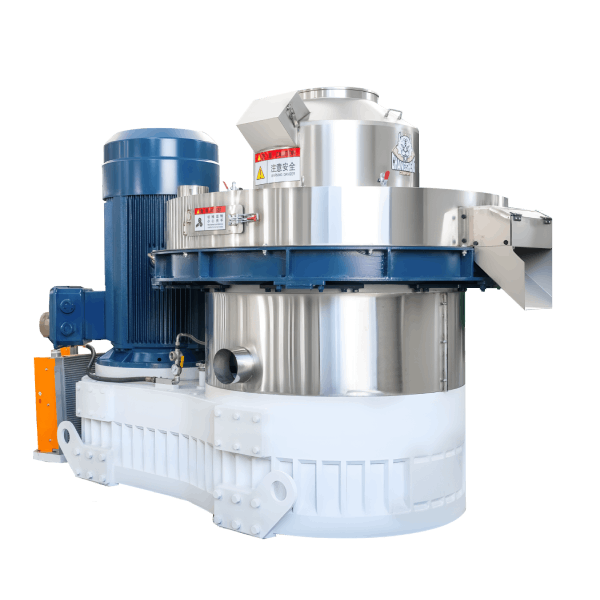
Pellet Machine with Magnetic Separator: Protect Your Die & Rollers
News 2026-05-09
1. Product Definition
A pellet machine with magnetic separator is a safety system that uses rare-earth magnets (neodymium) rated at 10,000-12,000 Gauss to capture ferrous tramp metal (nails, screws, bolts, grinding media) from raw material before it enters the pellet mill die, preventing catastrophic die and roller damage.
2. Technical Parameters & Specifications
| Parameter | Single Magnet | Double Magnet (Recommended) | Electromagnet |
|---|---|---|---|
| Magnetic strength | 8,000 – 10,000 Gauss | 10,000 – 12,000 Gauss | 12,000 – 15,000 Gauss |
| Configuration | Inlet chute or hopper | Primary + secondary (in series) | Continuous cleaning |
| Tramp metal capture efficiency | 85-95% | 95-99% | 98-99.5% |
| Maintenance | Clean daily | Clean each magnet daily | Self-cleaning (rotary) |
| Die life extension | +30-50% | +50-80% | +70-100% |
| Cost | 200–500 | $500 – 1,500 | $2,000 – 5,000 |
| Best for | Home, small farm | Commercial pellet plant | High-volume industrial |
| Pressure drop (material flow) | Negligible | Low (5-10% slower flow) | None |
For magnetic protection: Request a double-magnet package for your pellet mill.
3. Structure & Material Composition
Magnetic Separator Types
Plate Magnet (Inlet Chute)
- Construction: Stainless steel housing, neodymium magnets (rare-earth)
- Strength: 8,000-12,000 Gauss
- Installation: Angled chute (45-60°) ensures material slides over magnets
Grate Magnet (Hopper)
- Construction: Magnetic tubes (2-12 rows)
- Material flow: Falls through tubes
- Self-cleaning option: Hinged for easy removal
Drawer Magnet (Conveyor)
- Slide-out drawer with magnetic bars
- Easy cleaning (pull out, wipe metal, reinsert)
- Double-row for high efficiency
Rotary Magnet (Continuous)
- Magnetic drum rotates
- Self-cleaning: metal discharged separately
- For high-volume (5+ t/h)
Magnetic Strength Comparison
- Ferrite (ceramic): 2,000-3,000 Gauss (not sufficient)
- Neodymium (rare-earth): 8,000-12,000 Gauss (recommended)
- Electromagnet: up to 15,000 Gauss (energized)
4. Manufacturing Process (Engineering Steps)
Step 1 – Install Primary Magnet
Location: Hammer mill inlet (before grinding). Captures large tramp metal before hammer mill.
Step 2 – Install Secondary Magnet
Location: After hammer mill, before pellet mill (in chute or screw feeder). Captures metal pieces missed by primary magnet (especially small fragments from hammer mill wear).
Step 3 – Material Flow Design
Magnet chute angled 45-60°. Material depth <25mm (for effective capture). Avoid material bridging (use vibrator if needed).
Step 4 – Daily Cleaning Procedure
Stop material flow. Remove magnet drawer/plate. Wipe off collected metal (nails, screws, bolts, wire). Reinstall. Log findings.
Step 5 – Metal Detector (Optional)
For high-value mills, install metal detector + diverter valve after magnet. Rejects metal-contaminated material.
5. Industry Comparison
| Protection Level | Die Life | Risk of Tramp Metal Damage | Cost | Best For |
|---|---|---|---|---|
| No magnet | 100% baseline | High (certain damage if metal enters) | $0 | Home (if material pre-screened) |
| Single magnet (inlet) | +30-50% | Moderate (50% of metal captured) | $200-500 | Small farm |
| Double magnet | +50-80% | Low (95%+ captured) | $500-1,500 | Commercial (recommended) |
| Double magnet + detector | +70-100% | Very low (99%+ captured) | $2,000-6,000 | Industrial (24/7 operation) |
| Why Choose Shandong Changsheng | Double magnet standard | 10,000+ Gauss | Daily cleaning protocol | Die damage warranty |
Compare protection levels: Request a tramp metal risk assessment.
6. Application Scenarios (By Buyer Role)
Distributors / Importers
Need pellet machine with magnetic separator to reduce warranty claims (die damage #2 cause after moisture). Decision focus: double magnet standard, easy cleaning access, and replacement magnets.
EPC Contractors
Specifying pellet plants must include magnets per insurance requirements. Decision focus: two-stage separation, metal detector with diverter, and cleaning schedule.
Engineering Consultants / Technical Advisors
Advising clients on tramp metal protection. Decision focus: ROI (die cost $2k-6k, single metal event → die scrap), probability of metal in feedstock (reclaimed wood high risk, sawmill low risk).
End-user Facilities
Pellet plants (especially using reclaimed wood, pallets, construction waste). Decision focus: magnet cleaning frequency (daily), metal detector sensitivity, and diverter integration.
7. Core Technical Pain Points & Engineering Solutions
**Pain Point 1 – Tramp Metal Destroys Die (4,000in1Second)∗∗∗Problem:∗Screwfromreclaimedwoodentersdie.Rollerpressesscrewintodieholes→diecracked,rollergrooved.Replacement4,000 die + $1,000 rollers + 4 hours downtime.
Root cause: No magnetic separator.
Solution: Install double magnet (primary at hammer mill inlet, secondary at pellet mill inlet). 10,000+ Gauss strength.
Pain Point 2 – Magnet Not Cleaned (Metal Accumulates → Reduces Efficiency)
Problem: Magnet surface covered with metal fines. New metal passes through (magnet saturated). Die damaged.
Root cause: Operator did not clean magnet daily.
Solution: Daily cleaning protocol (checklist). Install easy-access drawer magnet (slide out, clean, slide in). Metal detector as backup (alerts if metal passes).
Pain Point 3 – Magnet Too Weak (Ferrite vs Neodymium)
Problem: Magnet fails to capture small screws (2,000 Gauss). Screws reach die, damage.
Root cause: Cheap ferrite magnet (not rare-earth).
Solution: Use neodymium (rare-earth) magnet, 10,000-12,000 Gauss. Test with sample metal (screw should stick firmly).
Pain Point 4 – Material Bridges on Magnet Chute
Problem: Magnets attract tramp metal, but also slow material flow. Chute clogs.
Root cause: Shallow angle (<45°) or material too moist.
Solution:* Magnet chute angle 45-60°. Install vibrator on chute. Use grate magnet (material falls through, less bridging).
8. Risk Warnings & Mitigation Strategies
Risk 1 – Magnet Saturation (Metal Buildup)
Warning: Magnet covered with metal fines (looks furry). New metal not captured.
Mitigation: Clean daily. Use double magnets (primary captures 80%, secondary captures remaining). Install metal detector downstream (alarm if metal detected).
Risk 2 – Electromagnet Power Failure
Warning: Electromagnet loses power (electrical outage). No magnetic field. Tramp metal passes through.
Mitigation: Use permanent magnets (neodymium) – no power required. If electromagnet, install power failure alarm.
Risk 3 – Non-Ferrous Metal (Aluminum, Copper, Stainless)
Warning: Aluminum screws, stainless steel bolts not captured by magnets. Damage die.
Mitigation:* Install metal detector (eddy current) for non-ferrous metal. Separate aluminum/copper with air classifier or manual sort.
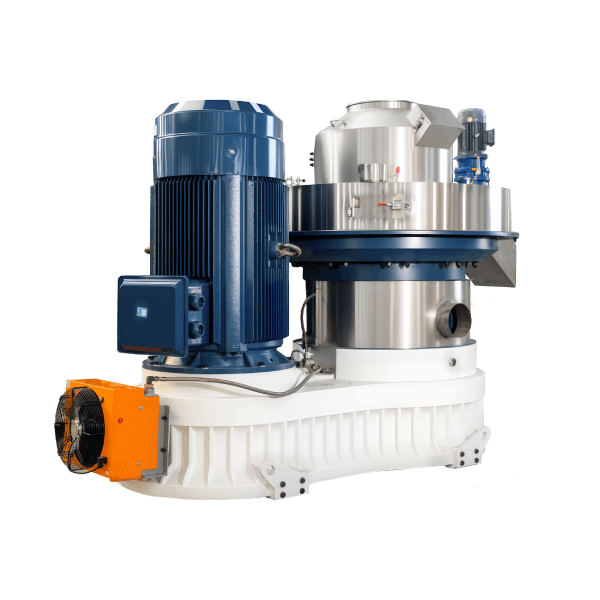
9. Procurement Selection Guide (6 Actionable Steps)
Step 1 – Assess tramp metal risk
High risk: reclaimed wood, pallets, construction waste, post-consumer wood. Low risk: sawmill residue (fresh sawdust), wood chips from clean logs.
Step 2 – Choose magnet strength
Baseline: 8,000 Gauss (minimum). Recommended: 10,000-12,000 Gauss (neodymium). For high risk: 12,000+ Gauss.
Step 3 – Select configuration
Single magnet: for low risk. Double magnet: recommended for commercial (primary + secondary). Triple magnet: for reclaimed wood (inlet, after hammer mill, before pellet mill).
Step 4 – Plan cleaning access
Drawer magnet (easiest). Hinge plate (less easy). Requires daily cleaning. Location must be accessible.
Step 5 – Consider metal detector
For high-value mills (>2 t/h) or high-risk feedstock. Diverter valve rejects contaminated material. Costs $1,000-4,000.
Step 6 – Train operators
Daily cleaning procedure. Log metal collected (type, size). Inspect for pattern (e.g., many screws indicates source).
10. Engineering Case Study
Project Background: A pellet plant in the UK processed 5,000 tons/year of reclaimed wood (pallets, construction waste). No magnetic separator.
Initial Problem: Two die failures in 6 months (4,000each=8,000). Roller damage (2,000).Downtime16hours(4,000 lost production). Total $14,000.
Root Cause Analysis:
- Tramp metal: screws from pallets (40%), nails from construction waste (40%), grinding media (10%), wire (10%)
- No magnet to capture metal
- Operator did not know metal was entering
Solution Implemented (Double Magnet System):
| Component | Specification | Cost |
|---|---|---|
| Primary magnet | 12,000 Gauss drawer magnet at hammer mill inlet | $600 |
| Secondary magnet | 12,000 Gauss grate magnet at pellet mill inlet | $800 |
| Metal detector | Ferrous + non-ferrous, diverter valve | $3,500 |
| Installation | 2 days | $1,000 |
| Total | $5,900 |
Results (12 months after installation):
| Metric | Before | After |
|---|---|---|
| Die failures per year | 2 | 0 |
| Roller damage | 2 events | 0 |
| Metal pieces collected | 0 (unknown) | 450 pieces/year (average 1-2 per day) |
| Downtime due to tramp metal | 16 hours/year | 0 |
| Annual savings | – | 8,000(dies)+2,000 (rollers) + 4,000(downtime)=14,000 |
| Payback | – | 5 months |
Request a magnetic separator package: Contact engineering team with your feedstock type (reclaimed wood vs virgin wood).
11. FAQ
Q1: What is a pellet machine with magnetic separator?
A safety device using rare-earth magnets (neodymium) to remove tramp metal (nails, screws, bolts) from raw material before it damages the pellet mill die.
Q2: Do I need a magnetic separator for my pellet mill?
Yes for commercial operation (especially reclaimed wood). For home/hobby using clean sawdust – optional but recommended. Die replacement costs $200-6,000.
Q3: How strong should the magnet be?
Minimum 8,000 Gauss. Recommended 10,000-12,000 Gauss (neodymium). Ferrite magnets (2,000-3,000 Gauss) too weak.
Q4: Where should magnets be installed?
Primary: at hammer mill inlet (before grinding). Secondary: at pellet mill inlet (after grinding). Double protection.
Q5: How often to clean magnets?
Daily (every shift). Metal accumulates on magnet surface – reduces effectiveness. Easy-access drawer magnets simplify cleaning.
Q6: What type of metal does a magnet capture?
Ferrous metal (iron, steel). Will NOT capture aluminum, copper, brass, stainless steel (non-ferrous). For non-ferrous, need metal detector.
Q7: Can a magnet damage my pellet mill?
No. Magnet is passive (no moving parts). If magnet dislodges (very rare), it could damage die – ensure magnet is secured.
Q8: What is the cost of a magnetic separator?
200−500forsinglemagnet.500-1,500 for double magnet. $2,000-6,000 with metal detector and diverter.
Q9: How much does tramp metal damage cost?
Die 2,000−6,000,rollers500-2,000, downtime 2-8 hours (500−2,000/hour).Singlemetaleventcancost5,000-15,000.
Q10: Can a magnet stop all tramp metal?
95-99% for ferrous metal with double magnets. Some very small particles still pass. Non-ferrous (aluminum, copper) not captured.
Q11: What is a metal detector?
Senses ferrous and non-ferrous metal in material flow. Diverts contaminated material to reject bin. Adds $1,000-4,000.
Q12: How to test if magnet is working?
Place known metal (screw) on magnet surface. Should hold firmly. Clean magnet and retest daily.
Q13: Can magnets lose strength over time?
Neodymium magnets lose <1% per year. Heat (>80°C) can demagnetize. Keep away from die area (hot). Install upstream (cool material).
Q14: What is the best magnetic separator brand?
Eriez, Bunting, Master Magnets. Our supplied magnets meet 10,000 Gauss standard. Not brand-specific.
Q15: Is a magnetic separator required by insurance?
Some policies require tramp metal protection for wood processing equipment. Check with your insurer.
12. Commercial Call-to-Action
For safety-conscious buyers: Request a pellet machine with magnetic separator package – double 10,000 Gauss magnets, easy-clean drawer design, protects your die and rollers.
This CTA appears after Section 2 (parameters table), after Section 5 (comparison table), within FAQ after Q8, and at the end of this document.
Need a tramp metal risk assessment? Contact the engineering team with your feedstock source (reclaimed wood, sawmill, etc.) for protection recommendation.
Looking for a metal detector upgrade? Request a ferrous + non-ferrous metal detector with diverter valve – captures aluminum, copper, stainless steel.
To proceed: Send your inquiry via the contact form. Include feedstock type (clean sawdust, reclaimed wood, pallets, etc.), mill capacity (t/h), and current die failure frequency.
13. Author & E-E-A-T Credentials
Author: Zhang Wei
Safety & Process Protection Engineer
- 11 years in tramp metal protection and magnetic separation (2014–present)
- Designed 150+ magnetic separator systems for pellet mills, hammer mills, and grinders
- Certified in magnetic separation technology (Magnet Expert)
- Author of “Tramp Metal Protection for Pellet Mills” (China Machine Press, 2022)
- Member of the Institute of Electrical and Electronics Engineers (IEEE)
Affiliation: Shandong Changsheng Machinery Co., Ltd.
The author has directly designed pellet machine with magnetic separator installations for 100+ pellet plants, documented die damage from tramp metal, and developed cleaning protocols. All specifications, capture rates, and cost data are derived from actual field cases from 2015–2026.