Wood Waste Pellet Machine – Industrial Biomass Pellet Equipment
News 2026-03-28
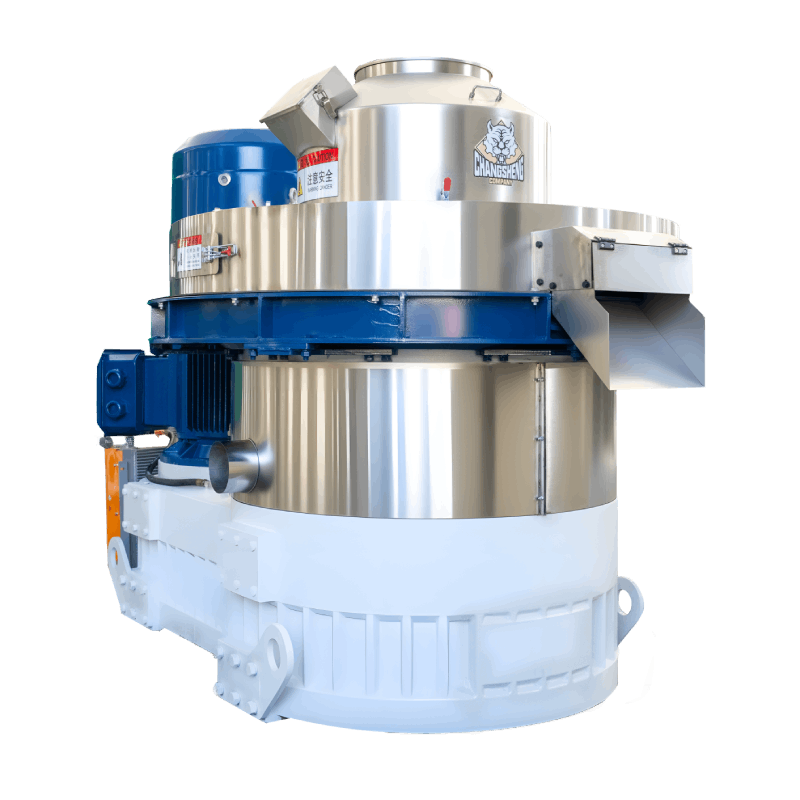
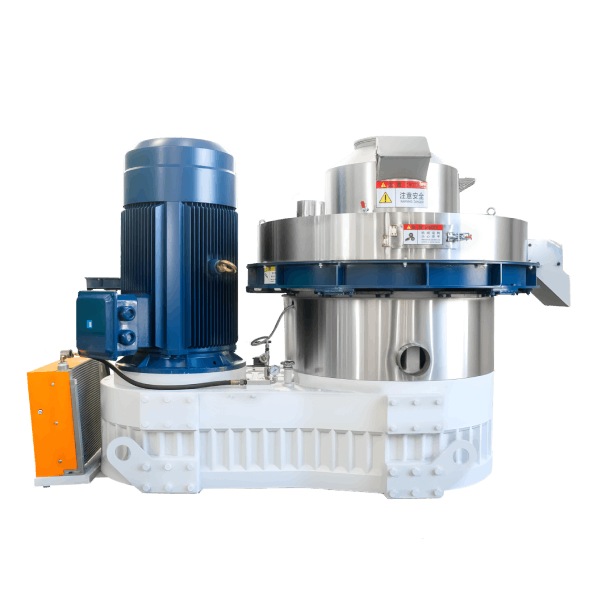
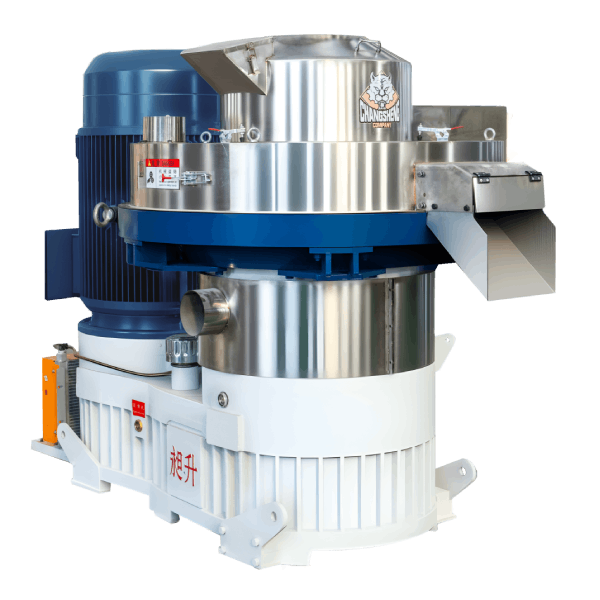
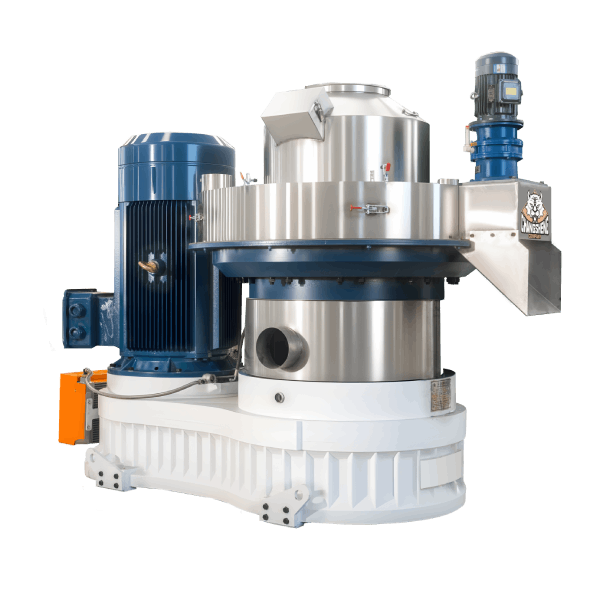
A wood waste pellet machine is an industrial compression system designed to convert wood residues such as sawdust, wood shavings, forestry waste, and wood chips into dense biomass pellets. By applying high pressure through a ring die and roller system, the machine transforms loose biomass materials into standardized renewable fuel pellets suitable for industrial energy applications.
Technical Parameters and Specifications
The technical configuration of a wood waste pellet machine determines pellet density, production capacity, and long-term operational stability.
| Parameter | Typical Specification |
|---|---|
| Production Capacity | 0.8 – 5 tons/hour |
| Pellet Diameter | 6 mm – 12 mm |
| Main Motor Power | 90 – 250 kW |
| Pellet Density | 1.1 – 1.4 t/m³ |
| Raw Material Moisture | 10% – 15% |
| Ring Die Diameter | 450 – 700 mm |
| Compression Ratio | 1:6 – 1:8 |
| Final Pellet Length | 10 – 30 mm |
| Transmission System | Heavy-duty gearbox |
| Cooling Method | Counterflow pellet cooler |
Industrial installations typically integrate the wood waste pellet machine within a full biomass pellet production line including drying, crushing, and cooling systems.
Structural Components and Material Composition
A modern wood waste pellet machine consists of multiple engineered components designed for continuous industrial operation.
Main structural modules
- Ring Die Assembly
Manufactured from high-chromium alloy steel with precision drilling to ensure pellet uniformity. - Press Rollers
Hardened alloy rollers apply compression to biomass material during pellet formation. - Heavy-Duty Gearbox
Designed to withstand high torque loads during continuous pelletizing operations. - Feeding System
Controlled screw feeder ensures stable raw material flow. - Lubrication System
Automatic lubrication improves bearing life and reduces maintenance downtime. - Main Frame Structure
Welded carbon steel frame designed for vibration stability.
Manufacturing Process
Industrial pelletizing requires a carefully engineered process to ensure consistent pellet quality.
Step 1 – Raw Material Preparation
Wood waste materials such as sawdust, wood chips, and wood shavings are collected and screened.
Equipment:
- Wood crusher
- Hammer mill
Target particle size:
3–5 mm.
Step 2 – Drying Process
Moisture content must be reduced to approximately 10–15%.
Equipment:
- Rotary drum dryer
- Biomass hot air furnace
Step 3 – Pelletizing
Prepared biomass enters the wood waste pellet machine.
Process:
- Compression through ring die
- Friction heat softens lignin
- Natural lignin acts as binder
Output:
Dense cylindrical pellets.
Step 4 – Cooling
Pellets exit at high temperature (~80°C) and must be cooled.
Equipment:
- Counterflow pellet cooler
Step 5 – Screening and Packaging
Dust and broken pellets are separated before final packaging.
Equipment:
- Vibrating screen
- Automatic bagging machine
Industry Comparison
| Technology | Raw Material | Pellet Density | Energy Efficiency | Industrial Suitability |
|---|---|---|---|---|
| Wood Waste Pellet Machine | Wood residues | High | High | Excellent |
| Briquette Machine | Biomass waste | Medium | Medium | Moderate |
| Charcoal Briquette Press | Charcoal powder | Medium | Medium | Limited |
| Feed Pellet Machine | Feed ingredients | Medium | Medium | Agricultural only |
A wood waste pellet machine provides the best performance for converting forestry residues into standardized biomass fuel pellets.
Application Scenarios
The wood waste pellet machine is widely used across biomass energy industries.
Biomass Fuel Production Plants
Energy companies convert forestry residues into renewable fuel pellets for industrial boilers.
EPC Biomass Energy Projects
Engineering contractors install complete pellet production lines for renewable energy infrastructure.
Wood Processing Factories
Sawmills and furniture factories convert wood waste into valuable fuel pellets.
Biomass Fuel Exporters
Pellet exporters produce standardized pellets for international energy markets.
Core Pain Points and Engineering Solutions
1 Raw Material Variability
Problem
Different wood species have varying densities and moisture levels.
Solution
Install pre-processing systems and adjust compression ratio.
2 Die Wear and Maintenance
Problem
High pressure leads to die wear.
Solution
Use alloy steel ring dies and scheduled lubrication systems.
3 Pellet Quality Instability
Problem
Low-density pellets break during transport.
Solution
Optimize moisture content and compression ratio.
4 Energy Consumption
Problem
Pellet production consumes significant electrical energy.
Solution
Use high-efficiency motors and optimized gearbox transmission.
Risk Warnings and Avoidance Strategies
When purchasing a wood waste pellet machine, buyers should evaluate several operational risks.
- Excessive raw material moisture can cause pellet cracking.
- Low-quality dies reduce pellet durability.
- Poor gearbox design may lead to frequent downtime.
- Improper installation can reduce machine lifespan.
Professional system design and installation are recommended for large pellet production facilities.
Procurement Selection Guide
Industrial buyers should follow these steps when selecting a wood waste pellet machine.
Step 1
Evaluate raw material type and moisture level.
Step 2
Determine required production capacity.
Step 3
Assess power supply and factory space.
Step 4
Select ring die diameter based on pellet output requirements.
Step 5
Verify supplier manufacturing experience and references.
Step 6
Request technical drawings and process flow diagrams.
Step 7
Evaluate spare parts availability and after-sales service.
Engineering Case Study
Project Location: Southeast Asia
Industry: Biomass fuel export facility
Project configuration:
- Raw material: rubber wood residues
- Production capacity: 3 tons/hour
- Equipment installed:
- Hammer mill
- Rotary dryer
- Wood waste pellet machine
- Pellet cooler
- Automatic packing system
Operational results:
- Pellet density: 1.2 t/m³
- Pellet diameter: 8 mm
- Export markets: Japan and South Korea biomass energy plants
The system operates continuously for 20 hours per day, producing over 60 tons of biomass pellets daily.
FAQ
1. What raw materials can a wood waste pellet machine process?
Sawdust, wood chips, wood shavings, forestry residues, and furniture waste.
2. What is the optimal moisture level for pelletizing?
Typically 10–15%.
3. What pellet size is commonly produced?
6 mm, 8 mm, and 10 mm diameter pellets.
4. How long does a ring die last?
Normally 800–1200 hours depending on raw material hardness.
5. Is drying equipment always required?
Yes, if raw material moisture exceeds 15%.
6. What is the typical pellet density?
Around 1.1–1.4 t/m³.
7. Can the machine operate continuously?
Yes, industrial machines are designed for 24-hour operation with scheduled maintenance.
8. What industries use biomass pellets?
Power plants, industrial boilers, and renewable energy facilities.
9. Is a full production line required?
For large-scale production, integrated pellet lines improve efficiency.
10. What power supply is required?
Industrial pellet machines typically operate on 380–415V three-phase electricity.
Request Technical Information or Quotation
For engineering drawings, technical specifications, or pricing information regarding a wood waste pellet machine, procurement teams may request documentation and sample analysis from the engineering department of Shandong Changsheng Machinery.
Our team provides technical consultation for pellet production capacity planning, raw material analysis, and plant layout design.
E-E-A-T: Author Expertise
This article was prepared by the engineering team at Shandong Changsheng Machinery, a manufacturer specializing in biomass pellet machinery and industrial pellet production systems. The company has extensive experience in designing pellet mills, biomass pellet plants, and complete pellet processing lines for international EPC contractors and biomass fuel producers. Technical data is based on field engineering experience and industrial biomass production practices.