Pellet mill manufacturers: industrial selection guide
News 2026-03-19
Pellet Mill Manufacturers: Engineering Evaluation and Procurement Guide
Product Definition
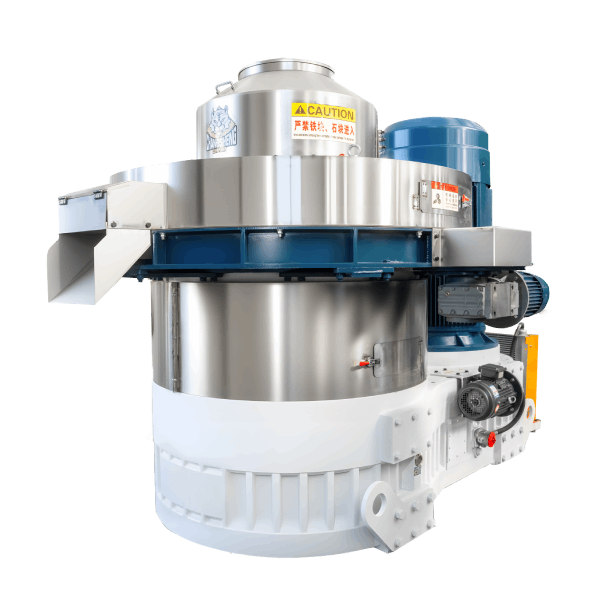
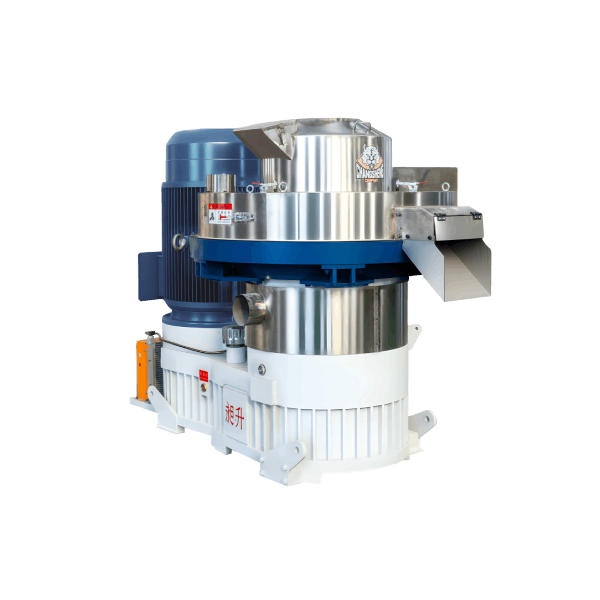
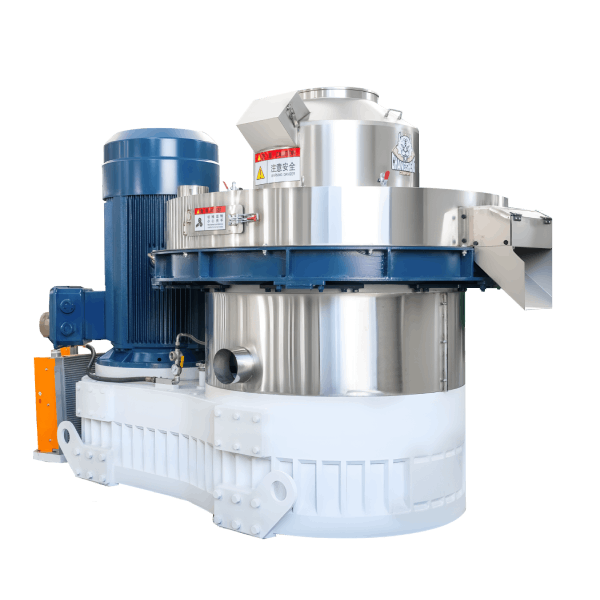
Pellet mill manufacturers design and produce industrial equipment used to compress biomass or feed materials into high-density pellets. These machines are critical in biomass energy and feed processing industries, requiring robust engineering, precision manufacturing, and long-term operational reliability.
Technical Parameters and Specifications
When evaluating pellet mill manufacturers, buyers should assess the technical performance of their equipment using the following parameters.
Production capacity
1–10 tons per hour depending on machine size and application
Main motor power
75–250 kW industrial-grade motors
Ring die diameter
350 mm – 760 mm
Pellet diameter
4–12 mm depending on material and industry
Compression rollers
2–3 high-strength alloy rollers
Raw material moisture requirement
10–15 percent for biomass, 12–18 percent for feed
Pelletizing temperature
80–100°C for biomass applications
Main shaft speed
200–320 rpm
Machine weight
2–12 tons depending on model
Reliable pellet mill manufacturers provide detailed technical specifications and performance data for each model.
Structure and Material Composition
High-quality pellet mills from leading pellet mill manufacturers include the following components.
Main frame
Heavy-duty welded steel structure for industrial durability
Ring die system
Alloy steel die with precision-drilled pellet holes
Compression rollers
Wear-resistant alloy steel rollers
Main shaft assembly
Forged steel shaft for torque transmission
Bearing system
Heavy-load bearings for continuous operation
Transmission system
Gearbox or belt drive system
Lubrication system
Automatic lubrication to reduce wear
The material selection and design approach vary among different pellet mill manufacturers, affecting machine lifespan and performance.
Manufacturing Process
Top-tier pellet mill manufacturers follow strict production procedures.
Step 1 Engineering design
Machine structure and specifications are designed based on application requirements
Step 2 Raw material selection
High-grade steel and alloy materials are chosen
Step 3 CNC machining
Critical components are manufactured using precision machining equipment
Step 4 Heat treatment
Key parts undergo quenching and tempering to enhance durability
Step 5 Die hole drilling
Uniform pellet channels are drilled using specialized equipment
Step 6 Assembly
All components are assembled and aligned to engineering standards
Step 7 Testing
Manufacturers such as Shandong Changsheng Machinery conduct performance testing under real production conditions
This process ensures equipment reliability and consistency.
Industry Equipment Comparison
| Manufacturer Type | Cost Level | Engineering Quality | Application |
|---|---|---|---|
| High-end manufacturers | High | Excellent | Large industrial plants |
| Mid-range manufacturers | Medium | Good | Medium-scale production |
| Low-cost manufacturers | Low | Variable | Small or budget projects |
| Custom engineering suppliers | High | Customized | EPC and large projects |
Industrial buyers typically prioritize engineering quality over initial cost when selecting pellet mill manufacturers.
Application Scenarios
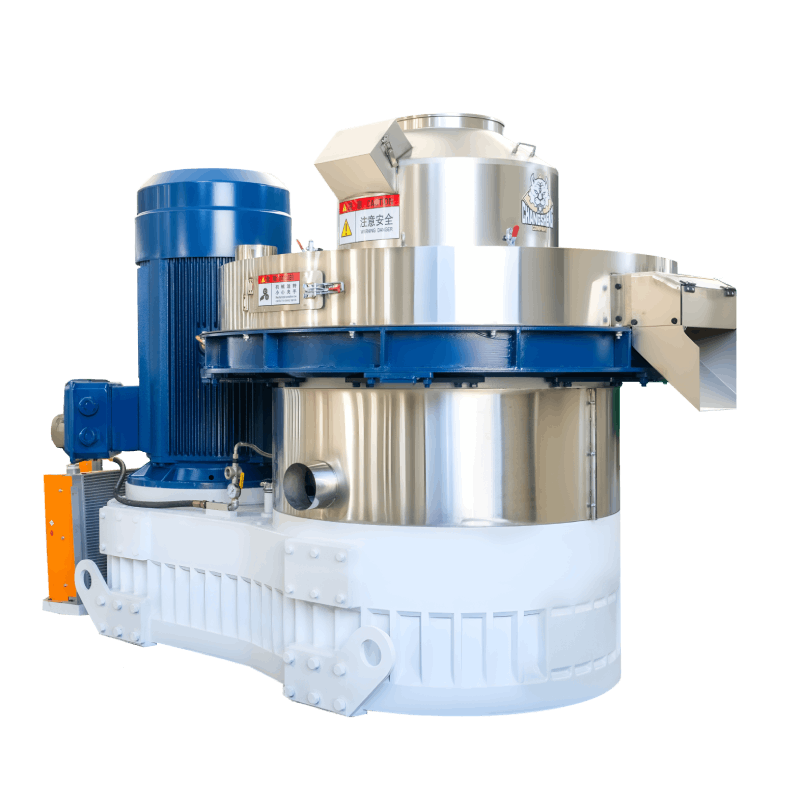
Equipment supplied by pellet mill manufacturers is widely used in various industries.
Biomass energy companies
Producing fuel pellets from wood and agricultural residues
Animal feed producers
Manufacturing feed pellets for livestock and poultry
Wood processing plants
Recycling sawdust into usable energy products
EPC contractors and engineering firms
Designing and building pellet production plants
Equipment distributors and importers
Supplying pellet mills to regional markets
Renewable energy developers
Implementing biomass energy solutions
These applications require reliable and high-performance pellet mills.
Core Industry Pain Points and Engineering Solutions
Problem 1
Inconsistent pellet quality
Cause
Poor die design or unstable process parameters
Solution
Select experienced pellet mill manufacturers with proven engineering capability
Problem 2
High equipment failure rate
Cause
Low-quality materials or poor assembly
Solution
Choose manufacturers using high-grade materials and strict quality control
Problem 3
High maintenance cost
Cause
Frequent wear of components
Solution
Use hardened alloy components and implement preventive maintenance
Problem 4
Low production efficiency
Cause
Improper machine configuration
Solution
Optimize system design and select appropriate machine capacity
These solutions help buyers select reliable pellet mill manufacturers.
Risk Warning and Prevention Strategies
Choosing the wrong manufacturer may lead to operational risks.
Common risks
Frequent downtime
Low pellet quality
High operating costs
Short equipment lifespan
Prevention strategies
Verify manufacturer experience and project references
Inspect factory production capabilities
Request real operation data
Evaluate after-sales service support
Test equipment before purchase
These steps reduce procurement risks.
Procurement and Equipment Selection Guide
Step 1
Define application type (biomass or feed)
Step 2
Determine required production capacity
Step 3
Evaluate manufacturer experience and reputation
Step 4
Inspect equipment structure and materials
Step 5
Verify spare parts availability and service support
Step 6
Assess lifecycle operating cost
Step 7
Request technical documentation and test reports
Following this process ensures proper selection among pellet mill manufacturers.
Engineering Case Study
A biomass pellet production project in Southeast Asia required reliable equipment to process wood waste into fuel pellets.
The EPC contractor selected pellet mills supplied by Shandong Changsheng Machinery, based on engineering capability and manufacturing quality.
Project configuration included
Wood crushing system
Drying system
Ring die pellet mills
Cooling and screening systems
Automatic packaging line
The plant achieved stable production of 6 tons per hour and operated continuously with low failure rates.
This case highlights the importance of selecting experienced pellet mill manufacturers for industrial projects.
FAQ
What do pellet mill manufacturers produce
Pellet machines for biomass and feed processing
What industries use pellet mills
Biomass energy, agriculture, and feed production
What is the typical capacity range
1–10 tons per hour
What materials can be processed
Wood, sawdust, straw, and feed materials
What determines pellet quality
Moisture, compression ratio, and machine design
How long do pellet mills last
Many years with proper maintenance
What are main wear parts
Ring dies and rollers
How often should maintenance be performed
Every 200–300 hours
Can pellet mills be customized
Yes, depending on manufacturer capability
How to evaluate a manufacturer
Check experience, quality, and project references
Request Technical Documentation and Quotation
Procurement managers, EPC contractors, and industrial buyers can request quotations, technical specifications, engineering drawings, and equipment testing reports from Shandong Changsheng Machinery for project evaluation and supplier comparison.
E-E-A-T Author Expertise
This article is prepared by engineers with over ten years of experience in pellet equipment manufacturing and biomass plant engineering. The technical insights are based on real project implementation and equipment supply experience from Shandong Changsheng Machinery, ensuring accuracy, reliability, and practical procurement value.