Pellet machine maintenance frequency: industrial maintenance guide
News 2026-03-09
Pellet Machine Maintenance Frequency: Engineering Standards for Stable Industrial Operation
Product Definition
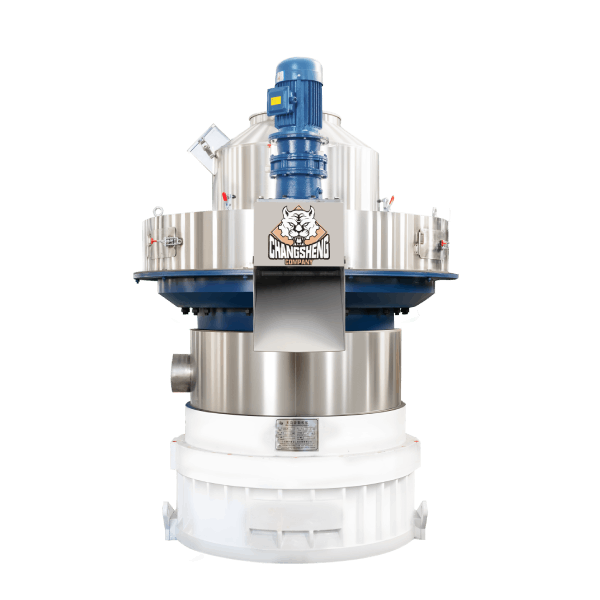
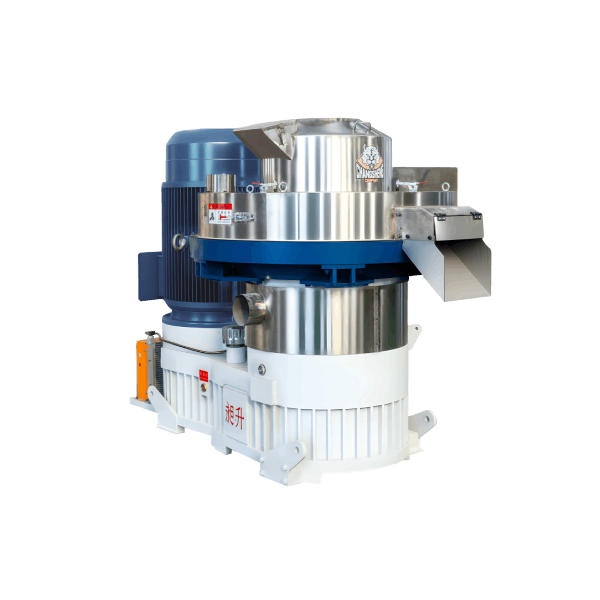
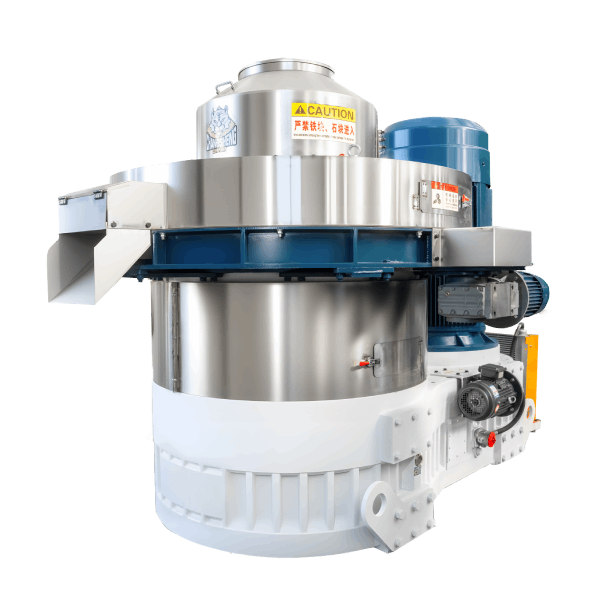
A pellet machine is an industrial compression system used to convert biomass materials such as sawdust, agricultural residues, and wood chips into high-density fuel pellets. Proper pellet machine maintenance frequency is essential to ensure stable operation, extend equipment life, and maintain consistent pellet quality in continuous production environments.
For biomass fuel manufacturers and equipment distributors, understanding the correct pellet machine maintenance frequency helps reduce downtime, lower repair costs, and maintain production efficiency.
Technical Parameters and Specifications
The following technical parameters are typically considered when establishing pellet machine maintenance frequency in industrial pellet plants.
Production capacity: 1–6 tons per hour depending on machine size
Main motor power: 90–315 kW
Ring die diameter: 450–850 mm
Compression rollers: 2–3 units
Rotational speed: 300–450 rpm
Bearing operating temperature: ≤85°C recommended
Lubrication interval: every 4–6 operating hours for key bearings
Roller inspection cycle: every 200–300 operating hours
Die inspection cycle: every 300–500 operating hours
Full machine preventive maintenance: every 1000 operating hours
Maintaining a consistent pellet machine maintenance frequency based on these parameters helps prevent premature component wear and unexpected shutdowns.
Structure and Material Composition
A pellet machine consists of several critical structural systems that require regular maintenance monitoring.
Main frame
Heavy-duty welded steel frame
Provides structural stability and vibration resistance
Main shaft assembly
High-strength alloy steel shaft
Transfers rotational force from the motor to the die system
Ring die
Heat-treated alloy steel compression die
Forms biomass into cylindrical pellets
Compression rollers
Wear-resistant chromium steel rollers
Apply pressure to force material through the die holes
Bearing system
Heavy-load spherical roller bearings
Support high-speed rotating components
Transmission system
Gearbox or belt drive configuration
Controls rotational torque and speed
Understanding these components helps determine the correct pellet machine maintenance frequency for each subsystem.
Manufacturing Process
High-quality pellet machines are manufactured through precision engineering processes that support long-term maintenance performance.
Step 1 Raw material preparation
Structural steel plates and alloy steel shafts are selected according to mechanical load requirements.
Step 2 CNC machining
Critical components such as shafts, dies, and rollers are precision machined using CNC equipment.
Step 3 Heat treatment
Components undergo quenching and tempering processes to increase hardness and fatigue resistance.
Step 4 Dynamic balancing
Rotating components are dynamically balanced to reduce vibration during operation.
Step 5 Assembly and alignment
Mechanical assemblies are installed using precision alignment tools.
Step 6 Operational testing
Machines undergo load testing and vibration monitoring before delivery.
Proper manufacturing quality reduces the need for excessive maintenance while supporting a predictable pellet machine maintenance frequency.
Industry Comparison
Equipment Type | Maintenance Frequency | Maintenance Complexity | Operational Stability
Ring die pellet machine | Moderate | Medium | High stability
Flat die pellet machine | High | Medium | Moderate stability
Briquette press | Low | Low | Stable but slower production
Extrusion pelletizer | High | High | Lower mechanical durability
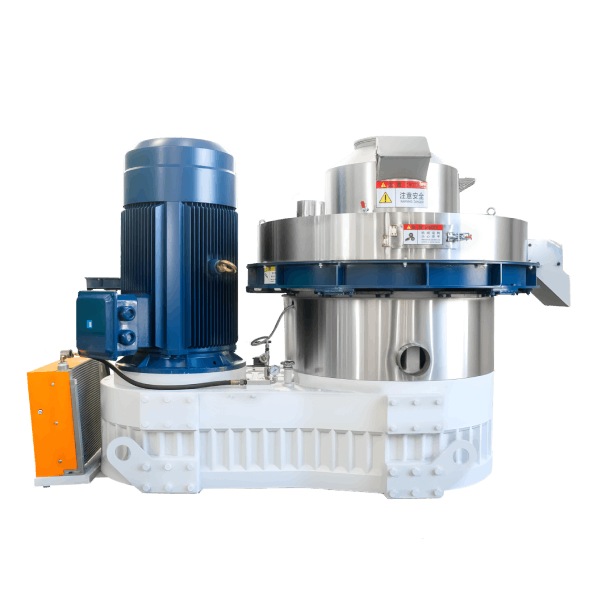
Industrial biomass plants typically prefer ring die pellet machines because their pellet machine maintenance frequency is predictable and manageable in continuous production systems.
Application Scenarios
Understanding pellet machine maintenance frequency is critical across several industrial sectors.
Biomass pellet manufacturing plants
Large-scale fuel pellet production facilities operating continuously.
Agricultural residue processing plants
Converting rice husk, straw, or corn stalks into energy pellets.
Biomass energy projects
Power plants and heating fuel suppliers producing standardized pellets.
Equipment distributors and EPC contractors
Supplying pellet production lines to industrial clients worldwide.
In all these applications, a well-defined pellet machine maintenance frequency ensures stable production and protects equipment investment.
Core Pain Points and Engineering Solutions
Problem 1 Unexpected machine shutdown
Cause
Irregular maintenance intervals lead to component failure.
Solution
Implement preventive maintenance schedules based on operating hours.
Problem 2 Bearing overheating
Cause
Insufficient lubrication frequency.
Solution
Establish automatic or manual lubrication cycles every 4–6 hours.
Problem 3 Die and roller wear
Cause
Lack of regular inspection and adjustment.
Solution
Schedule inspection every 300 operating hours and replace worn components.
Problem 4 Vibration and mechanical imbalance
Cause
Loose bolts or misaligned shafts.
Solution
Conduct vibration inspection and bolt torque checks weekly.
Risk Warnings and Prevention Strategies
Ignoring proper pellet machine maintenance frequency can lead to serious operational risks.
Potential risks include
Main shaft deformation
Bearing failure
Excessive vibration
Reduced pellet density
Increased energy consumption
Preventive recommendations
Create a maintenance log for all machines
Monitor vibration and temperature during operation
Train operators on maintenance procedures
Stock critical spare parts such as bearings and dies
Conduct scheduled shutdown inspections
Procurement and Equipment Selection Guide
Step 1 Evaluate equipment design quality
Machines with rigid frames require less frequent maintenance.
Step 2 Confirm bearing specifications
Industrial-grade bearings improve reliability and reduce service intervals.
Step 3 Assess lubrication systems
Automatic lubrication systems simplify maintenance management.
Step 4 Verify spare parts availability
Reliable suppliers provide fast replacement components.
Step 5 Review manufacturer maintenance manuals
Maintenance schedules should be clearly documented.
Step 6 Evaluate service support capability
Technical support availability reduces operational risk.
Step 7 Analyze long-term operating costs
Maintenance frequency directly affects lifecycle cost.
Engineering Case Study
A biomass pellet production facility in Southeast Asia operating a 5 ton per hour pellet line experienced frequent unplanned shutdowns due to inconsistent maintenance practices.
Engineering analysis showed that lubrication intervals were irregular and roller inspections were delayed.
After implementing a structured pellet machine maintenance frequency program with scheduled lubrication every 5 hours and component inspections every 250 hours, the plant achieved the following results:
Machine downtime reduced by 38 percent
Roller lifespan increased by approximately 25 percent
Production stability significantly improved
This case demonstrates the importance of systematic maintenance planning in pellet production plants.
FAQ
What is the recommended pellet machine maintenance frequency
Most industrial machines require daily inspections and major maintenance every 1000 operating hours.
How often should pellet machine bearings be lubricated
Lubrication is typically required every 4 to 6 operating hours.
When should the ring die be inspected
Inspection is usually recommended every 300 to 500 operating hours.
Can poor maintenance affect pellet quality
Yes. Worn components reduce pellet density and uniformity.
Is operator training important for maintenance
Properly trained operators can identify early mechanical problems.
What causes unexpected pellet machine breakdowns
Delayed maintenance and inadequate lubrication are common causes.
Do larger pellet machines require less maintenance
Not necessarily. Maintenance frequency depends on operating conditions.
How can vibration monitoring help maintenance
Vibration monitoring detects mechanical imbalance early.
Should spare parts be stocked in pellet plants
Yes. Critical parts such as bearings and dies should always be available.
Does raw material type affect maintenance frequency
Abrasive materials can increase component wear and require more frequent maintenance.
Request Technical Support
Professional buyers, distributors, and project engineers may request detailed maintenance manuals, technical documentation, equipment specifications, and engineering consultation for pellet production systems.
E-E-A-T Author Expertise
This technical guide was prepared by industry engineers with more than ten years of experience in biomass pellet equipment design, manufacturing, and maintenance engineering. The operational recommendations are based on practical data from pellet production facilities, equipment manufacturers, and biomass energy engineering projects worldwide.