Pellet Machine Rollers Slipping Causes and Solutions
News 2026-03-05
Pellet Machine Rollers Slipping: Engineering Diagnosis, Prevention, and Procurement Guidance
Product Definition
Pellet machine rollers slipping refers to a mechanical failure condition in which the press rollers rotate without properly gripping and compressing biomass material against the die surface. This reduces frictional pressure, lowers pellet density, decreases output, and may cause abnormal vibration, overheating, and premature wear in industrial pellet production systems.
- Technical Overview
In industrial biomass plants, pellet machine rollers slipping is a critical performance issue that directly impacts capacity, pellet density, and energy efficiency. When slipping occurs, rollers rotate but fail to transmit sufficient compressive force to push material through die holes. Operators often observe reduced amperage, unstable output, and powder discharge instead of dense pellets.
For EPC contractors and plant operators, understanding pellet machine rollers slipping from a mechanical and process-control perspective is essential to prevent downtime and long-term component damage.
- Technical Parameters and Operating Specifications
Stable operation requires alignment between mechanical pressure, material properties, and die configuration.
Recommended Roller–Die Clearance
• Standard ring die system: 0.1–0.3 mm
• Excessive clearance >0.5 mm increases slipping risk
Roller Surface Hardness
• Alloy steel shell: 50–55 HRC
Die Surface Hardness
• 52–58 HRC after vacuum heat treatment
Operating Die Temperature
• Optimal compression zone: 70–90°C
Motor Load Range
• Normal operation: 85%–95% rated current
• Slipping often correlates with low load <75%
Material Moisture
• Wood biomass: 10%–15%
If these parameters deviate, pellet machine rollers slipping becomes more likely, especially during startup or material changes.
- Structural Components and Material Composition
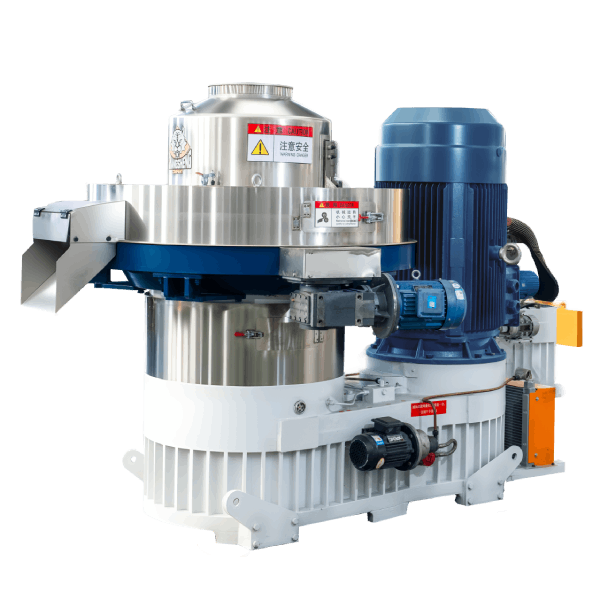
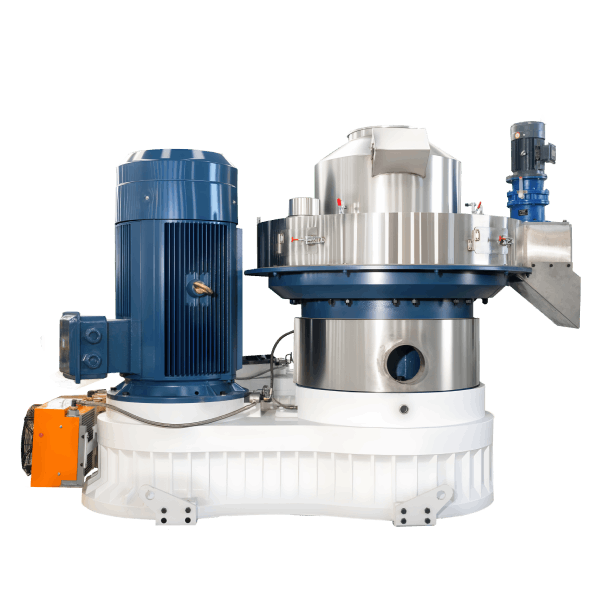
Pellet machine rollers slipping is strongly related to mechanical design and wear condition.
Ring Die
• Forged 42CrMo alloy steel
• Precision drilled holes
• Controlled compression ratio
Press Rollers
• Forged alloy steel core
• Replaceable wear shell
• Knurled or corrugated surface design for traction
Main Shaft
• High-strength forged steel
• Dynamic balancing for load stability
Adjustment Mechanism
• Mechanical or hydraulic system
• Fine-tuning clearance under load
Worn roller shells or smooth die surfaces significantly increase pellet machine rollers slipping frequency.
- Manufacturing and Engineering Process
Reliable pellet systems depend on strict manufacturing standards.
Step 1: Material Preparation
Drying and size reduction ensure uniform feed consistency.
Step 2: Die Fabrication
CNC deep-hole drilling with surface polishing control.
Step 3: Roller Machining
Precision turning and heat treatment for uniform hardness.
Step 4: Assembly and Alignment
Laser alignment ensures concentric rotation.
Step 5: Load Testing
Factory simulation under 80%–90% rated load.
Improper machining tolerance or inconsistent heat treatment can contribute to pellet machine rollers slipping during long-term operation.
- Industry Comparison Table
Comparison of Operational Conditions
Factor | Properly Maintained System | Slipping-Prone System
Roller Surface Condition | Textured and intact | Smooth or worn
Clearance Adjustment | Within 0.3 mm | >0.5 mm
Material Moisture | Stable | Fluctuating
Motor Load | High and stable | Low and unstable
Pellet Density | Consistent | Variable
Maintenance Interval | Scheduled | Reactive
Systematic maintenance significantly reduces pellet machine rollers slipping incidents.
- Application Scenarios
Distributors
• After-sales technical support and spare parts supply
EPC Contractors
• Commissioning phase validation
Engineering Consultants
• Equipment specification review
Biomass Fuel Plants
• Continuous 16–24 hour production lines
Agricultural Waste Processors
• Variable raw material density management
In all these scenarios, pellet machine rollers slipping can reduce project ROI and delay plant acceptance.
- Core Pain Points and Engineering Solutions
Pain Point 1: Low Output with Normal Feed Rate
Solution: Reduce roller–die clearance and verify die wear condition.
Pain Point 2: Motor Current Lower Than Expected
Solution: Increase compression ratio or check roller traction surface.
Pain Point 3: Powder Accumulation in Chamber
Solution: Adjust moisture and improve particle size uniformity.
Pain Point 4: Abnormal Vibration During Operation
Solution: Inspect bearing condition and shaft alignment.
Pain Point 5: Frequent Slipping After Die Replacement
Solution: Conduct proper die break-in procedure using conditioned material.
Addressing these mechanical and process factors eliminates most pellet machine rollers slipping occurrences.
- Risk Warnings and Preventive Measures
• Do not operate new dies at full load immediately.
• Replace roller shells before excessive smoothing occurs.
• Monitor amperage and temperature continuously.
• Avoid feeding oversized or extremely dry material.
• Maintain scheduled inspection of hydraulic adjustment systems.
Ignoring these measures increases risk of persistent pellet machine rollers slipping and accelerated die wear.
- Procurement and Selection Guide
Step 1: Define raw material characteristics (density, moisture range).
Step 2: Confirm die compression ratio matches material type.
Step 3: Verify roller shell hardness certification.
Step 4: Evaluate roller surface pattern design.
Step 5: Confirm precision tolerance of die drilling process.
Step 6: Review motor power margin (10% reserve recommended).
Step 7: Assess spare roller and die supply lead time.
Step 8: Request factory load testing documentation.
Proper procurement strategy reduces pellet machine rollers slipping risk during the first year of operation.
- Engineering Case Study
Project: 5 t/h Wood Pellet Production Line
Operating Schedule: 20 hours per day
Initial Condition
After 3 months of operation, pellet machine rollers slipping occurred intermittently. Output dropped by 18%.
Technical Findings
• Roller surface wear depth exceeded 1.2 mm
• Clearance measured at 0.7 mm
• Raw material moisture fluctuated between 8%–13%
Corrective Actions
• Replaced roller shells
• Adjusted clearance to 0.2 mm
• Installed inline moisture sensor
Results Over 6 Months
• Stable motor load at 92% rated
• Pellet density increased by 10%
• No recurring pellet machine rollers slipping
The project confirmed that mechanical adjustment combined with process stabilization restores compression performance.
- FAQ – Pellet Machine Rollers Slipping
- What is the primary cause of slipping?
Excessive roller–die clearance. - Can low moisture trigger slipping?
Yes, insufficient moisture reduces friction. - Does die polishing affect traction?
Over-polished surfaces reduce grip. - Is motor power related?
Undersized motors may not maintain compression force. - How often should rollers be inspected?
Every 500–800 operating hours. - Can bearing wear cause slipping?
Yes, misalignment reduces effective pressure. - Does compression ratio matter?
Incorrect ratio increases slip probability. - Should hydraulic pressure be checked?
Yes, uneven pressure causes instability. - Is slipping common during startup?
Yes, especially before die temperature stabilizes. - Can raw material density changes affect performance?
Yes, inconsistent density alters compression resistance. - Request Technical Support and Quotation
For evaluation of pellet machine rollers slipping in your plant, request:
• Mechanical inspection checklist
• Roller and die specification sheet
• Load performance analysis
• Spare parts quotation
• On-site commissioning support plan
Submit raw material data and operating conditions for engineering review and structured recommendation.
Author Expertise Statement (E-E-A-T)
This document is prepared by mechanical engineers and biomass plant commissioning specialists with over 15 years of industrial pellet production experience. The analysis is based on field diagnostics, mechanical testing, and long-term operational data from commercial biomass facilities worldwide.
For technical clarification regarding pellet machine rollers slipping, contact our engineering department for a structured performance assessment and procurement consultation.