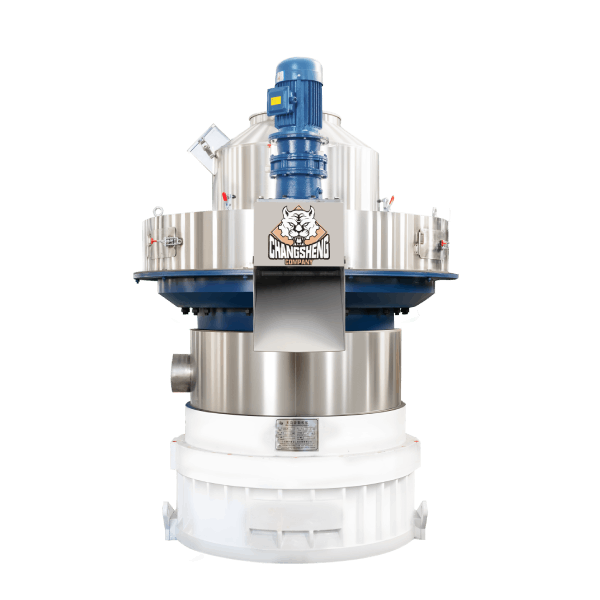
Pellet Machine Supplier Comparison Guide
News 2026-03-02
Pellet Machine Supplier Comparison for Industrial Procurement
Product Definition (40–60 words)
Pellet machine supplier comparison is a structured engineering evaluation process used to assess manufacturers based on technical capability, manufacturing standards, quality control systems, lifecycle cost, and after-sales support. It enables B2B buyers to select suppliers capable of delivering stable output, predictable maintenance cycles, and long-term operational reliability.
Technical Parameters and Specifications
A professional pellet machine supplier comparison begins with measurable performance indicators rather than catalog claims. Buyers should request verifiable operating data under load conditions.
Typical Ring Die Industrial Pellet Machine Range:
• Capacity: 1–25 tons/hour
• Main motor power: 90–355 kW
• Ring die diameter: 420–860 mm
• Pellet diameter range: 6–12 mm
• Energy consumption: 75–95 kWh/ton (biomass)
• Operating time: 16–24 hours continuous
• Gearbox service factor: ≥1.5
• Die hardness: HRC 52–58
Suppliers unable to provide full-load amperage curves, torque reserve data, or die material certifications should be flagged during pellet machine supplier comparison analysis.
Structure and Material Composition
Structural design reveals the true manufacturing capability behind a supplier. During pellet machine supplier comparison, inspect the following:
Frame Structure
• Q345 or equivalent structural steel
• Stress-relieved welded frame
• Machined mounting surfaces
Transmission System
• Hardened helical gearbox
• Alloy steel shafts
• SKF/FAG class bearings or equivalent
Pelletizing Chamber
• Precision-machined ring die
• Alloy compression rollers
• Automatic lubrication system
Electrical System
• PLC control panel
• Overload protection
• Soft starter or VFD integration
Suppliers offering only belt-driven systems for industrial scale should be evaluated carefully for long-term durability.
Manufacturing Process and Engineering Standards
A rigorous pellet machine supplier comparison must include factory production capability.
Standard Industrial Manufacturing Steps:
- Alloy steel forging for dies and shafts
- CNC deep-hole drilling for die channels
- Vacuum heat treatment
- Gear grinding and surface hardening
- Dynamic rotor balancing
- Full-load factory testing for ≥4 hours
Suppliers that skip full-load testing often produce inconsistent field performance. Documented FAT (Factory Acceptance Test) reports are essential.
Industry Comparison Table
| Evaluation Criteria | Low-Tier Supplier | Mid-Tier Supplier | Industrial-Grade Supplier |
|---|---|---|---|
| Capacity Stability | ±10–15% | ±6–8% | ±3–5% |
| Gearbox Quality | Cast housing | Standard alloy | Hardened helical gearbox |
| Continuous Operation | <8 hrs | 12–16 hrs | 24 hrs capable |
| Energy Efficiency | 95–120 kWh/ton | 85–100 kWh/ton | 75–95 kWh/ton |
| QC Documentation | Limited | Basic reports | Complete FAT & MTC |
| After-Sales Technical Support | Reactive | Scheduled | Engineering-based |
| Lifecycle Cost per Ton | High | Moderate | Optimized |
A structured pellet machine supplier comparison clarifies not just price differences, but operational consequences.
Application Scenarios
Distributors
Require reliable, standardized machines suitable for regional resale and predictable spare parts supply.
EPC Contractors
Need integration capability with dryers, hammer mills, conveyors, coolers, and automated packaging systems.
Industrial Plant Owners
Prioritize continuous output stability and predictable maintenance intervals.
Importers and Wholesalers
Focus on supplier documentation, certification, and long-term cooperation potential.
Core Pain Points and Solutions
- Inconsistent Actual Capacity
Problem: Delivered output differs from quotation.
Solution: Request performance validation under specified raw material conditions. - Excessive Downtime
Problem: Frequent bearing or die failures.
Solution: Evaluate gearbox design, shaft hardness, and lubrication system. - Hidden Lifecycle Costs
Problem: Low purchase price but high maintenance expense.
Solution: Conduct 3–5 year cost-per-ton analysis. - Weak Technical Support
Problem: Limited commissioning guidance.
Solution: Select suppliers offering remote or on-site engineering support. - Spare Parts Delays
Problem: Production stops due to unavailable dies.
Solution: Confirm stock availability and standardization.
Risk Warnings and Mitigation
• Avoid selecting suppliers solely on price.
• Verify motor brand, gearbox specification, and bearing class.
• Ensure moisture range (10–15% for biomass) matches machine configuration.
• Conduct third-party inspection before shipment.
• Confirm installation foundation requirements to prevent vibration.
Effective pellet machine supplier comparison reduces operational risk and protects capital investment.
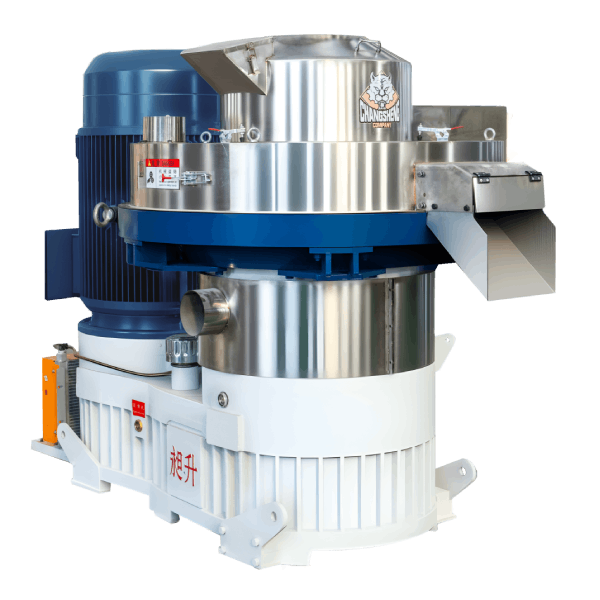
Procurement Selection Guide
- Define annual production target and operating hours.
- Specify raw material type and moisture range.
- Request full technical specification sheets.
- Review manufacturing process and quality control reports.
- Conduct video verification of full-load testing.
- Compare energy consumption per ton.
- Analyze spare parts lifespan and pricing.
- Evaluate engineering support capability.
- Request reference project documentation.
A disciplined pellet machine supplier comparison framework ensures objective selection.
Engineering Case Study
Project: 10 TPH Wood Pellet Production Line – Eastern Europe
Client Requirement:
• 20-hour daily operation
• Export-grade pellet density standards
• Stable annual supply contract
Initial Issue:
Client previously worked with a low-tier supplier. Actual capacity reached only 7.5 TPH under load.
Supplier Re-Evaluation:
Conducted structured pellet machine supplier comparison based on gearbox durability, die hardness, and full-load amperage testing.
Final Outcome:
Installed two 5 TPH industrial-grade ring die machines.
Operational Results After 12 Months:
• Average output: 9.8–10.2 TPH
• Energy consumption: 88 kWh/ton
• Die lifespan: 1,300 hours
• Downtime reduced by 28%
Conclusion: Engineering-based supplier evaluation improved output stability and contract compliance.
FAQ
- What is the most critical factor in pellet machine supplier comparison?
Capacity stability under load. - How to verify actual machine output?
Request full-load testing data. - Is gearbox design important?
Yes, it determines durability. - Should I prioritize brand motors?
Industrial applications benefit from certified motor brands. - How to compare energy efficiency?
Calculate kWh per ton under identical feedstock. - What documents should suppliers provide?
Material certificates, FAT reports, QC records. - How important is spare parts availability?
Critical for minimizing downtime. - Can low-cost suppliers meet industrial demand?
Usually limited in continuous operation scenarios. - Is on-site commissioning necessary?
Recommended for industrial-scale lines. - How to evaluate long-term reliability?
Review reference projects operating for over 12 months.
Call to Action
For a detailed pellet machine supplier comparison report, technical specification sheets, or project-based engineering consultation, contact our technical team to request documentation, performance data, or customized capacity evaluation.
E-E-A-T Author Qualification
This content is prepared by engineers with more than 15 years of experience in biomass pellet production system design, equipment commissioning, and industrial line optimization. The analysis is based on operational plant data, mechanical engineering standards, and documented field performance across multiple international projects.