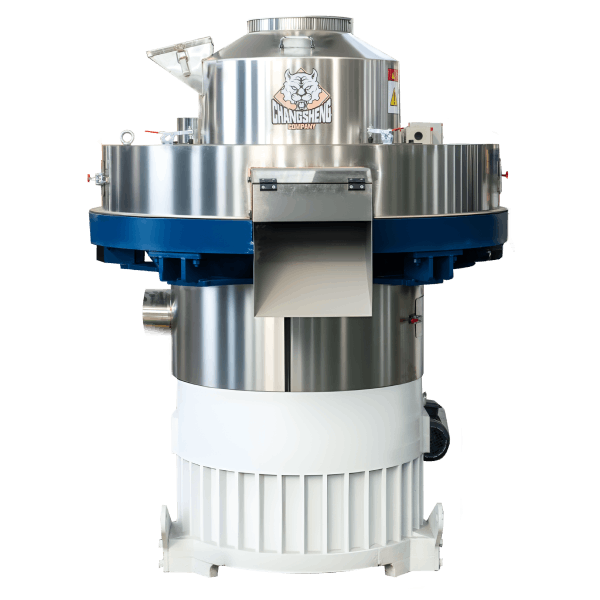
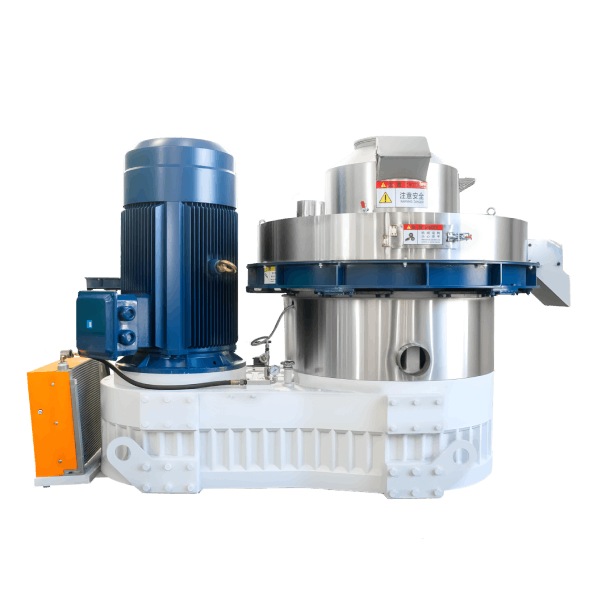
Pellet machine lifetime cost comparison
News 2026-03-03
Pellet Machine Lifetime Cost Comparison: Engineering and Procurement Perspective
Product Definition
Pellet machine lifetime cost comparison is a structured engineering evaluation method that analyzes total capital expenditure, operating costs, maintenance cycles, energy efficiency, spare part consumption, and equipment lifespan over a defined production period. It enables biomass plant investors and EPC contractors to determine the true cost per ton across the equipment lifecycle.
- Why Pellet Machine Lifetime Cost Comparison Matters
In industrial biomass production, the purchase price of a pellet mill typically represents only 25–40% of total lifecycle expenditure. Energy consumption, die and roller wear, gearbox maintenance, labor downtime, and spare parts replacement form the remaining cost burden.
A professional pellet machine lifetime cost comparison helps decision-makers:
• Calculate cost per ton over 5–10 years
• Compare transmission systems objectively
• Identify high-risk maintenance components
• Reduce unexpected shutdown costs
• Improve long-term ROI predictability
For procurement managers and engineering consultants, pellet machine lifetime cost comparison is a financial control tool rather than a marketing exercise.
- Technical Parameters and Economic Indicators
When performing pellet machine lifetime cost comparison, the following technical and economic data should be collected:
Production Capacity
• 2–3 t/h (medium-scale line)
• 4–6 t/h (industrial line)
• 8–10 t/h (large biomass plant)
Main Motor Power
• 110 kW
• 132 kW
• 160–250 kW
Energy Consumption
• 75–100 kWh per ton (depending on raw material)
Ring Die Lifespan
• 1,500–2,500 operating hours
Roller Shell Lifespan
• 800–1,500 operating hours
Bearing Replacement Cycle
• 8–18 months depending on load
Gearbox Maintenance Interval
• Oil change every 2,000–4,000 hours
Frame Service Life
• 8–12 years with proper maintenance
These measurable parameters form the backbone of pellet machine lifetime cost comparison calculations.
- Structural and Material Composition
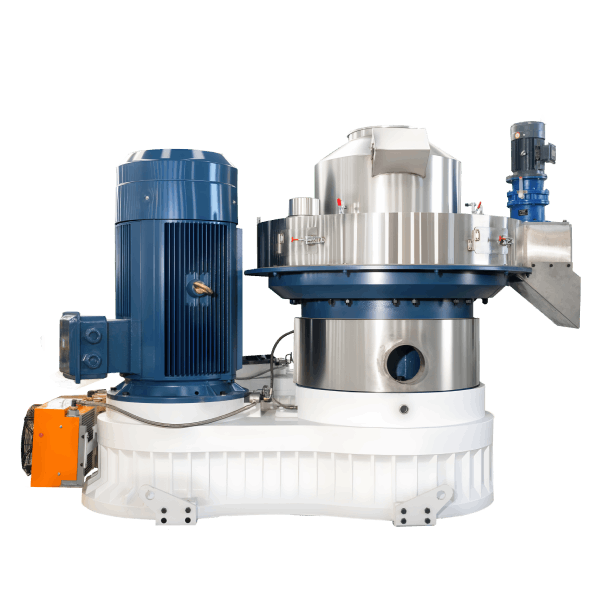
Structural quality directly influences long-term cost performance. In pellet machine lifetime cost comparison, review the following components:
Main Frame
• High-strength welded steel
• Stress-relieved and precision-machined
Ring Die
• Forged alloy steel (e.g., 42CrMo equivalent)
• Vacuum heat treatment
• Surface hardness 52–58 HRC
Press Rollers
• Replaceable wear shell design
• Sealed heavy-duty bearings
Main Shaft
• Forged alloy steel
• Ultrasonic defect inspection
Gearbox
• Hardened helical gears
• Oil bath lubrication
• Integrated cast housing
Lubrication System
• Automatic grease injection
• Oil cooling for high-load systems
Material grade and machining precision significantly affect pellet machine lifetime cost comparison outcomes.
- Manufacturing Process and Cost Impact
Manufacturing quality determines maintenance frequency and spare parts consumption. In pellet machine lifetime cost comparison, assess the following process stages:
Step 1: Raw Material Verification
Chemical composition testing for alloy steel components.
Step 2: Forging
Controlled forging temperature to optimize grain structure.
Step 3: Heat Treatment
Vacuum quenching and tempering; hardness inspection.
Step 4: CNC Machining
Precision tolerance within ±0.02 mm for shaft and die interfaces.
Step 5: Gear Grinding
Hardened gears with accurate tooth profile.
Step 6: Assembly Alignment
Laser alignment for motor–gearbox–shaft concentricity.
Step 7: Load Testing
Trial operation at 70–90% capacity; vibration and temperature monitoring.
Inadequate manufacturing control increases lifecycle costs, even if initial pricing is lower.
- Industry Comparison Table
Pellet machine lifetime cost comparison between common transmission systems:
Item | Belt-Driven Pellet Mill | Direct Gear-Driven Pellet Mill
Initial Investment | Lower | Moderate
Energy Efficiency | Medium | Higher
Gearbox Maintenance | Frequent belt adjustment | Lower frequency
Vibration Level | Higher | Lower
Die Wear Stability | Variable | More stable
Downtime Risk | Higher | Lower
Total Cost per Ton (Long-Term) | Higher | Lower
Over a 5–8 year horizon, gear-driven systems typically show more favorable pellet machine lifetime cost comparison results in continuous production environments.
- Application Scenarios
Pellet machine lifetime cost comparison is essential for:
Distributors
• Selecting durable equipment to reduce warranty claims
EPC Contractors
• Ensuring predictable operating cost in biomass power projects
Engineering Consultants
• Providing cost modeling for investment feasibility studies
Importers and Wholesalers
• Protecting brand reputation through reliable machinery
Industrial Biomass Producers
• Wood pellet export plants
• Agricultural residue pellet facilities
• Integrated biomass energy systems
- Core Pain Points and Engineering Solutions
Pain Point 1: Underestimated Energy Consumption
Solution: Verify real kWh/ton data through load testing.
Pain Point 2: High Spare Parts Expense
Solution: Select standardized roller shells and high-quality die materials.
Pain Point 3: Unexpected Gearbox Failure
Solution: Choose hardened gear transmission with documented service intervals.
Pain Point 4: Frequent Bearing Replacement
Solution: Install heavy-duty spherical roller bearings and automated lubrication.
Pain Point 5: Production Downtime
Solution: Evaluate structural rigidity and vibration control in pellet machine lifetime cost comparison studies.
- Risk Warnings and Avoidance Recommendations
• Do not rely solely on initial purchase price comparison.
• Request documented maintenance history from reference projects.
• Verify die and roller material certificates.
• Inspect gearbox machining quality.
• Ensure proper installation alignment at commissioning stage.
Ignoring pellet machine lifetime cost comparison may lead to underestimated long-term operating expenses.
- Procurement and Selection Guide
Step 1: Define annual production target and operating hours.
Step 2: Estimate total tonnage over 5–10 years.
Step 3: Calculate projected energy consumption.
Step 4: Determine expected die and roller replacement frequency.
Step 5: Compare gearbox transmission designs.
Step 6: Evaluate spare parts availability and standardization.
Step 7: Request lifecycle cost modeling from suppliers.
Step 8: Review after-sales technical support capacity.
A structured pellet machine lifetime cost comparison ensures financially sustainable procurement decisions.
- Engineering Case Study
Project: 5 t/h Wood Pellet Production Line
Operation: 18–20 hours per day
Investment Period Analyzed: 6 years
Configuration:
• 132 kW gear-driven pellet mill
• 560 mm ring die
• Automatic lubrication system
• Heavy-duty gearbox
Operational Results:
• Average energy consumption: 85 kWh per ton
• Die replacement interval: ~2,000 hours
• Roller shell replacement interval: ~1,200 hours
• Downtime reduced by approximately 25% compared to previous belt-driven system
Lifecycle Evaluation Outcome:
Although initial capital cost was moderately higher, pellet machine lifetime cost comparison over six years showed lower cost per ton due to reduced maintenance and improved energy efficiency.
- FAQ – Pellet Machine Lifetime Cost Comparison
- What is included in lifetime cost?
CAPEX, energy, spare parts, maintenance, downtime losses. - How many years should be considered?
Typically 5–10 years for industrial planning. - Does higher capacity reduce cost per ton?
Often yes, if utilization rate remains high. - How significant is energy cost?
Energy can account for 30–50% of OPEX. - What component drives most maintenance cost?
Ring die and roller wear parts. - Is gearbox quality critical for cost control?
Yes, gearbox failure leads to major downtime expenses. - Can lubrication reduce total cost?
Proper lubrication extends bearing life significantly. - Should EPC firms conduct onsite inspection?
Yes, to verify manufacturing standards. - How does vibration affect lifecycle cost?
Excessive vibration increases wear and reduces component life. - Is spare parts standardization important?
Yes, it reduces inventory and logistics costs. - Request Technical and Financial Documentation
For detailed pellet machine lifetime cost comparison reports, including lifecycle modeling spreadsheets, component material specifications, and energy consumption data, contact our engineering team for:
• Formal quotation
• Technical drawings
• Lifecycle cost breakdown
• Reference project documentation
Professional inquiries from distributors, EPC contractors, and biomass project investors are welcome.
Author Expertise Statement (E-E-A-T)
This article is prepared by a mechanical engineering team with over 15 years of experience in biomass pellet production systems, equipment selection, lifecycle cost modeling, and industrial commissioning projects across multiple international markets. All analyses are based on engineering evaluation methods and field operational data to support informed procurement decisions.
For project-specific pellet machine lifetime cost comparison assessment, submit your production parameters for a technical review.