Pellet machine ton per hour electricity usage Guide
News 2026-03-02
Pellet Machine Ton Per Hour Electricity Usage: Engineering Analysis and Cost Control Strategy
Product Definition
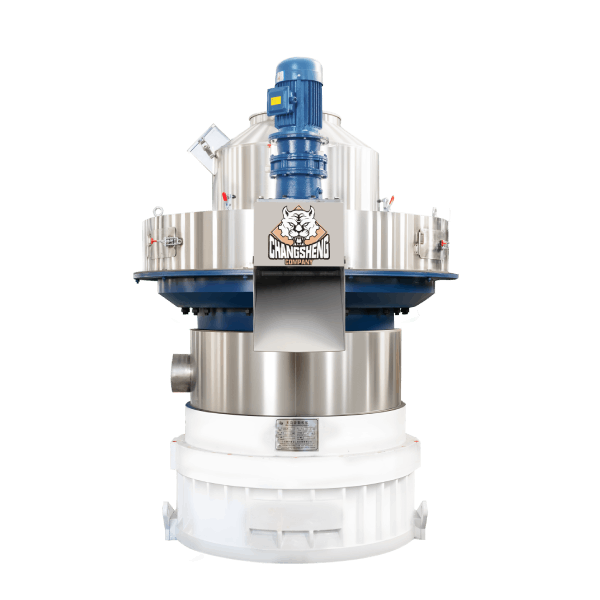
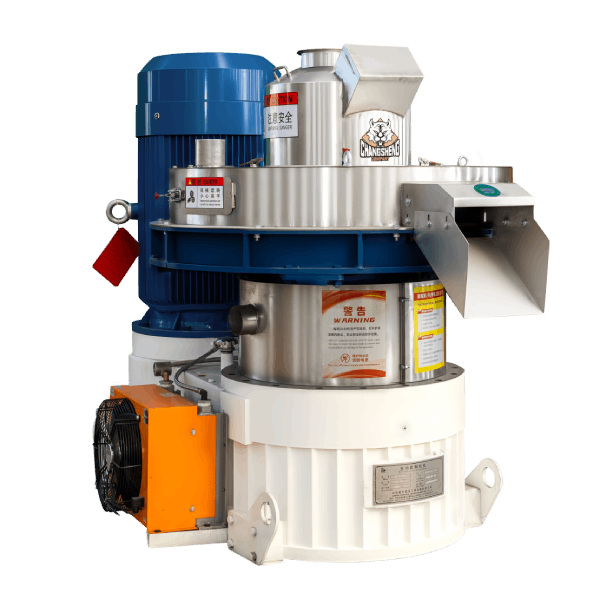
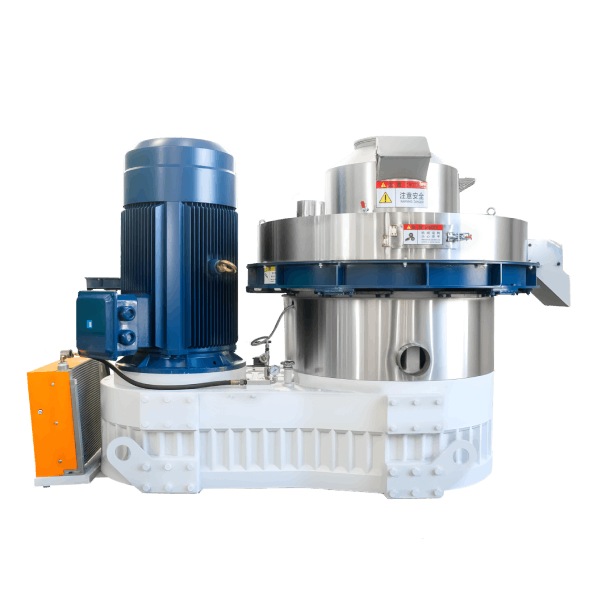
Pellet machine ton per hour electricity usage refers to the electrical energy consumed to produce one metric ton of finished pellets under continuous operation. It is typically expressed in kWh per ton and serves as a key performance indicator for evaluating efficiency, operating cost, and equipment optimization in biomass pellet plants.
Introduction
For procurement managers and EPC contractors, pellet machine ton per hour electricity usage is not simply a technical metric—it directly determines production cost per ton and long-term plant profitability. While many suppliers promote motor power ratings, fewer provide transparent energy consumption per ton under realistic conditions.
Electricity usage depends on raw material density, moisture content, compression ratio, mechanical efficiency, and load stability. Understanding how to calculate and verify pellet machine ton per hour electricity usage allows buyers to avoid inflated performance claims and to build accurate financial models.
Technical Parameters and Practical Energy Benchmarks
The following parameters influence pellet machine ton per hour electricity usage in industrial ring die systems:
Ring Die Diameter: 420–560 mm
Main Motor Power: 90–250 kW
Typical Output Range: 1–5 t/h
Optimal Raw Material Moisture: 12–15%
Die Compression Ratio: 1:5–1:8
Bulk Density of Feedstock: 150–300 kg/m³
Main Motor Load Rate: 85–95% rated current
Industry Benchmarks for Pellet Machine Ton Per Hour Electricity Usage
Softwood pellets: 75–90 kWh/ton
Hardwood pellets: 85–105 kWh/ton
Straw-based pellets: 90–120 kWh/ton
High-ash agricultural biomass: 100–130 kWh/ton
These values reflect stable industrial operation over 8-hour continuous production, not short-term peak testing.
Structure and Material Composition
Energy consumption is strongly influenced by machine design.
Drive System
• High-efficiency IE3 or IE4 motor
• Helical gear reducer with ≥95% transmission efficiency
• Forced lubrication oil cooling
Pelletizing Chamber
• Hardened alloy steel ring die (HRC 52–55)
• Dual press rollers with adjustable clearance
• Wear-resistant roller shells
Feeding and Control
• Variable frequency feeder
• Load monitoring sensors
• PLC-based power optimization system
Cooling and Screening
• Counterflow cooler matched to pellet output
• Vibrating screen to control recycle rate
Mechanical losses in gears, misalignment of rollers, or excessive die resistance increase pellet machine ton per hour electricity usage significantly.
Manufacturing and Operational Process Impact
- Raw Material Size Reduction
Equipment: Hammer mill
Target size: ≤5 mm
Oversized particles increase torque load and electricity consumption. - Moisture Conditioning
Equipment: Rotary dryer
Target moisture: 12–15%
Excess moisture increases extrusion resistance. - Pelletizing
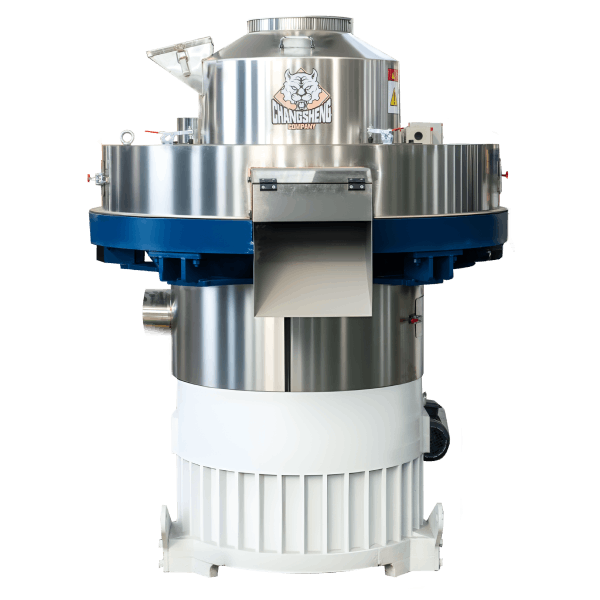
Equipment: Ring die pellet machine
Key point: Maintain stable feed rate and motor load within 85–95%. - Cooling and Screening
Recycle rate should remain below 5% to avoid double processing energy waste.
Process instability is a primary reason pellet machine ton per hour electricity usage rises beyond expected levels.
Industry Comparison
| Factor | Energy Efficient Operation | Inefficient Operation |
|---|---|---|
| Raw Material Moisture | Stable 13% | Fluctuating 10–18% |
| Die Condition | New or calibrated | Worn or clogged |
| Motor Load | 90% rated | 60% or overloaded |
| Recycle Rate | <5% | >10% |
| kWh per Ton | 80–95 | 110–140 |
This comparison shows that pellet machine ton per hour electricity usage depends on operational control, not only motor size.
Core Pain Points and Engineering Solutions
- High Energy Cost per Ton
Cause: Incorrect die compression ratio.
Solution: Customize compression ratio according to fiber length and density. - Motor Oversizing
Cause: Large motor operating under partial load.
Solution: Match motor power with realistic capacity requirement. - Moisture Instability
Cause: Inconsistent drying control.
Solution: Install online moisture monitoring system. - Excessive Recycle Material
Cause: Poor cooling efficiency or screening adjustment.
Solution: Optimize airflow and vibration frequency. - Mechanical Friction Loss
Cause: Gear misalignment or inadequate lubrication.
Solution: Regular gearbox inspection and oil temperature monitoring.
Addressing these factors reduces pellet machine ton per hour electricity usage by 10–20% in many plants.
Risk Warnings and Avoidance Strategies
• Avoid suppliers who only provide motor power without kWh/ton data.
• Do not assume higher motor power equals lower electricity consumption.
• Monitor real-time current and voltage stability.
• Evaluate energy consumption under full-load continuous testing.
• Include energy performance benchmarks in procurement contracts.
Ignoring pellet machine ton per hour electricity usage may distort financial projections by 8–15%.
Procurement and Selection Guide
Step 1: Define target cost per ton based on local electricity tariffs.
Step 2: Calculate required hourly capacity and annual production volume.
Step 3: Request documented kWh/ton test reports under similar raw material conditions.
Step 4: Compare transmission efficiency of gearbox systems.
Step 5: Evaluate die design and compression ratio compatibility.
Step 6: Verify cooling system matching capacity.
Step 7: Assess availability of spare parts and technical support.
Step 8: Include energy consumption clause in purchase agreement.
This structured approach ensures accurate estimation of pellet machine ton per hour electricity usage before investment.
Engineering Case Study
Project: 3 t/h Wood Pellet Production Line
Location: Eastern Europe
Electricity Tariff: 0.12 USD/kWh
Initial Condition
Advertised energy consumption: 80 kWh/ton
Measured actual value: 105 kWh/ton
Root Causes
• Moisture fluctuations from 12% to 18%
• Die wear after 800 operating hours
• Motor load instability at 70–75%
Corrective Actions
• Installed moisture sensor at dryer outlet
• Replaced ring die with optimized compression ratio
• Adjusted feeder frequency to stabilize motor load
Final Performance
Stable electricity usage: 88 kWh/ton
Annual electricity cost reduction: approximately 60,000 USD
This case demonstrates that pellet machine ton per hour electricity usage can be optimized through process engineering rather than replacing the entire system.
Application Scenarios
Distributors
Use verified kWh/ton data to differentiate products in competitive markets.
EPC Contractors
Integrate energy efficiency evaluation into feasibility studies.
Engineering Consultants
Model long-term operating cost using realistic electricity benchmarks.
Importers and Wholesalers
Select equipment that meets regional energy efficiency standards.
FAQ
- What is typical pellet machine ton per hour electricity usage?
Usually 75–120 kWh per ton depending on material. - Does motor power equal energy consumption?
No. Load factor and material resistance matter. - How to calculate electricity cost per ton?
Multiply kWh/ton by local electricity tariff. - Can moisture increase electricity usage?
Yes, excessive moisture increases extrusion resistance. - Is softwood more energy efficient than hardwood?
Generally yes, due to higher natural lignin content. - Does die wear affect power consumption?
Yes, worn dies increase friction and energy demand. - Should testing run at full load?
Yes, continuous full-load testing provides realistic data. - What load percentage is ideal?
85–95% of rated motor capacity. - Is cooling energy included in kWh/ton?
Usually main motor only; auxiliary systems should be calculated separately. - Can optimization reduce energy usage significantly?
In many plants, 10–20% reduction is achievable.
Request Technical Documentation or Quotation
To evaluate pellet machine ton per hour electricity usage for your project, provide raw material type, moisture percentage, required hourly capacity, and local electricity tariff. Our engineering team will prepare a structured energy calculation sheet, equipment configuration proposal, and formal quotation tailored to your operating conditions.
Authoritative Industry Background (E-E-A-T)
This analysis is prepared by mechanical engineers and biomass plant commissioning specialists with more than 15 years of experience in industrial pellet line design and energy optimization. The team has supervised multiple 1–10 t/h production lines across Asia and Europe, focusing on measurable performance verification and lifecycle energy cost control.