Pellet machine production rate per day
News 2026-03-01
Pellet Machine Production Rate Per Day: Engineering Analysis and Capacity Planning Guide
Product Definition (40–60 words)
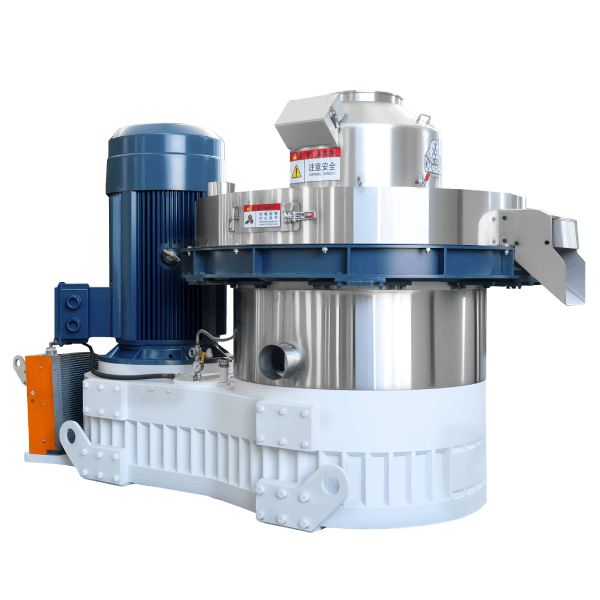
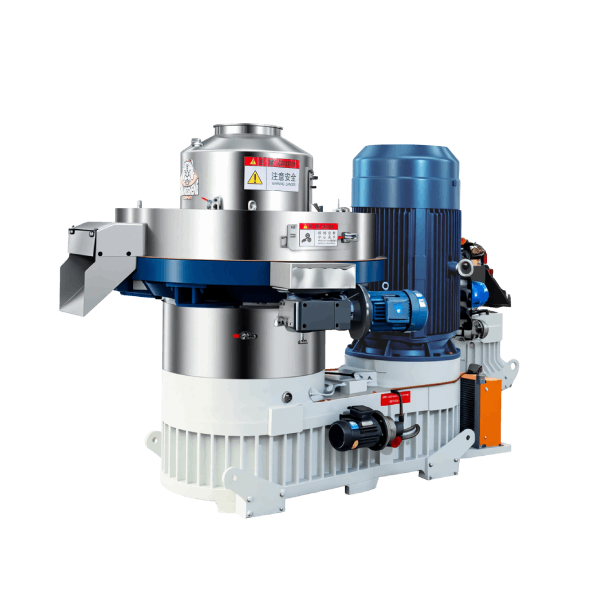
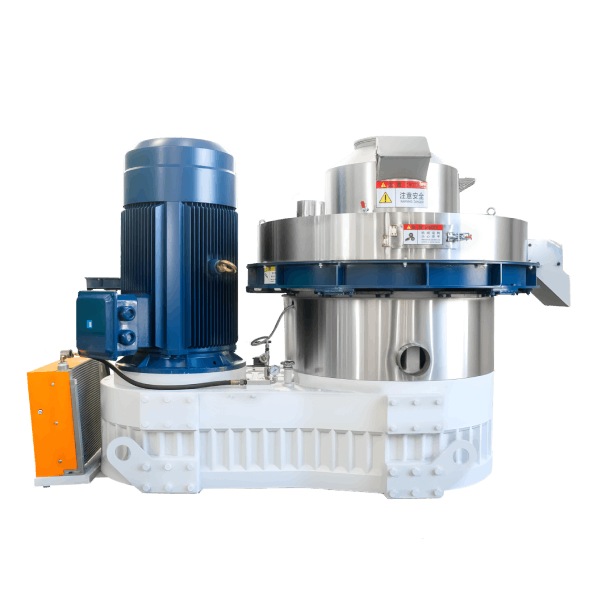
Pellet machine production rate per day refers to the total mass of qualified pellets produced within 24 hours under stable operating conditions. It is determined by raw material characteristics, die configuration, motor power, and process design, and is a key indicator for plant capacity planning and ROI calculation.
Understanding Pellet Machine Production Rate Per Day
For procurement managers and EPC contractors, pellet machine production rate per day is not simply a catalog figure. It is an integrated performance metric influenced by:
• Raw material moisture and density
• Ring die diameter and compression ratio
• Main motor power and transmission efficiency
• Feeding stability and conditioning quality
• Continuous operating hours
In industrial biomass systems, realistic daily production must be calculated based on effective working time (typically 20–22 hours per day), excluding maintenance and cleaning intervals.
Technical Parameters and Specifications
Below are typical capacity ranges for industrial ring die pellet machines used in biomass applications such as wood chips, sawdust, rice husk, and agricultural residues. All values assume moisture 12–15% and bulk density 450–650 kg/m³.
Model Range: 420 mm ring die
Main Motor Power: 90–110 kW
Typical Throughput: 1.0–1.5 tons/hour
Estimated Pellet Machine Production Rate Per Day: 20–30 tons
Model Range: 508 mm ring die
Main Motor Power: 132–160 kW
Typical Throughput: 1.8–2.5 tons/hour
Estimated Pellet Machine Production Rate Per Day: 36–50 tons
Model Range: 560–600 mm ring die
Main Motor Power: 200–250 kW
Typical Throughput: 3–5 tons/hour
Estimated Pellet Machine Production Rate Per Day: 60–100 tons
Industrial Line (Dual Machine Configuration)
Total Installed Power: 400–500 kW
Combined Throughput: 6–10 tons/hour
Pellet Machine Production Rate Per Day: 120–200 tons
Actual performance depends on die wear, operator skill, and feeding system stability.
Structure and Material Composition
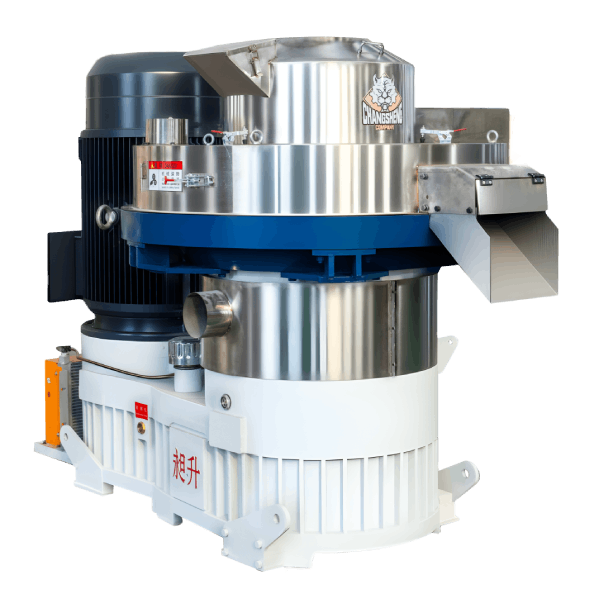
A high-capacity pellet system consists of the following engineered components:
Main Mechanical Assembly
• Ring die (alloy steel, 4Cr13 or equivalent)
• Press rollers with wear-resistant sleeves
• Main shaft forged steel structure
• Heavy-duty gearbox
Power System
• High-efficiency electric motor (IE3/IE4)
• Flexible coupling
• Lubrication system (automatic grease pump)
Feeding and Conditioning
• Variable frequency feeder
• Steam conditioner (optional for biomass pre-treatment)
• Surge bin with level sensor
Cooling and Packaging
• Counterflow cooler
• Vibrating screener
• Automatic bagging or bulk loading system
Each subsystem directly impacts pellet machine production rate per day by influencing compaction efficiency and uptime stability.
Manufacturing Process and Engineering Workflow
Industrial pellet production follows a defined engineering sequence:
- Raw Material Preparation
Equipment: Hammer mill or chipper
Target particle size: 3–5 mm
Process control: Uniform size distribution - Drying
Equipment: Rotary drum dryer
Target moisture: 12–15%
Key control: Temperature < 180°C to avoid fiber degradation - Pelletizing
Equipment: Ring die pellet mill
Compression ratio selection: 1:5–1:8 depending on material
Key factor: Stable feeding to maintain rated throughput - Cooling
Equipment: Counterflow cooler
Final pellet temperature: Ambient +5°C - Screening and Packing
Remove fines (<3%) to maintain product quality
Optimizing these stages is critical to achieving the designed pellet machine production rate per day without overloading the motor.
Industry Comparison Table
| Equipment Type | Typical Hourly Capacity | Daily Production (20h) | Energy Consumption | Suitability |
|---|---|---|---|---|
| Flat Die Pellet Machine | 0.3–0.8 t/h | 6–16 tons | Higher per ton | Small workshops |
| Ring Die Pellet Machine | 1–5 t/h | 20–100 tons | Lower per ton | Industrial plants |
| Twin-Line Ring Die System | 6–10 t/h | 120–200 tons | Optimized | Large EPC projects |
Ring die systems provide higher pellet machine production rate per day with better mechanical durability and lower long-term operating cost.
Application Scenarios
Distributors
Require stable pellet machine production rate per day to guarantee consistent supply contracts.
EPC Contractors
Use production calculations to design full biomass fuel plants and estimate electrical infrastructure load.
Engineering Consultants
Evaluate production stability during feasibility studies and bankability assessments.
Importers / Wholesalers
Select machines based on target market demand volume and logistics planning.
Core Pain Points and Solutions
- Overestimated Capacity
Problem: Catalog values assume ideal material.
Solution: Conduct raw material testing before finalizing capacity. - Motor Overload and Tripping
Problem: Moisture above 18% increases resistance.
Solution: Install inline moisture monitoring. - Die Wear Reduces Output
Problem: Compression efficiency declines after 800–1000 hours.
Solution: Implement preventive die maintenance schedule. - Unstable Feeding Reduces Throughput
Problem: Irregular material flow decreases pellet machine production rate per day.
Solution: Use frequency-controlled feeder and level sensor.
Risk Warnings and Mitigation
• Excessive compression ratio increases energy consumption and lowers daily output.
• Continuous 24-hour operation without cooling intervals shortens bearing life.
• Inadequate dust removal may cause explosion hazards.
• Undersized electrical panels may lead to voltage drop and production instability.
Engineering validation before commissioning is recommended.
Procurement and Selection Guide
Step 1: Define required pellet machine production rate per day based on annual target output.
Step 2: Calculate required hourly throughput (daily output ÷ 20 operating hours).
Step 3: Analyze raw material type and moisture range.
Step 4: Confirm electrical capacity and transformer size.
Step 5: Evaluate supplier’s manufacturing tolerance and die material quality.
Step 6: Request performance test data under similar material conditions.
Step 7: Verify spare parts availability and service network.
Engineering Case Study
Project Location: Southeast Asia biomass fuel plant
Raw Material: Rubber wood chips
Moisture After Drying: 13%
Installed Equipment: Two 560 mm ring die pellet mills
Rated Capacity: 4 t/h per unit
Measured Throughput: 7.6 t/h combined
Effective Operating Time: 21 hours/day
Actual Pellet Machine Production Rate Per Day: 159.6 tons
Energy Consumption: 95–105 kWh per ton
System Availability: 92% during first operational year
The project achieved target ROI within 18 months due to stable daily production and optimized maintenance scheduling.
FAQ
- What affects pellet machine production rate per day most?
Raw material moisture and die configuration. - Can capacity be increased by upgrading motor power?
Only if mechanical structure supports higher torque. - Is 24-hour operation recommended?
No. Planned downtime improves equipment lifespan. - What is ideal moisture content?
12–15% for most biomass materials. - How to calculate required capacity?
Daily target ÷ effective operating hours. - Does ring die diameter determine output?
Yes, larger diameter increases compaction area. - What is typical energy consumption?
80–120 kWh per ton for industrial systems. - How often should dies be replaced?
After 800–1200 operating hours depending on wear. - Can agricultural residues achieve same output as wood?
Usually lower due to fiber differences. - Is steam conditioning necessary?
Optional for biomass, essential for feed pellets.
Request Technical Documentation or Quotation
For detailed capacity calculation, process layout drawings, or performance testing reports related to pellet machine production rate per day, contact our engineering team for formal quotation and technical specification sheets. Plant layout consultation and pilot material testing are available upon request.
Authoritative Industry Background (E-E-A-T)
This article is prepared by mechanical engineers with over 15 years of experience in biomass pellet plant design, capacity optimization, and industrial equipment manufacturing. The team has participated in multiple EPC pellet fuel projects across Asia and the Middle East, focusing on performance validation, energy efficiency, and lifecycle cost analysis.