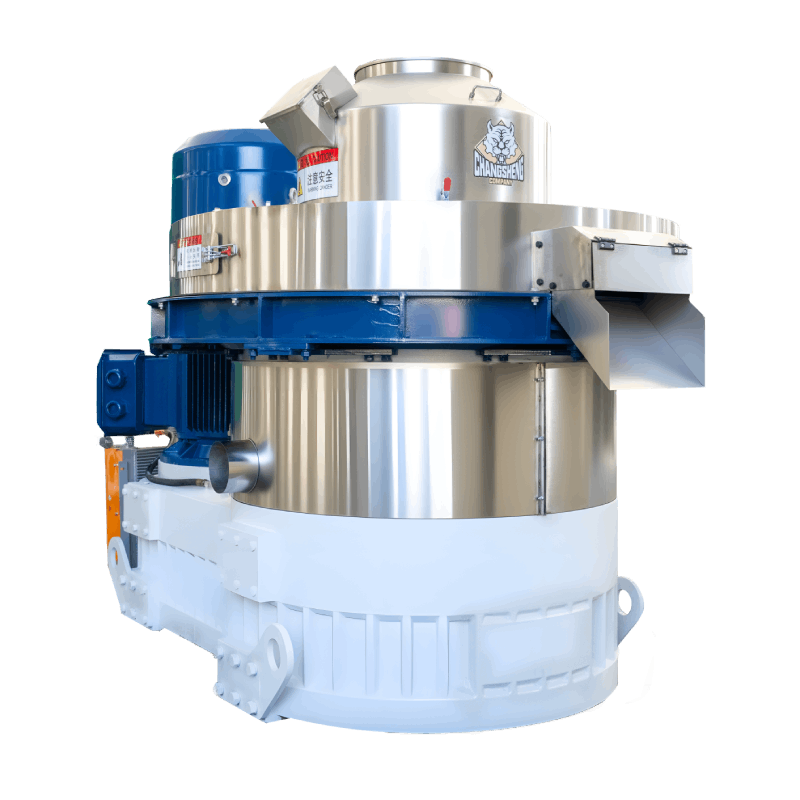
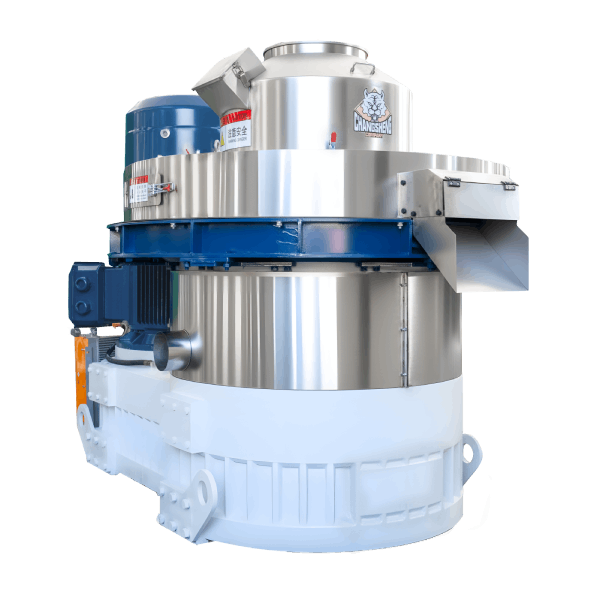
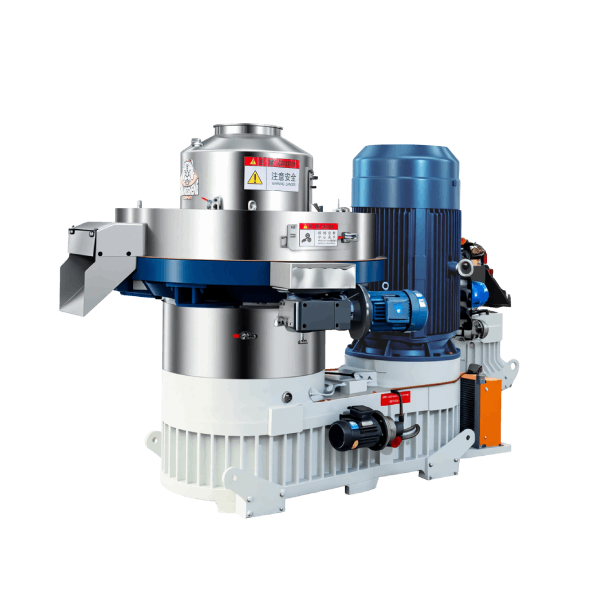
Pellet machine raw material moisture percentage guide
News 2026-02-28
Pellet Machine Raw Material Moisture Percentage: Engineering Control Standard for Industrial Pellet Production
Product Definition
Pellet machine raw material moisture percentage refers to the controlled water content of biomass feedstock before pelletizing. Maintaining the correct moisture range ensures stable compression, optimal lignin activation, reduced die wear, consistent pellet density, and energy-efficient operation in industrial pellet production systems.
Technical Parameters and Specification Standards
Controlling pellet machine raw material moisture percentage is a critical engineering parameter in biomass pellet manufacturing. Industry data from commercial wood pellet plants indicate the following operational standards:
Optimal Moisture Range (Wet Basis)
• Hardwood sawdust: 10%–13%
• Softwood sawdust: 11%–14%
• Agricultural straw: 12%–15%
• Rice husk: 12%–14%
Upper Safety Limit
• >18% moisture leads to steam instability, die blockage, and pellet cracking
Lower Safety Limit
• <8% moisture reduces natural binding and increases energy consumption
Target Pellet Moisture After Cooling
• 6%–9%
Moisture Uniformity Requirement
• Variation across batch: ≤2%
Dryer Evaporation Capacity Reference
• 1 ton water removal requires approx. 850–1,000 kcal/kg evaporation energy depending on system efficiency
Failure to maintain pellet machine raw material moisture percentage within specification results in unstable pellet density, excessive power load, and increased maintenance frequency.
Structure and Material Composition of Moisture Control System
A stable pellet machine raw material moisture percentage depends on an integrated preprocessing system:
- Moisture Detection Unit
• Online microwave moisture sensor
• Portable digital moisture analyzer
• Sampling probe system - Drying System
• Rotary drum dryer (most common)
• Belt dryer (energy-efficient option)
• Hot air furnace (biomass or gas-fired) - Airflow and Dust Management
• Cyclone separator
• Induced draft fan
• Multi-stage dust collector - Buffer Storage
• Sealed silo
• Controlled discharge valve
• Level monitoring system
Each subsystem ensures the pellet machine raw material moisture percentage remains stable before entering the pellet mill.
Manufacturing Process: Engineering Workflow
Step 1: Raw Material Testing
Incoming biomass tested for initial moisture (typically 30%–55% for fresh wood residues).
Step 2: Pre-Drying Preparation
Material size reduced to 3–5 mm to improve drying efficiency and ensure uniform heat transfer.
Step 3: Rotary Drying
Hot air temperature: 180–350°C (inlet)
Material outlet temperature: 60–90°C
Target moisture adjusted to meet pellet machine raw material moisture percentage standard.
Step 4: Moisture Monitoring
Online sensor continuously measures moisture deviation. Automatic burner adjustment maintains stability.
Step 5: Conditioning (Optional)
For large industrial lines, controlled steam injection may fine-tune pellet machine raw material moisture percentage before pelletizing.
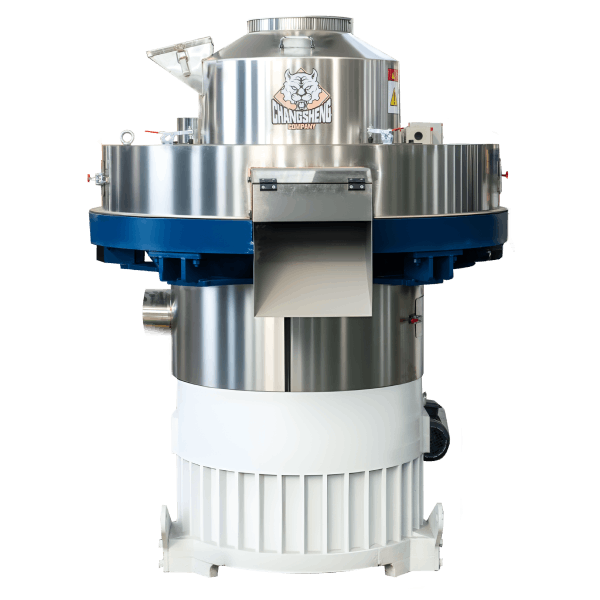
Step 6: Pelletizing
Stable moisture activates natural lignin under compression pressure (200–300 MPa inside die channels).
Step 7: Cooling
Pellets cooled to ambient temperature; final moisture reduced to 6%–9%.
Controlling pellet machine raw material moisture percentage can reduce specific energy consumption by 8%–15% compared to unstable feedstock.
Industry Comparison
Parameter | Wood Sawdust | Straw | Rice Husk
Initial Moisture | 35%–50% | 20%–35% | 15%–25%
Optimal Pre-Pellet Moisture | 10%–13% | 12%–15% | 12%–14%
Drying Difficulty | High | Medium | Low
Binder Dependency | Natural lignin | Partial | Low
Moisture Sensitivity | High | Medium | High
The pellet machine raw material moisture percentage tolerance window is narrower for hardwood due to density and fiber structure.
Application Scenarios
Distributors
Require standardized pellet machine raw material moisture percentage control to ensure pellet durability consistency for downstream clients.
EPC Contractors
Define moisture parameters in technical specifications to avoid commissioning delays and performance disputes.
Engineering Consultants
Evaluate dryer capacity and energy balance calculations during feasibility studies.
Importers and Wholesalers
Focus on final pellet moisture compliance for export quality standards (typically <10%).
Technical Directors
Monitor real-time moisture data to prevent die cracking and roller slip.
Core Pain Points and Engineering Solutions
- Pellet Cracking After Cooling
Cause: Excessive pellet machine raw material moisture percentage
Solution: Improve drying uniformity and airflow control. - High Energy Consumption
Cause: Over-dried material (<8%)
Solution: Install automatic burner modulation and moisture feedback loop. - Die Blockage
Cause: Moisture above 18%
Solution: Implement pre-screening and staged drying. - Inconsistent Pellet Density
Cause: Uneven moisture distribution
Solution: Install mixing buffer silo with controlled discharge. - Excess Steam Release
Cause: Rapid compression of wet material
Solution: Maintain stable pellet machine raw material moisture percentage within defined range.
Risk Warning and Mitigation
• Over-drying increases fire and dust explosion risk.
• Wet feedstock can cause sudden steam expansion inside die channels.
• Uneven drying leads to mold growth during storage.
• Inaccurate sensors create hidden quality deviations.
Mitigation Measures
• Weekly calibration of moisture sensors.
• Install spark detection systems in dryer ducts.
• Maintain dryer insulation and airflow balance.
• Implement batch sampling verification every 2–4 hours.
Procurement and Selection Guide
- Measure average initial raw material moisture over 7–10 days.
- Calculate required water evaporation per hour (kg/h).
- Select dryer type based on energy source availability.
- Confirm moisture sensor accuracy (±0.5%).
- Define acceptable pellet machine raw material moisture percentage range in contract.
- Verify dust collection compliance with safety standards.
- Evaluate fuel consumption per ton of evaporated water.
- Request commissioning moisture stability report.
Clear contractual definition of pellet machine raw material moisture percentage prevents performance disputes.
Engineering Case Example
Project: 6 t/h Wood Pellet Production Line
Location: Eastern Europe
Raw Material: Pine sawdust
Initial Moisture: 42%
Target Pellet Diameter: 6 mm
Engineering Configuration
• Rotary dryer evaporation capacity: 2 t/h
• Biomass hot air furnace
• Online microwave moisture analyzer
• 250 kW ring die pellet mill
Operational Results
• Pre-pellet moisture: 11.5% ±1%
• Final pellet moisture: 7.8%
• Pellet durability index: 97%
• Energy consumption: 95 kWh/t
After optimizing pellet machine raw material moisture percentage, die lifespan increased by approximately 25%.
FAQ
- What is the ideal pellet machine raw material moisture percentage?
Generally 10%–15% depending on biomass type. - Can pellets be produced at 20% moisture?
No, it causes instability and die blockage. - What happens if moisture is below 8%?
Binding efficiency decreases and power consumption rises. - Does moisture affect pellet density?
Yes, directly influences compression behavior. - How often should moisture be tested?
Continuous online monitoring plus manual verification every shift. - Is steam conditioning mandatory?
Not always; depends on plant scale and material. - Can agricultural biomass follow wood standards?
No, straw requires slightly higher moisture. - Does drying temperature affect quality?
Excessive heat can degrade fibers. - What is acceptable moisture deviation?
Within ±2% across batches. - Does correct moisture reduce maintenance?
Yes, significantly lowers die and roller wear.
Request Technical Documentation or Quotation
For detailed dryer sizing calculations, moisture balance sheets, or a customized proposal aligned with your pellet machine raw material moisture percentage requirements, contact our engineering team for formal technical documentation and project evaluation.
Authoritative Technical Statement (E-E-A-T)
This article is prepared by an industrial biomass engineering team with more than 15 years of experience in pellet plant design, moisture control optimization, and international project commissioning. All technical ranges reflect practical industrial data and established engineering standards used in commercial pellet production facilities worldwide.