Best pellet machine for small scale production
News 2026-02-13
Best Pellet Machine for Small Scale Production: Engineering Selection Guide for Industrial Buyers
Product Definition
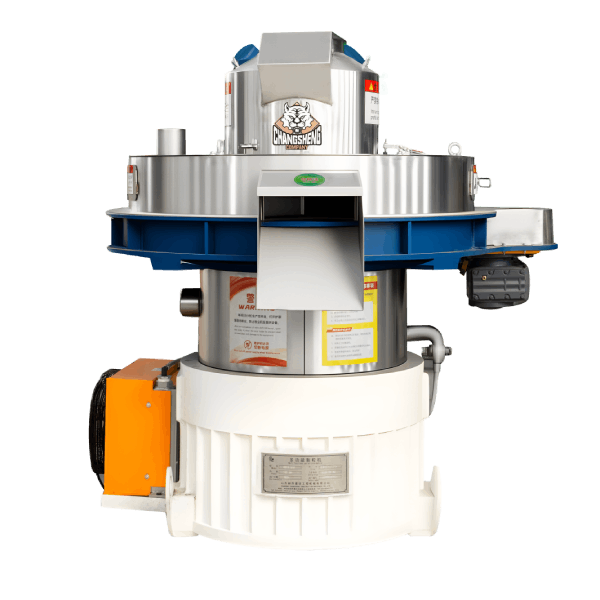
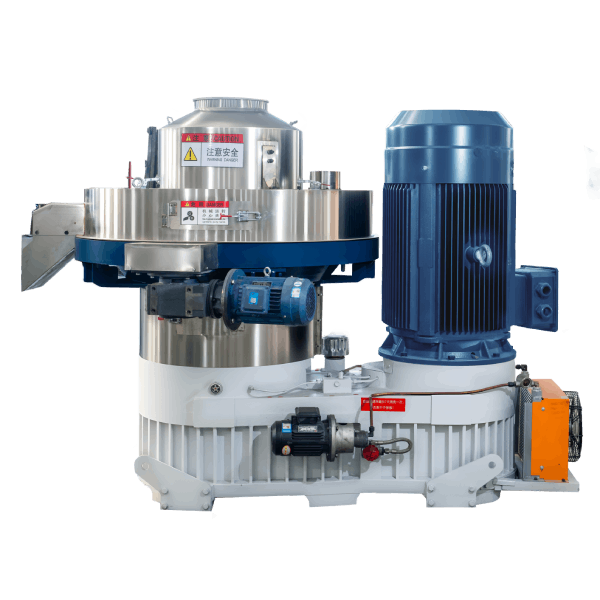
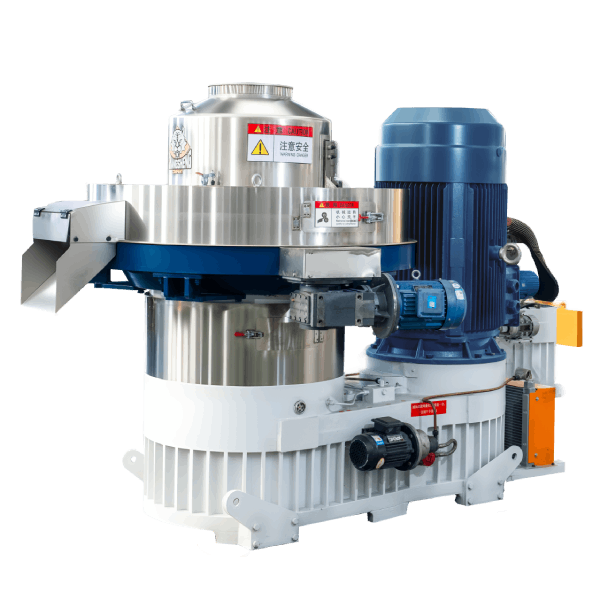
The best pellet machine for small scale production is an industrial-grade pelletizing system designed to convert biomass or feed materials into uniform pellets at low to medium throughput while maintaining stable output, controlled energy consumption, and predictable maintenance costs suitable for commercial or pilot-scale operations.
Technical Parameters and Specifications
Selecting the best pellet machine for small scale production requires evaluating engineering parameters rather than nominal capacity claims. Typical technical ranges include:
• Output capacity: 300 kg/h to 2,000 kg/h
• Pellet diameter: 4 mm, 6 mm, 8 mm, optional 10 mm
• Applicable materials: wood sawdust, agricultural residues, feed mixtures
• Raw material moisture requirement: 10–15 percent
• Main motor power: 15–75 kW
• Drive type: belt drive or compact gearbox drive
• Die type: flat die or small ring die
• Continuous operation design: 8–16 hours per day
• Control mode: basic electrical cabinet or PLC-assisted control
Machines operating outside these ranges may not qualify as truly suitable for small scale production from an engineering standpoint.
Structure and Material Composition
The internal structure defines whether a machine can be considered the best pellet machine for small scale production or merely a low-cost unit.
Core structural components include:
Main frame
• Carbon steel welded structure
• Reinforced load-bearing points for vibration control
Pelletizing unit
• Flat die or compact ring die made from alloy steel
• Precision-drilled die holes with basic heat treatment
Roller system
• Dual roller configuration
• Adjustable pressure clearance
Drive system
• Direct motor with belt transmission or small gearbox
• Thermal and overload protection
Bearing and lubrication
• Industrial-grade bearings
• Manual or semi-automatic lubrication system
Inferior material thickness or untreated steel significantly reduces service life under continuous operation.
Manufacturing and Pelletizing Process
The pellet production workflow for small scale systems follows industrial logic but with simplified integration:
Step 1: Raw material feeding
Equipment: screw feeder or gravity feeder
Process note: uneven feeding causes pellet density fluctuation
Step 2: Conditioning and compression
Equipment: pellet machine
Process note: compression ratio must match material fiber structure
Step 3: Pellet cutting and discharge
Equipment: adjustable knife system
Process note: consistent pellet length improves downstream handling
Step 4: Cooling and stabilization
Equipment: small pellet cooler or natural cooling conveyor
Process note: premature packaging causes pellet deformation
The best pellet machine for small scale production ensures stable performance across all steps, not only during compression.
Industry Comparison: Small Scale Pellet Machine Options
| Equipment Type | Flat Die Pellet Machine | Small Ring Die Pellet Machine | Briquette Press |
|---|---|---|---|
| Production scale | Small | Small–Medium | Small |
| Pellet uniformity | Medium | High | Medium |
| Energy efficiency | Medium | High | Low |
| Maintenance demand | Low | Medium | Medium |
| Investment level | Low | Medium | Medium |
| Suitability for commercial sales | Limited | High | Limited |
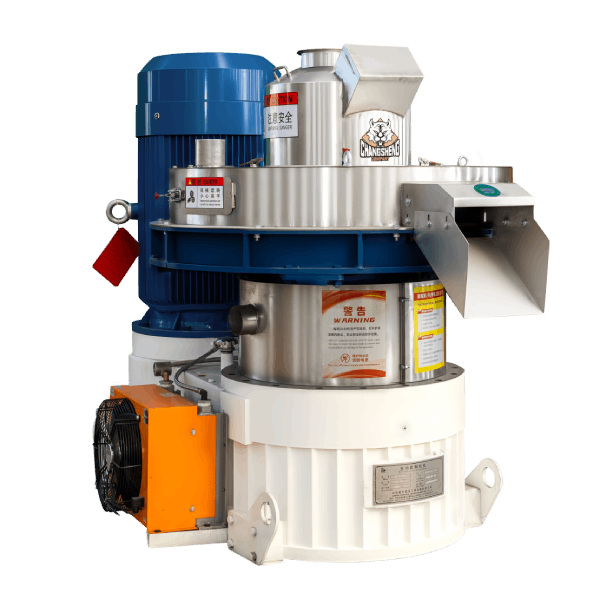
This comparison clarifies why small ring die systems are often considered the best pellet machine for small scale production when pellet quality matters.
Application Scenarios
Distributors and resellers
Use small scale pellet machines for regional pellet supply or equipment resale demonstrations.
EPC contractors
Deploy compact pellet units for pilot projects or modular plant expansions.
Agricultural processors
Convert waste biomass into sellable fuel or feed pellets.
Engineering consultants
Evaluate machine performance for feasibility studies and early-stage investment analysis.
Core Buyer Pain Points and Engineering Solutions
Pain Point 1: Overstated capacity claims
Solution: evaluate motor power and die size rather than advertised output
Pain Point 2: Unstable pellet quality
Solution: select machines with adjustable roller pressure
Pain Point 3: High downtime due to wear parts
Solution: confirm die material and roller hardness
Pain Point 4: Excessive energy consumption
Solution: match machine size precisely to production target
Risk Warnings and Mitigation Strategies
• Extremely low-cost machines often lack proper heat treatment
Mitigation: request material certificates or hardness data
• Small machines without cooling support produce fragile pellets
Mitigation: include basic cooling in system design
• Poor electrical protection increases motor failure risk
Mitigation: require overload and temperature protection
• Limited spare part availability increases lifecycle cost
Mitigation: verify local or international spare part supply
Procurement and Selection Guide (Actionable Steps)
Step 1: Define realistic daily production volume
Step 2: Identify raw material type and fiber characteristics
Step 3: Select flat die or ring die based on pellet quality requirements
Step 4: Verify power consumption per ton
Step 5: Review wear part replacement intervals
Step 6: Confirm installation and commissioning support
Step 7: Evaluate after-sales service capability
Following these steps ensures selection of the best pellet machine for small scale production rather than the cheapest option.
Engineering Application Example
A small biomass processing facility in Southeast Asia installed a 1.2 t/h ring die pellet machine for mixed hardwood sawdust. Compared with a flat die unit, pellet durability improved by 18 percent while energy consumption per ton decreased, validating the engineering-driven selection process.
Frequently Asked Questions
- What defines small scale pellet production?
Typically below 2 tons per hour. - Is flat die suitable for commercial pellet sales?
Only for limited local markets. - Which drive system is better for small scale use?
Gearbox drive offers better stability. - How long does a ring die last?
Depending on material, 800–1,500 hours. - Is cooling mandatory?
Strongly recommended. - Can one machine process different materials?
Yes with proper adjustment. - Does higher motor power mean higher output?
Not necessarily; die design matters. - What is typical installation time?
1–3 days for small systems. - How often should rollers be replaced?
Every 6–12 months under normal use. - Is automation necessary?
Basic automation improves consistency.
Call to Action
For accurate selection of the best pellet machine for small scale production, submit your material type, target capacity, operating hours, and pellet specification requirements to obtain a technically matched quotation and equipment recommendation.
E-E-A-T Author Credentials
This article is written by industrial pelletizing engineers and procurement advisors with over 15 years of experience in small and medium-scale pellet plant design, equipment selection, cost evaluation, and operational optimization across multiple biomass and feed applications.