How to Build a Pellet Production Line
News 2026-02-03
A pellet production line is an integrated industrial system designed to convert raw materials such as biomass residues or feedstock into uniform, dense pellets through crushing, drying, conditioning, pelleting, cooling, and screening. It is engineered for continuous operation, controlled output size, and consistent mechanical strength.
Technical Parameters and Specifications
When planning how to build a pellet production line, the following parameters should be defined at the engineering stage to ensure feasibility and cost control:
- Design capacity: 1–20 tons/hour (typical commercial range)
- Pellet diameter: 6–12 mm (biomass), 3–6 mm (feed)
- Main motor power: 55–250 kW (pellet mill, depending on capacity)
- Moisture content (inlet): 10–18%
- Moisture content (outlet): ≤10%
- Bulk density of pellets: 600–750 kg/m³
- System voltage: 380–440V, 50/60 Hz (industrial standard)
Structure and Material Composition
A complete pellet production line consists of modular subsystems, each built with specific material and mechanical requirements:
- Raw material handling: Carbon steel hoppers, belt or screw conveyors
- Size reduction unit: Hammer mill with alloy steel hammers and wear liners
- Drying system: Rotary drum dryer with heat-resistant steel shell
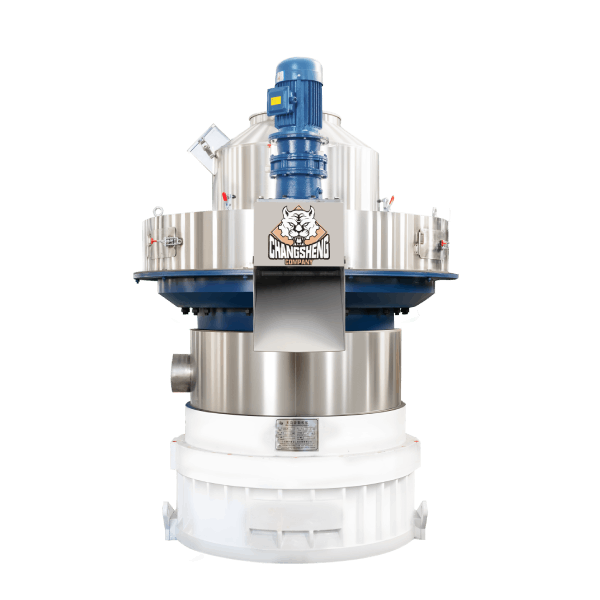
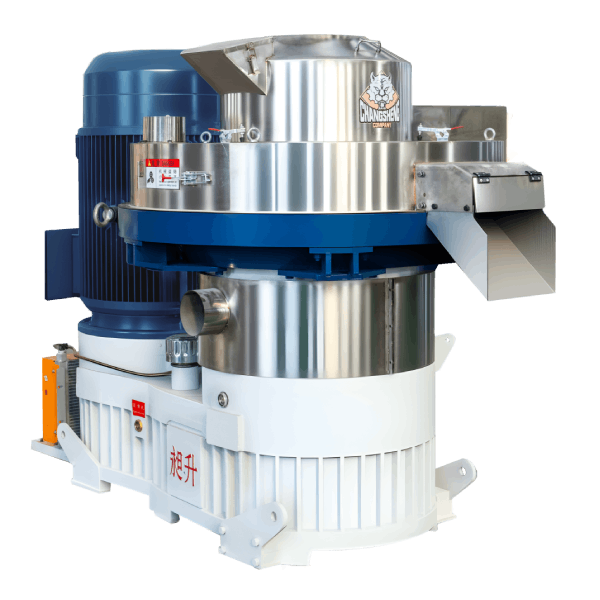
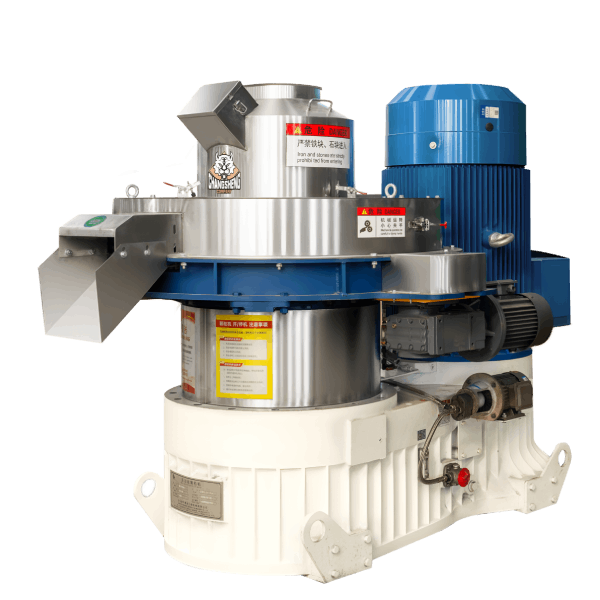
- Pelletizing unit: Ring die pellet mill with alloy steel die and rollers
- Cooling system: Counterflow cooler with perforated stainless panels
- Screening system: Vibrating screen for fines separation
- Control system: PLC-based cabinet with overload and temperature protection
Manufacturing Process and Engineering Workflow
Understanding how to build a pellet production line requires mapping each process step with equipment and control points:
- Raw Material Preparation: Bulk materials are fed into storage bins with controlled discharge.
- Crushing: Hammer mill reduces particle size to ≤5 mm for uniform pelletizing.
- Drying: Rotary dryer adjusts moisture using hot air generated by biomass or gas burner.
- Conditioning: Steam or water is added to optimize fiber bonding.
- Pelletizing: Material is compressed through ring die under high pressure.
- Cooling: Hot pellets are cooled to ambient temperature to stabilize shape.
- Screening & Packing: Fines are recycled; finished pellets are bagged or bulk-loaded.
Industry Comparison
| Item | Pellet Production Line | Briquette Line | Loose Biomass Handling |
|---|---|---|---|
| Bulk Density | High | Medium | Low |
| Transport Efficiency | High | Medium | Low |
| Automation Level | High | Medium | Low |
| End-User Market | Industrial / Energy | Local Heating | On-site Use |
Application Scenarios
A well-designed pellet production line is suitable for:
- Distributors building standardized fuel pellet supply
- EPC contractors delivering turnkey biomass energy projects
- Industrial plants converting waste into energy products
- Importers supplying pellet fuel to regional markets
Core Pain Points and Engineering Solutions
- Inconsistent pellet quality: Solved by precise moisture and conditioning control
- High energy consumption: Mitigated through optimized motor sizing and dryer efficiency
- Die and roller wear: Reduced by selecting proper alloy steel and material prep
- System downtime: Addressed via modular layout and spare part planning
Risk Warnings and Mitigation Strategies
Key risks when deciding how to build a pellet production line include:
- Overestimating capacity without raw material stability
- Improper dryer sizing leading to bottlenecks
- Ignoring dust control and fire prevention systems
- Lack of operator training and maintenance planning
Procurement and Selection Guide
- Confirm raw material type and annual availability
- Define target pellet specification and market standard
- Calculate required capacity with 10–15% buffer
- Evaluate equipment supplier manufacturing capability
- Review electrical and civil foundation requirements
- Request process flow diagram and energy balance
- Verify after-sales service and spare parts supply
Engineering Case Example
A 5 tons/hour biomass pellet production line was deployed for an agricultural waste project. The system used rice husk and wood chips, integrated a 2.2 m rotary dryer, 132 kW pellet mill, and automated bagging. Annual output reached 30,000 tons with stable pellet durability above 96%.
FAQ
- Q1: What is the minimum capacity for commercial use?
A: Typically 1 ton/hour. - Q2: Can one line process multiple materials?
A: Yes, with proper conditioning adjustments. - Q3: Is drying always required?
A: Only if moisture exceeds 15–18%. - Q4: Typical die lifespan?
A: 800–1200 hours depending on material. - Q5: Power consumption per ton?
A: 80–120 kWh. - Q6: Required operators?
A: 2–3 per shift. - Q7: Installation time?
A: 20–40 days. - Q8: Is PLC control mandatory?
A: Strongly recommended for stability. - Q9: Can pellets be exported?
A: Yes, if meeting destination standards. - Q10: Typical ROI period?
A: 18–36 months.
Call to Action
For detailed engineering drawings, equipment specifications, or a customized quotation on how to build a pellet production line, please submit your technical requirements to our engineering team.
E-E-A-T Author Credentials
This article is prepared by an industrial systems engineer with over 15 years of experience in biomass processing equipment, pellet production line design, and EPC project implementation across Asia, Europe, and South America.