Pellet Mill Bearing Replacement: Signs, Fit and Procedure
News 2026-11-06
A bearing failure on a pellet mill is one of the few faults that can damage the machine beyond the cost of the part. A worn bearing can show up as heat, noise, or vibration, and the order depends on the failure mode; by the time the vibration is obvious, the main shaft, the roller assembly, or the die carrier can already be damaged. The bearing itself is a modest part; the cost of a late replacement is the bearing plus the shaft plus the downtime, and the downtime is usually the largest of the three.
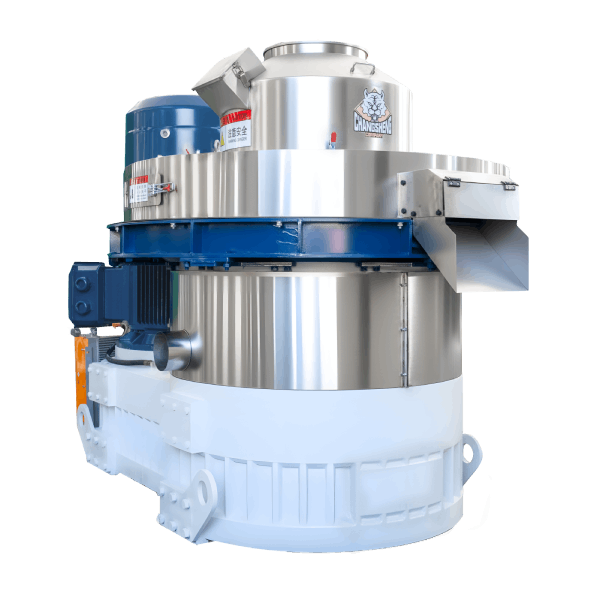
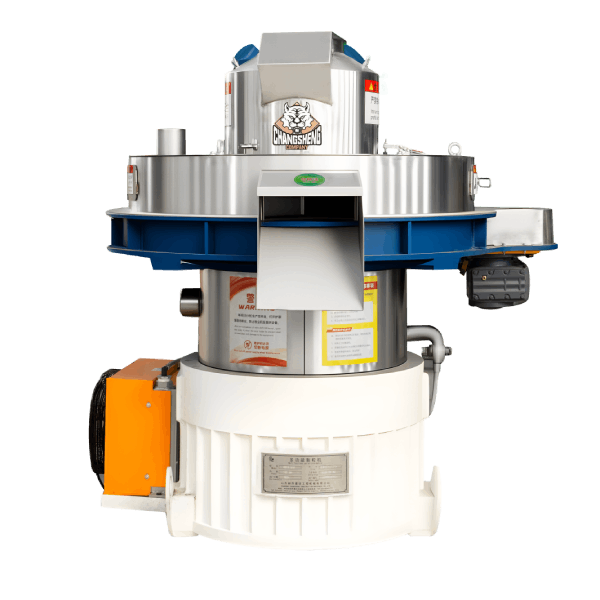
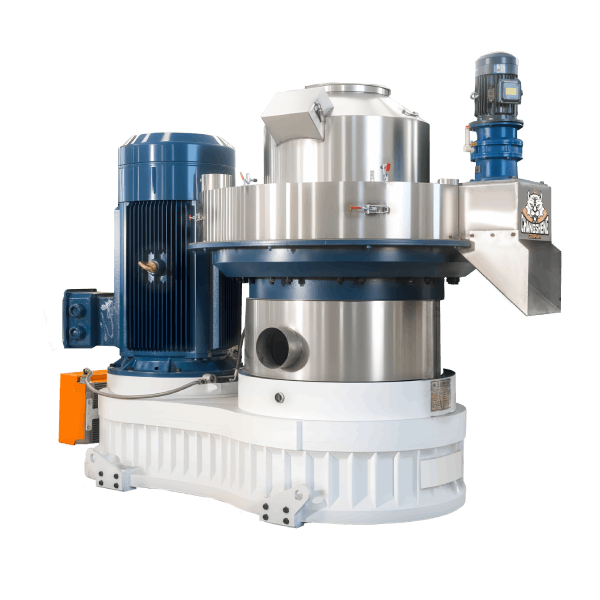
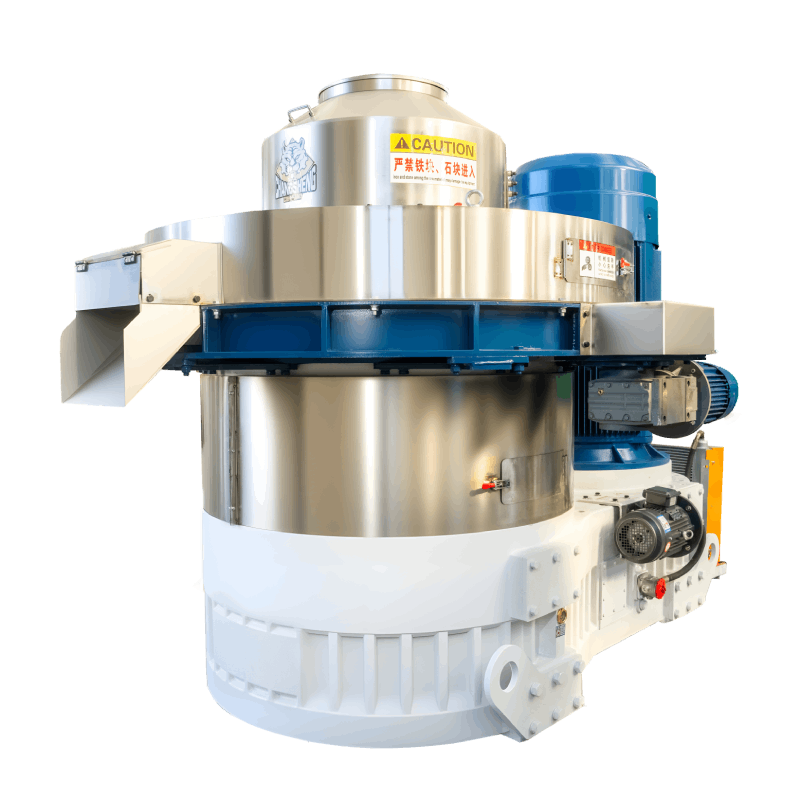
This page covers the bearings on an industrial ring die pellet mill — the main shaft bearing, the roller bearings, and the gearbox bearings — the signs that show a bearing needs replacing, how to diagnose which bearing is at fault, how to remove and fit a new bearing without damaging the shaft or the housing, and what to check before the machine is restarted. Shandong Changsheng Machinery supplies ring die pellet mills and their bearing arrangements, and the guidance below reflects how bearing replacement is handled in service.
The short answer
A pellet mill bearing should be replaced when the signs point to bearing wear rather than to a load, a lubrication, or an alignment problem: abnormal heat at the bearing housing, a whine, rumble, or knock that changes with speed, vibration that increases with load, visible play when the shaft is moved by hand, and grease that comes out dark or contaminated. The replacement is the bearing and its seals, and on a roller assembly it may be the whole assembly where the shaft is also worn.
The practical rule: find which bearing is at fault before ordering the part, check the shaft and the housing for wear before fitting the new bearing, fit the bearing with the correct method for its type and size, and record the running temperature and vibration after the restart so that the next change is planned rather than forced by a failure.
The bearings in a pellet mill
The bearings in a ring die pellet mill fall into three groups, and the replacement procedure and the difficulty differ between them.
The main shaft bearings carry the die or the roller carrier and take the full load of the pelletizing operation. They are large, they are usually mounted in a heavy housing, and they are normally replaced with the machine partly disassembled. A main shaft bearing failure is a major job that usually needs the die removed, the main shaft supported or removed, a hydraulic puller, and lifting equipment, and it is normally done by the manufacturer’s service team or by a specialist repair workshop rather than by the plant’s own maintenance crew.
The roller bearings carry the rollers that press the material into the die. They are smaller, they are mounted inside the roller assembly, and they are normally replaced with the roller shell as part of a roller assembly replacement. A roller bearing failure is a smaller job that can be done in the plant, but it can damage the die if the roller stops turning and the material is pressed through a stationary roller.
The gearbox bearings, where the machine uses a gearbox drive, are inside the gearbox, lubricated by the gearbox oil, and normally replaced as part of a gearbox overhaul with special tools rather than as a standalone job.
Signs that show a bearing needs replacing
The signs of a worn bearing overlap with the signs of a lubrication problem, an alignment problem, and a load problem, and the diagnosis has to separate them, but the following point to the bearing.
Abnormal heat at the bearing housing. A bearing that runs hot is a sign of wear, under-lubrication, over-lubrication, or misalignment, and the temperature should be compared with the normal running temperature recorded on the machine rather than with a general figure.
A whine, rumble, or knock that changes with speed. A worn bearing produces a noise that rises and falls with the shaft speed, and the frequency of the noise can point to the bearing rather than to the drive.
Vibration that increases with load. A bearing with play produces a vibration that is small at no load and larger under load, and the vibration should be measured with a vibration meter where one is available.
Visible play when the shaft is moved by hand. With the machine stopped and locked out, the shaft should be moved by hand, and any play in the bearing is a reason to replace it.
Grease that comes out dark or contaminated. The grease should be checked at each lubrication, and a grease that comes out dark, gritty, or mixed with water is a sign that the bearing is wearing or that the seal has failed.
How to diagnose which bearing is at fault
The diagnosis should be made before the machine is disassembled, because the wrong part is the most common cause of a second failure.
The first step is to locate the source of the noise and the heat. A contact thermometer or a thermal camera on the bearing housings will show which housing is running hotter than the others, and a listening probe or a screwdriver held against the housing will show which bearing is producing the noise.
The second step is to separate the bearing from the drive and the load. If the machine has a belt drive, the belt can be removed and the shaft turned by hand, which isolates the bearing from the motor and the gearbox. If the noise and the heat are still present with the belt off, the bearing is the cause; if they disappear, the cause is in the drive.
The third step is to check the lubrication. A bearing that is hot and noisy can be under-lubricated or over-lubricated, and the grease condition and the grease quantity should be checked against the maintenance record before the bearing is condemned.
How to remove a bearing without damaging the shaft
The removal is the step where a bearing replacement most often turns into a shaft replacement, and the method should be chosen for the bearing type and the mounting.
The pulling force should be applied to the ring that is the interference fit, and never through the rolling elements. When the bearing is being pulled from the shaft, the inner ring is the interference fit and the force is applied to the inner ring; when the bearing is being pulled from the housing, the outer ring is the interference fit and the force is applied to the outer ring. A bearing puller with the correct jaw configuration should be used, and the puller should be set so that the force is axial and the shaft is not bent.
Heat should be used where the manufacturer recommends it and where the bearing is a tight fit, but the heat should be applied to the bearing and not to the shaft, and the temperature should be controlled, because an overheated shaft can lose its heat treatment.
The shaft and the housing should be inspected once the bearing is off. The shaft journal should be measured with a micrometer at several points along its length and around its circumference, the roundness and the surface finish should be checked, and any discoloration from heat or score marks from a seized bearing should be noted. A shaft that is out of tolerance, out of round, or scored should be repaired or replaced rather than fitted with a new bearing that will run loose. A worn bearing seat in the housing should be corrected in the same way.
How to fit the new bearing
The new bearing should be fitted with the method that matches its type and size, and the method matters as much as the removal.
As with removal, the force should be applied to the ring that is the interference fit, and never through the rolling elements.
The bearing should be heated where the manufacturer recommends it, and the heat should be controlled and measured, because an overheated bearing loses its clearance and its hardness.
The bearing should be checked for free rotation once it is seated, and the seals should be replaced at the same time, because a worn seal lets in the contamination that destroys the new bearing.
The lubrication should be restored with the correct grease and the correct quantity. The grease specification and the clearance class should be taken from the machine manual rather than from a substitute. The clearance class matters because a bearing with the wrong clearance runs hot or noisy: a C3 clearance is used where the bearing runs hot or has an interference fit, and a normal clearance is used for a standard fit, and the class should not be changed without the manufacturer’s confirmation. The grease quantity matters in both directions, because over-greasing causes churning, heat, and seal damage, while under-greasing causes metal contact and wear, and the quantity in the manual should be followed and the old grease purged rather than topped up blindly.
What to check before restart
Before the machine is restarted, the following should be confirmed. The bearing is seated and the shaft and the housing are within the specified dimensions. The seals are fitted and the grease is correct. The guards are refitted and the lock-out is removed by the person who applied it. The machine is run without load first, and the bearing temperature and the vibration are checked against the record from before the failure.
The running temperature and the vibration should be recorded after the restart, because they are the baseline for the next check, and a bearing that runs hotter than the record after the change is a sign that the fit, the alignment, or the lubrication is not correct.
How to budget the bearing replacement
The bearing replacement should be budgeted as a recurring cost, based on the expected life of the bearing on the duty cycle, the number of replacements per year, the price of the bearing and the seals, the downtime of the change, and the spare stock.
The expected life depends on the load, the speed, the lubrication, the alignment, the contamination, and the bearing quality, and it should come from the operating record rather than from a general figure. A bearing that is failing earlier than the operating record suggests is a signal that the lubrication, the alignment, or the seal needs attention, and the cause should be found rather than the bearing replaced more often.
The spare stock should include at least one main shaft bearing and one roller bearing set per machine, stored in the original packaging and away from moisture and dust, because a bearing that has been stored in the wrong conditions can be as unusable as a worn bearing.
What to check before buying a replacement bearing
Before ordering, confirm the machine make and model, the bearing designation or the measured dimensions, the bearing type, the clearance class, the seal type, and the lubrication specification. Ask the supplier to state the bearing designation, the manufacturer, the clearance class, and the recommended fitting method, and to confirm the bearing is the correct type for the application rather than a substitute.
A bearing that is the correct dimension but the wrong clearance or the wrong seal will not perform as the original, and the lower price is not a saving over the replacement cycle.
If you are sourcing a replacement bearing for a ring die pellet mill and need the bearing specification confirmed against your machine, send the machine model, the bearing designation or the measured dimensions, the position of the bearing, and the operating record, and the Shandong Changsheng Machinery team can confirm the bearing specification and the recommended spare stock for that machine.
Bottom line
A pellet mill bearing is a part whose failure can damage the shaft, the housing, or the die if it is left too long, and the cost of a late replacement is the bearing plus the shaft plus the downtime. The main shaft bearing, the roller bearing, and the gearbox bearing are different jobs at different levels of difficulty, and the first step is to identify which one is at fault. Replace the bearing when the signs point to wear rather than to a load, a lubrication, or an alignment problem, remove and fit it with the force applied to the interference-fit ring, check the shaft journal and the housing before the new bearing is fitted, and follow the manual for the clearance class and the grease quantity. Record the running temperature and the vibration after the restart, budget the replacement as a recurring cost based on the operating record, and keep a spare main shaft bearing and a roller bearing set on site, stored correctly. Specify the bearing designation, the clearance class, the seal, and the fitting method on the purchase order, so that the next replacement is planned rather than forced by a failure.