China Based Pellet Production Line Exporter: Complete Sourcing Guide

News 2026-07-22

Page SEO Summary: This procurement guide helps international buyers source reliable China based pellet production line exporters—covering exporter evaluation, export capabilities, shipping logistics, and risk management for complete pellet line projects.

China has established itself as the world’s leading exporter of pellet production lines. From small-scale feed mills to large industrial biomass pellet plants, Chinese exporters supply complete production solutions to customers across every continent. The combination of competitive pricing, comprehensive manufacturing capabilities, and export experience makes China the go-to source for international pellet line projects.

But finding a reliable China based pellet production line exporter is different from finding a domestic supplier. International buyers need partners who understand export documentation, shipping logistics, international standards, and the specific needs of overseas customers. The exporter you choose must be capable of delivering not just equipment, but a complete project experience.

This guide provides a comprehensive framework for sourcing and selecting China based pellet production line exporters—understanding the industry, evaluating capabilities, and managing international procurement projects.


The Chinese Pellet Line Export Industry

Industry Scale

AspectDescription
Global positionWorld’s largest exporter of pellet production lines
Export destinationsSoutheast Asia, Middle East, Africa, Europe, Americas
Product range1-20+ t/h complete lines; turnkey solutions
Export experience10-20+ years for established exporters
Key capabilitiesEngineering, manufacturing, installation, commissioning

Export Growth

PeriodDevelopment
2000sEarly export; primarily simple machines
2010sRapid export growth; complete lines
2020sTurnkey solutions; advanced automation; global presence

Key Export Markets

RegionMarket Characteristics
Southeast AsiaGrowing demand; proximity; feed and biomass
Middle EastFeed and biomass; large projects
AfricaFeed mills; growing demand
EuropeBiomass pellets; quality requirements
North AmericaSpecialized applications
South AmericaFeed; biomass; expanding market

Exporter vs. Manufacturer: Understanding the Landscape

Types of Exporters

TypeDescriptionCharacteristics
Integrated manufacturer-exporterOwns factory and exports directlyBest combination; full control; competitive pricing
Export-oriented manufacturerPrimarily exports; may have limited domestic salesExport experience; international focus
Trading company with factory networkExports from multiple factoriesWide selection; one-stop service; not direct
Engineering/EPC companyDesigns and exports projectsComplete project capability; may use multiple suppliers

What to Look For

IndicatorWhat It Means
Owns manufacturing facilitiesDirect quality control; competitive pricing
Has export teamDedicated international sales and support
Provides documentationProfessional export documentation
Has references abroadProven export experience
Speaks your languageBetter communication

Evaluating a China Based Exporter

1. Export Capability

CriterionWhat to CheckHow to Verify
Export experienceCountries exported to; volumeRequest export list; check references
Documentation capabilityCommercial invoice, packing list, BLRequest samples
Shipping experienceContainer loading; shipping arrangementsDiscuss logistics process
Customs complianceExport declaration; HS code knowledgeVerify with documents
Payment experienceLC, T/T, etc.Discuss payment options

2. Technical Capability

CriterionWhat to CheckHow to Verify
Engineering teamSize and expertiseAsk about engineering capability
Line design capabilityCan they design complete lines?Request line layout examples
Customization abilityCan they meet specific requirements?Discuss custom requirements
Quality controlInspection and testing processesRequest QC documentation

3. Project Management Capability

CriterionWhat to CheckHow to Verify
Project experienceSimilar projects completedRequest project list; references
Timeline managementOn-time delivery recordCheck references
Installation supportOn-site assistanceDiscuss installation arrangements
Commissioning supportStart-up assistanceDiscuss commissioning process

4. After-Sales Support

CriterionWhat to CheckHow to Verify
Service teamSize and locationAsk about service capability
Spare parts availabilityParts stock and lead timeDiscuss parts ordering
Remote supportVideo, online assistanceDiscuss support options
Warranty executionInternational warranty processReview warranty terms

Export Capabilities Checklist

Documentation

  • □ Commercial invoice
  • □ Packing list
  • □ Bill of lading
  • □ Certificate of origin (if required)
  • □ Export customs declaration
  • □ Insurance certificate (if CIF)
  • □ CE/ISO certification (if required)
  • □ Technical documentation
  • □ Installation and maintenance manuals

Logistics

CapabilityWhy It Matters
Container packingProper loading prevents damage
Shipping coordinationArranges ocean freight
Clearance assistanceHelps with export clearance
Insurance arrangementProtects the shipment

Compliance

RequirementWhy It Matters
CE markingRequired for European market
ISO 9001Quality management
Export licenseLegal requirement for exporters
Customer-specificDepending on destination country

Procurement Process for Export Projects

Step-by-Step Guide

StepActivityTimeline
1. Define requirementsCapacity, material, specifications1-2 weeks
2. Research exportersIdentify 5-10 potential exporters1-2 weeks
3. Initial contactInquiries; capability assessment1 week
4. ShortlistSelect 3-5 for detailed evaluation1 week
5. ProposalsRequest detailed proposals2-3 weeks
6. EvaluationCompare technical and commercial proposals1-2 weeks
7. SelectionChoose exporter1 week
8. ContractNegotiate and sign1-2 weeks
9. EngineeringDetail design and drawings2-4 weeks
10. ManufacturingProduction and assembly8-16 weeks
11. TestingFactory acceptance test1-2 weeks
12. ShippingLogistics and export2-6 weeks
13. InstallationOn-site setup2-4 weeks
14. CommissioningStart-up and training1-2 weeks

Typical Project Timeline

Project TypeFrom Contract to Commissioning
Standard line (basic)12-16 weeks
Custom line (medium)16-24 weeks
Turnkey plant (full)32-52 weeks

Export Payment Terms

Common Options

TermDescriptionRisk Level
T/T (Telegraphic Transfer)Wire transfer; often milestone-basedVaries
L/C (Letter of Credit)Bank-guaranteed paymentLowest
D/P (Documents against Payment)Payment upon document presentationModerate
T/T with milestonesPayments tied to production stagesBalanced

Recommended Milestone Payment Structure

MilestonePayment %Condition
Contract signing20-30%Contract executed
Design completion10-15%Drawings approved
Manufacturing completion30-35%FAT passed
Shipment15-20%Bill of lading issued
Installation completion10-15%Mechanical completion
Commissioning/acceptance5-10%Performance test passed

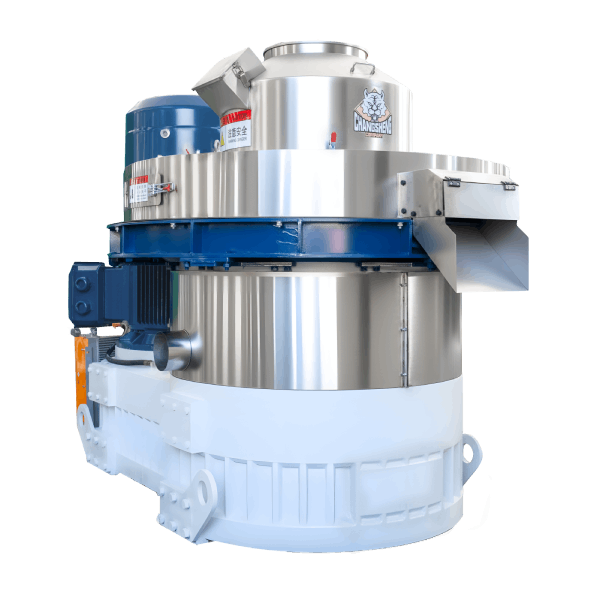
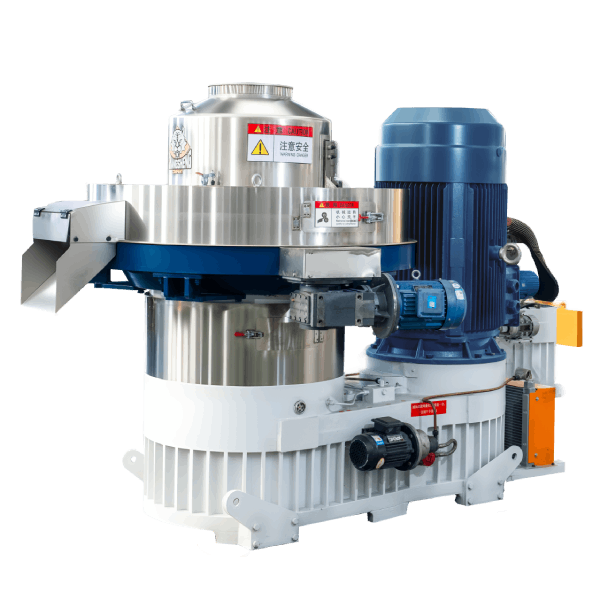
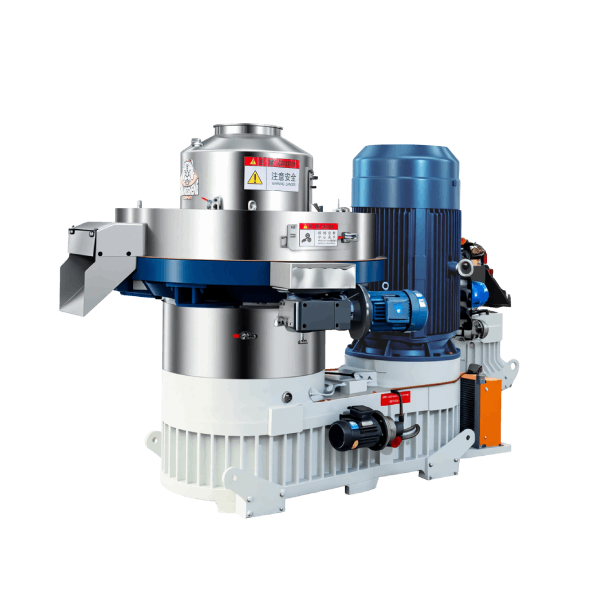
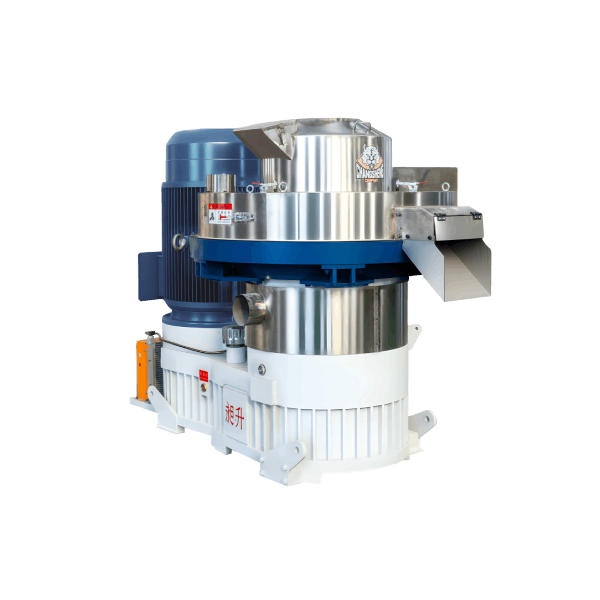
Changsheng 850 pellet mill heavy-duty 850mm diameter ring die for large-scale production

Export Logistics Considerations

Shipping Modes

ModeBest ForTransit Time
Sea freight (FCL)Complete production lines18-40 days
Sea freight (LCL)Smaller shipments20-45 days
Rail freightEurope/Central Asia18-28 days
Air freightEmergency spares3-10 days

Container Requirements

Line SizeTypical Containers
1-3 t/h1-2 containers
3-5 t/h2-4 containers
5-10 t/h4-8 containers
10+ t/h8+ containers

Key Incoterms

TermSeller ResponsibilityBuyer Responsibility
FOBExport packing, inland China freight, export clearanceSea freight, insurance, destination costs
CIFFOB + sea freight + insuranceDestination costs, import clearance
DDPAll costs to buyer’s doorVery limited

Risk Management for Export Projects

Key Risks

RiskMitigation
Quality not as specifiedClear specifications; pre-shipment inspection; FAT
Delivery delaysMilestone payments; clear schedule; liquidated damages
Shipping damageProper packing; insurance; inspect on arrival
Communication issuesRegular updates; key contact; clear documentation
Compliance issuesVerify certifications; CE/ISO
Warranty executionClear warranty terms; retention payment

Pre-Shipment Inspection

What to CheckWhy It Matters
Equipment completenessAll items in shipment
Quality inspectionMeets specifications
Function testingEquipment works
Packing verificationProperly packed for export
Documentation reviewExport documents correct

Procurement Checklist: China Based Exporter

Exporter Assessment

  • □ Export license verified
  • □ Export experience confirmed
  • □ Export documentation samples reviewed
  • □ References from international customers contacted
  • □ Shipping capability assessed

Technical Assessment

  • □ Engineering capability confirmed
  • □ Complete line design ability verified
  • □ Quality control process reviewed
  • □ Certifications (ISO, CE) verified

Commercial Assessment

  • □ Quotation with complete scope received
  • □ Exclusions list reviewed
  • □ Payment terms negotiated
  • □ Delivery terms confirmed
  • □ Warranty terms reviewed
  • □ Incoterm confirmed

Project Management

  • □ Project timeline established
  • □ Milestone schedule defined
  • □ Installation and commissioning included
  • □ Training included

Frequently Asked Questions

1. What is a China based pellet production line exporter?

A China based pellet production line exporter is a company in China that designs, manufactures, and exports complete pellet production lines to international customers. They handle the entire process—from engineering to shipping—and have experience with international trade.

2. How is an exporter different from a manufacturer?

Some exporters are manufacturers (integrated manufacturer-exporters). Others are trading companies that work with multiple factories. The best option is usually an integrated manufacturer-exporter that has direct control over quality and pricing.

3. What should I look for in a China based exporter?

Look for: direct manufacturing capability, proven export experience, professional documentation, clear communication, international certifications, and references from other international customers.

4. How do I verify an exporter’s export experience?

Request their export list (countries they have exported to), contact references, review their shipping documentation, and ask about their logistics capabilities. Look for experience exporting to your region.

5. What export documents should a China exporter provide?

Commercial invoice, packing list, bill of lading, certificate of origin, export customs declaration, and any specific documentation required by your country’s customs.

6. What is the typical timeline for a pellet production line export project?

From contract signing to commissioning: 3-6 months for a standard line, 4-8 months for a custom line, and 8-12 months for a turnkey plant. These are typical timelines; actual time depends on the project.

7. What payment terms are recommended for export projects?

Milestone-based T/T payments are common (e.g., 30% deposit, 40% before shipment, 30% after installation). Letters of Credit (LC) provide additional security for larger projects. Retain 5-10% until commissioning.

8. How do I manage quality for an exported pellet line?

Define specifications clearly, request production updates, conduct a pre-shipment factory acceptance test (FAT), use a third-party inspection company if desired, and include performance guarantees in the contract.


About the Author

Zhang Wei – Senior International Sales Engineer, Shandong Changsheng Machinery Co., Ltd.

Zhang Wei has over 12 years of experience in the biomass and feed pellet mill industry, with a background in mechanical engineering and international project execution. He has managed pellet production line export projects for clients across Southeast Asia, the Middle East, Africa, Europe, and Latin America, with extensive experience in international trade, logistics, and project management.

With hands-on experience in both the manufacturing workshop and client-side operations, Zhang brings practical insights into successful equipment procurement—from the factory floor to the customer’s production site.