Where to Buy a Pellet Mill Die: Sources, Specification and Verification
News 2026-11-05
A pellet mill die is a wear part that has to match the machine and the feedstock, and buying one is not the same as buying a commodity. The die that fits one machine may not fit another of the same nominal capacity, and a die that is correct for clean softwood may blind or wear out in weeks on a high-silica residue. The buyer’s question is therefore not only where to buy, but which source can supply a die that is dimensionally correct for the machine, metallurgically correct for the material, and supported by a supplier who will stand behind it when it fails early.
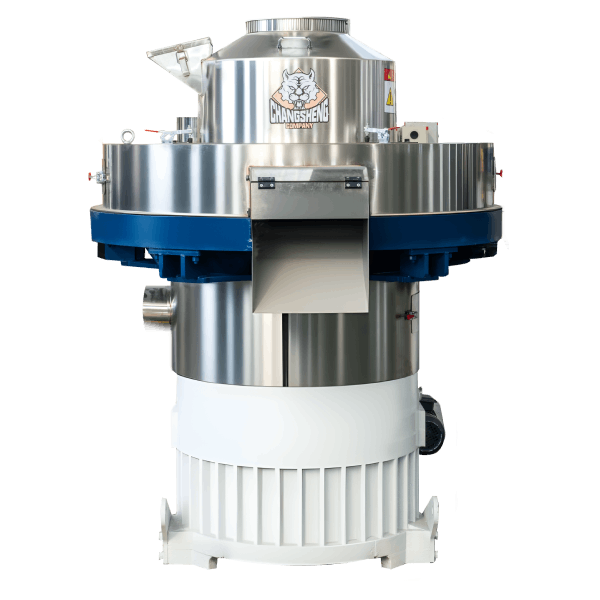
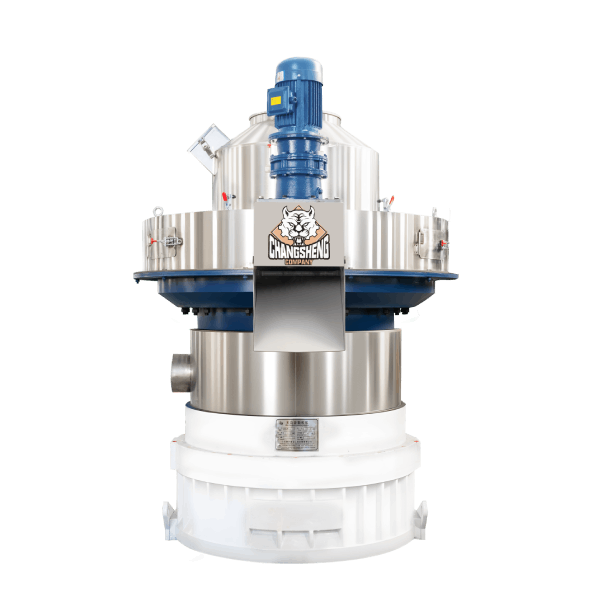
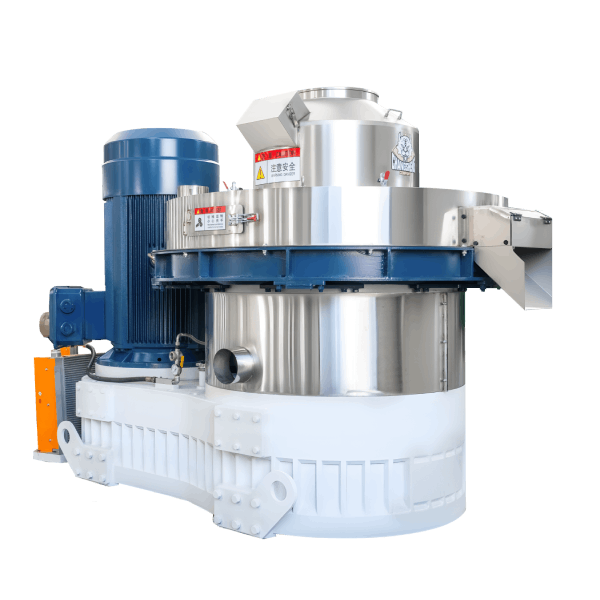
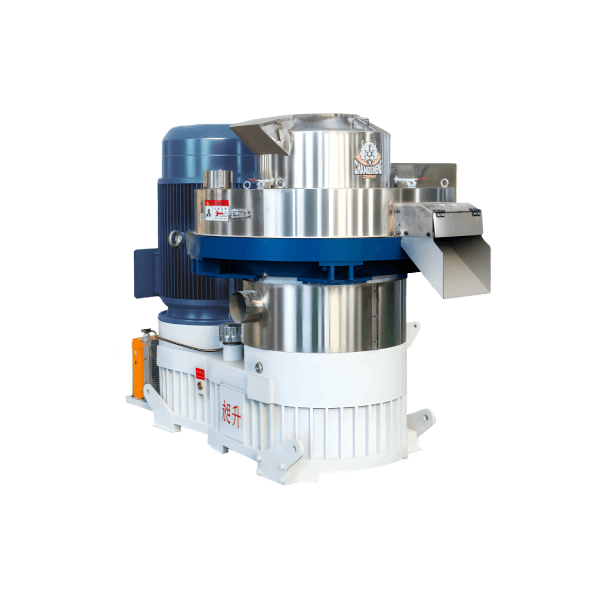
This page covers the three sources a buyer can choose from, how to screen a specialist die maker, the information the supplier needs before quoting, the specification that has to be on the purchase order, how to verify a die when it arrives, how to compare two quotes, and how to plan the spare die. Shandong Changsheng Machinery supplies ring die pellet mills and dies, and the guidance below reflects how die supply and die replacement are handled in service.
The short answer
There are three practical sources for a pellet mill die: the original pellet mill manufacturer, a specialist die manufacturer, and a general machinery supplier or trading company. The original manufacturer holds the machine drawings and the reference die and is best placed to supply a die that is dimensionally correct for the machine and matched to the material. A specialist die maker can also supply a correct die where the buyer provides the drawings and the full specification. A general supplier is the weakest option, because it often cannot confirm either the dimensions or the metallurgy.
The practical rule: buy from a source that can state the die dimensions, the material grade, the heat treatment, the hole diameter, the compression ratio and its definition, and the effective working length, and that will accept a return or a replacement if the die fails to reach the agreed life on the specified material.
The three sources for a pellet mill die
The original pellet mill manufacturer. The machine manufacturer holds the drawings for the die the machine was designed around, and can supply a die that matches the machine’s die carrier, roller configuration, and clamping arrangement. The manufacturer also has the reference die for the material the machine was specified for, and can adjust the compression ratio and the hole geometry for a different material. This is the safest source for a first replacement and for any change of feedstock, because the machine and the die are treated as a system rather than as separate purchases. Shandong Changsheng Machinery, as the machine manufacturer, holds the die drawings and the reference die for the machines it supplies, and can confirm the die specification against the machine and the material before the order.
A specialist die manufacturer. A specialist die maker produces dies for multiple machine brands and can supply a die that is correct for a known machine, provided the buyer supplies the die drawings or the original die as a sample. The advantage is that the specialist may have a broader range of die materials and heat treatments, and may be able to supply a die that performs better on an abrasive material than the standard die from the machine manufacturer. The risk is that the specialist depends on the data the buyer provides, and if the drawing or the sample is incomplete, the die can be dimensionally correct and still fail on the machine.
A general machinery supplier or trading company. A trading company can source a die from a die maker and resell it, and the buyer is then relying on the trading company to have passed the correct specification to the die maker. This is the weakest option, because the trading company often cannot state the material grade, the heat treatment, or the effective working length, and cannot verify the die when it arrives. A trading company is acceptable where the buyer already knows the die specification and uses the trading company only as a logistics channel.
The price direction follows the same order. The original manufacturer is usually the highest price because the die is specified against the machine and the material, and the support is part of what the buyer is paying for. A specialist die maker is often lower than the original manufacturer, at the cost of more work on the buyer’s side to supply the data and verify the die. A trading company is often the lowest price, at the highest risk. The price figures should come from the actual quotations rather than from a general range, but the order of the three sources is consistent.
How to screen a specialist die maker
A specialist die maker is a valid source, but only if it can show the capability behind the offer. The useful checks are the following.
Whether the die maker has its own heat treatment, and in particular whether it has vacuum or controlled-atmosphere heat treatment rather than sending the die out to a subcontractor. The heat treatment is what determines the hardness and the wear resistance, and a die maker that does not control it cannot control the die life.
Whether the die maker has the means to check the material and the hardness, and whether it can provide a material certificate and a hardness report with the die. A die maker that cannot show a hardness report is asking the buyer to take the material grade on trust.
Whether the die maker can provide references on a similar material, rather than on any material. A reference on clean softwood does not tell the buyer how the die will perform on rice husk, and the reference should be for the material the die will run.
Whether the die maker will accept a trial and a performance condition, rather than only a dimensional check. A die that is dimensionally correct and metallurgically wrong will pass a dimensional check and fail in service, and the trial on the actual material is the only way to tell the difference.
The warning signs are a die maker that quotes only on dimensions and price, that cannot state the material grade and the heat treatment in writing, that cannot provide a hardness report, and that will not accept any condition on the die life. Any of those suggests that the die maker is either a trading company or a workshop without the process control, and the die should not be bought on price alone from such a source.
What to provide before requesting a die quotation
A die quotation is only as good as the information the buyer provides. The minimum input is the machine make and model, the die dimensions, the original die specification if available, the material the die will run, the moisture range, the target pellet diameter, the target pellet durability, and the expected die life or the replacement interval.
The die dimensions are the part that the buyer most often assumes rather than confirms. The dimensions that matter are the die outer diameter, the die inner diameter, the die working width, the die hole diameter, the effective working length, the hole pattern and the open area, the die thickness at the flange, and the clamping or mounting arrangement. Where the original die is available, the simplest route is to send the original die as a sample, or to send a dimensioned drawing of the die with the measurements taken from the original.
The material specification is the part that the buyer most often leaves out. The die quotation should state the material grade, the heat treatment, the die hardness, and the expected life on the material the die will run. A die quotation that lists only the dimensions and the price is not a die specification.
What to put on the die purchase order
The purchase order should state the machine make and model, the die dimensions, the die hole diameter, the compression ratio and the definition the supplier uses, the effective working length, the material grade, the heat treatment, the hardness, the expected life on the specified material, the packing, and the acceptance terms.
The compression ratio definition is the item that most often causes a mismatch, because one supplier may quote the ratio using the overall hole length and another using the effective working length, and the two numbers are not comparable. The purchase order should require the supplier to state which definition is used and to give the hole diameter and the effective working length as separate values, rather than only the ratio.
The acceptance terms should state what happens if the die does not reach the agreed life on the specified material, because a die that is dimensionally correct but metallurgically wrong will pass a dimensional check and fail in service. The purchase order should state the remedy, the evidence the buyer will provide, and the period within which the claim must be made.
How to verify a die when it arrives
The die should be checked on arrival before it is fitted to the machine, because a die that is wrong can be returned to the supplier more easily before it is installed than after it has run.
The dimensions should be checked against the purchase order and the original die. The outer and inner diameter, the working width, the hole diameter, the effective working length, and the mounting arrangement should match the specification. The die should be checked for the hole pattern and the open area, because a die with the correct hole diameter but a different open area will behave differently on the machine.
The material and the heat treatment should be confirmed from the supplier’s certificate, and the hardness should be checked where the buyer has the means to do so. Where the buyer has no hardness tester on site, the alternatives are to require a hardness report from the supplier with the die, to require a third-party test report, or to send a sample coupon to a local laboratory. The certificate and the report should be kept with the die record, because they are the evidence if the die fails early.
The final verification is the trial run, which is the only reliable way to confirm that the die produces the target durability on the actual material. The trial should be run with the die fitted to the machine, on the material the die was specified for, at the moisture the line will run, and the durability and the output should be measured against the values agreed in the purchase order.
What to do when a die fails early
A die that fails before the expected life should be reported to the supplier with the running record, the material, the moisture, the operating parameters, and the failure mode, because the cause may be the die or it may be the way the machine is run.
The common failure modes are a cracked die, a worn hole pattern that no longer produces the target durability, and a die that blinds because the hole diameter or the compression ratio is wrong for the material.
The remedy depends on the cause. A die that is dimensionally wrong, or that was supplied with a material grade different from the specification, should be replaced by the supplier. A die that failed because the material changed, or because the machine was run outside the parameters agreed in the purchase order or the technical agreement, is a specification issue rather than a supply issue, and the die should be re-specified for the new conditions.
How to compare die quotations
A die quotation comparison is only meaningful when the quotations cover the same specification. The items to compare are the machine make and model, the die dimensions, the hole diameter, the compression ratio and its definition, the effective working length, the material grade, the heat treatment, the hardness, the expected life on the specified material, the packing, the lead time, the price, and the payment and acceptance terms.
A low quotation that omits the material grade, the heat treatment, or the effective working length is not a lower price for the same die; it is a price for less, and the difference appears in the die life. The price per ton of pellets produced, rather than the price per die, is the figure that matters over the replacement cycle, and it can be calculated from the die price and the expected life on the material.
The expected life, however, has to come from somewhere, and the figure the supplier puts in the quotation should be checked against the trial result, the buyer’s own historical record on the same material, or the supplier’s reference on a similar material. If the expected life cannot be supported by any of those, the price per ton comparison is not reliable, and the comparison should be made on the specification and the acceptance terms until the trial has produced a real figure.
Spare die planning
The die is a wear part, and a spare die on site is what turns a die failure from a production stoppage into a planned change. The spare die should be ordered with the same specification as the die in service, and it should be stored in a dry place, protected from mechanical damage, and inspected before it is fitted. The spare die and the die in service should be recorded with their specification, their installation date, and their running hours, so that the life on the material can be compared over time and the specification refined.
Procurement checklist for a pellet mill die
Before ordering, confirm the following with the supplier. The machine make and model. The die outer diameter, inner diameter, and working width. The die hole diameter, the effective working length, the compression ratio and the definition used. The hole pattern and the open area. The material grade, the heat treatment, and the hardness. The expected life on the specified material, and the source of that figure. The packing and the marking. The lead time. The acceptance terms, including the return or replacement conditions if the die does not reach the agreed life. The price per die and the calculated price per ton of pellets.
If you are sourcing a die for a ring die pellet mill and need the die specification confirmed against your machine and your material, send the machine model, the original die dimensions or a drawing, the material and its moisture range, the pellet diameter, and the target durability, and the Shandong Changsheng Machinery team can confirm the die specification and the expected life for that configuration.
Bottom line
A pellet mill die can be bought from the machine manufacturer, from a specialist die maker, or from a trading company, and the difference between the three is not only the price but the amount of the specification the source can confirm. The original manufacturer is the safest source because it holds the drawings and the reference die; a specialist die maker is a valid source if it can show its heat treatment, its material and hardness testing, and references on a similar material; a trading company is acceptable only where the buyer already knows the specification and uses it as a logistics channel. Buy from a source that can state the die dimensions, the material grade, the heat treatment, the hole diameter, the compression ratio and its definition, and the effective working length, and that will stand behind the die if it fails before the agreed life. Provide the machine model, the original die dimensions or the die itself, the material, the moisture, and the target durability before requesting the quotation, and put the dimensions, the material, the compression ratio definition, the expected life, and the acceptance terms on the purchase order. Check the die dimensions and the material certificate on arrival, run the trial on the actual material, and record the life and the operating conditions so that the next die is specified on evidence rather than on assumption.