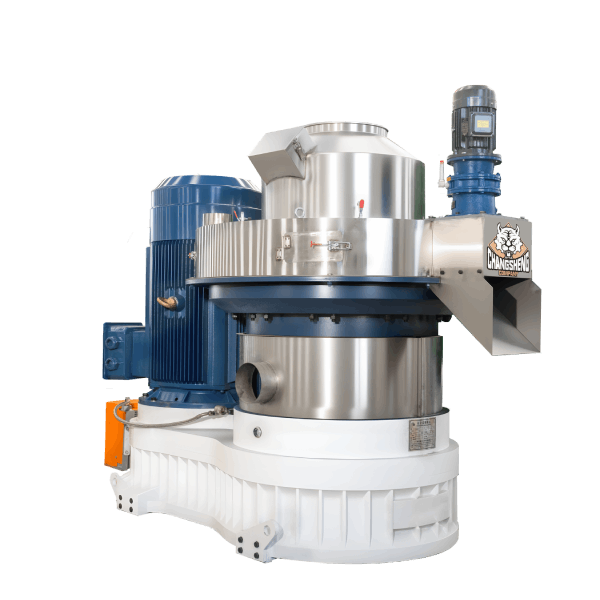
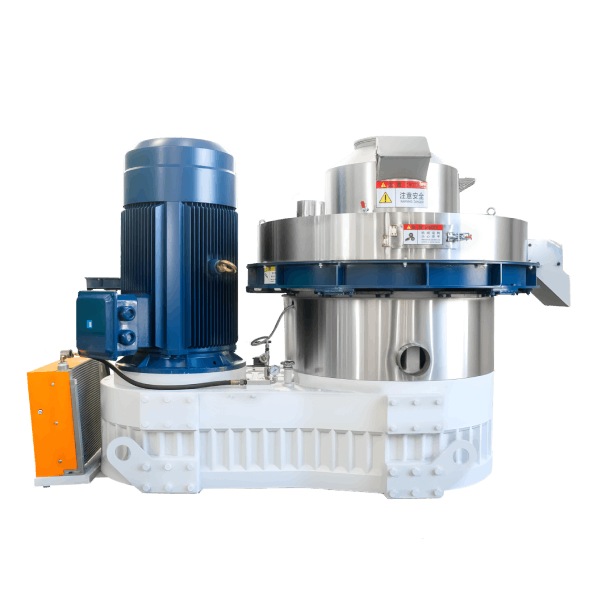
Farm Wood Pellet Mill: How to Choose the Right Machine for Your Farm
News 2026-09-24
A farm wood pellet mill is not a smaller version of an industrial pellet plant. It is a machine selected for farm-scale raw material, farm power supply, and farm operating pattern. The correct configuration depends on raw material type, moisture, target capacity, pellet use, power supply, and how many hours the machine will run.
This guide is written for farm owners, procurement managers, importers, and distributors. It covers suitable raw materials, flat die vs ring die, capacity matching, technical specifications, cost and payback, maintenance, and a procurement checklist.
What Is a Farm Wood Pellet Mill?
A farm wood pellet mill is a pellet machine configured for farm-scale production, usually from about 30 kg/h to 1.5 t/h. It converts sawdust, wood shavings, small branches, and clean wood waste into wood pellets for heating, bedding, or local sale.
Farm wood pellet mills are usually simpler than industrial ring die lines. They may be flat die or small ring die machines, depending on capacity and operating hours.
What Raw Materials Can a Farm Wood Pellet Mill Process?
Sawdust
Sawdust is the easiest farm raw material. Particle size is usually suitable, and the main requirement is moisture control. Typical target moisture before pelletizing is around 10 to 15 percent, depending on wood species and die specification. The exact target should be confirmed with a pelletizing test.
Wood Shavings
Wood shavings are light and bulky. They usually require grinding and drying before pelletizing. Clean, untreated shavings pelletize well. Shavings with glue or paint should be avoided.
Small Branches and Twigs
Small branches require chipping and grinding before pelletizing. Moisture is often high, so drying may be required. Bark content increases ash and die wear.
Clean Wood Waste
Clean wood waste from pallets, crates, and offcuts can be pelletized after removing nails, screws, and other metal. Contaminants damage dies and rollers.
Mixed Farm Wood Waste
Mixed wood waste is common on farms. The mix ratio should be consistent, because variable mix causes variable compression and pellet quality.
What a Farm Wood Pellet Mill Cannot Process
Treated wood, painted wood, plywood with glue, and wood with high sand or soil content should be avoided or processed with caution. These materials increase ash, wear, and emissions, and may not meet fuel quality requirements.
Flat Die vs Ring Die for Farm Use
Flat Die Farm Wood Pellet Mill
Flat die machines are simpler, lower in initial cost, and easier to maintain. They suit small farms, varied materials, and intermittent operation. Die and roller change is easier, which is important when the farm has limited technical support.
Typical capacity range is about 30 to 300 kg/h, depending on material, moisture, and die specification.
Ring Die Farm Wood Pellet Mill
Ring die machines are used for higher farm capacity and more continuous operation. They suit farms that produce pellets regularly for sale or for larger heating systems. Die and roller configuration is more specialized, and die change may require lifting equipment.
Typical capacity range is about 300 kg/h to 1.5 t/h, depending on material, moisture, and die specification.
Flat Die vs Ring Die Comparison
Factor: Production scale
Flat Die: Small
Ring Die: Medium
Factor: Initial investment
Flat Die: Lower
Ring Die: Higher
Factor: Continuous operation
Flat Die: Limited
Ring Die: Suitable
Factor: Maintenance
Flat Die: Simpler
Ring Die: More specialized
Factor: Die change
Flat Die: Easier, basic tools
Ring Die: May need lifting equipment
Factor: Typical farm use
Flat Die: Small farm, varied material
Ring Die: Commercial farm, regular production
How to Choose Farm Wood Pellet Mill Capacity
Capacity is usually expressed in kg/h or t/h. Required hourly capacity equals annual production target divided by annual operating hours.
Example: annual target 300 tons, operating hours 2,000 per year, required hourly capacity is about 0.15 t/h, or 150 kg/h. This is an illustrative example, not a fixed industry value.
A capacity margin of about 20 to 30 percent is a practical starting point. The exact margin depends on material consistency, operating hours, and maintenance planning.
Actual capacity depends on material type, moisture, particle size, pellet diameter, die specification, compression ratio, machine efficiency, and operating skill.
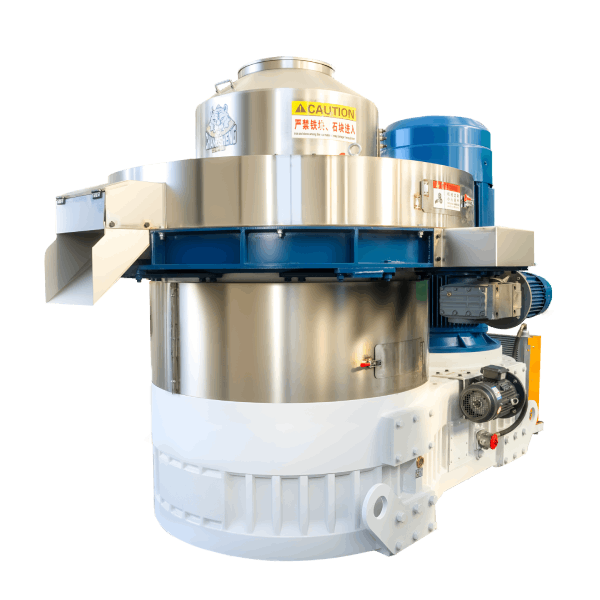
Farm Scale and Recommended Machine Type
Small farm or hobby: 30 to 100 kg/h, flat die, small power supply.
Family farm: 100 to 300 kg/h, flat die or small ring die.
Commercial farm: 300 kg/h to 1 t/h, small ring die.
Larger farm or cooperative: 1 to 1.5 t/h, ring die with auxiliary equipment.
Technical Specifications for Farm Wood Pellet Mills
Parameter: Capacity
What to Confirm: Based on material, moisture, and die specification
Parameter: Motor power
What to Confirm: Matches capacity, material density, and farm power supply
Parameter: Die type
What to Confirm: Flat die or ring die, compression ratio for wood
Parameter: Pellet diameter
What to Confirm: 6 mm or 8 mm typical for farm heating
Parameter: Moisture
What to Confirm: Based on material test, typically around 10 to 15 percent
Parameter: Feeder
What to Confirm: Stable feed, variable frequency recommended
Parameter: Cooling
What to Confirm: Required for commercial farm production
Parameter: Packing
What to Confirm: Optional depending on use and sale format
Actual values should be confirmed in a written technical agreement.
Power Supply for Farm Wood Pellet Mills
Farm power supply is often shared with other equipment and may be limited. Confirm total connected load, not only main motor power.
Key engineering points:
Confirm voltage, phase, frequency, and available transformer capacity.
If using a generator, size it for starting current, not only running load.
A soft starter or variable frequency drive reduces starting current.
A voltage stabilizer is recommended where grid voltage fluctuates.
Single-phase power is usually practical only for very small machines.
Cost and Payback for Farm Wood Pellet Mill
Cost items include machine, crusher or hammer mill, dryer if needed, cooler, screener, packing, electrical, installation, and spare parts. Auxiliary equipment can be a significant part of total cost.
How to estimate payback:
Calculate production cost per ton of pellets, including raw material, power, labor, depreciation, and maintenance. Compare with the local price of heating fuel or pellets. The difference multiplied by annual consumption gives annual savings. Divide total investment by annual savings to get the approximate payback period.
The actual payback period depends on heating demand, raw material cost, power price, and machine utilization rate. Use conservative data.
Maintenance for Farm Wood Pellet Mills
Dies and rollers are wear parts. Life depends on material abrasiveness, moisture, compression ratio, and operating conditions. Expected working hours should be confirmed with the supplier based on similar material.
Daily checks: lubrication, roller clearance, feeder condition, motor current.
Weekly checks: die and roller wear, belt tension, electrical connections.
Monthly checks: lubrication system, bearing temperature, panel condition.
Seasonal checks: spare parts stock review, die replacement planning.
Keeping a maintenance log helps track die hours, power consumption, and output.
Farm Wood Pellet Mill Procurement Checklist
Requirements: wood material type, moisture, particle size, target capacity, pellet diameter, power supply, operating hours.
Machine: die type, motor power, roller configuration, feeder type, lubrication, control mode.
Auxiliary equipment: crusher, hammer mill, dryer, cooler, screener, packing.
Spare parts: die, roller, bearings, belts, seals, with part numbers and recommended stock.
Supplier: factory capability, reference projects with farm wood material, test run, inspection terms, warranty process.
Frequently Asked Questions
What is a farm wood pellet mill?
A farm wood pellet mill is a pellet machine configured for farm-scale production, usually from about 30 kg/h to 1.5 t/h, for heating, bedding, or local sale.
What raw materials can a farm wood pellet mill process?
Sawdust, wood shavings, small branches after chipping and grinding, and clean wood waste. Treated or painted wood should be avoided.
Should I choose flat die or ring die for my farm?
Flat die suits small farms, varied materials, and intermittent operation. Ring die suits higher capacity and more regular production. The choice depends on capacity, material consistency, and maintenance capability.
How much capacity do I need?
Calculate annual production target divided by annual operating hours, then add a capacity margin of about 20 to 30 percent. The exact margin depends on material consistency and operating hours.
Can I use farm power supply?
Confirm total connected load, voltage, phase, frequency, and transformer capacity. If using a generator, size it for starting current, not only running load.
Do I need a dryer for farm wood pellet production?
It depends on moisture. If material moisture is above the suitable range for pelletizing, drying is required. Dry sawdust may not need a dryer.
How long do dies and rollers last?
Die and roller life depends on material abrasiveness, moisture, compression ratio, and operating conditions. Expected working hours should be confirmed with the supplier based on similar material.
What is the payback period for a farm wood pellet mill?
Payback depends on heating demand, raw material cost, power price, and machine utilization rate. Calculate production cost per ton and compare with local fuel or pellet price. Use conservative data for the estimate.
Author Introduction
This article was prepared by a technical content specialist with over ten years of experience in industrial equipment, wood and biomass processing machinery, and B2B export projects. The author has worked with farm-scale pellet projects, including sawdust, wood shavings, branches, and mixed wood waste, and understands the practical challenges farm owners face in material preparation, machine selection, and maintenance.
The content reflects real engineering practice in farm wood pellet mill selection, material adaptation, cost analysis, and project execution. It is intended to help farm owners, procurement managers, importers, and distributors make informed decisions and reduce purchase risk. The author is affiliated with Shandong Changsheng Machinery Co., Ltd.
Call to Action
If you are planning a farm wood pellet project and need help confirming machine type, capacity, die configuration, power supply, or spare parts plan, you can request a technical proposal based on your wood material and required output. Share your material type, moisture, particle size, target capacity, pellet diameter, local power supply, and operating hours, and a suitable configuration can be recommended.
You can also request a quotation, ask for general arrangement drawings, request a spare parts list, or arrange a video factory inspection before making a final decision.