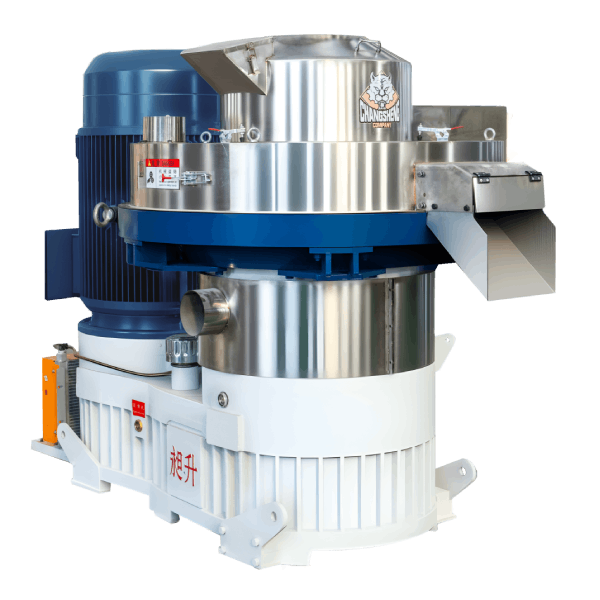
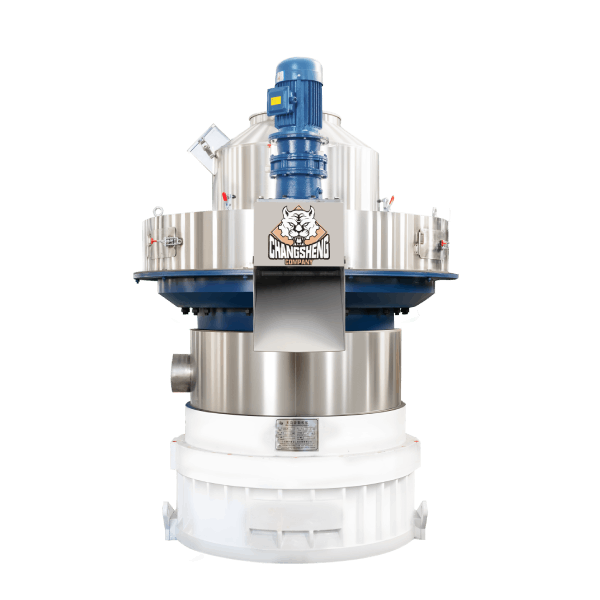
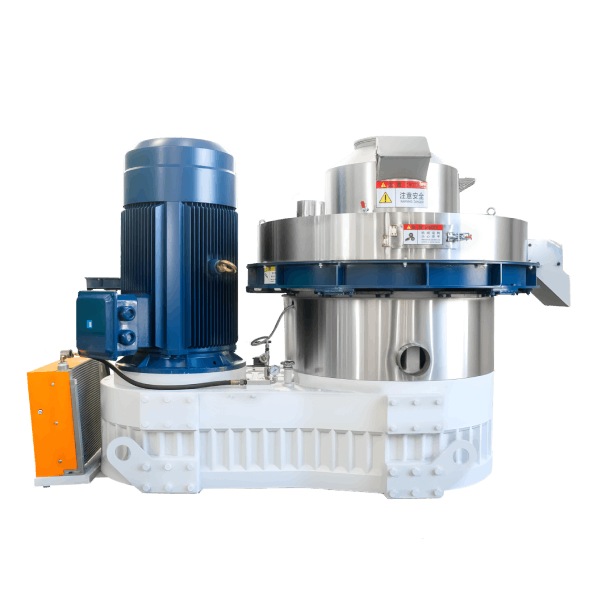
Pellet Machine Buying Tips: 12 Practical Tips for Buyers
News 2026-09-18
Most pellet machine buying guides tell you what a pellet machine is and how it works. This article does something different. It gives you 12 practical tips—the kind of advice that comes from supplying equipment, visiting installations, and seeing what goes wrong.
These tips are written for buyers who have already decided to purchase a pellet machine and want to avoid the mistakes that cost money, time, and production. Each tip is something you can act on before you place an order.
Tip 1: Confirm Your Feedstock Before You Look at Machines
Why Feedstock Determines Everything
The feedstock determines the machine type, die specification, drying requirements, and capacity. If you do not know your feedstock characteristics, you cannot specify a machine correctly.
What to Measure and How
Before contacting suppliers, confirm:
- Material type (softwood, hardwood, agricultural residue, mixed)
- Moisture content (as received, and variability)
- Particle size (as received)
- Contamination risk (metal, stones, plastic)
- Annual and peak availability
Measure moisture with a moisture meter, not by feel. Measure particle size by screening a sample. Document everything.
The Mistake: Buying for the Material You Wish You Had
Many buyers specify a machine for clean, dry, ideal material—and then feed it wet, mixed, contaminated material. The machine underperforms, and the buyer blames the equipment. Confirm what you actually have, not what you hope to have.
Tip 2: Match the Die to Your Material, Not to the Brochure
Compression Ratio Explained Without Jargon
The compression ratio is the ratio of the die hole length to its diameter. A higher ratio produces denser pellets but consumes more energy and wears the die faster. A lower ratio produces softer pellets but is easier on the machine.
Softwood, Hardwood, and Agricultural Residues
- Softwood: lower compression ratio (1:5 to 1:6) works well because of natural lignin
- Hardwood: higher compression ratio (1:6 to 1:8) may be needed for density
- Agricultural residues: varies widely; may require higher ratio and wear-resistant die material
Ask for a Die Recommendation in Writing
Ask the supplier to recommend a die specification for your specific material and to put that recommendation in writing. If the machine does not perform as expected, you have a documented basis for discussion.
Tip 3: Verify Actual Output, Not Rated Output
The Difference Between Lab and Production
Rated output is measured under ideal conditions. Actual output depends on your material, moisture, particle size, and operating skill. A machine rated at 1 t/h may produce 700 kg/h with your material.
What Test Data Should Show
Ask for test data that includes:
- Material type and moisture
- Actual output (kg/h or t/h)
- Power consumption (kWh/t)
- Pellet durability and density
Request a Test with Your Material
Send a sample of your material to the supplier and request a test. Ask for a video of the test and a written report. This is the single most effective way to reduce purchase risk.
Tip 4: Do Not Underestimate the Drying System
Why Drying Is the Most Common Failure Point
Most pellet machine underperformance traces back to moisture. If the material entering the machine is too wet, pellets are soft, the machine chokes, and die wear accelerates. The drying system must be sized for actual moisture, not average moisture.
Sizing the Dryer to Actual Moisture, Not Average
If your material varies from 20% to 50% moisture, the dryer must handle 50%. Sizing for 35% average will fail during wet periods.
Questions to Ask About the Dryer
- What moisture range can the dryer handle?
- What is the heat source?
- What is the energy consumption per tonne of water removed?
- How is moisture controlled?
Tip 5: Confirm Electrical Configuration Before Ordering
Voltage, Frequency, and Phase
Confirm the voltage, frequency, and phase at your site. Common configurations include 380V/50Hz, 400V/50Hz, 440V/60Hz, 480V/60Hz, and 600V/60Hz. Equipment configured for a different supply requires modification.
What Happens When It Does Not Match
If the motor voltage or frequency does not match your supply, you may need a transformer, a new motor, or a variable frequency drive. These add cost and delay commissioning.
Documentation to Request
Ask for the motor nameplate specification in writing before ordering. Confirm it matches your site supply.
Tip 6: Check Component Brands, Not Just the Machine Brand
Motor, Gearbox, and Bearings
The machine brand is less important than the components inside it. Ask about:
- Motor brand (Siemens, ABB, WEG, or equivalent)
- Gearbox brand and configuration
- Bearing brand (SKF, NSK, FAG, or equivalent)
Why Brand Matters for Long-Term Cost
Unbranded components may work initially but often fail earlier and cost more in downtime. Branded components have documented performance and are easier to replace.
What to Ask For
Ask for component brand documentation and, where available, material certificates. A supplier who cannot provide this information is a risk.
Tip 7: Understand Die and Roller Life Before You Buy
What Determines Die Life
Die life depends on:
- Feedstock abrasiveness
- Moisture content
- Compression ratio
- Operating skill
- Die material and manufacturing quality
How to Estimate Cost Per Tonne
Ask the supplier for a die life estimate based on your material. Calculate die cost per tonne:
Die cost per tonne = Die price ÷ (Die life in hours × Output per hour)
Compare this figure across suppliers, not just the die price.
Spare Parts Planning
Identify critical spares—die, roller, bearings—and confirm availability and lead time. Keep at least one die and one set of rollers on site.
Tip 8: Compare Total Delivered Cost, Not Machine Price
What Is Usually Not Included
Machine price often excludes:
- Freight and shipping
- Import duties and taxes
- Electrical modifications
- Foundation and civil works
- Dust collection
- Installation and commissioning
- Spare parts
- Training
How to Build a Comparison Table
| Item | Supplier A | Supplier B |
|---|---|---|
| Machine price | ||
| Scope included | ||
| Freight | ||
| Duties | ||
| Electrical modifications | ||
| Installation | ||
| Commissioning | ||
| Spare parts | ||
| Training | ||
| Total delivered cost |
When the Cheaper Machine Is More Expensive
A machine that costs $20,000 less but has half the die life, higher energy consumption, and no spare parts support may cost more over three years. Compare total cost, not machine price.
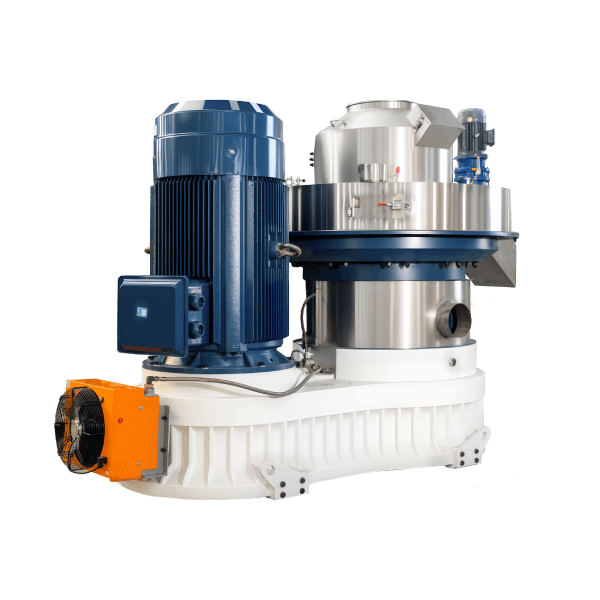
Tip 9: Ask About After-Sales Support Before You Pay
Response Time and Remote Support
Ask:
- What is the technical support response time?
- Is remote support available, and in what time zone?
- Who will help with troubleshooting?
Spare Parts Lead Time
Confirm:
- Which spare parts are stocked?
- What is the lead time for die, roller, and bearings?
- Is there a local or regional spare parts source?
Training and Documentation
Confirm:
- Is operator training included?
- Is the manual in your language?
- Are electrical diagrams and spare parts lists provided?
Tip 10: Structure Payment Terms to Protect Yourself
Standard Payment Structure
Typical terms for industrial equipment:
- 20–30% deposit on order
- 30–40% before shipment
- 30–40% after commissioning or against documents
What to Avoid
Avoid full prepayment. Paying 100% before production removes your leverage if issues arise. Also avoid payment terms that do not include a retention or performance milestone.
Performance Guarantees and Retention
Tie the final payment to:
- Successful commissioning
- Performance test at rated capacity
- Delivery of documentation and training
A retention of 10–20% until commissioning is common in industrial equipment purchases.
Tip 11: Inspect Before Shipment, Not After Arrival
Factory Testing and Video Verification
Request factory testing before shipment. If you cannot attend, request a video of the test with your material or similar. Confirm output, power consumption, and pellet quality.
Third-Party Inspection
For larger purchases, consider third-party inspection. This provides an independent verification of quality and specification compliance.
What to Check in the Test Report
- Material used
- Output achieved
- Power consumption
- Pellet durability and moisture
- Any issues observed
Tip 12: Plan Installation and Commissioning Before the Machine Arrives
Site Preparation
Prepare before delivery:
- Foundation and anchor bolts
- Power supply connection
- Dust collection ductwork
- Material handling access
- Spare parts and tools
Who Will Install
Confirm whether installation is:
- Supervised by the supplier (on-site or remote)
- Performed by a local contractor
- Performed by your own team
Commissioning and Training
Plan for:
- Commissioning schedule
- Performance test
- Operator training
- Handover documentation
The Five Most Expensive Buying Mistakes
1. Buying on Price Alone
The lowest-priced machine may have shorter die life, higher energy consumption, and no support. Compare total cost of ownership.
2. Skipping Material Testing
Without testing, you are buying on assumptions. Material testing confirms output, quality, and power consumption with your actual feedstock.
3. Ignoring Moisture
Moisture is the most common cause of underperformance. Size the dryer for actual moisture, not average.
4. No Spare Parts Plan
Without spare parts on site, every failure becomes a long downtime. Keep critical spares in stock.
5. No Performance Guarantee
Without a performance guarantee, there is no recourse if the machine does not achieve rated output. Request guarantees tied to material testing and commissioning.
Quick Reference: Pellet Machine Buying Checklist
- Feedstock type and moisture confirmed
- Die specification recommended in writing
- Actual output verified with your material
- Drying system sized for actual moisture
- Electrical configuration confirmed
- Component brands documented
- Die life and cost per tonne estimated
- Total delivered cost calculated
- After-sales support confirmed
- Payment terms include retention
- Factory inspection arranged
- Installation and commissioning planned
FAQ
What is the most important thing to check before buying a pellet machine?
Your feedstock. Material type, moisture, and particle size determine machine type, die specification, drying requirements, and capacity. Confirm feedstock before looking at machines.
How do I know if a pellet machine will work with my material?
Send a sample of your material to the supplier and request a test. Ask for a video and written report showing output, power consumption, and pellet quality with your material.
What is the difference between rated output and actual output?
Rated output is measured under ideal conditions. Actual output depends on your material, moisture, and operating skill. Always verify actual output with your material.
Why is moisture control so important?
Moisture affects pellet quality, machine performance, and die life. Material that is too wet produces soft pellets, causes choking, and accelerates die wear. The drying system must be sized for actual moisture.
What payment terms should I use for a pellet machine purchase?
Typical terms: 20–30% deposit, 30–40% before shipment, 30–40% after commissioning. Avoid full prepayment. Include a retention or performance milestone in the final payment.
What spare parts should I keep on site?
At least one die, one set of rollers, bearings, belts, and screens. Confirm lead times for critical spares and keep enough on site to cover the lead time.
How do I compare quotes from different suppliers?
Normalize capacity, scope, spare parts, commissioning, and warranty before comparing price. Calculate total delivered cost, not just machine price.
What should I check during factory testing?
Material used, output achieved, power consumption, pellet durability and moisture, and any issues observed. Request a video if you cannot attend.
What is the biggest mistake buyers make?
Buying on price alone without verifying actual output with their material. The lowest-priced machine may be the most expensive over its operating life.
How do I protect myself if the machine does not perform as promised?
Request a performance guarantee tied to material testing and commissioning. Structure payment terms with a retention until commissioning is complete. Document the agreed specification in writing.
About the Author
Zhang Wei – Senior International Sales Engineer, Shandong Changsheng Machinery Co., Ltd.
Zhang Wei has over 12 years of experience in the pellet machine industry, with a background in mechanical engineering and international project execution. He has supplied and commissioned pellet machines for wood, biomass, and feed applications across Europe, Southeast Asia, the Middle East, Africa, and the Americas. His practical experience includes material testing, die specification, commissioning, and troubleshooting in customer operations.
With hands-on experience in both the manufacturing workshop and client-side operations, Zhang brings practical insights into pellet machine procurement—from feedstock assessment and die selection to installation and long-term operation.