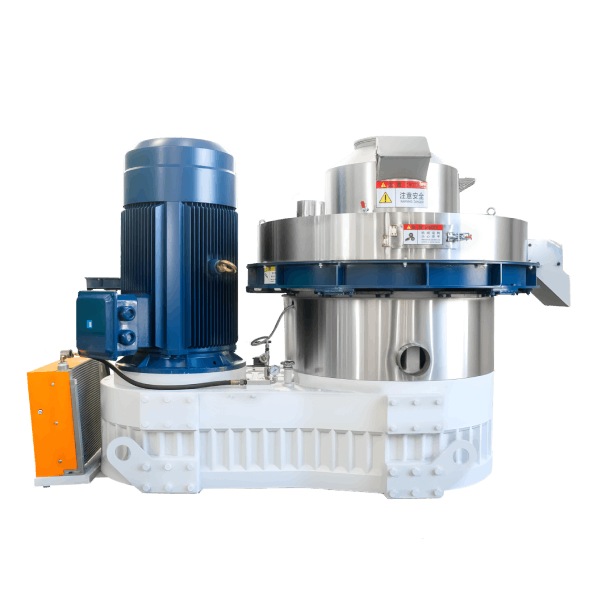
Pellet Machine South Africa: Complete Buyer’s Guide

News 2026-08-07

Page SEO Summary: This comprehensive guide helps South African buyers find pellet machines—covering supplier options, price ranges, SABS compliance, and buying guidance for the local market.

South Africa’s agricultural and biomass sectors are increasingly recognizing the value of pellet production. From animal feed for livestock to biomass fuel from agricultural waste, pellet machines offer opportunities for farmers, entrepreneurs, and small businesses.

This guide provides a comprehensive overview of the South African pellet machine market, helping you make informed purchasing decisions.


South African Pellet Market Overview

Market Context

AspectDetails
Market sizeGrowing; driven by agriculture and biomass
Key applicationsAnimal feed; biomass fuel; agricultural processing
User typesFarmers; agribusiness; small businesses
Quality standardsSABS; NRCS

Common Applications

ApplicationDescriptionTypical Users
Animal feedFeed for livestock, poultryFarmers; feed producers
Biomass fuelAgricultural waste utilizationAgribusiness; entrepreneurs
Game feedFeed for game farmingGame farmers
ExportBiomass pellets for exportProducers

Buying Options

OptionDescriptionBest For
South African distributorsLocal dealers with inventoryQuick delivery; local support
Online retailersE-commerce salesConvenience
Direct import (China)Direct from manufacturerBest price
Used equipmentSecond-hand machinesBudget-conscious

Suppliers and Options

Types of Suppliers

TypeCharacteristicsProsCons
South African distributorsImport and sellLocal support; stockHigher price
Online retailersE-commerce salesConvenientLimited support
Direct importFrom manufacturerBest priceNo local support

Key Provinces

ProvinceCharacteristics
GautengLargest market; industrial hub
Western CapeAgriculture; wine industry
KwaZulu-NatalAgriculture; sugar industry
Free StateGrain farming; agriculture
Eastern CapeAgriculture; livestock

Price Ranges (South African Market)

Estimated Prices in ZAR

TypeCapacityPrice Range
Small flat die (hobby)30-80 kg/hR10,000-25,000
Medium flat die80-200 kg/hR25,000-50,000
Large flat die150-300 kg/hR50,000-80,000
Ring die (small commercial)200-500 kg/hR80,000-180,000
Ring die (commercial)500-1,500 kg/hR180,000-450,000
Complete small line50-200 kg/hR60,000-150,000

Price Comparison

SourcePriceDelivery TimeSupport
SA distributorHighest1-7 daysExcellent
Online retailerHigh1-2 weeksModerate
Direct import (China)Lowest (25-40% savings)6-12 weeksLimited

Local Purchase vs Import

Comparison

AspectSA PurchaseDirect Import
PriceHigherLower (25-40% savings)
Delivery1-7 days6-12 weeks
SABS/NRCSGuaranteedMust verify
SupportLocal; immediateRemote; limited
Spare partsReadily availableMay take time
WarrantySA serviceInternational service
CustomsNone (local stock)Buyer responsible

When to Choose SA Purchase

ScenarioReason
Need machine quicklyFast delivery
Want local supportEasy communication
Limited import experienceNo customs hassle
Budget allowsPremium for convenience
First-time buyerSimpler process

When to Consider Direct Import

ScenarioReason
Large budget savings25-40% lower cost
Import experienceKnow the process
Not time-sensitiveCan wait for delivery
Previous experienceKnow what to expect

South African Compliance Requirements

Key Standards

StandardRequirementApplicability
SABSSouth African Bureau of StandardsEquipment standards
NRCSNational Regulator for Compulsory SpecificationsCompulsory specifications
SANSSouth African National StandardsVarious
LCIElectrical safetyElectrical equipment

Certification Requirements

CertificationWhen Required
SABS approvalCompulsory for some equipment
NRCS clearanceImport clearance
ECSAElectrical compliance

Documentation Required

DocumentPurpose
SABS certificateCompliance
Declaration of conformityCompliance declaration
User manualOperating instructions
WarrantyTerms and conditions

Common Applications in South Africa

Agricultural Feed

LivestockPellet SizeTypical Need
Cattle4-6 mmCommercial farms
Sheep/Goats4-6 mmFarms
Poultry2-4 mmPoultry operations
Game4-6 mmGame farms
Pigs2-5 mmPig operations

Biomass Opportunities

MaterialSourceApplication
Maize stalksGrain farmingFuel pellets
Wheat strawGrain farmingFuel pellets
Sugar cane bagasseSugar industryFuel pellets
Wood wasteForestry; sawmillsFuel pellets

Export Potential

ProductMarketOpportunity
Wood pelletsEurope; AsiaGrowing demand
Biomass pelletsRegionalIndustrial
Feed pelletsRegionalLivestock

Buying Process

Steps to Buy in South Africa

StepActionTimeline
1Define your needs1-2 weeks
2Research suppliers1-2 weeks
3Request quotes1 week
4Compare options1-2 weeks
5Select supplier1 week
6Order and payment1 week
7Delivery1-7 days (local)
8Installation1-2 weeks
9Commissioning1 week

Questions to Ask SA Suppliers

QuestionWhy
“Do you have SABS/NRCS certification?”Compliance
“Do you have stock in South Africa?”Delivery time
“What is the warranty?”Protection
“Do you have spare parts?”Maintenance
“Can you provide installation support?”Setup help

Procurement Checklist: South African Purchase

Needs Assessment

  • □ Application defined (feed/fuel)
  • □ Capacity requirement confirmed
  • □ Budget established
  • □ Timeline confirmed

Supplier Evaluation

  • □ 3-5 suppliers compared
  • □ SA stock checked
  • □ Support capability verified
  • □ References contacted

Compliance

  • □ SABS/NRCS compliance verified
  • □ Documentation available
  • □ SANS standards met
  • □ Warranty reviewed

Final Decision

  • □ Price compared (total delivered)
  • □ Support confirmed
  • □ Delivery date confirmed

Frequently Asked Questions

1. Where can I buy a pellet machine in South Africa?

You can buy from South African distributors, online retailers, and directly from overseas manufacturers. Local distributors offer the fastest delivery and best support.

2. What is the price range in South Africa?

Small hobby machines: R10,000-25,000 ZAR. Commercial machines: R80,000-450,000 ZAR. Complete small lines: R60,000-150,000+ ZAR.

3. Is it cheaper to import from China?

Yes. Direct import from China can save 25-40% on equipment cost. However, consider shipping time, import duties, and support availability.

4. What compliance is required in South Africa?

SABS (South African Bureau of Standards) and NRCS approval are required for certain equipment. Electrical equipment must meet SANS standards.

5. Do South African suppliers offer support and spare parts?

Yes. South African distributors typically offer local support, installation assistance, and readily available spare parts. This is a key advantage over direct import.

6. What agricultural residues can be pelleted?

Maize stalks, wheat straw, sugar cane bagasse, and other agricultural residues can be pelleted for biomass fuel. This offers opportunities for waste utilization.

7. Is there a market for pellets in South Africa?

Yes. Growing demand for animal feed, biomass fuel, and export pellets. The market is developing with increasing awareness of renewable energy.

8. What is the delivery time?

South African distributors with stock: 1-7 days. Direct imports: 6-12 weeks. Plan accordingly.


About the Author

Zhang Wei – Senior International Sales Engineer, Shandong Changsheng Machinery Co., Ltd.

Zhang Wei has over 12 years of experience in the biomass and feed pellet mill industry, with a background in mechanical engineering and international project execution. He has helped South African clients across Gauteng, Western Cape, KwaZulu-Natal, and other provinces find the right pellet machines for their needs.

With hands-on experience in both the manufacturing workshop and client-side operations, Zhang brings practical insights into successful equipment procurement—from the factory floor to the South African customer’s site.
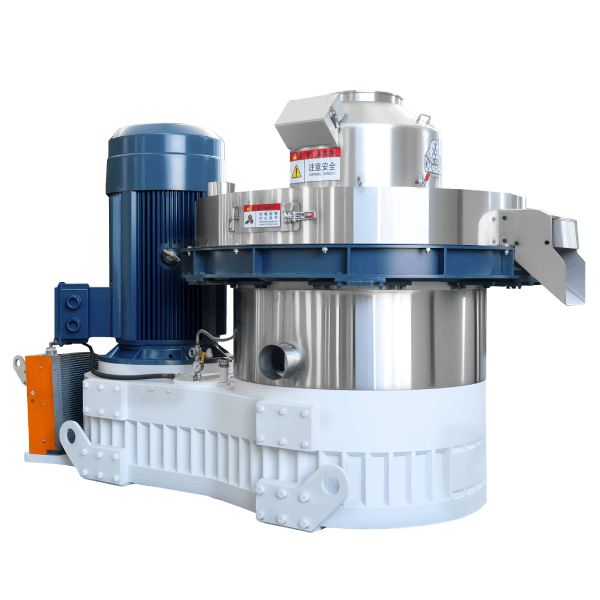
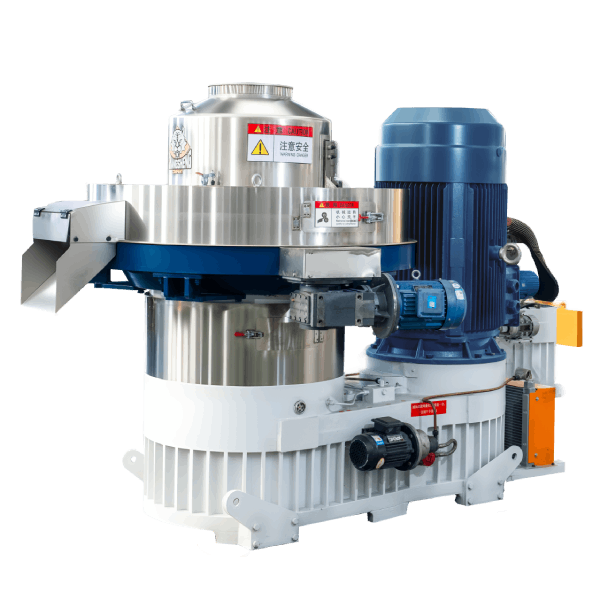
pellet machine