Page SEO Summary: This comprehensive guide helps South African buyers plan pellet lines—covering system configuration, local biomass resources, import considerations, and procurement guidance.
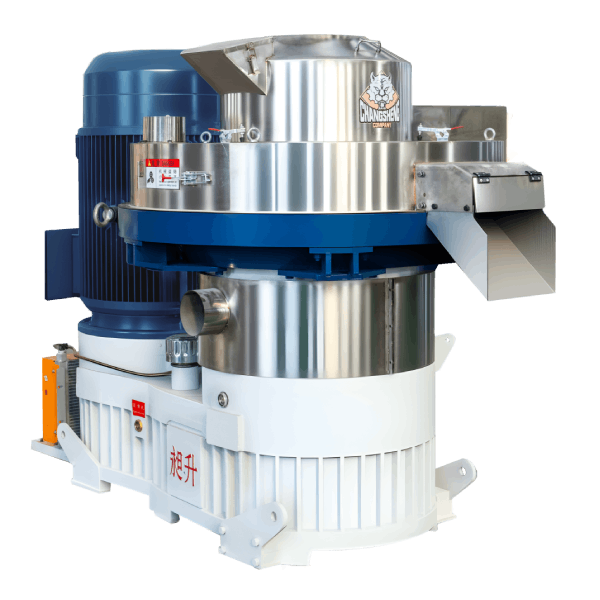
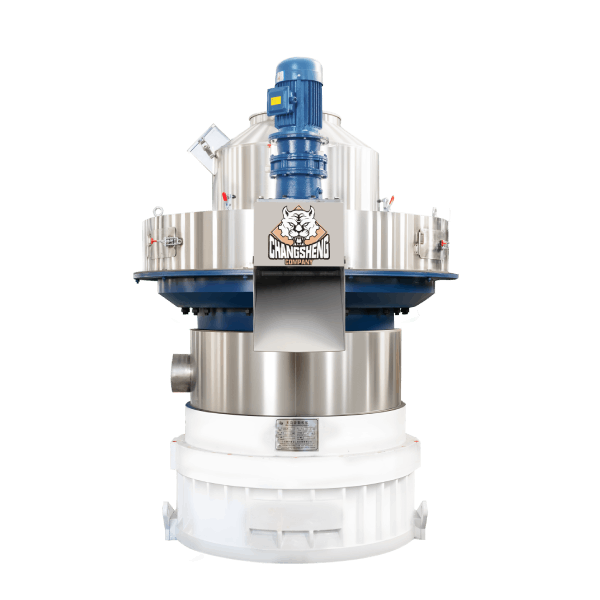
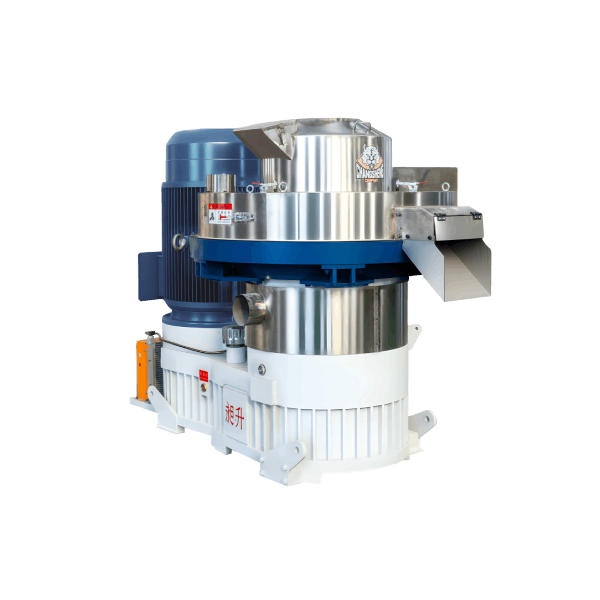
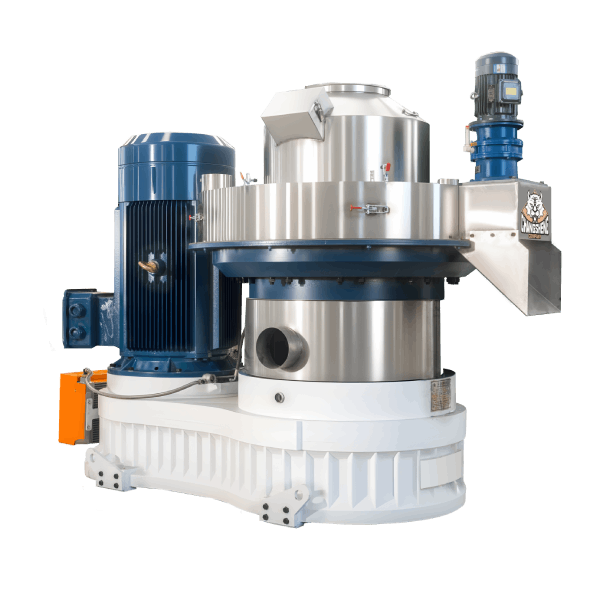
South Africa’s agricultural sector, growing forestry industry, and increasing focus on renewable energy create significant opportunities for pellet production. From sugarcane bagasse to maize stover, the country has abundant biomass resources waiting to be converted into valuable fuel. Manufacturers like Shandong Changsheng Machinery Co., Ltd. supply pellet lines to the South African market through local partners and direct export channels.
This guide provides a comprehensive framework for planning and procuring a pellet line in South Africa.
The South African Pellet Market
Market Context
Aspect
Details
Market size
Growing; driven by agriculture and biomass
Key applications
Industrial heating, agricultural, export
Key resource
Agricultural residues, forestry
Quality standards
SABS, NRCS
Market Drivers
Driver
Impact
Agricultural waste
Abundant supply
Renewable energy focus
Growing interest
Export opportunities
Regional and international
Industrial growth
New factories
Sustainability goals
Corporate and government
Local Biomass Resources
Available Feedstock
Material
Source
Potential
Quality for Pellets
Sugarcane bagasse
Sugar mills
Very high
Good
Maize stover
Grain farming
Very high
Moderate
Wheat straw
Grain farming
High
Moderate
Sawdust
Sawmills, forestry
High
Excellent
Wood chips
Plantations
High
Good
Fruit waste
Agriculture
Moderate
Variable
Poultry litter
Poultry farms
Moderate
Limited
Agricultural Residues
Crop
Residue
Potential
Regions
Sugarcane
Bagasse
Very high
KwaZulu-Natal, Mpumalanga
Maize
Stover
Very high
Free State, North West
Wheat
Straw
High
Western Cape
Sunflower
Stalks
Moderate
Various
Forestry Resources
Resource
Quality
Regions
Sawmill residues
Excellent
Mpumalanga, KwaZulu-Natal
Plantation thinnings
Good
Mpumalanga, Western Cape
Bark
Moderate
Various
Market Applications
Primary Applications
Application
Description
Target Users
Growth Potential
Industrial heating
Boiler fuel
Factories, mills
High
Agricultural use
Animal feed, bedding
Farms
Growing
Export
Regional/international
Exporters
Growing
Local heating
Commercial/institutional
Businesses
Moderate
Power generation
Co-firing
Power plants
Emerging
Pellet Line Configuration
System Components
Stage
Equipment
Function
Specification
Raw material
Receiving, conveyors
Intake
Match capacity
Preparation
Screening, drying, grinding
Prep
Capacity matched
Pelletizing
Conditioner, pellet mills
Core process
Multiple mills
Post-processing
Cooling, screening
Finishing
Capacity matched
Storage
Silos, packaging
Product handling
Adequate capacity
Control
PLC/SCADA
Automation
Full integration
Line Capacities
Scale
Capacity (t/h)
Annual Output
Typical Use
Small commercial
0.5-1
1,000-3,000 tons
Local market
Medium commercial
1-3
3,000-9,000 tons
Regional
Large commercial
3-5
9,000-15,000 tons
Export
Industrial
5-10+
15,000-30,000+ tons
Large-scale
A pellet line for South Africa from a supplier like Shandong Changsheng Machinery Co., Ltd. can be configured to match local capacity requirements and feedstock availability.
Investment Costs
Equipment Cost Estimates
Scale
Equipment Cost (USD)
Complete Plant Cost (USD)
Small (0.5-1 t/h)
$50,000-100,000
$100,000-200,000
Medium (1-3 t/h)
$100,000-250,000
$200,000-500,000
Large (3-5 t/h)
$250,000-500,000
$500,000-1,000,000
Industrial (5-10 t/h)
$500,000-1,500,000
$1,000,000-3,000,000
Additional Costs
Cost Component
Estimated Range
Notes
Sea freight
$2,000-6,000
Container to Durban/Cape Town
Insurance
0.3-1.0% of value
Cargo insurance
Import duty
0-20%
Depending on classification
VAT
15%
Applicable on CIF + duty
Clearing fees
$500-1,500
Agent fees
Inland transport
$500-2,000
Port to site
Import Considerations
Import Process
Step
Activity
Timeline
Responsibility
1
Supplier selection
2-4 weeks
Buyer
2
Order placement
1 week
Buyer
3
Manufacturing
4-12 weeks
Supplier
4
Shipping (sea freight)
4-6 weeks
Buyer/Supplier
5
Arrival in South Africa
—
Shipping
6
Customs clearance
1-2 weeks
Buyer/Broker
7
Delivery to site
1-2 weeks
Buyer
Documentation Required
Document
Purpose
Commercial invoice
Customs valuation
Packing list
Cargo details
Bill of lading
Transport title
Certificate of origin
Origin verification
Export declaration
Export clearance
Import declaration
Import clearance
SABS certificate
South African compliance
Customs and Duties
Item
Details
HS Code
8436.10 (feed) or 8438.80 (biomass)
Import duty
0-20% (depending on classification)
VAT
15%
Clearing agent
Recommended
South African Compliance Requirements
Key Standards
Standard
Requirement
Applicability
SABS
South African Bureau of Standards
Equipment standards
NRCS
National Regulator for Compulsory Specifications
Compulsory specifications
SANS
South African National Standards
Various
LCI
Electrical safety
Electrical equipment
Certification Requirements
Certification
When Required
SABS approval
Compulsory for some equipment
NRCS clearance
Import clearance
ECSA
Electrical compliance
Documentation Required
Document
Purpose
SABS certificate
Compliance
Declaration of conformity
Compliance declaration
User manual
Operating instructions
Warranty
Terms and conditions
Success Factors in South Africa
Key Considerations
Factor
Why Important
Raw material supply
Must be consistent
Power availability
3-phase power for larger lines
Technical skills
Operator training needed
Market demand
Must exist locally
Support access
Spare parts availability
Regulatory compliance
SABS requirements
Local Partnerships
Partnership Type
Benefit
Local agent
Local support, stock
Import broker
Customs clearance
Logistics provider
Shipping, transport
Technical partner
Installation, maintenance
Financial institution
Financing options
Procurement Checklist
Market Assessment
□ Raw material source confirmed
□ Target customers identified
□ Competition assessed
□ Regulatory requirements understood
System Planning
□ Capacity target confirmed
□ Complete equipment list developed
□ Space requirements confirmed
□ Utilities confirmed
Import Planning
□ HS code confirmed
□ Import duty rate confirmed
□ Clearing agent identified
□ Budget includes all import costs
Supplier Evaluation
□ Multiple suppliers compared
□ References from similar projects
□ Factory visits completed
□ Proposals evaluated
Frequently Asked Questions
1. Is there demand for pellets in South Africa?
Yes. Growing demand for industrial heating, agricultural applications, and export opportunities. The market is developing with renewable energy awareness.
2. What are the main biomass resources?
Sugarcane bagasse, maize stover, wheat straw, sawdust, and wood chips are the primary biomass resources available.
3. How do I import a pellet line?
Identify supplier, arrange shipping, clear customs with SARS, and transport to site. Use a clearing agent for smooth clearance.
4. What is the import duty?
Depends on HS classification. 0-20% plus 15% VAT. Confirm with SARS (South African Revenue Service).
5. Which suppliers serve South Africa?
Chinese suppliers are the most common, with European options also available. Local agents exist for some brands.
6. What power supply is needed?
South Africa uses 230V/400V, 50Hz. Small single-phase machines are available; larger lines require 3-phase power.
7. How do I get spare parts?
Order with the main equipment, establish relationship with supplier, and consider local stock for critical parts.
8. What is the typical timeline?
Feasibility to production: 12-24 months depending on scale and complexity.
Zhang Wei has over 12 years of experience in the biomass and feed pellet mill industry, with a background in mechanical engineering and international project execution. He has helped clients across South Africa and other African countries plan and implement pellet production lines.
With hands-on experience in both the manufacturing workshop and client-side operations, Zhang brings practical insights into successful project execution—from the factory floor to the customer’s site.