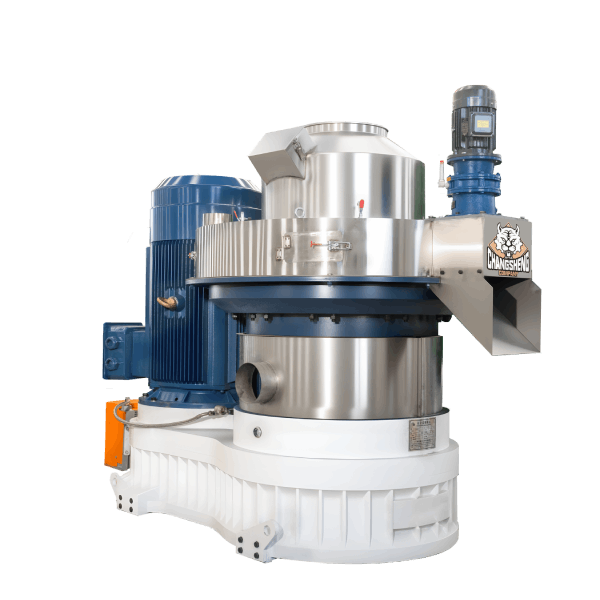
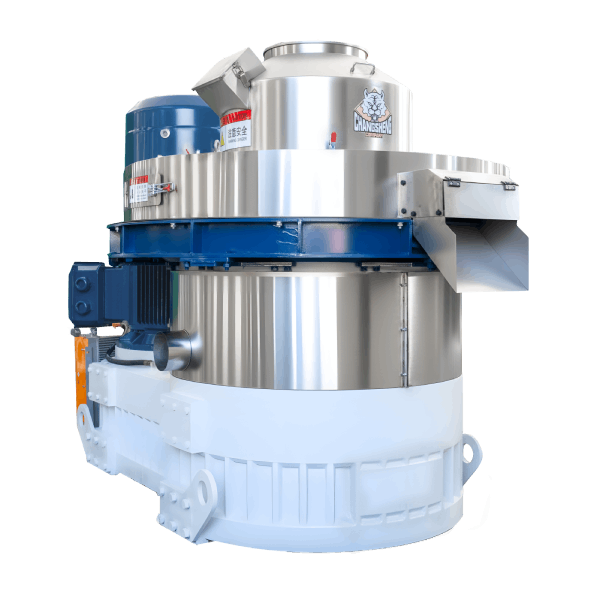
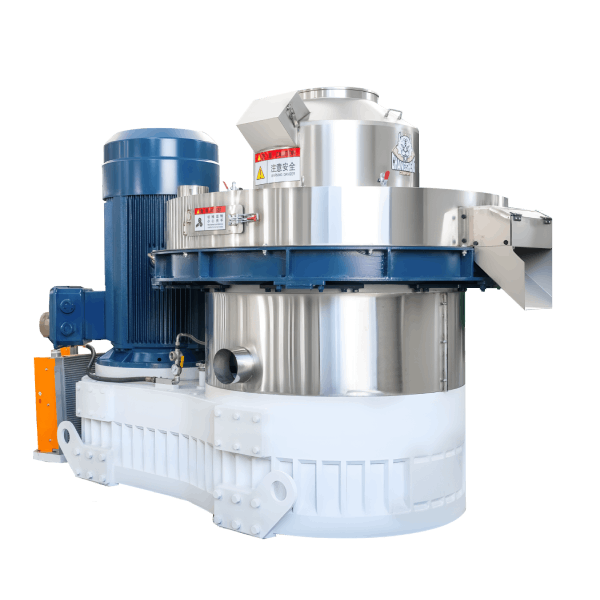
Pellet Machine FOB Price China: Complete Cost Guide
News 2026-07-31
Page SEO Summary: This procurement guide helps international buyers understand pellet machine FOB price China—covering price ranges, cost components, influencing factors, and total landed cost calculation for informed purchasing decisions.
For international buyers sourcing pellet machines from China, understanding FOB pricing is essential for accurate budgeting and supplier comparison. FOB (Free On Board) is the standard pricing basis for Chinese exports, but what exactly does it include? How do prices vary between suppliers? What additional costs should you expect?
This guide provides a comprehensive framework for understanding pellet machine FOB prices from China, helping you make informed procurement decisions and avoid unexpected costs.
What Is FOB Price?
Definition
| Term | Meaning |
|---|---|
| FOB | Free On Board |
| Included | Equipment cost + export packing + inland freight (factory to port) + export clearance |
| Not Included | Sea freight, insurance, destination charges, import duties |
What FOB Price Covers
| Item | Included in FOB? | Notes |
|---|---|---|
| Equipment itself | Yes | Base cost |
| Export packaging | Yes | Standard export packing |
| Inland freight to port | Yes | Factory to Chinese port |
| Export clearance | Yes | Export documentation |
| Loading charges | Yes | Port loading fees |
| Ocean freight | No | Buyer arranges or pays |
| Insurance | No | Buyer arranges |
| Destination charges | No | Port handling at destination |
| Import duties | No | Buyer’s responsibility |
| Inland freight (destination) | No | Buyer’s responsibility |
Price Range Reference
Typical FOB Price Ranges (USD)
| Machine Type | Capacity | Price Range | Application |
|---|---|---|---|
| Flat die pellet mill (small) | 30-100 kg/h | $500-2,000 | Small farms; hobby |
| Flat die pellet mill (medium) | 100-300 kg/h | $2,000-5,000 | Small farms; feed |
| Ring die pellet mill (small) | 200-500 kg/h | $5,000-15,000 | Small-medium farms |
| Ring die pellet mill (medium) | 500-1,500 kg/h | $15,000-35,000 | Commercial farms |
| Ring die pellet mill (large) | 1.5-5 t/h | $35,000-80,000 | Feed mills |
| Complete feed line (small) | 0.5-1 t/h | $20,000-50,000 | Small feed operations |
| Complete feed line (medium) | 1-3 t/h | $50,000-150,000 | Commercial mills |
| Complete feed line (large) | 3-10 t/h | $150,000-500,000 | Large feed plants |
| Biomass pellet line (small) | 0.5-1 t/h | $25,000-60,000 | Biomass plants |
| Biomass pellet line (medium) | 1-3 t/h | $60,000-200,000 | Commercial biomass |
| Biomass pellet line (large) | 3-10 t/h | $200,000-700,000 | Large biomass plants |
Price Index by Quality Level
| Quality Level | Price Index | Typical Quality |
|---|---|---|
| Low-end | 0.6-0.8× | Basic components; standard steel |
| Standard | 1.0× | Good components; reasonable quality |
| Premium | 1.3-1.6× | Premium components (SKF, Siemens); better steel |
| High-end | 1.8-2.5× | Premium components; advanced controls |
Price Components
Cost Breakdown (Typical 500 kg/h Pellet Mill)
| Cost Component | Estimated Share |
|---|---|
| Equipment materials | 40-50% |
| Manufacturing labor | 15-20% |
| Component costs (motor, bearings) | 15-20% |
| Overhead and engineering | 5-10% |
| Profit margin | 10-15% |
Factors Affecting Price
| Factor | Impact | Explanation |
|---|---|---|
| Component quality | ±20-40% | Premium vs. standard brands |
| Material specification | ±10-20% | Stainless vs. carbon steel |
| Control system | ±10-25% | PLC vs. manual; automation level |
| Motor efficiency | ±5-15% | IE3/IE4 vs. standard |
| Customization | ±5-25% | Standard vs. custom configuration |
| Order quantity | ±5-15% | Single unit vs. multiple units |
| Supplier position | ±10-20% | Premium vs. value supplier |
Component Brand Impact
| Component | Standard Brand | Premium Brand | Price Difference |
|---|---|---|---|
| Motor | Chinese | ABB/Siemens | +10-25% |
| Bearings | Chinese | SKF/FAG/NSK | +15-25% |
| Control system | Basic | PLC touch screen | +15-30% |
| Gearbox | Standard | Heavy-duty | +20-30% |
| Die material | Standard steel | Premium alloy | +10-20% |
Additional Costs: FOB to Landed Cost
Cost Components After FOB
| Cost Component | Typical Range | Notes |
|---|---|---|
| Ocean freight (20-ft container) | $1,000-3,500 | Destination-dependent |
| Ocean freight (40-ft container) | $1,500-5,000 | Destination-dependent |
| Insurance | 0.3-1.0% of value | 110% of invoice value |
| Destination port charges | $200-800 | Depends on port |
| Customs clearance | $100-500 | Broker fees |
| Import duties | 0-20% | Country-dependent |
| VAT/import tax | 0-25% | Country-dependent |
| Inland freight (destination) | $200-2,000 | Distance-dependent |
Total Landed Cost Example
Example: 500 kg/h Pellet Mill – $15,000 FOB
| Cost Item | Amount (USD) |
|---|---|
| FOB Price | $15,000 |
| Ocean freight | $2,000 |
| Insurance | $200 |
| Destination charges | $500 |
| Customs clearance | $300 |
| Import duties (10%) | $1,500 |
| VAT (15%) | $2,250 |
| Inland freight | $500 |
| Total Landed Cost | $22,250 |
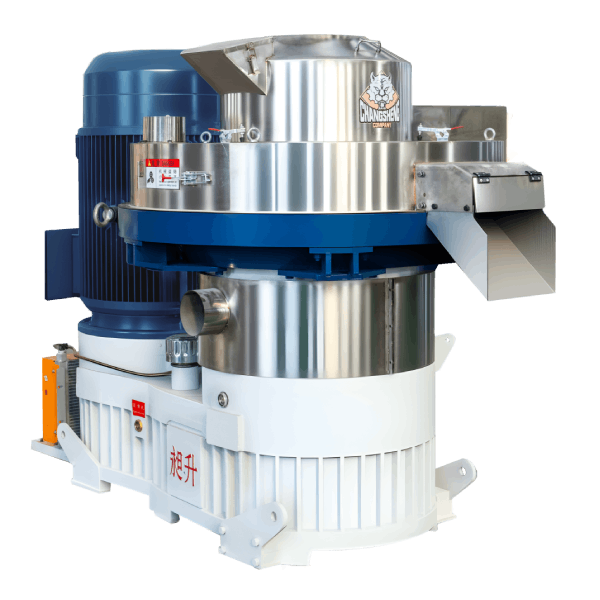
Price vs. Quality: What to Expect
Quality Indicators at Different Price Levels
| Price Level | Typical Quality | Key Components |
|---|---|---|
| Below average | Lower | Chinese motors; standard bearings; basic steel |
| Average | Good | Mix of Chinese/premium components; standard die |
| Above average | Better | Premium bearings; better steel; better finish |
| Premium | Excellent | Premium components; high-quality die; advanced controls |
When the Lowest Price May Not Be Best
| Risk | Potential Consequence |
|---|---|
| Lower quality components | Higher maintenance; more downtime |
| Poorer steel quality | Shorter die life; more wear |
| Basic control system | Less automation; more manual work |
| Inadequate documentation | Harder installation; less support |
| Lower testing standards | More problems on site |
Price Negotiation
What Can Be Negotiated
| Item | Negotiability | Notes |
|---|---|---|
| Base price | Moderate | Compare multiple quotes |
| Component brands | High | Upgrade at marginal cost |
| Spare parts | Moderate | Package deal |
| Payment terms | Moderate | Milestone payments |
| Delivery terms | Low | FOB is standard |
| Warranty | Low | Standard is 12-24 months |
Tips for Price Negotiation
| Tip | Why It Works |
|---|---|
| Request detailed breakdown | Identifies cost drivers |
| Compare multiple quotes | Provides leverage |
| Ask about component options | See upgrade costs |
| Consider total cost of ownership | Not just initial price |
| Build long-term relationship | Better future pricing |
Common Pricing Pitfalls
| Pitfall | Consequence | How to Avoid |
|---|---|---|
| Choosing lowest price | Quality issues | Evaluate component specifications |
| Not comparing scopes | Incomplete quotes | Compare scope of supply |
| Ignoring freight costs | Budget overrun | Include all logistics costs |
| Not considering import duties | Higher landed cost | Research import duties |
| Overlooking spare parts | Future cost | Order spares with main equipment |
Procurement Checklist: FOB Price Evaluation
Pre-Purchase
- □ Required machine specifications defined
- □ Quality level (standard/premium) determined
- □ Component brand preferences identified
- □ Target FOB price range established
Supplier Evaluation
- □ Multiple quotes obtained (3-5 suppliers)
- □ Scope of supply compared
- □ Component specifications reviewed
- □ Exclusions list reviewed
- □ Payment terms confirmed
Total Cost Calculation
- □ FOB price confirmed
- □ Ocean freight cost estimated
- □ Insurance cost included
- □ Destination charges estimated
- □ Import duties calculated
- □ Total landed cost calculated
Decision
- □ Price vs. quality tradeoff evaluated
- □ Total cost of ownership considered
- □ Supplier reputation verified
- □ Warranty and support reviewed
Frequently Asked Questions
1. What is the typical FOB price of a pellet machine from China?
A small 30-100 kg/h flat die machine costs $500-2,000. A medium 200-500 kg/h ring die machine costs $5,000-15,000. A large 1.5-5 t/h machine costs $35,000-80,000. Prices vary based on quality and specifications.
2. What does FOB price include?
FOB price includes the equipment, export packing, inland freight to the Chinese port, and export clearance. It does not include sea freight, insurance, destination charges, or import duties.
3. Why do prices vary between suppliers?
Price variations come from component quality (motor, bearings, control system), material specifications, customization level, automation, and supplier positioning.
4. How much should I budget for shipping?
Ocean freight typically adds $1,000-5,000 to the FOB price. Total additional costs (freight, insurance, duties, clearance) typically add 30-60% to the FOB price.
5. Is the cheapest price the best value?
Not always. Lower-priced machines often use lower-quality components, which can lead to higher maintenance costs, more downtime, and shorter service life.
6. Should I pay the full amount before shipment?
No. Use milestone payments (e.g., 30% deposit, 40% before shipment, 30% after installation). Retain 5-10% until commissioning.
7. Can I negotiate the FOB price?
Yes. Negotiation is normal in Chinese business culture. Compare multiple quotes, ask for component upgrades, and consider ordering spare parts as part of the package.
8. What is the difference between FOB and CIF price?
FOB: buyer pays for sea freight and insurance. CIF: seller includes sea freight and insurance in the price. FOB gives the buyer more control; CIF simplifies for the buyer.
About the Author
Zhang Wei – Senior International Sales Engineer, Shandong Changsheng Machinery Co., Ltd.
Zhang Wei has over 12 years of experience in the biomass and feed pellet mill industry, with a background in mechanical engineering and international project execution. He has managed pellet mill export projects for clients across Southeast Asia, the Middle East, Africa, Europe, and Latin America, with extensive experience in pricing, negotiation, and international trade.
With hands-on experience in both the manufacturing workshop and client-side operations, Zhang brings practical insights into successful equipment procurement—from the factory floor to the customer’s site.