Pellet Machine for Sesame Stalk: Complete Technical Guide
News 2026-07-29
Page SEO Summary: This technical guide helps project developers and procurement professionals evaluate pellet machines for sesame stalk—covering material properties, processing requirements, equipment specifications, and market opportunities for this oilseed by-product.
Sesame is one of the oldest oilseed crops in the world, cultivated across Asia, Africa, and the Americas. For every ton of sesame seed produced, approximately 1.5-2 tons of sesame stalk—the dried stem of the plant—is generated as agricultural residue. This material has traditionally been burned in fields or used as domestic fuel, representing a significant untapped biomass resource.
Sesame stalk is a woody, fibrous material with good calorific value and moderate ash content. It offers potential as a biomass fuel, particularly in regions where sesame is cultivated.
This guide provides a comprehensive technical framework for evaluating pellet machines for sesame stalk applications.
Understanding Sesame Stalk
What Is Sesame Stalk?
| Aspect | Details |
|---|---|
| Definition | Dried stem of the sesame plant after seed harvest |
| Production | 1.5-2 tons per ton of sesame seed |
| Annual global production | 10-15 million tons |
| Current use | Domestic fuel; field burning |
| Potential | Industrial pellets; biomass fuel |
Sesame Production by Country
| Country | Sesame Production (M tons) | Stalk Potential (M tons) |
|---|---|---|
| India | 0.8-1.0 | 1.2-2.0 |
| China | 0.6-0.8 | 0.9-1.6 |
| Myanmar | 0.5-0.7 | 0.8-1.4 |
| Sudan | 0.4-0.6 | 0.6-1.2 |
| Other | 1.0-1.2 | 1.5-2.4 |
Physical and Chemical Properties
| Property | Sesame Stalk | Wood | Wheat Straw | Relevance |
|---|---|---|---|---|
| Moisture (%) | 10-15 | 8-12 | 10-20 | Moderate |
| Ash content (%) | 4-8 | <1.5 | 5-10 | Moderate |
| Lignin (%) | 18-25 | 25-35 | 15-20 | Moderate binder |
| Cellulose (%) | 40-50 | 40-50 | 35-45 | Good fiber |
| Calorific value (MJ/kg) | 16-17 | 16.5-18 | 15-16 | Good |
Key Characteristics
| Characteristic | Detail | Impact |
|---|---|---|
| Woody stem | Similar to sunflower stalk | Good structure |
| Moderate lignin | 18-25% | Some binding ability |
| Low moisture | 10-15% | Limited drying needed |
| Moderate ash | 4-8% | Acceptable |
Challenges and Solutions
Key Challenges
| Challenge | Description | Impact |
|---|---|---|
| Variable quality | Growing conditions | Consistency |
| Long fibers | Stem structure | Grinding |
| Field contamination | Soil; stones | Wear |
| Seasonal availability | Harvest cycles | Storage |
Solutions
| Challenge | Solution |
|---|---|
| Variable quality | Blending; process control |
| Long fibers | Proper shredding; hammer mill |
| Contamination | Pre-cleaning; destoner |
| Seasonal | Storage planning |
Processing Parameters
Optimal Conditions for Sesame Stalk Pelleting
| Parameter | Recommended Range | Notes |
|---|---|---|
| Moisture content | 10-14% | Often naturally low |
| Particle size | 2-5 mm | Standard |
| Temperature | 90-110°C | Moderate |
| Compression ratio (L/D) | 1:10 to 1:14 | Moderate binder |
| Additives | Optional | May improve durability |
Equipment Requirements
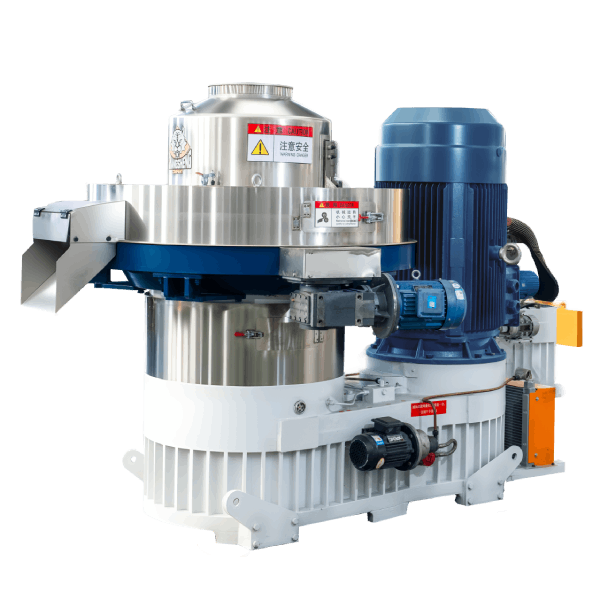
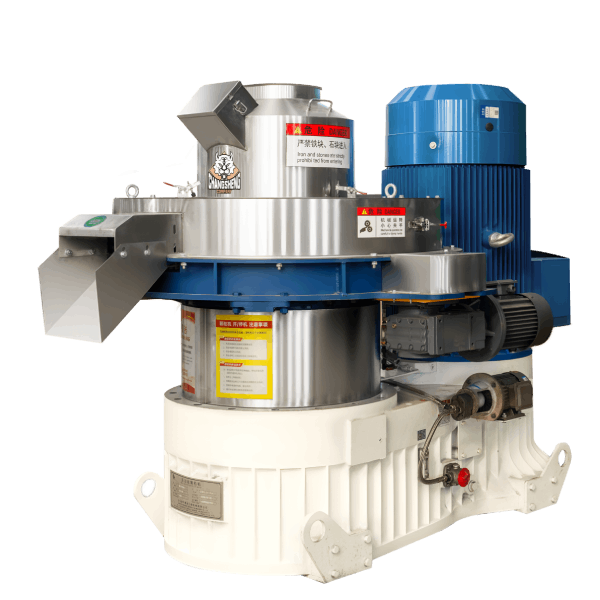
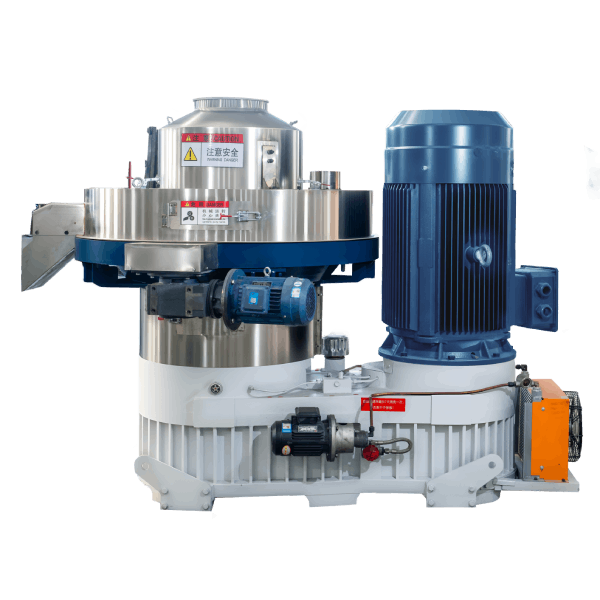
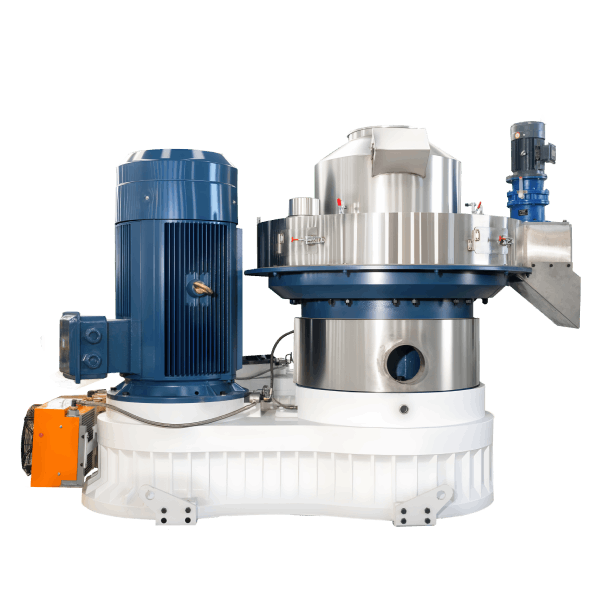
Pellet Machine Specifications
| Specification | Recommendation | Rationale |
|---|---|---|
| Motor power | 1.1-1.3× standard | Moderate processing |
| Die material | Premium alloy | Moderate wear |
| Die compression ratio | 1:10 to 1:14 | Moderate binder |
| Feeder design | Force feeder recommended | Stem material |
| Conditioner | Recommended | Improve quality |
| Roller material | Hardened | Moderate wear |
Complete Process Flow
Step-by-Step for Sesame Stalk Pellets
| Stage | Equipment | Parameters | Purpose |
|---|---|---|---|
| Receiving | Storage; conveyors | — | Raw material handling |
| Pre-cleaning | Screener; destoner | Remove debris | Equipment protection |
| Shredding | Shredder | 5-10 cm | Reduce stalk size |
| Grinding | Hammer mill | 2-5 mm particle size | Size reduction |
| Conditioning | Conditioner | 90-110°C | Soften fibers |
| Pelletizing | Pellet mill | Moderate L/D | Form pellets |
| Cooling | Cooler | Ambient | Stabilize pellets |
| Screening | Fines screen | — | Remove fines |
| Packaging | Bagging | — | Final product |
Pellet Quality and Applications
Sesame Stalk Pellet Specifications
| Parameter | Typical Value | Notes |
|---|---|---|
| Calorific value | 16-17 MJ/kg | Good |
| Moisture content | 8-10% | Good |
| Ash content | 4-8% | Moderate |
| Durability (PDI) | 85-92% | Good |
Applications
| Application | Suitability | Notes |
|---|---|---|
| Industrial combustion | Good | Primary market |
| Power generation | Good | Growing |
| Local heating | Good | Regional |
| Residential heating | Limited | Ash may be issue |
Economic Analysis
Cost Factors
| Factor | Advantage |
|---|---|
| Raw material cost | Low (by-product) |
| Drying cost | Low (low moisture) |
| Equipment cost | Moderate |
| Availability | Seasonal; regional |
Investment Estimates
| Scale | Capacity (t/y) | Investment (Est.) |
|---|---|---|
| Small | 1,000-3,000 | $150,000-400,000 |
| Medium | 3,000-8,000 | $400,000-1,000,000 |
| Large | 8,000-20,000 | $1,000,000-2,500,000 |
Payback Analysis
| Scenario | Payback Period |
|---|---|
| Good market | 2-4 years |
| Typical operation | 3-5 years |
Procurement Checklist: Sesame Stalk Pellet System
Material Assessment
- □ Sesame stalk availability confirmed
- □ Moisture content measured
- □ Ash content evaluated
- □ Collection plan developed
Equipment Specifications
- □ Pre-cleaner included
- □ Shredder included
- □ Hammer mill with hardened components
- □ Force feeder included
- □ Premium die material specified
- □ Die compression ratio: 1:10 to 1:14
- □ Conditioner included
Process Parameters
- □ Moisture target: 10-14%
- □ Particle size target: 2-5 mm
- □ Temperature target: 90-110°C
Supplier Evaluation
- □ Supplier experience with similar stalks
- □ References from similar projects
- □ Ability to supply complete line
Frequently Asked Questions
1. Can sesame stalk be pelleted?
Yes. Sesame stalk can be made into biomass pellets with appropriate equipment. Its woody nature and moderate lignin content make it suitable for pelletizing.
2. What moisture content is needed?
Sesame stalk typically has 10-15% moisture, which is close to the optimal 10-14% range. Minimal drying is usually needed.
3. What is the optimal compression ratio?
Sesame stalk typically requires 1:10 to 1:14, which is similar to other agricultural stalks.
4. What are the main applications?
Industrial combustion, power generation, and local heating are the primary markets.
5. How does sesame stalk compare to wood?
Similar calorific value, moderate processing difficulty. Slightly higher ash.
6. What are the main challenges?
Variable quality and seasonal availability are the main challenges. Proper storage and blending help address these.
7. Is sesame stalk pelleting economically viable?
Yes, particularly in sesame-producing regions. Low raw material cost makes it viable.
8. Are additives needed?
Additives are generally optional. Sesame stalk’s moderate lignin content provides some binding ability.
About the Author
Zhang Wei – Senior International Sales Engineer, Shandong Changsheng Machinery Co., Ltd.
Zhang Wei has over 12 years of experience in the biomass and feed pellet mill industry, with a background in mechanical engineering and international project execution. He has managed pellet mill supply projects for clients across Southeast Asia, the Middle East, Africa, Europe, and Latin America, including extensive experience with oilseed crop residues.
With hands-on experience in both the manufacturing workshop and client-side operations, Zhang brings practical insights into successful equipment procurement—from the factory floor to the customer’s production site.