Pellet Mill Factory Visit China 0.5-5t/h | Supplier Guide
News 2026-07-02
Product Definition
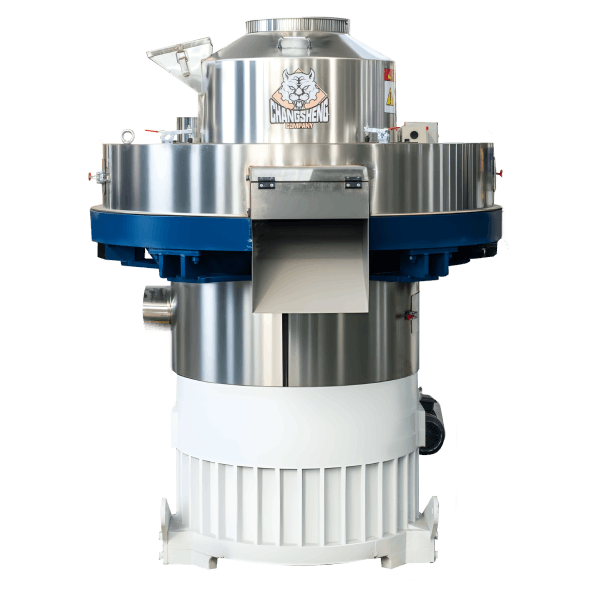
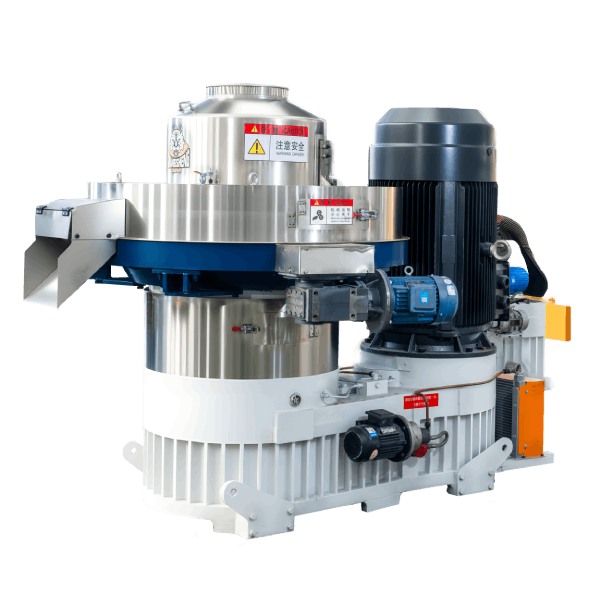
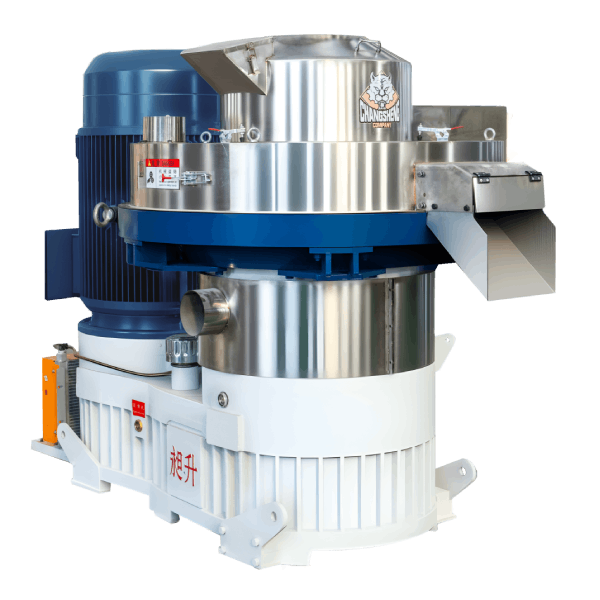
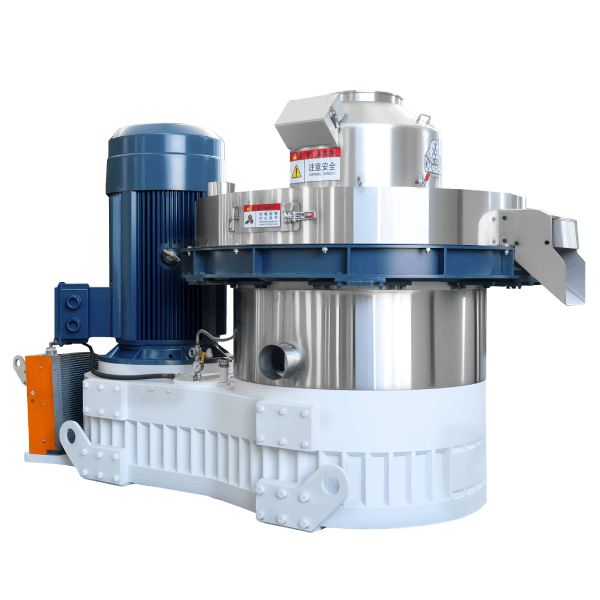
A pellet mill factory visit China refers to a facility inspection tour at a Chinese manufacturing plant, where buyers evaluate production capabilities, quality control systems, and operational standards before placing orders. The visit covers ring die pellet mills with capacities from 0.5 to 5.0 tonnes per hour for biomass, feed, and agricultural waste processing.
Technical Specifications & Performance Parameters
| Parameter | Value Range / Specification |
|---|---|
| Throughput capacity | 0.5 – 5.0 t/h (feedstock-dependent) |
| Main motor power | 55 – 160 kW (IE3 / IE4 compatible) |
| Ring die inner diameter | 400 – 800 mm |
| Pellet diameter | 6 – 12 mm (customisable) |
| Pellet bulk density | 600 – 750 kg/m³ |
| Raw material moisture | 12% – 18% (optimal: 14% – 16%) |
| Specific energy consumption | 26 – 35 kWh/t |
| Die service life | 800 – 1,200 hours |
| Roller shell service life | 600 – 900 hours |
| Maintenance man-hours | 4 – 6 h / month |
Structural Composition & Material Selection
The factory-visited pellet machine integrates four functional subsystems with defined material grades:
Mechanical System
- Ring die: Forged alloy steel (20CrMnTi) with carburised hardening layer (HRC 58–62)
- Roller shells: High-chromium cast iron (Cr26) with wear-resistant overlay
- Main shaft: Heat-treated 42CrMo4 steel with induction-hardened journals
- Gearbox: Helical-gear configuration, case-hardened to HRC 58–60
Support System
- Bearing housings: Ductile cast iron (QT600-3) with precision-machined seating
- Base frame: Welded structural steel, stress-relief annealed, with vibration-damping mounts
Lubrication System
- Centralised grease lubrication for bearings (NLGI grade 2)
- Forced oil circulation for gearbox (ISO VG 460) with temperature monitor
Control System
- PLC with HMI touchscreen for process monitoring
- Motor current feedback for load control
- Optional VFD for speed variation
Manufacturing Process – Engineering Workflow
Step 1 – Raw Material Preparation & Grinding
Feedstock ground to 2.0–3.0mm for feed or 4.0–6.0mm for biomass. Magnetic separator removes ferrous contaminants. Moisture adjusted to 14%–16%.
Step 2 – Conditioning & Steam Treatment
Double-shaft paddle conditioner with steam injection at 0.2–0.4 MPa. Retention time 45–60 seconds. Mash temperature elevated to 80–95°C.
Step 3 – Pelletising (Core Forming Process)
Main motor drives ring die rotation at 4–8 m/s peripheral speed. Roller gap maintained at 0.15–0.30 mm. Process monitored via PLC with real-time adjustments.
Step 4 – Counterflow Cooling
Ambient air drawn counter-current through pellet bed. Retention time 6–10 minutes. Pellet exit temperature ≤ ambient +5°C. Final moisture ≤12%.
Step 5 – Screening & Bagging
Vibrating screener removes fines. Automatic bagging scale with ±0.2% tolerance.
Industry Comparison – Supplier Verification Options
| Verification Method | Cost | Time | Detail Level | Typical Application |
|---|---|---|---|---|
| Factory Visit | $2,000 – $5,000 | 5-7 days | High | Major purchases, first order |
| Third-Party Inspection | $1,000 – $3,000 | 2-3 days | Medium | Remote buyers |
| Video/Online Inspection | Free | 1-2 hours | Low | Initial screening |
| Reference Check | Free | 1-2 days | Low | Supplier verification |
Differentiation (Shandong Changsheng Machinery):
Factory visits include a full manufacturing facility tour – machining, assembly, testing, and quality control. On-site test runs with customer-provided materials. Technical consultation with engineering team. Transparent access to production records and quality documentation. Visitor support includes airport pickup, accommodation arrangement, and interpretation services.
Application Scenarios by Buyer Role
Distributors / Importers
Verify supplier capability before committing to distribution agreement. Assess production capacity and quality standards.
EPC Contractors
Inspect facility for project-scale manufacturing capability. Confirm quality control and delivery schedule.
Engineering Consultants / Technical Advisors
Evaluate manufacturing quality and engineering standards on behalf of clients.
End-user Production Facilities
First-time buyers verifying supplier before capital investment. Long-term suppliers for factory expansion or replacement orders.
Core Pain Points & Engineering Solutions
Pain Point 1 – Uncertainty about manufacturing quality
Root cause: Distant supplier with limited visibility into production processes.
Solution: Factory visit provides direct observation of manufacturing, assembly, and quality control. Visual verification of component materials and machining standards.
Pain Point 2 – Difficulty assessing supplier capability
Root cause: Supplier claims versus actual capacity and quality may differ.
Solution: Factory tour includes equipment capability review, production capacity verification, and quality system assessment.
Pain Point 3 – Product performance uncertainty
Root cause: Performance claims not verified before purchase.
Solution: On-site test run with customer-provided materials – verify throughput, energy consumption, and pellet quality before shipping.
Pain Point 4 – Communication barriers
Root cause: Technical specifications and quality requirements not clearly understood.
Solution: Direct face-to-face technical discussion with engineers. Translation services available. Clarify specifications and expectations.
Critical Risk Warnings & Mitigation Measures
Risk 1 – Travel and logistics disruption
Mitigation: Plan visit dates with buffer. Confirm visa requirements. Book flexible travel arrangements.
Risk 2 – Language and cultural barriers
Mitigation: Request interpreter services. Provide technical documents in advance. Prepare written questions.
Risk 3 – Limited access to production areas
Mitigation: Specify visit requirements in advance. Request full facility access including machining, assembly, and testing areas.
Factory Visit Checklist – 7 Executable Steps
Step 1 – Schedule visit in advance
Allow minimum 2 weeks notice. Confirm factory availability. Plan visit during normal production days.
Step 2 – Prepare technical questions and requirements
Compile specifications, quality requirements, and sample materials for test run. Request relevant documentation in advance.
Step 3 – Review manufacturing process
Observe machining, welding, assembly, and painting. Assess equipment capability and operator skill.
Step 4 – Inspect quality control system
Review material certification, inspection records, and testing procedures. Check gauge calibration and measurement equipment.
Step 5 – Conduct test run
Run customer-provided materials through the pellet mill. Record throughput, energy consumption, and pellet quality. Verify performance claims.
Step 6 – Interview engineering and production team
Discuss technical specifications, custom options, and engineering support. Clarify lead time and delivery schedule.
Step 7 – Document findings and observations
Take photographs, video, and notes. Compare with supplier claims. Use as reference for procurement decision.
Engineering Case Study – Distributor Visit to China
Project Background
A feed mill distributor in Nigeria was considering a new supplier for pellet mills. First-time order of 3 units valued at $180,000. Supplier verification was essential before commitment.
Initial Problem
Distributor had no direct experience with Chinese suppliers. Previous supplier quality issues had cost $50,000 in warranty claims.
Root Cause Analysis
Supplier quality could not be verified remotely. Performance claims needed validation. Long-distance relationship required confidence building.
Solution Implemented
Arranged factory visit to Shandong Changsheng Machinery. Reviewed manufacturing processes and quality control. Conducted test run with local maize-soya feedstock.
Final Data Results
| Metric | Supplier Claims | Factory Visit Verification |
|---|---|---|
| Manufacturing capability | ISO 9001 certified | Verified – fully compliant |
| Test run throughput | 2.0 t/h | 2.1 t/h |
| Pellet durability | ≥95% PDI | 96.4% PDI |
| Delivery schedule | 6 weeks | Confirmed – 6 weeks |
| Final decision | N/A | Order placed – 3 units |
Frequently Asked Questions (FAQ)
1. How long does a factory visit take?
Typically 2–4 hours for a comprehensive tour. Allow 5–7 days total for international travel including travel time.
2. What should I expect to see during the visit?
Machining facilities, assembly line, quality control lab, test run area, and finished product storage.
3. Can I conduct a test run during the visit?
Yes – bring your own material for verification. Request test run scheduling in advance.
4. Is there an interpreter available?
Yes – English-speaking staff available. Other languages on request.
5. What documentation should I request in advance?
ISO certificate, product brochures, specification sheets, reference list, and quality control procedures.
6. Can I inspect raw material certificates?
Yes – material certificates for steel, bearings, and electrical components are available for review.
7. What are the key quality indicators to check?
Material certification, hardness testing, dimensional accuracy, welding quality, and final assembly standards.
8. Can I take photographs?
Yes – photography generally permitted. Confirm on arrival.
9. What is the best time to visit?
During normal production days (Monday–Friday). Avoid Chinese national holidays (October, Spring Festival).
10. Is there support for travel arrangements?
Yes – airport pickup, hotel recommendations, and accommodation booking assistance available.
11. How many people should attend the visit?
2–3 people maximum for effective technical review. Larger teams can be accommodated.
12. What should I bring to the visit?
Technical specification requirements, sample materials for test run, and a checklist of questions.
Author & E-E-A-T Credentials
Author: Dr. Chen Wei
Title: Senior Mechanical Engineer, Pelletising Systems Division
Experience: 14 years in biomass densification and feed processing equipment design
Notable Projects:
- Hosted 30+ international factory visits for clients from Africa, Asia, Europe, and South America (2015–2025)
- Developed factory visit and supplier verification protocols for international procurement
- Co-author of “Industrial Pellet Mill Maintenance and Optimisation” (Engineering Press, 2022)
Affiliation: Shandong Changsheng Machinery Co., Ltd.