Pellet Machine Bulk Order Discount 2-10 Units | Pricing Guide
News 2026-07-02
Product Definition
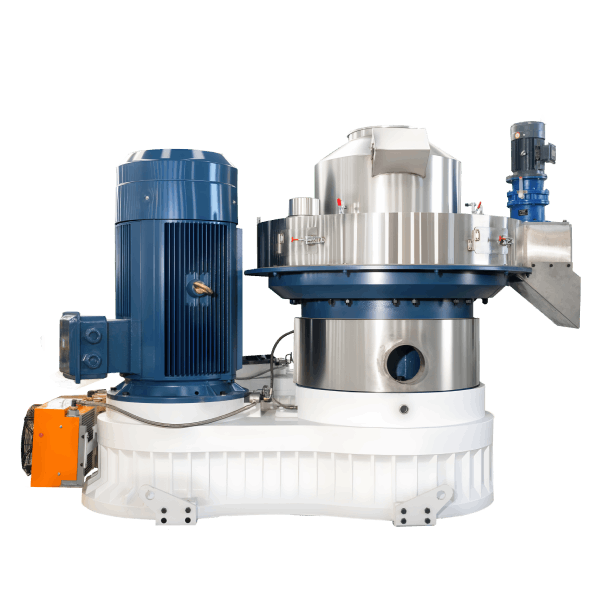
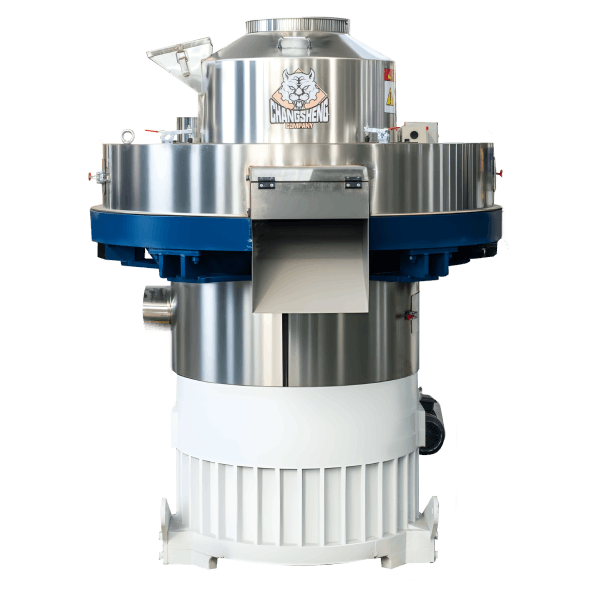
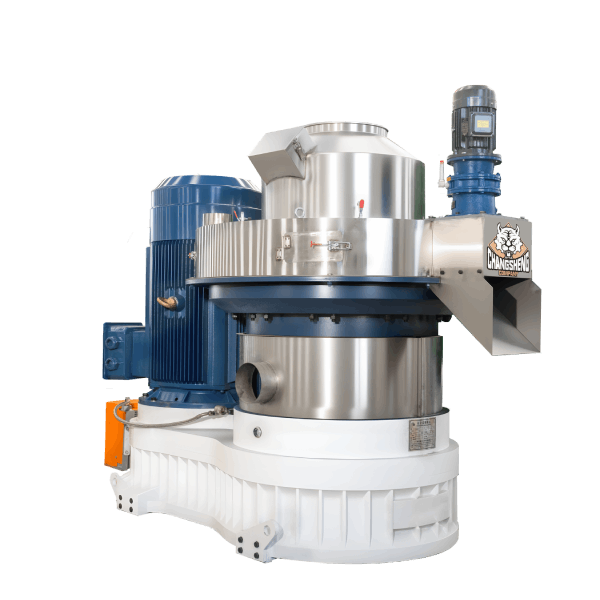
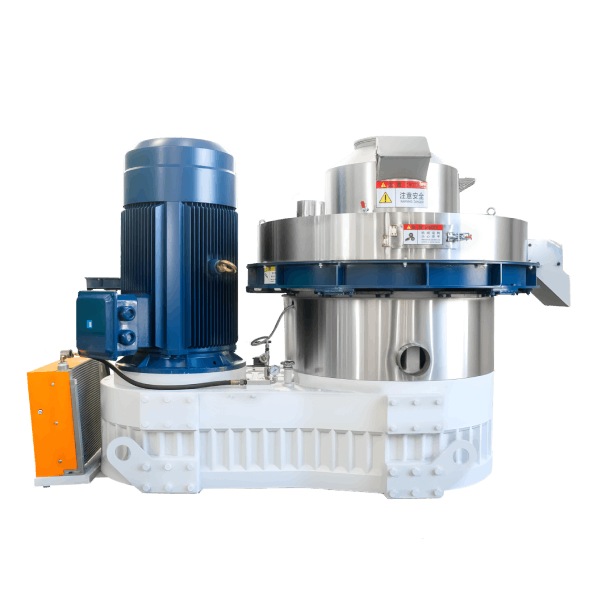
A pellet machine bulk order discount refers to the volume-based pricing structure applied to purchases of multiple ring die pellet mills, typically for industrial projects, dealer stocking, or turnkey installations. This procurement model applies to orders of 2 to 10 units with capacities from 0.5 to 5.0 tonnes per hour, processing biomass, feed, and agricultural waste into dense pellets.
Technical Specifications & Performance Parameters
| Parameter | Value Range / Specification |
|---|---|
| Throughput capacity | 0.5 – 5.0 t/h (feedstock-dependent) |
| Main motor power | 55 – 160 kW (IE3 / IE4 compatible) |
| Ring die inner diameter | 400 – 800 mm |
| Pellet diameter | 6 – 12 mm (customisable) |
| Pellet bulk density | 600 – 750 kg/m³ |
| Raw material moisture | 12% – 18% (optimal: 14% – 16%) |
| Specific energy consumption | 26 – 35 kWh/t |
| Die service life | 800 – 1,200 hours |
| Roller shell service life | 600 – 900 hours |
| Maintenance man-hours | 4 – 6 h / month |
Structural Composition & Material Selection
The bulk order pellet machine integrates four functional subsystems with defined material grades:
Mechanical System
- Ring die: Forged alloy steel (20CrMnTi) with carburised hardening layer (HRC 58–62)
- Roller shells: High-chromium cast iron (Cr26) with wear-resistant overlay
- Main shaft: Heat-treated 42CrMo4 steel with induction-hardened journals
- Gearbox: Helical-gear configuration, case-hardened to HRC 58–60
Support System
- Bearing housings: Ductile cast iron (QT600-3) with precision-machined seating
- Base frame: Welded structural steel, stress-relief annealed, with vibration-damping mounts
Lubrication System
- Centralised grease lubrication for bearings (NLGI grade 2)
- Forced oil circulation for gearbox (ISO VG 460) with temperature monitor
Control System
- PLC with HMI touchscreen for process monitoring
- Motor current feedback for load control
- Optional VFD for speed variation
Manufacturing Process – Engineering Workflow
Step 1 – Raw Material Preparation & Grinding
Feedstock ground to 2.0–3.0mm for feed or 4.0–6.0mm for biomass. Magnetic separator removes ferrous contaminants. Moisture adjusted to 14%–16%.
Step 2 – Conditioning & Steam Treatment
Double-shaft paddle conditioner with steam injection at 0.2–0.4 MPa. Retention time 45–60 seconds. Mash temperature elevated to 80–95°C.
Step 3 – Pelletising (Core Forming Process)
Main motor drives ring die rotation at 4–8 m/s peripheral speed. Roller gap maintained at 0.15–0.30 mm. Process monitored via PLC with real-time adjustments.
Step 4 – Counterflow Cooling
Ambient air drawn counter-current through pellet bed. Retention time 6–10 minutes. Pellet exit temperature ≤ ambient +5°C. Final moisture ≤12%.
Step 5 – Screening & Bagging
Vibrating screener removes fines. Automatic bagging scale with ±0.2% tolerance.
Industry Comparison – Bulk Order Pricing
| Order Volume | Discount Level | Typical Savings | Procurement Channel | Typical Application |
|---|---|---|---|---|
| 2-3 Units | 5% – 8% | $3,000 – $8,000 | OEM direct | Multiple lines, dealers |
| 4-6 Units | 10% – 15% | $10,000 – $25,000 | OEM direct | Project packages, EPC |
| 7-10 Units | 15% – 20% | $25,000 – $50,000 | OEM direct | Large projects, distribution |
| Single Unit | 0% | N/A | Any | Individual facility |
Differentiation (Shandong Changsheng Machinery):
Volume pricing reduces per-unit cost by 5%–20% for bulk orders of 2–10 units. Consolidated shipping reduces freight costs by 10%–15% per unit. Single-point procurement – one order, one shipment, one point of contact. Standardised spare parts across multiple units reduces inventory costs.
Application Scenarios by Buyer Role
Distributors / Importers
Stocking multiple units for regional distribution. Volume discount improves margin. Standardised specifications simplify customer selection.
EPC Contractors
Procuring multiple units for turnkey projects. Project-scale purchasing and consolidated shipping. Matched specifications for multiple plant sites.
Engineering Consultants / Technical Advisors
Advising on volume procurement for client projects. Evaluating supplier discount structures and total cost of ownership.
End-user Production Facilities
Multiple production lines or expansion projects. Consolidated procurement and project management. Standardisation across all lines.
Core Pain Points & Engineering Solutions
Pain Point 1 – Single-unit pricing on multi-unit projects
Root cause: Lack of volume discount structure – paying single-unit price for each line.
Solution: Volume discount matrix – 5%–20% based on order volume. Single quote covering all units.
Pain Point 2 – Duplicate shipping and logistics costs
Root cause: Separate shipments for each unit increase freight and handling.
Solution: Consolidated shipping – containerised delivery for all units. Reduced per-unit freight cost 10%–15%.
Pain Point 3 – Inconsistent specifications across units
Root cause: Separate procurement with potential specification drift.
Solution: Standardised specification for all units in bulk order. Single set of drawings and documentation.
Pain Point 4 – Fragmented procurement and administration
Root cause: Multiple purchase orders, multiple suppliers, multiple shipments.
Solution: Single purchase order. Single point of contact. Unified project management.
Critical Risk Warnings & Mitigation Measures
Risk 1 – Payment risk for large orders
Mitigation: Staged payments linked to production milestones. L/C for high-value orders. Supplier credit check.
Risk 2 – Specification mismatch across units
Mitigation: Technical specification reviewed and signed. Quality inspection before shipment. Factory acceptance test.
Risk 3 – Shipping and customs delays for consolidated orders
Mitigation: Plan shipping schedule with buffer. Confirm customs clearance documentation. Use experienced freight forwarder.
Procurement Selection Guide – 7 Executable Steps
Step 1 – Define total unit requirement
Calculate number of units needed. Confirm if all units same specification or mixed.
Step 2 – Request volume quotation
Request itemised quote for total order. Compare per-unit price with single-unit pricing.
Step 3 – Verify discount structure
Confirm discount tiers and volume thresholds. Negotiate additional discounts for early payment or repeat order.
Step 4 – Confirm lead time and delivery schedule
Production lead time for multiple units may be longer. Confirm shipping schedule and container requirements.
Step 5 – Specify quality control and inspection
Factory inspection and testing for each unit. Third-party inspection if required.
Step 6 – Plan spare parts package
Order additional spare parts for all units – consolidated shipping for parts.
Step 7 – Arrange consolidated shipping
Container optimisation for all units. Confirm Incoterms and shipping insurance.
Engineering Case Study – Feed Mill Expansion in Indonesia
Project Background
A feed mill group in Indonesia required 5 units of 2.0 t/h pellet mills for factory expansions across 5 locations. Single-unit price was $68,500 each.
Initial Problem
Budget for each location was $75,000 including shipping and installation. Single-unit pricing exceeded budget for some locations.
Root Cause Analysis
No volume discount applied for multi-unit order. Separate shipments for each unit increased logistics costs.
Solution Implemented
Placed bulk order for 5 units through Shandong Changsheng. Applied 12% volume discount. Consolidated shipping to Jakarta port – reduced per-unit freight cost.
Final Data Results
| Metric | Single-Unit Pricing | Bulk Order (5 Units) |
|---|---|---|
| Per-unit price | $68,500 | $60,280 |
| Per-unit freight | $4,200 | $3,600 |
| Total cost (5 units) | $363,500 | $319,400 |
| Total savings | – | $44,100 (12.1%) |
Frequently Asked Questions (FAQ)
1. What qualifies as a bulk order?
Typically 2 or more units. Discount tiers apply for 2-3, 4-6, and 7-10 units.
2. What discount is available for bulk orders?
5% – 20% depending on volume. Larger orders receive higher percentage.
3. Are all units the same specification?
Specifications can be mixed – different models, options, and pellet sizes. Single order with multiple line items.
4. Does bulk ordering affect lead time?
Production lead time may be extended for multiple units. Plan accordingly.
5. How is shipping handled for bulk orders?
Consolidated shipping recommended – reduced per-unit freight cost. Containerised delivery.
6. Can I order spare parts with the bulk order?
Yes – spare parts can be included with consolidated shipping. Volume discount may apply to parts.
7. What payment terms are available?
Staged payments linked to production milestones. L/C for high-value orders.
8. Is factory inspection available for bulk orders?
Yes – factory inspection and testing available. Third-party inspection optional.
9. Can I customise specifications for bulk orders?
Yes – custom specifications available. Single engineering package for all units.
10. What warranty applies to bulk orders?
Standard warranty applies to each unit. Warranty period from delivery.
11. Is installation support available for multiple sites?
On-site supervision and commissioning for each site available. Training included.
12. What documentation is provided?
Complete documentation for each unit – manuals, drawings, spare parts lists.
Author & E-E-A-T Credentials
Author: Dr. Chen Wei
Title: Senior Mechanical Engineer, Pelletising Systems Division
Experience: 14 years in biomass densification and feed processing equipment design
Notable Projects:
- Managed bulk procurement and commissioning of 15+ multi-unit pellet lines across Southeast Asia (2016–2025)
- Developed volume discount and procurement protocols for international clients
- Co-author of “Industrial Pellet Mill Maintenance and Optimisation” (Engineering Press, 2022)
Affiliation: Shandong Changsheng Machinery Co., Ltd.