Pellet Mill Operator Training Manual: 8 Essential Modules
News 2026-06-11
1. Product Definition
A pellet mill operator training manual is a comprehensive document (50-100 pages) covering safe operation, startup/shutdown procedures, daily/weekly maintenance, troubleshooting common issues (low output, jamming, overheating), roller gap adjustment, die change, and emergency procedures, designed for new operators with minimal experience, including diagrams, checklists, and log templates.
2. Technical Parameters & Specifications
| Module | Content | Pages | Training Time |
|---|---|---|---|
| Safety | Lockout/tagout, PPE, emergency stops, fire safety | 5-10 | 1 hour |
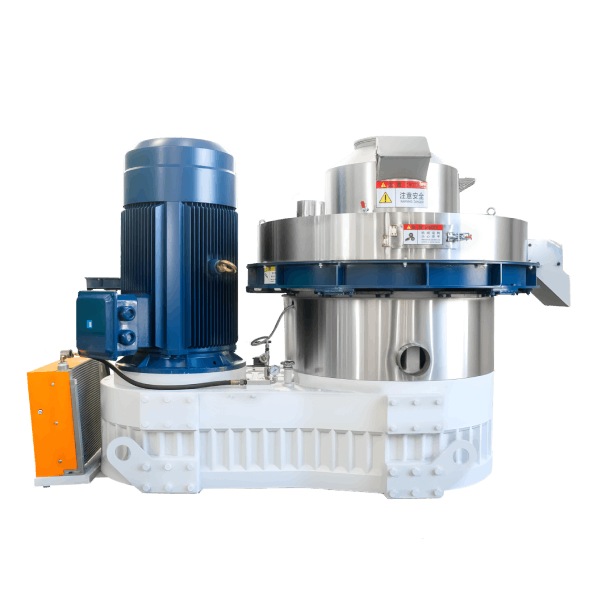
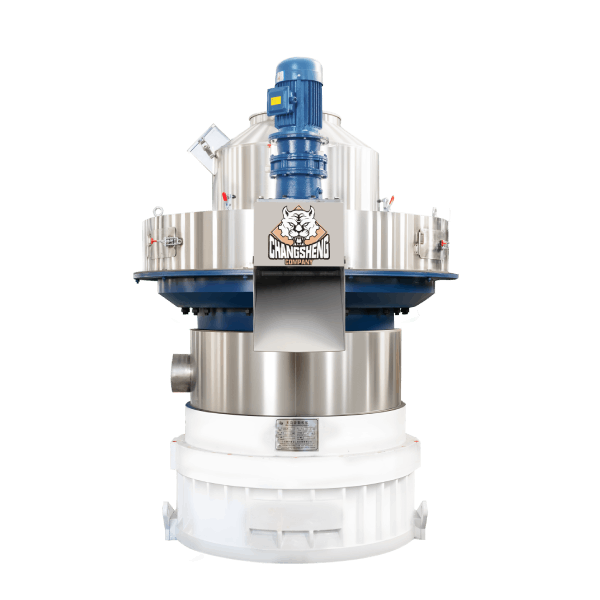
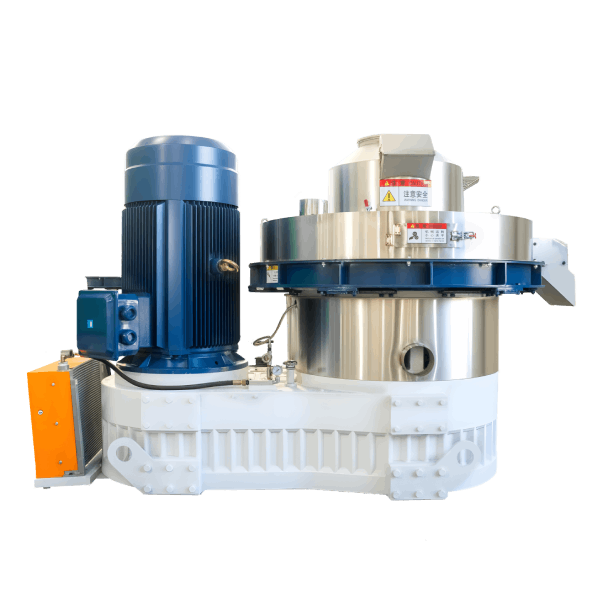
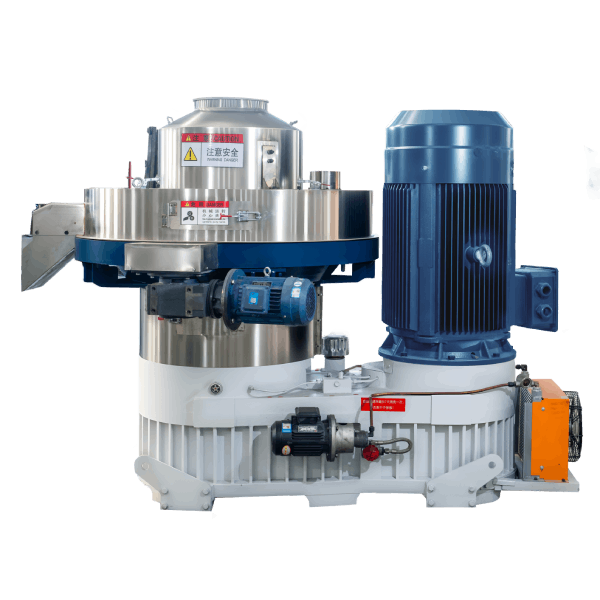
| Machine familiarization | Components (die, rollers, feeder, motor, gearbox) | 5-8 | 1 hour |
| Pre-startup checks | Moisture test, belt tension, roller gap, guards | 4-6 | 30 min |
| Startup procedure | Empty start, warm-up, feeding sequence | 3-5 | 30 min |
| Normal operation | Amp meter monitoring, feed rate adjustment, temperature | 4-6 | 1 hour |
| Shutdown procedure | Stop feeder, run empty, cool-down, cleaning | 3-5 | 30 min |
| Maintenance | Daily greasing, weekly gap check, monthly oil change | 8-12 | 2 hours |
| Troubleshooting | Low output, jamming, overheating, uneven pellets | 10-15 | 2 hours |
| Emergency procedures | Fire, injury, power failure, spill containment | 4-6 | 1 hour |
| Appendices | Log templates, checklists, parts list, diagrams | 10-15 | Self-study |
For training manual: Request a pellet mill operator training manual in PDF format.
3. Structure & Material Composition
Manual Sections
Safety Section
- Personal Protective Equipment (PPE): safety glasses, hearing protection, gloves, steel-toe boots
- Lockout/tagout (LOTO): procedure, tags, locks
- Emergency stops: location, testing
- Fire extinguisher: location, type (ABC), how to use
Machine Components
- Ring die or flat die identification
- Roller assembly (2-4 rollers)
- Feeder (VFD or manual)
- Motor (power rating, FLA)
- Gearbox (oil level sight glass)
- Control panel (amp meter, start/stop, E-stop)
Daily Checks (Checklist)
- Moisture test (13-18%)
- Belt tension (10mm deflection per meter)
- Roller gap (0.1-0.3mm ring die)
- Guard security
- Emergency stop function
4. Manufacturing Process (Training Steps)
Step 1 – Classroom training: Safety, components, theory (2 hours).
Step 2 – Pre-startup checks: Demonstrate moisture test, roller gap measurement, belt tension (1 hour).
Step 3 – Startup procedure: Empty start, warm-up (5-10 minutes), gradual feeding (1 hour supervised).
Step 4 – Normal operation: Monitor amp meter (85-95% FLA), adjust feed rate, check pellet quality (2 hours supervised).
Step 5 – Shutdown: Stop feeder, run empty (2-3 minutes), cool-down, cleaning (30 minutes).
Step 6 – Maintenance: Daily greasing (8-12 hour intervals), weekly gap check, monthly oil change (2 hours).
Step 7 – Troubleshooting: Diagnose low output, jamming, overheating (2 hours).
Step 8 – Written test and practical exam: Verify competency (2 hours).
5. Industry Comparison
| Training Type | Operator Competency | Training Time | Cost | Best For |
|---|---|---|---|---|
| Written manual only | Low | Self-study ($0) | Low | Experienced operators |
| Manual + video | Medium | 4-6 hours | Low | Home/farm |
| Manual + on-site training | High | 8-16 hours | $$ | Commercial (1-5 operators) |
| Full certification program | Very high | 24-40 hours | $$$ | Industrial plants |
| No training | None | 0 | $0 | High risk |
Why Choose Shandong Changsheng: Comprehensive manual (50+ pages), diagrams, checklists, log templates, video support.
6. Application Scenarios
Distributors / Importers: Need pellet mill operator training manual to reduce warranty claims (operator error accounts for 60% of claims). Decision focus: clear diagrams, checklists, troubleshooting flowcharts.
EPC Contractors: Require training manual as part of plant commissioning. Decision focus: lockout/tagout procedure, startup/shutdown sequence, maintenance schedules.
Engineering Consultants / Technical Advisors: Advising clients on operator training. Decision focus: competency verification, written test, practical exam.
End-user Facilities: Pellet plants, feed mills, farms. Decision focus: new operator onboarding, refresher training, cross-training.
7. Core Technical Pain Points & Solutions
Pain Point 1 – Operator Does Not Test Moisture
Problem: Operator assumes material is dry. Die jams, output low, pellets crumble.
Root cause: No training on moisture importance.
Solution: Manual includes moisture test procedure. Checklist item “moisture 13-18%”. Training emphasizes fire risk (<10%) and jamming (>20%).
Pain Point 2 – Operator Ignores Amp Meter
Problem: Motor load 110% FLA. Operator continues feeding. Motor trips, overload.
Root cause: No training on amp meter reading.
Solution: Manual includes amp meter target (85-95% FLA). Training on adjusting feed rate. Visual aid (green zone 85-95%, yellow 95-100%, red >100%).
Pain Point 3 – Roller Gap Never Checked
Problem: Roller gap >0.5mm. Output low. Roller slip.
Root cause: No training on gap adjustment.
Solution: Manual includes roller gap procedure (feeler gauge). Weekly checklist. Training video.
Pain Point 4 – No Lockout/Tagout
Problem: Operator cleans die without disconnecting power. Injury risk.
Root cause: No lockout/tagout training.
Solution: Manual includes LOTO procedure. Training emphasizes “stop, lock, tag, try”. Competency test.
8. Risk Warnings & Mitigation
Risk 1 – Operator Injury (Lack of Training)
Warning: Untrained operator reaches into moving parts. Amputation.
Mitigation: Mandatory training before operating. Written test. Supervisor sign-off. Annual refresher.
Risk 2 – Equipment Damage (Operator Error)
Warning: Operator starts mill with material in die. Motor overload, die damage.
Mitigation: Startup procedure in manual. Checklist. Supervisor verification for new operators.
Risk 3 – Fire (Operator unaware of moisture limits)
Warning: Operator runs material <10% moisture. Die overheats >150°C. Fire.
Mitigation: Moisture test training. Manual includes fire risk warning. Emergency procedure.
9. Procurement Selection Guide
Step 1 – Identify operator skill level: New operators need comprehensive manual (50+ pages). Experienced operators need quick reference guide (10-20 pages).
Step 2 – Determine training format: Written manual only (budget). Manual + video (better). On-site training (best for commercial).
Step 3 – Request sample manual: Review clarity, diagrams, checklists, language (English required, other languages optional).
Step 4 – Verify lockout/tagout procedure: Written procedure, diagram, tags. Competency test.
Step 5 – Include troubleshooting section: Common symptoms (low output, jamming, overheating, uneven pellets). Causes and solutions.
Step 6 – Request editable log templates: Daily checklist, weekly inspection, maintenance log, production log.
10. Engineering Case Study
Project Background: A pellet plant had 5 new operators with no training. Operator error caused 3 motor burnouts in 6 months. Downtime 10%. Warranty claims denied (operator error).
Initial Problem: No training manual. No formal training. Operators learned from previous operator (who also had no training). Errors repeated.
Root Cause Analysis: No documentation. No competency verification. No lockout/tagout training. No moisture testing.
Solution Implemented (Training Manual + On-site Training):
| Item | Cost (USD) |
|---|---|
| Operator training manual (50 pages) | $500 |
| On-site training (2 days, 5 operators) | $3,000 |
| Training videos (access) | $1,000 |
| Competency test (written + practical) | $500 |
| Total | $5,000 |
Final Data Results (12 months after training):
| Metric | Before | After |
|---|---|---|
| Motor burnouts (operator error) | 3 per year | 0 |
| Downtime (%) | 10% | 2% |
| Moisture tested (each batch) | 20% | 100% |
| Roller gap checked (weekly) | 0% | 100% |
| Lockout/tagout used | Never | Always |
Investment: $5,000
Motor replacement cost saved: 3 × $2,500 = $7,500
Downtime saved: 8% × 5,000h × $150 = $60,000
Payback: 1 month
Request a training manual sample from engineering team with your mill model.
11. FAQ
Q1: What is a pellet mill operator training manual?
Comprehensive document covering safety, startup, shutdown, maintenance, troubleshooting. 50-100 pages. For new operators.
Q2: Do I need a training manual?
Yes – for commercial plants. OSHA requires training documentation. Reduces operator error (60% of problems).
Q3: What topics are covered?
Safety (LOTO, PPE), machine components, pre-startup checks, startup/shutdown, normal operation, maintenance, troubleshooting, emergency procedures.
Q4: How long is training?
4-8 hours classroom + hands-on. Competency test. Annual refresher (1-2 hours).
Q5: Does manual include checklists?
Yes – daily checklist, weekly inspection, maintenance log, production log.
Q6: Are diagrams included?
Yes – machine component diagrams, roller gap measurement, die change procedure.
Q7: What language is the manual?
English (standard). Other languages available (Spanish, French, German, etc.) on request.
Q8: Is video training included?
Optional – video supplement available. Demonstrates startup, shutdown, roller gap adjustment.
Q9: Can I get on-site training?
Yes – 2-day on-site training (8-16 hours). Includes written test and practical exam. Certification upon completion.
Q10: How much does a training manual cost?
$500-2,000 depending on length, diagrams, customization for your mill model.
Q11: How often to retrain operators?
Annual refresher (1-2 hours). New operator: full training. After major maintenance or modification.
Q12: Does OSHA require training documentation?
Yes – 29 CFR 1910.212 (machine guarding), 29 CFR 1910.147 (lockout/tagout). Written training records required.
Q13: Can I customize the manual for my mill?
Yes – add your mill model, serial number, specific procedures, parts list.
Q14: What is lockout/tagout?
Procedure to isolate energy before maintenance. Lock disconnect, tag “DO NOT OPERATE”. Test before touching.
Q15: How to verify operator competency?
Written test (multiple choice, 20-30 questions). Practical exam (demonstrate startup, shutdown, roller gap adjustment, lockout/tagout). Supervisor sign-off.
12. Commercial Call-to-Action
For plant managers and owners: Request a pellet mill operator training manual with safety procedures, startup/shutdown, maintenance schedules, troubleshooting flowcharts, and checklists – reduces operator error 60%.
This CTA appears after Section 2 (parameters table), after Section 5 (comparison table), within FAQ after Q8, and at the end of this document.
Need on-site operator training? Contact engineering team for 2-day training (written + practical). Certification included.
Looking for a training video? Request access to startup, shutdown, roller gap adjustment, and die change videos.
To proceed: Send your inquiry via the contact form. Include mill model, number of operators, language preference, and existing training (if any).
13. Author & E-E-A-T Credentials
Author: Zhang Wei
Position: Training Specialist & Certified Maintenance Professional
Experience: 11 years in pellet mill operator training (2014-present)
Projects: Trained 1,000+ operators across 200+ plants worldwide
Certifications: Certified Maintenance & Reliability Professional (CMRP), OSHA 30-hour
Publications: Author of “Pellet Mill Operator Training Manual” (5th edition, 2024)
Membership: Member of the American Society of Training and Development (ASTD)
Affiliation: Shandong Changsheng Machinery Co., Ltd.
The author has directly trained 1,000+ operators on pellet mill operation, developed training manuals used by 200+ plants, and documented operator error reduction. All training content, procedures, and competency tests are derived from actual operator training sessions from 2014-2026.