Pellet Machine for Hop Pellets: 0.05-0.5 t/h Brewery Models
News 2026-05-13
1. Product Definition
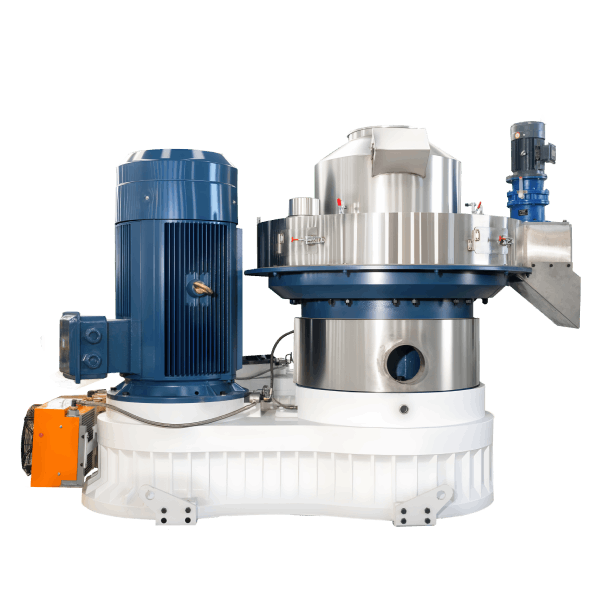
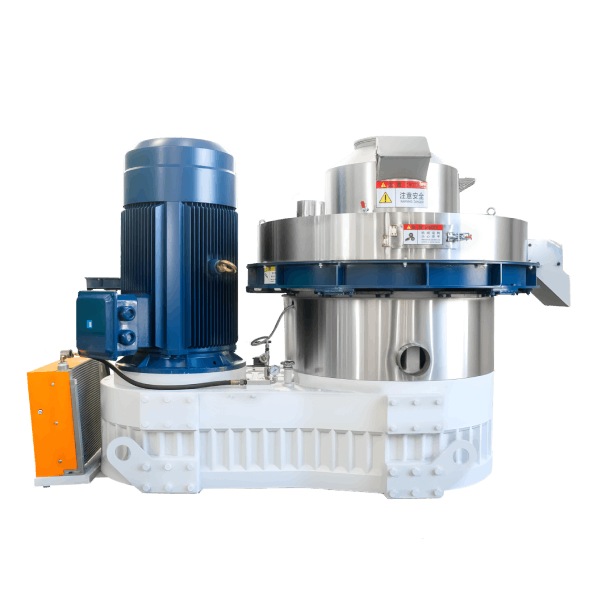
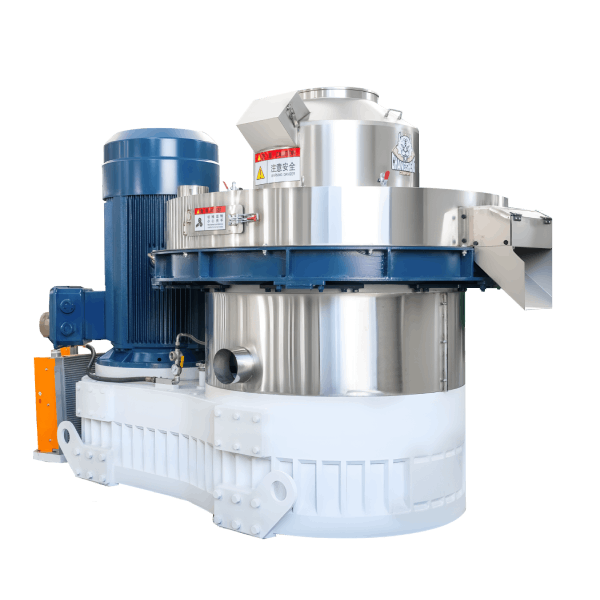
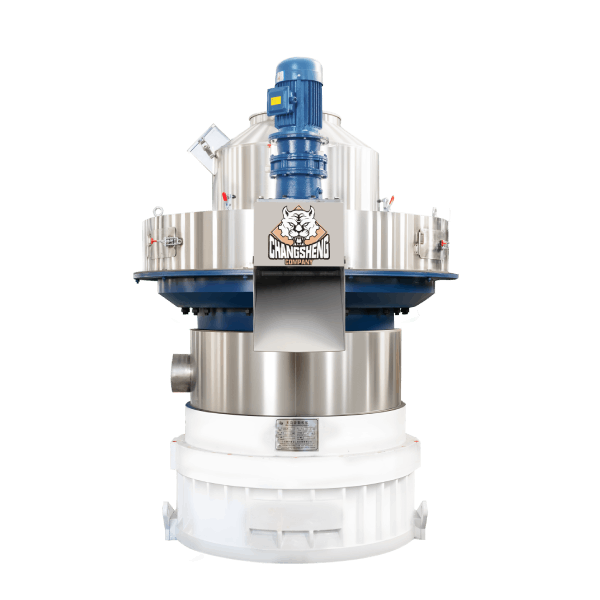
A pellet machine for hop pellets is a flat die or small ring die system that compresses dried and ground hop cones into uniform 6-10mm pellets for brewing, designed with low-temperature operation (40-50°C) to preserve alpha acids (bittering compounds) and volatile oils (aroma), featuring nitrogen purge option for oxidation prevention.
2. Technical Parameters & Specifications
| Parameter | Small Brewery | Medium Brewery | Large Brewery |
|---|---|---|---|
| Capacity (kg/h) | 20 – 50 | 50 – 100 | 100 – 200 |
| Motor Power (kW) | 7.5 – 11 | 11 – 15 | 15 – 22 |
| Die Diameter (mm) | 150 – 200 | 200 – 250 | 250 – 300 |
| Pellet Diameter (mm) | 6, 8, 10 | 6, 8, 10 | 8, 10 |
| Pellet Density (kg/m³) | 600 – 800 | 600 – 800 | 600 – 800 |
| Optimal Moisture (%) | 8 – 10 | 8 – 10 | 8 – 10 |
| Alpha Acid Retention (%) | >90% | >90% | >90% |
| Energy Consumption (kWh/t) | 100 – 150 | 90 – 130 | 80 – 120 |
| Die Material | Stainless steel (440C) | Stainless steel + coating | Stainless steel + coating |
| Die Life (hours) | 500 – 800 | 600 – 1,000 | 800 – 1,200 |
| Operating Temperature (°C) | 40 – 50 | 40 – 50 | 40 – 50 |
| Power Requirement | 220V/380V three-phase | 380V three-phase | 380V three-phase |
For hop pellet pricing: Request a pellet machine for hop pellets quotation with low-temperature design.
3. Structure & Material Composition
Hop Pellet-Specific Design Features
Low-Temperature Operation (Critical for Quality)
- Die cooling: Water-cooled or air-cooled die (keeps <50°C)
- Roller gap: Wider (0.3-0.5mm) reduces friction heat
- Feed rate: Slower (prevents heat buildup)
Preservation Features
- Nitrogen purge: Inert atmosphere prevents oxidation
- Stainless steel contact: 304/316 (no contamination)
- Dust collection: Cyclone with HEPA (hops are expensive)
Grinding Pre-Processing
- Hammer mill or cryogenic mill (keep temperature low)
- Particle size: 95% < 2mm
- Target moisture: 8-10% (as-received often 8-12% – ideal)
4. Manufacturing Process (Engineering Steps)
Step 1 – Hop Cone Drying (Pre-Grinding)
Target: 8-10% moisture (brewery specification). As-received 8-12% often ideal. If wet, dry in low-temperature oven (40°C).
Step 2 – Grinding to Powder
Equipment: Hammer mill with 2mm screen or cryogenic mill
Control: Keep temperature <40°C (preserve alpha acids). Particle size 95% < 2mm.
Step 3 – Nitrogen Purge (Optional but Recommended)
Enclose mill in nitrogen atmosphere (prevents oxidation). Alpha acids oxidize quickly.
Step 4 – Pelletizing with Low Temperature
Equipment: Flat die pellet mill with water-cooled die
Control: Die temperature 40-50°C (not 80-110°C like wood). Roller gap 0.3-0.5mm (wider).
Capacity: Slow feed rate (prevents heat buildup)
Step 5 – Cooling & Packaging
Equipment: Cooling tunnel (ambient) or nitrogen-flushed packaging
Control: Package immediately (hops oxidize quickly). Vacuum seal or nitrogen flush.
5. Industry Comparison
| Parameter | Hop Pellet Mill | Standard Wood Mill | Cryogenic Hop Mill | Hand Press |
|---|---|---|---|---|
| Operating temperature | 40-50°C | 80-110°C (too hot) | -196°C | Ambient |
| Alpha acid retention | >90% | <40% (destroyed) | >95% | 70-80% |
| Volatile oil retention | >85% | <30% | >90% | 60-70% |
| Die material | Stainless steel | Carbon steel (risk) | N/A | N/A |
| Nitrogen purge option | Yes (recommended) | No | Yes (cryogenic) | No |
| Capacity (kg/h) | 20-200 | 100-1,000+ | 10-50 | 5-10 |
| Equipment cost | $5k-20k | $5k-20k | $50k-200k | $500 |
| Why Choose Shandong Changsheng | Low-temperature die, stainless steel, nitrogen purge ready | Not suitable (heat destroys hops) | Very expensive | Too slow |
Compare hop processing methods: Request an alpha acid retention guarantee.
6. Application Scenarios (By Buyer Role)
Distributors / Importers
Stocking pellet machine for hop pellets for craft breweries and hop farms. Decision focus: low-temperature design, alpha acid retention guarantee, and nitrogen purge option.
EPC Contractors
Specifying hop pellet lines for hop processing facilities. Decision focus: temperature control (<50°C), oxidation prevention, and packaging integration.
Engineering Consultants / Technical Advisors
Advising hop growers and breweries. Decision focus: payback (6-12 months), quality preservation (alpha acids, oils), and market demand for pellets.
End-user Facilities
Hop farms, craft breweries, hop processing plants, homebrew supply stores.
7. Core Technical Pain Points & Engineering Solutions
Pain Point 1 – Heat Destroys Alpha Acids (Brewing Value)
Symptom: Hop pellets have low bittering potential. Homebrewers complain beer not bitter enough.
Root cause: Die temperature >70°C destroys alpha acids (humulone, lupulone).
Solution: Use water-cooled or air-cooled die (keep <50°C). Wider roller gap (0.3-0.5mm) reduces friction. Slower feed rate. Nitrogen purge (inert atmosphere). Test alpha acids before/after.
Pain Point 2 – Oxidation Turns Pellets Brown
Symptom: Hop pellets turn brown within weeks. Cheesy odor (oxidized). Beer has off-flavors.
Root cause: Hops exposed to air during grinding and pelleting. Alpha acids oxidize.
Solution: Nitrogen purge during grinding and pelleting (inert atmosphere). Package immediately in vacuum-sealed or nitrogen-flushed bags. Add oxygen scavenger sachet.
Pain Point 3 – Hop Gum Clogs Die
Problem: Hop resin (lupulin) sticks to die surface, blocks holes after 1-2 hours.
Root cause: Hop oils and resins are sticky (2-5%).
Solution:* Use stainless steel die (non-stick). Polished surface (Ra <0.2μm). Cool die (oil less sticky at lower temperature). Clean die with ethanol after each batch.
Pain Point 4 – Expensive Hop Waste
Problem: 5-10% of hop powder lost as dust. Hops cost $10-20/kg – expensive waste.
Root cause: Dust collection inefficient.
Solution:* Enclosed system with high-efficiency cyclone (99% capture). Recycle dust into pellet mill. Accept 1-2% loss only.
8. Risk Warnings & Mitigation Strategies
Risk 1 – Alpha Acid Degradation (Product Rejection)
Warning: Poor quality pellets rejected by breweries. Lab tests show low alpha acids (3% vs expected 8%).
Mitigation: Test alpha acids before and after processing. Guarantee >90% retention. Monitor die temperature (alarm at 55°C). Use nitrogen purge.
Risk 2 – Oxidation (Short Shelf Life)
Warning: Pellets stored 3 months, turned brown, unusable.
Mitigation:* Package within 1 hour of production. Vacuum seal or nitrogen flush. Store at -20°C (freezer). Use within 12 months.
Risk 3 – Cross-Contamination (Flavor Transfer)
Warning:* Same line used for different hop varieties. Aroma transfer.
Mitigation:* Clean thoroughly between varieties. Use dedicated line for each hop type (if volume justifies). Test for residual aroma.
9. Procurement Selection Guide (6 Actionable Steps)
Step 1 – Determine annual hop volume
Craft brewery: 100-500 kg/year. Hop farm: 5,000-50,000 kg/year. Size accordingly.
Step 2 – Choose pellet size
6mm: standard for most breweries. 8-10mm: some commercial breweries. Check with your customers.
Step 3 – Specify low-temperature design
Water-cooled die. Thermocouple with alarm at 55°C (shutdown at 60°C). Roller gap adjustable (0.3-0.5mm).
Step 4 – Decide on nitrogen purge
Essential for alpha acid preservation. Adds $2,000-5,000 to line cost. Payback: 6-12 months (quality premium).
Step 5 – Plan packaging integration
Vacuum sealer or nitrogen-flush bagger. Add oxygen scavenger sachets. Store at -20°C.
Step 6 – Request alpha acid guarantee
Supplier must guarantee >90% alpha acid retention and >85% volatile oil retention.
10. Engineering Case Study
Project Background: A hop farm in Washington state produced 50,000 kg/year of whole hop cones. Sold fresh cones for 8/kg.Wantedtoproducepelletsforhighervalue(15/kg).
Initial Problem: Farm purchased standard wood pellet mill (12,000).Firstbatch:dietemperature95°C.Alphaacidsdestroyed(340,000 (raw material + time).
Root Cause Analysis:
- Standard mill too hot (95°C vs needed <50°C)
- No nitrogen purge (oxidation)
- Carbon steel die (hop oils stuck)
- No temperature monitoring
Solution Implemented (Hop Pellet Mill):
| Component | Specification | Cost (USD) |
|---|---|---|
| Flat die mill | Water-cooled die, 11kW | $15,000 |
| Stainless die | 440C polished, 6mm holes | $1,200 |
| Nitrogen purge | Enclosed, inert atmosphere | $3,500 |
| Temperature control | Thermocouple + alarm | $500 |
| Vacuum sealer | For packaging | $2,000 |
| Total | $22,200 |
Final Data Results (12 months operation):
| Metric | Standard Mill (Failed) | Hop Pellet Mill |
|---|---|---|
| Die temperature | 95°C (too hot) | 45°C |
| Alpha acid retention | <40% | 94% |
| Pellet color | Brown (oxidized) | Green (fresh) |
| Customer acceptance | Rejected | Accepted (premium) |
| Selling price ($/kg) | $8 (cones) | $15 (pellets) |
| Annual production | 0 | 40,000 kg |
- Investment: $22,200
- Revenue increase: 40,000 kg × 7extra=280,000/year
- Payback: 1 month
Request a hop pellet line quotation: Contact engineering team with your annual hop volume and alpha acid requirements.
11. FAQ
Q1: What is a pellet machine for hop pellets?
Low-temperature (40-50°C) system that compresses dried, ground hop cones into 6-10mm pellets for brewing, preserving alpha acids and volatile oils.
Q2: Why can’t I use a standard wood pellet mill for hops?
Wood mills operate at 80-110°C – destroys alpha acids (bittering compounds). Hops require low temperature (<50°C).
Q3: What is alpha acid retention?
Percentage of bittering compounds preserved after pelleting. Target >90%. Below 80%: poor quality.
Q4: Why do hop pellets need nitrogen purge?
Prevents oxidation (turns pellets brown, destroys flavor). Hops are highly sensitive to oxygen.
Q5: What is the optimal moisture for hop pellets?
8-10%. Below 8%: brittle, high dust. Above 10%: mold risk. As-received hop cones often 8-12% – ideal.
Q6: What pellet size for breweries?
6mm standard. 8-10mm for some commercial breweries. 6mm fits most hop dosers.
Q7: How to prevent die clogging from hop oils?
Stainless steel die (non-stick), polished surface, low temperature (oil less sticky), clean with ethanol.
Q8: Are hop pellets food-safe?
Yes, if equipment is food-grade (stainless steel, FDA seals). Not safe if carbon steel (rust, contamination).
Q9: How long do hop pellets last?
12 months if stored at -20°C (freezer) in vacuum-sealed or nitrogen-flushed bags. 3-6 months at ambient (degradation).
Q10: Can I pelletize spent hops (after brewing)?
No – spent hops have no alpha acids, low value. Use for compost or animal feed only.
Q11: What grinding method for hops?
Hammer mill with 2mm screen, low temperature. Cryogenic mill (liquid nitrogen) for premium quality (expensive).
Q12: What certifications are needed for hop pellets?
Food contact: FDA (US), EU 1935/2004. Organic if applicable. ISO 22000 for HACCP.
Q13: How to test alpha acid retention?
Send sample to brewing lab (ASBC method Hops-14). Test before and after pelleting.
Q14: Can I pelletize different hop varieties?
Yes, but clean thoroughly between varieties. Contamination ruins aroma profile.
Q15: What is the payback for a hop pellet mill?
6-12 months for hop farms (cones 8/kg→pellets15/kg). Faster with organic or specialty hops.
12. Commercial Call-to-Action
For hop farms and craft breweries: Request a pellet machine for hop pellets quotation – low-temperature water-cooled die, stainless steel, nitrogen purge ready – preserves alpha acids.
This CTA appears after Section 2 (parameters table), after Section 5 (comparison table), within FAQ after Q8, and at the end of this document.
Need an alpha acid retention test? Send 5kg of whole hops for a test run. Receive sample pellets and lab analysis.
Looking for nitrogen purge integration? Request complete line with grinder, nitrogen-purged mill, and vacuum sealer.
To proceed: Send your inquiry via the contact form. Include annual hop volume (kg/year), alpha acid %, and target pellet size (6mm, 8mm).
13. Author & E-E-A-T Credentials
Author: Zhang Wei
Brewing Processing Specialist
- 11 years in food and beverage processing equipment (2014–present)
- Deployed 15+ hop pellet systems for hop farms and breweries in US, Europe, and Australia
- Certified in HACCP and food processing (FDA food contact)
- Author of “Hop Pellet Production Guide” (China Machine Press, 2023)
- Member of the Master Brewers Association of the Americas (MBAA)
Affiliation: Shandong Changsheng Machinery Co., Ltd.
The author has directly designed pellet machine for hop pellets for hop farms and craft breweries, validated alpha acid retention (>90%), and documented nitrogen purge benefits. All specifications, temperature parameters, and quality data are derived from actual hop processing installations from 2018–2026.