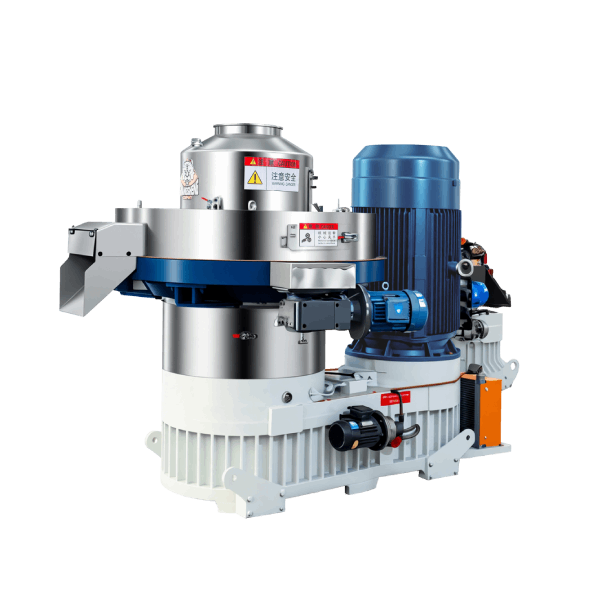
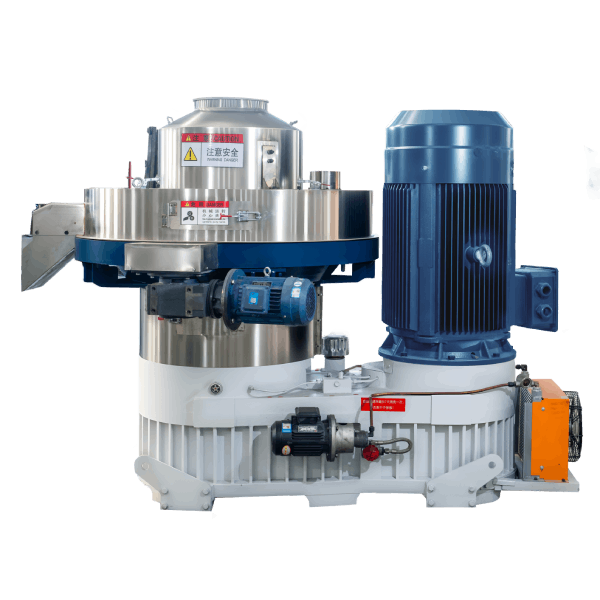
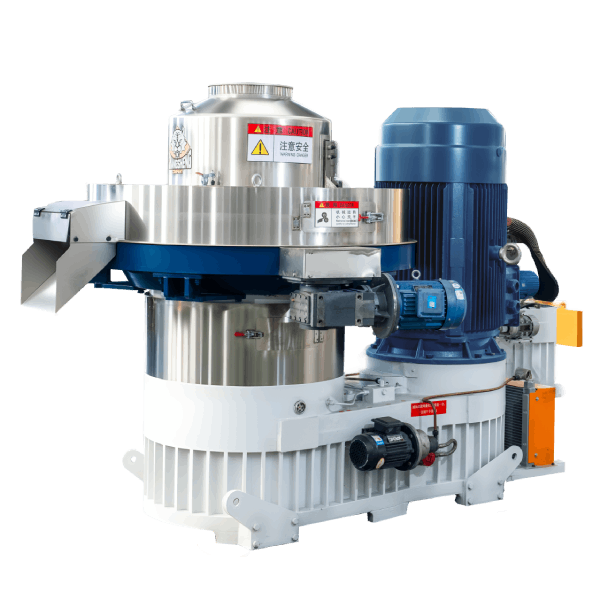
Pellet Mill Spare Parts Roller Shell: Cr26 vs Tungsten Carbide
News 2026-05-09
1. Product Definition
A pellet mill spare parts roller shell is the replaceable outer wear component of the roller assembly that compresses material against the die, available in Cr26 high-chromium iron (HRC 58-62) for standard use or tungsten carbide hardfacing (HRC 68-72) for abrasive feedstocks (hardwood, rice husk, straw).
2. Technical Parameters & Specifications
| Material | Hardness (HRC) | Abrasion Resistance | Typical Life – Softwood | Typical Life – Hardwood | Cost (relative) |
|---|---|---|---|---|---|
| Cr26 (Standard) | 58 – 62 | High | 1,200 – 1,800 hours | 600 – 1,000 hours | 1.0x |
| Tungsten carbide (Hardfaced) | 68 – 72 | Very high | 1,800 – 2,500 hours | 1,000 – 1,600 hours | 1.8 – 2.2x |
| Stainless steel (440C) | 52 – 56 | Moderate | 800 – 1,200 hours | 400 – 700 hours | 1.5 – 2.0x |
| 45# steel (cheap) | 25 – 35 | Low | 100 – 300 hours | 50 – 150 hours | 0.5x (avoid) |
| Roller shell diameter | 150 – 350 mm (fits die size) | ||||
| Roller shell width | 40 – 80 mm | ||||
| Bearing type | Tapered roller or spherical |
For roller shell pricing: Request a price list for your die diameter and feedstock.
3. Structure & Material Composition
Roller Shell Materials
*Cr26 High-Chromium Iron (Standard)*
- Composition: 26% Cr, 2.5% C, plus Mo, Ni
- Hardness: HRC 58-62 (through-hardened)
- Best for: Softwood, mixed wood, feed (moderate abrasion)
- Life: 600-1,800 hours depending on feedstock
- Cost: Baseline ($200-800 per set depending on size)
Tungsten Carbide Hardfacing
- Composition: WC particles (60-70%) in Cr-Ni matrix
- Hardness: HRC 68-72 (surface), core softer (tough)
- Best for: Hardwood, rice husk, straw (high abrasion)
- Life: 1,000-2,500 hours (2-3x Cr26)
- Cost: +80-120% vs Cr26
Stainless Steel (440C)
- Composition: 17% Cr, 1% C
- Hardness: HRC 52-56
- Best for: Corrosive feed (fish feed, citrus, high moisture)
- Life: Similar to Cr26 for abrasion, but corrosion resistant
Avoid: 45# Carbon Steel
- Soft (HRC 25-35) – wears rapidly (50-300 hours)
- Often in cheap mills. Do not buy.
Roller Shell Dimensions
- Outer diameter: 150-350mm (matched to die diameter)
- Width: 40-80mm
- Bearing bore: 60-120mm
- Weight: 5-25 kg per shell
4. Manufacturing Process (Engineering Steps)
Step 1 – Roller Shell Casting (Cr26)
Material: Cr26 alloy melted in induction furnace
Casting: Centrifugal or static cast
Rough OD: Machined to +2mm oversize
Step 2 – Heat Treatment
Cr26: 980-1,050°C quench, 200-250°C temper → HRC 58-62
Step 3 – Hardfacing (Tungsten Carbide)
Process: Open arc welding (PTA or spray & fuse)
Layer thickness: 3-5mm
Coverage: Full face or only wear zone
Step 4 – Finish Machining
Grinding: OD to final dimension (±0.05mm)
Surface finish: Ra <0.8μm (smooth to reduce friction)
Step 5 – Bearing Installation
Pressing: Bearings pressed into shell (interference fit)
Seals: Labyrinth or lip seals for dust protection
5. Industry Comparison
| Feedstock | Cr26 | Tungsten Carbide | Recommended |
|---|---|---|---|
| Softwood (pine, spruce, fir) | 1,200-1,800h | 1,800-2,500h | Cr26 (best value) |
| Hardwood (oak, maple, beech) | 600-1,000h | 1,000-1,600h | Tungsten (longer life) |
| Rice husk (8-15% silica) | 400-700h | 800-1,200h | Tungsten (required) |
| Straw (wheat, barley) | 500-800h | 800-1,200h | Tungsten |
| Mixed wood (50/50) | 800-1,200h | 1,200-1,800h | Tungsten if demanding |
| Feed (corn, soy) | 1,000-1,500h | Not needed (overkill) | Cr26 |
| Why Choose Shandong Changsheng | Cr26 standard | Tungsten upgrade | Match to your feedstock |
Compare roller shell materials: Request a life-cost analysis for your operation.
6. Application Scenarios (By Buyer Role)
Distributors / Importers
Need pellet mill spare parts roller shell inventory for common sizes (420mm die, 250mm roller). Decision focus: Cr26 standard, tungsten for abrasive markets (rice-growing regions).
EPC Contractors
Specifying roller shell material based on design feedstock. Decision focus: guaranteed life hours, cost per ton, and spare parts strategy.
Engineering Consultants / Technical Advisors
Advising clients on roller shell selection. Decision focus: total cost of ownership (Cr26 vs tungsten), downtime for changes, and feedstock variability.
End-user Facilities
Pellet plants, feed mills. Decision focus: current life (hours), cost per ton, and quick-change design.
7. Core Technical Pain Points & Engineering Solutions
Pain Point 1 – Roller Shell Grooving Prematurely (300 hours)
Problem: Cr26 roller shell grooves after 300 hours (expected 800+).
Root cause: Abrasive feedstock (hardwood, rice husk) exceeds Cr26 rating.
Solution: Upgrade to tungsten carbide hardfacing (HRC 68-72). Life 800-1,500 hours for abrasive materials. Cost premium 2x, life 3-5x.
Pain Point 2 – Roller Shell Cracking
Problem: Tungsten carbide shell cracks after 200 hours.
Root cause: Over-hardened (brittle) or thermal shock (starting mill cold).
Solution: Use proper heat treatment (specify 68-72 HRC not >75). Preheat mill before loading (run 5 min empty). Avoid water quenching.
Pain Point 3 – Bearing Failure Inside Roller Shell
Problem: Bearing seizes, roller stops, roller shell grooves, die damaged.
Root cause: Dust ingress past seals, insufficient grease.
Solution: Auto lubrication system (grease every 8 hours). Triple-labyrinth seals. Air purge (0.2 bar) to keep dust out.
Pain Point 4 – Wrong Roller Shell Size (Doesn’t Fit)
Problem: Ordered roller shell does not fit existing mill.
Root cause: Dimensions not verified.
Solution:* Die diameter determines roller shell OD. Measure existing shell before ordering. Request drawing from supplier.
8. Risk Warnings & Mitigation Strategies
Risk 1 – Counterfeit Roller Shells (45# steel, not Cr26)
Warning: Cheap roller shell sold as “hardened steel” – actually 45# carbon steel. Life 100-300 hours vs 1,200+ hours.
Mitigation: Request material certificate (Cr26). Test hardness (HRC 58-62). Buy from reputable supplier.
Risk 2 – Tungsten Carbide Spalling (Chipping)
Warning: Hardfacing layer chips off, debris damages die.
Root cause: Poor welding process or incorrect pre-heat.
Mitigation: Request qualified welding procedure. Inspect for cracks before installation. Use only reputed suppliers.
Risk 3 – No Spare Roller Shell in Stock
Warning: Roller shell wears out. No spare. Mill idle 2-4 weeks awaiting replacement.
Mitigation:* Order spare set with initial machine (Cr26 for standard, tungsten for backup). Keep in stock. Reorder when first set reaches 50% life.
9. Procurement Selection Guide (6 Actionable Steps)
Step 1 – Determine your feedstock abrasiveness
Softwood (pine): Cr26 standard. Hardwood (oak): tungsten recommended. Rice husk/straw: tungsten required.
Step 2 – Measure existing roller shell dimensions
OD (fits die ID). Width. Bearing bore. Shaft diameter. Provide to supplier.
Step 3 – Choose material
Cr26 (value). Tungsten (longer life for abrasive). 440C (corrosive feed). Avoid 45#.
Step 4 – Calculate cost per ton
Cr26 life 1,500h × 1 t/h = 1,500 tons. Cr26 cost 500→0.33/ton. Tungsten life 2,500h × 1 t/h = 2,500 tons. Tungsten cost 1,000→0.40/ton. Tungsten slightly higher cost per ton but less downtime.
Step 5 – Verify bearing compatibility
Roller shell includes bearings? Or press your own? Specify bearing brand (SKF, FAG, Timken) if included.
Step 6 – Negotiate warranty
Cr26: 6-12 months (wear part limited). Tungsten: 3-6 months (hardfacing may have defects). Get in writing.
10. Engineering Case Study
Project Background: A pellet plant in Vietnam processed 50% acacia (hardwood) and 50% rice husk. Used Cr26 roller shells. Life 400 hours. Replacement every 8 weeks ($400 per set). Downtime 2 hours per change.
Initial Problem: Frequent roller shell changes (6 per year). Annual cost 2,400+downtime12hours(6,000 lost production). Plant manager frustrated.
Root Cause Analysis:
- Acacia hardwood (abrasive) + rice husk (silica) exceeds Cr26 rating
- Cr26 life 400 hours (expected 800-1,000 for hardwood)
- No spare roller shell in stock – downtime extended
Solution Implemented (Tungsten Carbide Roller Shells):
| Metric | Cr26 (Before) | Tungsten Carbide (After) |
|---|---|---|
| Material cost per set | $400 | $800 |
| Life (hours) | 400 | 1,200 |
| Sets per year (6,000h) | 15 | 5 |
| Annual roller shell cost | $6,000 | $4,000 |
| Downtime (2h per change × sets) | 30 hours | 10 hours |
| Downtime cost ($500/h) | $15,000 | $5,000 |
| Total annual cost | $21,000 | $9,000 |
- Annual savings: $12,000
- Payback on tungsten premium: Immediate (lower cost per ton)
Request a roller shell recommendation: Contact engineering team with your feedstock and current life.
11. FAQ
Q1: What are pellet mill spare parts roller shell made of?
Cr26 high-chromium iron (standard) or tungsten carbide hardfacing (premium). Avoid 45# carbon steel (cheap, short life).
Q2: How long does a Cr26 roller shell last?
Softwood: 1,200-1,800 hours. Hardwood: 600-1,000 hours. Rice husk: 400-700 hours. Feed: 1,000-1,500 hours.
Q3: How long does a tungsten carbide roller shell last?
Softwood: 1,800-2,500 hours. Hardwood: 1,000-1,600 hours. Rice husk: 800-1,200 hours. 2-3x Cr26.
Q4: When should I use tungsten carbide roller shells?
For abrasive feedstocks: hardwood, rice husk, straw, bagasse. For softwood, Cr26 is better value.
Q5: How much do roller shells cost?
Cr26: 200−800perset(dependingonsize).Tungstencarbide:400-1,500 per set. 45# steel (avoid): $100-300.
Q6: How to know when to replace roller shells?
Grooves visible on surface. Output drops. Pellets become less dense. Unusual noise (grinding). Replace when grooves >2mm deep.
Q7: Can I refurbish worn roller shells?
Cr26: no (replace). Tungsten carbide: yes – re-hardface (2-3 times). Cost 50-70% of new shell.
Q8: Do roller shells come with bearings?
Some suppliers include bearings, some do not. Specify bearing brand (SKF, FAG, Timken) if included.
Q9: What is the correct roller gap?
Ring die: 0.1-0.3mm. Measured between roller shell and die surface. Use feeler gauge.
Q10: Why do my roller shells wear unevenly?
One side more than other – roller gap not equal. Adjust each roller individually. Die misalignment.
Q11: Can I use the same roller shell with different die?
Yes if die outer diameter and roller shell inner diameter compatible.
Q12: How to store spare roller shells?
Coat with rust preventative oil. Store in dry area (humidity <60%). Protect from dust.
Q13: What causes roller shell cracking?
Tungsten carbide too hard (>75 HRC – brittle). Thermal shock (cold mill start). Tramp metal impact.
Q14: Are stainless steel roller shells available?
Yes, for corrosive feed (fish feed, citrus). 440C stainless. Lower hardness (HRC 52-56) but corrosion resistant.
Q15: What is the warranty on roller shells?
Wear parts – limited warranty (3-6 months). Covers manufacturing defects (cracking, not normal wear). Read terms.
12. Commercial Call-to-Action
For maintenance teams and procurement: Request a pellet mill spare parts roller shell price list for your die size – Cr26 standard, tungsten carbide upgrade, stainless steel option.
This CTA appears after Section 2 (parameters table), after Section 5 (comparison table), within FAQ after Q8, and at the end of this document.
Need a life-cost analysis? Contact the engineering team with your feedstock, current roller shell life, and cost per set for Cr26 vs tungsten comparison.
Looking for quick-change roller shells? Request a tool-less roller shell design – reduces change time from 2 hours to 30 minutes.
To proceed: Send your inquiry via the contact form. Include die diameter (mm), feedstock, current roller shell life (hours), and price per set (if known).
13. Author & E-E-A-T Credentials
Author: Zhang Wei
Wear Parts Specialist & Metallurgical Engineer
- 11 years in pellet mill wear parts design and metallurgy (2014–present)
- Tested roller shell life across 30+ feedstock types and 5 materials
- Developed Cr26 vs tungsten cost-per-ton models for 100+ plants
- Author of “Pellet Mill Roller Shell Guide” (China Machine Press, 2022)
- Member of ASM International (materials society)
Affiliation: Shandong Changsheng Machinery Co., Ltd.
The author has directly designed pellet mill spare parts roller shell for ring die and flat die mills, documented wear patterns for 50+ feedstocks, and optimized material selection for cost per ton. All specifications, life data, and cost analyses are derived from actual field measurements from 2015–2026.