Pellet Machine Vibration During Operation: Causes, Diagnosis & Solutions
News 2026-03-06
Pellet Machine Vibration During Operation – Engineering Diagnosis and Industrial Solutions
Product Definition
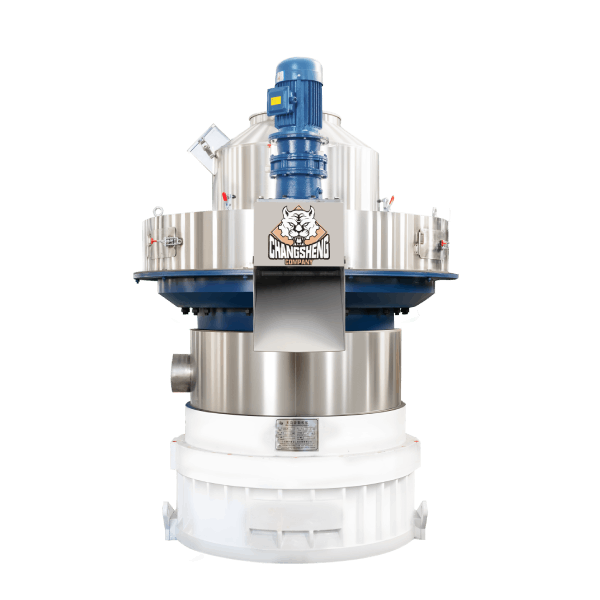
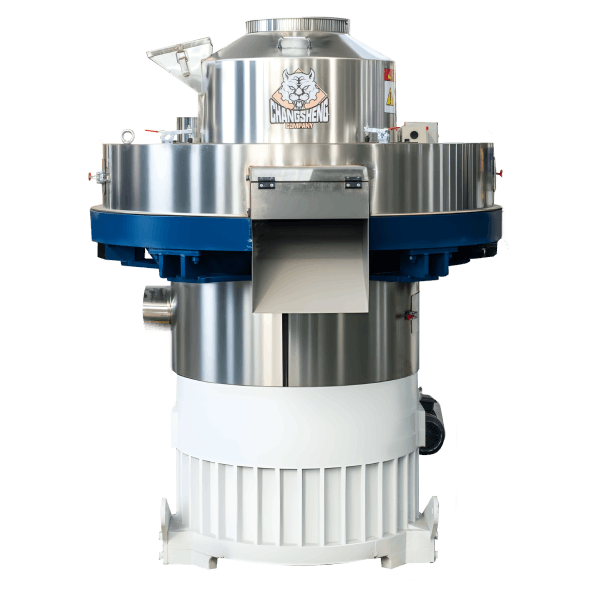
A pellet machine is an industrial device that compresses biomass materials such as wood chips, sawdust, straw, or agricultural waste into dense cylindrical pellets through mechanical pressure and friction. Stable mechanical operation is critical because excessive vibration during pellet production can reduce pellet quality, accelerate component wear, and increase maintenance costs.
Understanding pellet machine vibration during operation is therefore essential for plant engineers, equipment distributors, and biomass project developers who want to maintain efficient, stable, and safe pellet production.
Technical Parameters and Specifications
Typical industrial pellet machine parameters relevant to vibration stability include the following engineering specifications:
Production capacity: 1–6 tons per hour depending on model
Main motor power: 90–315 kW
Die diameter: 450–850 mm
Roller quantity: 2–3 compression rollers
Rotational speed: 300–450 rpm
Permissible vibration amplitude: ≤2.8 mm/s (ISO industrial standard reference)
Main shaft tolerance: ≤0.03 mm
Bearing type: heavy-duty spherical roller bearings
Machine frame weight: 3–12 tons depending on configuration
When vibration exceeds recommended limits, mechanical imbalance or structural faults usually exist within the machine.
Structure and Material Composition
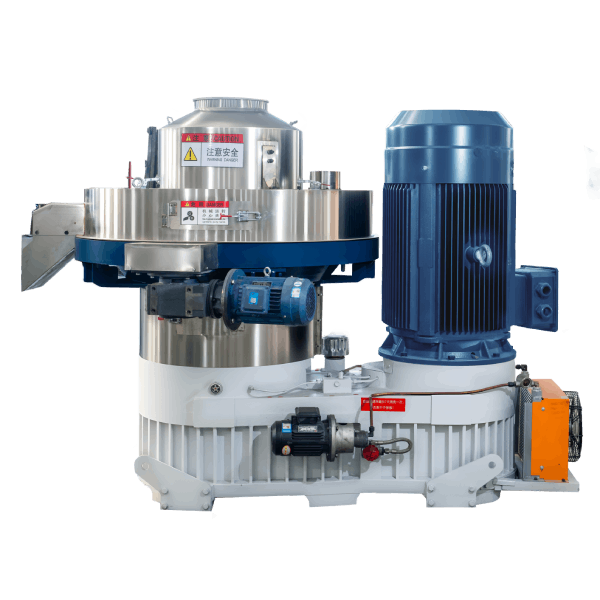
A typical pellet machine structure is designed to minimize vibration and maintain mechanical balance.
Main frame
Heavy-duty welded steel structure
Heat-treated to reduce internal stress
Main shaft assembly
High-strength alloy steel shaft
Precision machining to ensure concentric rotation
Ring die system
Wear-resistant alloy steel
Vacuum heat-treated for durability
Compression rollers
High chromium steel rollers
Balanced to prevent rotational instability
Bearing system
Heavy-duty SKF or equivalent bearings
Designed for high radial loads
Transmission system
Gearbox or belt drive configuration
Shock absorption mounts included
Proper structural design ensures that the pellet machine vibration during operation remains within safe engineering limits.
Manufacturing Process
Industrial pellet machines require precision manufacturing to avoid vibration issues.
Step 1 Raw material preparation
High-strength alloy steel plates and shafts are selected.
Step 2 CNC machining
Key components such as shafts, rollers, and dies are processed using precision CNC machines.
Step 3 Heat treatment
Critical components undergo carburizing or quenching to increase hardness and fatigue resistance.
Step 4 Dynamic balancing
Rotating components such as shafts and rollers are dynamically balanced to reduce operational vibration.
Step 5 Assembly
Bearings, shafts, rollers, and ring dies are assembled using calibrated torque specifications.
Step 6 Testing
Each pellet machine is tested under load conditions to monitor vibration levels and mechanical stability.
Industry Comparison
Equipment Type | Vibration Stability | Maintenance Frequency | Pellet Quality
Ring Die Pellet Machine | Very stable | Low | High density pellets
Flat Die Pellet Machine | Moderate | Medium | Variable quality
Screw Pellet Extruder | Low stability | High | Lower density pellets
Hydraulic Briquette Press | Stable but slow | Low | Large briquettes
Among these options, ring die pellet machines typically provide the most stable mechanical performance and lowest vibration levels in industrial pellet production lines.
Application Scenarios
Pellet machines are widely used across biomass energy and agricultural processing industries.
Biomass pellet manufacturing plants
Wood processing factories converting sawdust into pellets
Agricultural waste recycling projects
Rice husk, straw, and corn stalk pellet production
Energy fuel suppliers
Pellet production for heating fuel markets
Industrial pellet export facilities
High-volume pellet manufacturing for international trade
Equipment distributors
Providing pellet machine systems for small and medium biomass plants
Stable operation without excessive vibration is essential for these applications to ensure production continuity and equipment longevity.
Core Pain Points and Engineering Solutions
Problem 1 Rotor imbalance
Cause
Uneven weight distribution in rotating components.
Solution
Dynamic balancing of rollers, shafts, and dies.
Problem 2 Loose foundation or frame
Cause
Improper installation or weak concrete base.
Solution
Install reinforced vibration-damping foundations.
Problem 3 Bearing wear
Cause
Continuous high-load operation without lubrication.
Solution
Use high-quality bearings and establish a lubrication schedule.
Problem 4 Die and roller mismatch
Cause
Incorrect clearance between ring die and rollers.
Solution
Adjust roller gap precisely according to material characteristics.
Risk Warnings and Prevention Strategies
Excessive pellet machine vibration during operation can lead to serious equipment damage.
Potential risks include
Main shaft bending
Bearing failure
Die cracking
Transmission gearbox damage
Reduced pellet density
Preventive recommendations
Perform weekly vibration monitoring
Check roller alignment every 500 operating hours
Replace worn bearings promptly
Maintain proper lubrication systems
Ensure foundation bolts remain tightened
Procurement and Equipment Selection Guide
Step 1 Define production capacity requirements
Calculate expected pellet output per hour.
Step 2 Verify machine structural weight
Heavier frames generally provide better vibration resistance.
Step 3 Check bearing brand and specifications
Industrial-grade bearings significantly improve operational stability.
Step 4 Evaluate dynamic balancing process
Ensure the manufacturer conducts dynamic rotor balancing.
Step 5 Request vibration test reports
Reliable suppliers provide pre-delivery vibration inspection data.
Step 6 Inspect installation requirements
Foundation design and mounting methods affect machine stability.
Following these steps helps buyers reduce the risk of vibration-related operational issues.
Engineering Case Study
A biomass fuel plant in Southeast Asia installed a 4-ton/hour ring die pellet production line. During initial operation, operators noticed abnormal pellet machine vibration during operation.
Engineering inspection revealed two issues:
The machine foundation thickness was insufficient.
Roller clearance was improperly adjusted.
After reinforcing the concrete base and recalibrating the roller gap, vibration amplitude decreased from 4.5 mm/s to 2.1 mm/s, restoring stable production and improving pellet density by 12%.
This case demonstrates the importance of correct installation and mechanical calibration.
Frequently Asked Questions
What causes pellet machine vibration during operation
Most cases are caused by rotor imbalance, bearing wear, or improper installation.
Is vibration normal in pellet machines
Minor vibration is normal, but excessive vibration indicates mechanical issues.
How can vibration be measured
Industrial vibration sensors or handheld vibration meters are commonly used.
Does vibration affect pellet quality
Yes. Excessive vibration can cause uneven compression and poor pellet density.
How often should vibration be checked
Weekly inspections are recommended for industrial pellet plants.
Can worn rollers cause vibration
Yes. Uneven roller wear often causes mechanical imbalance.
Is foundation design important
Yes. Weak foundations significantly increase machine vibration.
Do larger pellet machines vibrate more
Not necessarily. Heavier machines often operate more smoothly.
Can lubrication reduce vibration
Proper lubrication reduces bearing friction and stabilizes rotation.
When should bearings be replaced
If abnormal noise, temperature rise, or vibration occurs.
Request Engineering Support
For detailed technical specifications, vibration diagnostics guidance, or pellet production line engineering drawings, professional buyers can request quotation packages, technical documentation, or equipment samples for project evaluation.
E-E-A-T Author Expertise
This article is written by engineers with more than 10 years of experience in biomass pellet equipment manufacturing, focusing on mechanical design, vibration diagnostics, and pellet production line engineering for international biomass energy projects. The content reflects practical industry knowledge and real operational troubleshooting experience used by equipment manufacturers, EPC contractors, and industrial pellet producers.