Pellet Machine for Rice Husk Problems Guide
News 2026-02-27
Pellet Machine for Rice Husk Problems: Engineering Analysis and Industrial Solutions
Product Definition
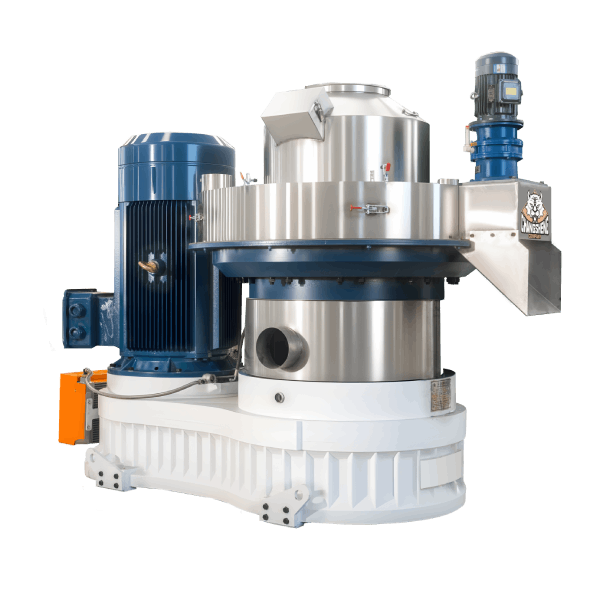
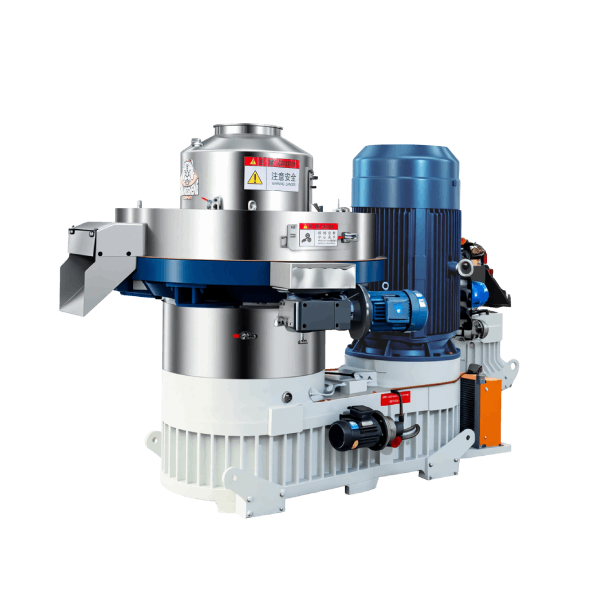
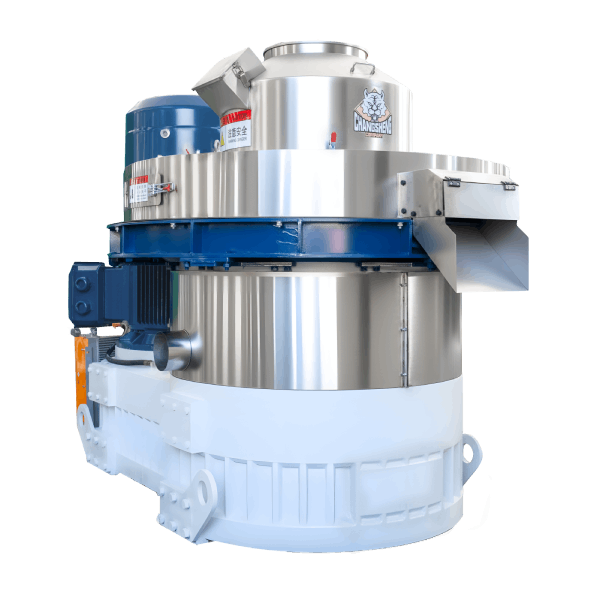
A pellet machine for rice husk problems is a reinforced biomass pelletizing system specifically engineered to handle the high silica content, low bulk density, and abrasive characteristics of rice husk. It integrates optimized die compression ratios, hardened wear components, and controlled feeding systems to ensure stable industrial-scale production.
Introduction
Rice husk is widely available in rice-producing regions, but it presents significant pelletizing challenges. Compared with wood sawdust, rice husk has higher silica (15–20%), lower lignin content, lower bulk density (90–150 kg/m³), and higher ash. These characteristics directly influence compression behavior, die wear rate, and pellet durability.
Selecting a pellet machine for rice husk problems requires engineering-level evaluation rather than standard wood pellet configurations. Procurement decisions must consider abrasion resistance, power consumption, ash handling, and downstream combustion requirements.
Technical Parameters and Specifications
Recommended Industrial Configuration for Rice Husk
Capacity Range
1–3 tons/hour per unit
Main Motor Power
110–250 kW depending on output
Ring Die Diameter
420–560 mm
Compression Ratio
1:6 to 1:8 (higher than wood pellets)
Moisture Requirement
12–15% optimal
Electricity Consumption
90–120 kWh per ton
Pellet Diameter
6–8 mm
Expected Pellet Density
1.0–1.15 g/cm³
Due to higher friction and lower natural binding, a pellet machine for rice husk problems typically requires stronger motors and optimized die design compared to softwood systems.
Structure and Material Composition
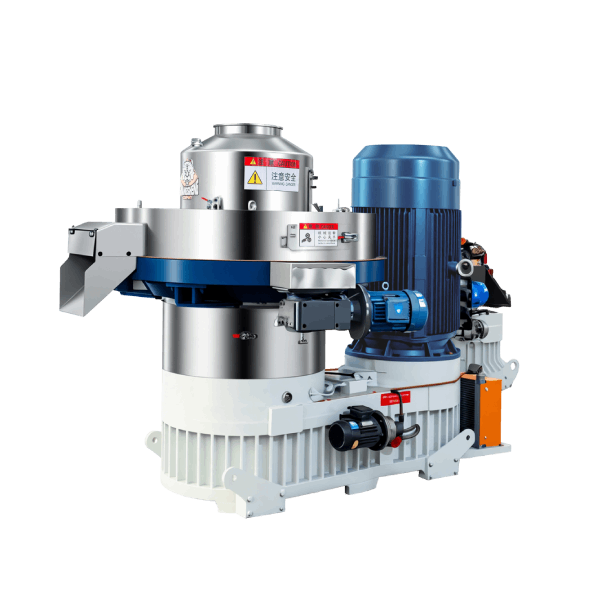
Main Structural Features
Heavy-Duty Frame
• Reinforced carbon steel base
• Anti-vibration foundation mounts
Pelletizing Assembly
• High-chromium alloy ring die (HRC 58–62)
• Tungsten-coated roller shell
• Adjustable hydraulic roller gap system
Transmission System
• High-torque industrial gearbox
• Hardened alloy gears
• Forced lubrication oil pump
Feeding System
• Variable frequency screw feeder
• Anti-bridging agitator
Dust Control
• Cyclone separator
• Pulse-jet dust collector
Because rice husk is abrasive, wear-resistant materials are critical in any pellet machine for rice husk problems.
Manufacturing Process and Engineering Workflow
Step 1: Raw Material Screening
Magnetic separator removes metal impurities.
Step 2: Pre-Grinding
Hammer mill reduces particle size to ≤3 mm.
Step 3: Moisture Conditioning
Controlled spraying or drying ensures 12–15% moisture.
Step 4: Feeding Stabilization
Frequency-controlled feeder ensures uniform compression.
Step 5: High-Pressure Pelletizing
Material compressed under optimized die ratio.
Step 6: Cooling
Counterflow cooler reduces pellet temperature to ambient +5°C.
Step 7: Screening and Ash Control
Fine particles recycled; high ash content monitored.
Engineering focus is placed on die temperature control and uniform feeding to mitigate rice husk pelletization instability.
Industry Comparison
| Parameter | Rice Husk | Wood Sawdust | Agricultural Straw |
|---|---|---|---|
| Silica Content | High (15–20%) | Low | Medium |
| Abrasiveness | Very High | Low | Medium |
| Binding Property | Low | High | Medium |
| Die Wear Rate | High | Low | Medium |
| Ash Content | 15–18% | <2% | 5–10% |
| Compression Requirement | High | Moderate | Moderate |
This comparison highlights why a specialized pellet machine for rice husk problems is required rather than a standard wood pellet model.
Application Scenarios
Distributors
Supply rice-husk pellet equipment to rice mills seeking waste utilization.
EPC Contractors
Design turnkey biomass plants near rice processing zones.
Industrial Energy Plants
Use pellets for co-firing in industrial boilers.
Export Traders
Supply rice husk pellets to markets where high-ash fuel is acceptable for industrial use.
Core Pain Points and Engineering Solutions
- Excessive Die Wear
Solution: Use high-chromium or alloy steel die with hardened surface treatment. - Low Pellet Durability
Solution: Optimize compression ratio and moisture conditioning. - High Electricity Consumption
Solution: Stabilize feeding rate and avoid over-compression. - High Ash Residue
Solution: Target industrial combustion users rather than residential heating. - Bridging in Hopper
Solution: Install mechanical agitator and controlled screw feeding.
Risk Warnings and Mitigation
Unstable Raw Material Moisture
Moisture below 10% increases energy consumption and wear.
Incompatible Market
Rice husk pellets are unsuitable for low-ash residential markets.
Underpowered Equipment
Standard wood pellet machines may fail prematurely.
Dust Explosion Risk
Proper dust extraction and grounding systems are mandatory.
Procurement Selection Guide
- Analyze local rice husk availability volume.
- Verify silica content through lab testing.
- Confirm target pellet market requirements.
- Select reinforced ring die configuration.
- Ensure motor power margin ≥15% above nominal load.
- Include dust collection and cooling systems in total investment.
- Evaluate spare die and roller replacement cost.
- Review operational electricity tariffs.
Engineering Case Study
Project Location: Southeast Asia
Raw Material: Rice husk from integrated rice mill
Capacity: 2 tons/hour
Equipment Configuration
Ring die 508 mm
Motor 160 kW
Compression ratio 1:7
Operational Data
Electricity consumption: 105 kWh per ton
Moisture input: 13%
Pellet durability index: 94%
Challenge
Initial die wear occurred after 600 hours.
Solution
Upgraded to alloy steel die with surface hardening.
Result
Die lifespan extended to 1,200 operating hours. Production stabilized with consistent pellet quality suitable for industrial boiler fuel.
This demonstrates the engineering approach required for pellet machine for rice husk problems in real industrial conditions.
FAQ
- Why is rice husk difficult to pelletize?
High silica and low lignin reduce binding. - Is a flat die machine suitable?
Not recommended for industrial scale. - What is typical ash content?
15–18%. - Can additives improve durability?
Yes, but increases operating cost. - How often should die be replaced?
Typically 800–1,200 hours depending on quality. - Is electricity consumption higher than wood?
Yes, generally 10–20% higher. - What pellet size is recommended?
6–8 mm for industrial use. - Is pre-drying necessary?
Only if moisture exceeds 15%. - Can rice husk pellets be exported?
Yes, mainly for industrial energy markets. - What is the main cost driver?
Wear parts and electricity consumption.
Call to Action
For detailed technical data, performance testing reports, and engineering cost analysis for pellet machine for rice husk problems, submit your raw material analysis, target capacity, and local electricity rates. Customized equipment configuration and layout drawings are available upon request.
Authoritative Industry Statement (E-E-A-T)
This guide is prepared by a biomass engineering specialist with more than 15 years of experience in pellet plant design and abrasive material processing systems. Technical data and performance indicators are based on operational industrial installations across rice-producing regions, ensuring procurement-level accuracy and engineering reliability.