Pellet Formation Rate Suddenly Drops: Causes, Diagnosis and Fixes
News 2026-11-12
A pellet formation rate that drops suddenly is a different problem from a formation rate that is low from the start. A line that has been running well and then drops within hours or within a shift is telling you that something changed, and the cause is most often in the feed, the moisture, the die, the roller gap, the die temperature, or the feedstock rather than in the machine design. A drop can also appear when the line is pushed outside its design range, but the first question is still what changed rather than what is different from the design. The operator who responds to a sudden drop by changing the die or the machine usually loses the baseline and makes the diagnosis harder.
This page is about the sudden drop on a line that was running, while the low rate on a new die, the first batch, the new die after a change, and the break-in period are covered on their own pages with their own checks. It covers the difference between a sudden drop, a low rate from the start, and a gradual decline, the causes of a sudden drop, how to diagnose which cause is acting, and what to correct and in what order.
The short answer
A pellet formation rate that drops suddenly comes from one of six causes: the feed rate has changed, the moisture at the die has moved outside the workable range, the die has started to blind, the roller gap has opened or closed, the die temperature has fallen outside the range, or the feedstock has changed.
The practical rule: check what changed before the drop, rather than what is different from the design. A drop that coincides with a feedstock delivery, a moisture change, a die change, a roller adjustment, or a shift change points to that change, and the correction follows the change rather than the machine.
A sudden drop, a low rate from the start, and a gradual decline
A formation rate that is low from the start of a new die or a new line is a break-in or a specification problem, and it is diagnosed on the running-in page and the selection page.
A formation rate that drops on a line that was previously running is a change problem. The line was producing, and something in the feed, the moisture, the die, the roller gap, the temperature, or the material has moved, and the diagnosis is to find what moved rather than to re-specify the machine.
A gradual decline over days or weeks is a different pattern again. It usually points to the die wear, the roller wear, the screen blockage, the cooling efficiency, or the wear parts ageing rather than to a single change, and it is diagnosed on the wear record rather than on the timeline. A sudden drop is the pattern this page is about, and a gradual decline should be checked on the wear record before the sudden-drop checks are run.
The six causes and how to tell them apart
| Cause | What points to it | What to check |
|---|---|---|
| Feed rate changed | The current dropped or rose with the output, and the die temperature moved | The feeder setting, the feeder screw, and the feed record |
| Moisture outside the workable range | The pellet is soft or dusty, and the die temperature moved | The moisture at the die inlet, not at the dryer outlet |
| Die started to blind | The output dropped, and the die face shows the blocked holes | The die holes, the die wear, and the die temperature |
| Roller gap opened or closed | The material slips or the motor load rose | The gap on every roller against the specification |
| Die temperature outside the range | The pellet is soft, and the die is below or above the range | The die temperature against the range on the previous good run |
| Feedstock changed | The drop coincides with a new delivery, and the pellet looks different | The species, the moisture, the particle size, the ash, and the blend |
Feed rate and feeder
The feed rate is the first check, because a feeder that has moved, a screw that has worn, or a bin that has bridged changes the material flow and the die temperature without any change to the die.
The feeder setting should be compared with the record from the previous good run, and the feeder screw, the discharge opening, and the variable frequency drive should be checked. A feed that has dropped starves the die and cools it, and a feed that has risen overloads the die and raises the temperature, and both reduce the formation rate.
Moisture at the die
The moisture at the die is the strongest single influence on the formation, and a sudden change in the moisture is one of the most common causes of a sudden drop.
A new delivery of a wetter material, a dryer that has drifted, or a change in the storage condition can move the moisture at the die outside the workable range without any change on the machine. The moisture should be measured at the die inlet, not at the dryer outlet, and the current reading should be compared with the reading from the previous good run.
Die blockage and die wear
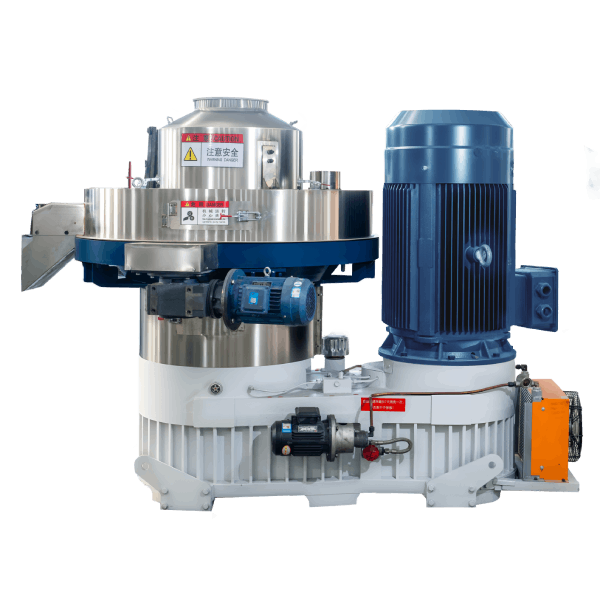
A die that has started to blind produces a sudden drop, because the open area of the die falls and the material cannot pass through the holes.
The die should be inspected for the blocked holes, and the die face should be checked for the material that sits on the surface. The die wear should also be checked, because a die that has worn past the tolerance produces a different pellet and a different load even when the holes are open.
Roller gap
The roller gap changes the compression and the load, and a gap that has opened or closed since the last check produces a drop in the formation rate.
The gap should be checked on every roller against the manufacturer’s specification, and it should be compared with the setting recorded at the last adjustment. A gap that has opened lets the material slip, and a gap that has closed overloads the motor and blinds the die.
Die temperature
The die temperature is the second thermal variable, and a die that has fallen below or risen above the operating range produces a drop in the formation rate.
The die temperature should be compared with the range recorded on the previous good run, and the feed rate and the moisture should be checked as the two inputs that move the temperature. A die that is below the range does not soften the lignin enough, and a die that is above the range scorches the material and raises the wear.
Feedstock change
A feedstock that has changed produces a drop in the formation rate without any change on the machine, and the change is often invisible in the material name.
A new delivery with a different species, a higher bark content, a different particle size, a higher ash, or a different blend changes the binding and the load, and the drop coincides with the delivery. The material should be tested for the species, the moisture, the particle size, the ash, and the blend, and the current batch should be compared with a batch that produced a good pellet.
How to diagnose a sudden drop
The diagnosis starts from the timeline rather than from the machine, and the first question is what changed before the drop.
The first step is to confirm the timeline. If the line was running at the rate and dropped within hours, the cause is a change. If the line has never reached the rate, the cause is a specification or a break-in issue and the running-in page and the selection page apply. If the decline has been gradual, the wear record applies.
The second step is to run the checks in the table above in order, and to compare each value with the record from the previous good run.
The third step is to identify the value that moved first, because the value that moved first is usually the cause, and the values that moved together point to a common cause rather than to a chain.
What to correct and in what order
The correction follows the cause that the timeline and the checks point to, and it is made one variable at a time with the output checked after each change.
If the feed has changed, correct the feeder setting or the feeder first, and confirm the feed with the current and the die temperature. If the moisture has moved, correct the drying or the conditioning, and confirm the moisture at the die. If the die has blinded, clear the holes and check the die wear, and if the roller gap has moved, reset it on every roller. If the die temperature has moved, correct the feed and the moisture rather than forcing the temperature. If the feedstock has changed, confirm the die and the process for the new material before the machine is adjusted.
Changing the feed, the moisture, and the die at the same time makes the result impossible to attribute, and the next run starts from an unknown baseline.
What to record so the next drop is traceable
The record is what makes the next drop diagnosable, and it should include the feedstock, the moisture at the die, the feed rate, the die temperature, the roller gap, the current, the output, and the pellet quality, with the time of each reading.
A drop that is compared with the record shows which value moved first, and the value that moved first is usually the cause, and the values that moved together point to a common cause rather than to a chain.
What to specify before buying a line
Before the line is specified, the acceptance test should define the baseline, because a line without the baseline cannot show a sudden drop. The acceptance test should state the material, the moisture, the feed rate, the die temperature, the output and the pellet quality, and the record from the acceptance test becomes the reference for the production.
If you are running a pellet line and the formation rate has dropped suddenly and you need to trace the cause through the feed, the moisture, the die, the roller gap, the temperature and the feedstock, send the record from the previous good run and the record from the drop, the moisture at the die, the die and the roller gap, and the feedstock data, and the Shandong Changsheng Machinery team can review the line configuration and propose the correction and the acceptance test.
Bottom line
A pellet formation rate that drops suddenly is most often a change problem rather than a design problem, and the first question is what changed before the drop rather than what is different from the design, although a drop can also appear when the line is pushed outside its design range. Separate the sudden drop from a low rate from the start and from a gradual decline, because the three are diagnosed on the timeline, the specification, and the wear record respectively. Check the feed, the moisture at the die, the die blockage and the wear, the roller gap, the die temperature, and the feedstock, and the value that moved first is usually the cause, while the values that moved together point to a common cause rather than to a chain. Correct one variable at a time and check the output after each change, because changing the feed, the moisture, and the die together makes the result impossible to attribute. Keep the record of the feedstock, the moisture, the feed, the temperature, the gap, the current and the output, because the record from the acceptance test is the baseline that makes the next drop traceable.