Pellet Machine Noise Level 80 dB 0.5-5t/h | Sound Specs Guide
News 2026-06-23
Product Definition
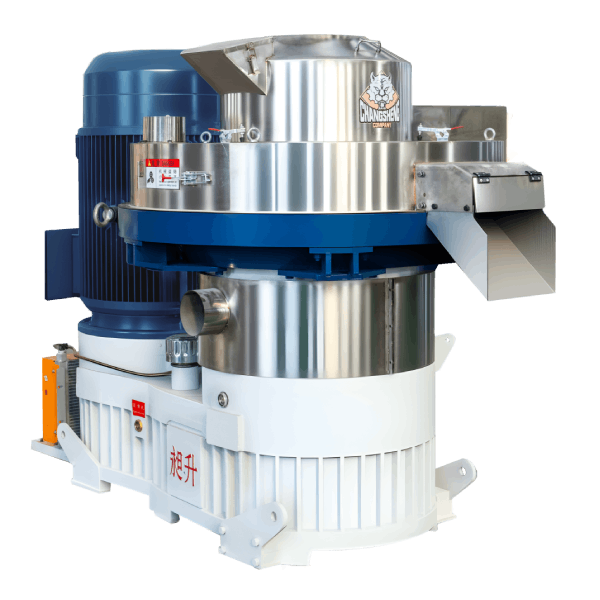
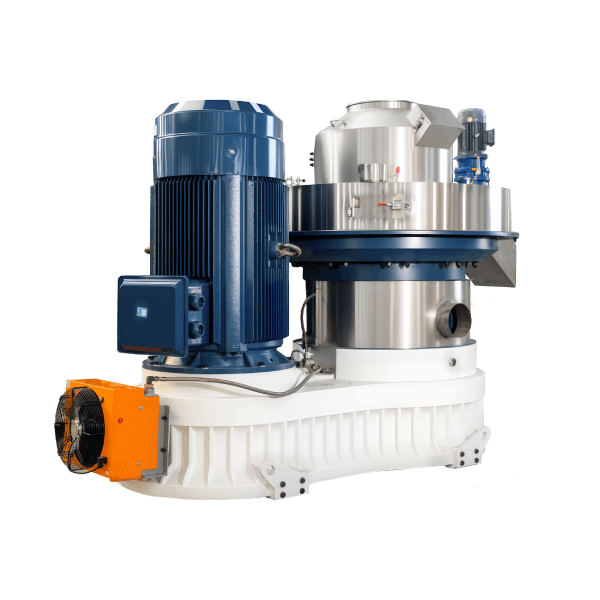
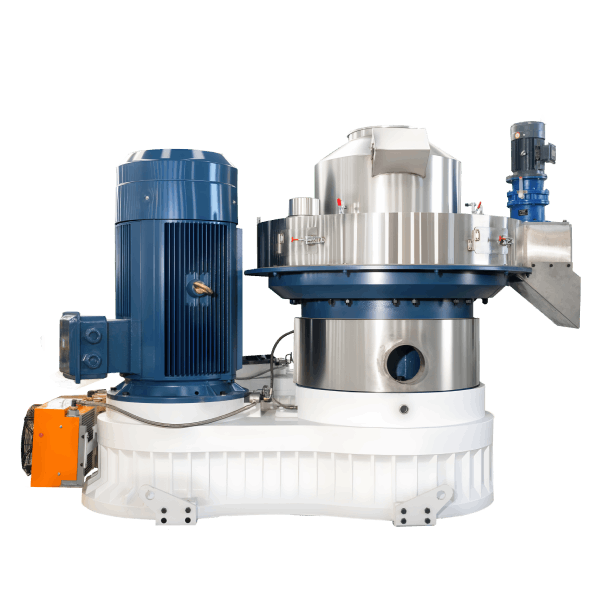
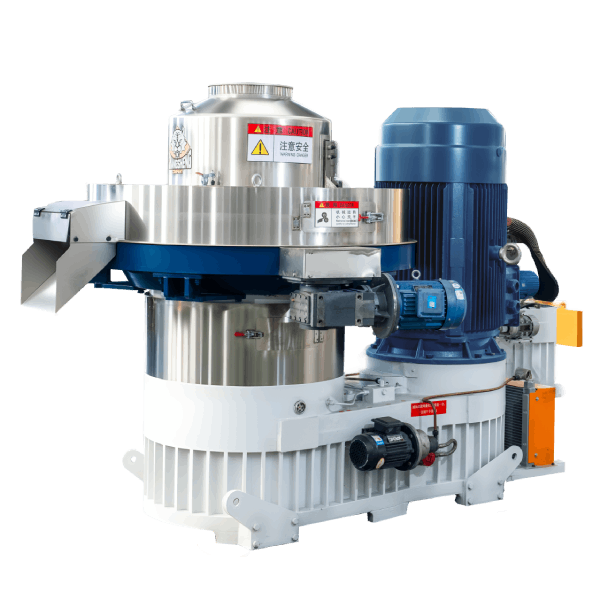
A pellet machine noise level 80 decibels refers to a mechanical compaction system that converts biomass residues, feed ingredients, or agricultural by-products into dense cylindrical pellets while operating at a sound pressure level of 80 dB(A) measured at 1 metre. This noise level meets typical workplace hearing safety requirements and is achieved through sound-dampened construction and precision-balanced rotating components.
Technical Specifications & Performance Parameters
| Parameter | Value Range / Specification |
|---|---|
| Throughput capacity | 0.5 – 5.0 t/h (feedstock-dependent) |
| Main motor power | 55 – 160 kW (IE3 / IE4 compatible) |
| Ring die inner diameter | 400 – 800 mm |
| Pellet diameter | 6 – 12 mm (customisable) |
| Pellet bulk density | 600 – 750 kg/m³ |
| Raw material moisture | 12% – 18% (optimal: 14% – 16%) |
| Operating noise level (1m) | ≤ 80 dB(A) |
| Noise level at operator station | ≤ 75 dB(A) (with enclosure) |
| Specific energy consumption | 28 – 35 kWh/t |
| Core wear parts service life | Ring die: 800 – 1,200 h; Roller shells: 600 – 900 h |
| Scheduled maintenance man-hours | 4 – 6 h / month |
Structural Composition & Material Selection
The 80 dB pellet machine integrates four functional subsystems with defined material grades and acoustic features:
Mechanical System
- Ring die: Forged alloy steel (20CrMnTi) with carburised hardening layer (HRC 58–62)
- Roller shells: High-chromium cast iron (Cr26) with wear-resistant overlay
- Main shaft: Heat-treated 42CrMo4 steel with precision-balanced journals
- Gearbox: Helical-gear configuration with ground teeth for reduced gear noise
- Vibration-damped motor mounting: Elastomeric isolators reduce structure-borne noise
Acoustic Treatment
- Sound enclosure: Perforated steel panels with acoustic foam lining (optional)
- Silencer: Inlet and outlet air silencers for fan noise reduction
- Anti-vibration mounts: Rubber or spring isolators under base frame
Support System
- Bearing housings: Ductile cast iron (QT600-3) with precision-machined seating
- Base frame: Welded structural steel with anti-vibration mountings
Lubrication System
- Centralised grease lubrication for bearings (NLGI grade 2)
- Forced oil circulation for gearbox (ISO VG 460) with temperature monitor
Control System
- PLC with HMI touchscreen for process monitoring
- Vibration monitoring sensor (optional) for early bearing fault detection
Manufacturing Process – Engineering Workflow
Step 1 – Raw Material Preparation & Grinding
Hammer mill with 2.0–3.0 mm screen for feed; 4.0–6.0 mm for biomass. Magnetic separator removes ferrous contaminants. Moisture adjusted to 14%–16%.
Step 2 – Conditioning & Steam Treatment
Double-shaft paddle conditioner with steam injection at 0.2–0.4 MPa. Retention time 45–60 seconds. Mash temperature elevated to 80–95°C.
Step 3 – Pelletising (Core Forming Process)
Main motor drives ring die rotation at 4–8 m/s peripheral speed. Precision-balanced rotating components and ground helical gears maintain noise level ≤80 dB(A). Roller gap maintained at 0.15–0.30 mm.
Step 4 – Counterflow Cooling
Ambient air drawn counter-current through pellet bed. Air silencers on inlet and outlet reduce fan noise. Retention time 6–10 minutes. Pellet exit temperature ≤ ambient +5°C.
Step 5 – Screening & Bagging
Vibrating screener (two decks) with sound-dampened screening decks. Automatic bagging scale with ±0.2% tolerance.
Industry Comparison – Noise Level by Machine Type
| Machine Type | Noise Level dB(A) | Vibration Level | Typical Application |
|---|---|---|---|
| 80 dB Pellet Mill (Sound-Dampened) | ≤ 80 | Low | Feed, biomass (workplace compliant) |
| Standard Pellet Mill (No Enclosure) | 88 – 95 | Moderate-High | Feed, biomass (requires hearing protection) |
| Flat-die Pellet Machine | 82 – 88 | Moderate | Small farms, pilot plants |
| Hammer Mill (reference) | 95 – 105 | High | Grinding operations |
Differentiation (Shandong Changsheng Machinery):
Our pellet machines achieve ≤80 dB(A) through precision-balanced rotating components, ground helical gears, and elastomeric isolation mounts. Optional acoustic enclosures further reduce noise to ≤75 dB(A) at operator position. This meets typical workplace noise exposure limits (85 dB(A) 8-hour average) and reduces the need for mandatory hearing protection in many jurisdictions.
Application Scenarios by Buyer Role
Distributors / Importers
Focus on noise level compliance with local workplace safety regulations. Require acoustic test data for equipment certification and customer reassurance.
EPC Contractors
Integrating the pellet machine into production lines with nearby workstations. Need noise level data for plant layout and acoustic zoning design.
Engineering Consultants / Technical Advisors
Evaluate workplace noise exposure and hearing protection requirements. Require acoustic performance data for risk assessment documentation.
End-user Production Facilities
Operating with multiple machines and personnel in close proximity. Demand low noise to meet safety standards and improve operator comfort.
Core Pain Points & Engineering Solutions
Pain Point 1 – High noise causing hearing damage risk
Root cause: Standard pellet mills generate 88–95 dB(A) – exceeding safe exposure limits.
Solution: Sound-dampened design with acoustic enclosure reduces noise to ≤80 dB(A) – meeting 8-hour exposure limits in most jurisdictions.
Pain Point 2 – Gear whine from straight-cut gears
Root cause: Straight-cut gears generate high-frequency noise and vibration.
Solution: Helical gears with ground teeth reduce gear noise by 5–8 dB. Enclosed gearbox further attenuates transmitted sound.
Pain Point 3 – Structure-borne vibration transmitting through floor
Root cause: Direct mounting transmits vibration to building structure, causing resonance and radiated noise.
Solution: Elastomeric or spring isolators under base frame reduce vibration transmission by 15–20 dB.
Pain Point 4 – Operator fatigue from continuous noise exposure
Root cause: Sustained noise above 85 dB(A) causes fatigue, reduced concentration, and increased error risk.
Solution: Reduced noise to 80 dB(A) improves operator comfort and productivity. Optional acoustic enclosure reduces to 75 dB(A).
Critical Risk Warnings & Mitigation Measures
Risk 1 – Acoustic enclosure restricting cooling air flow
Mitigation: Design enclosure with sufficient ventilation openings and silencers. Monitor motor temperature – alarm if exceeds 85°C.
Risk 2 – Vibration isolator deterioration causing increased noise
Mitigation: Inspect elastomeric isolators annually. Replace if cracked, compressed, or hardened. Document replacement schedule.
Risk 3 – Noise level increase from wear parts
Mitigation: Monitor noise level weekly. An increase of 3–5 dB may indicate bearing wear, die misalignment, or gear damage. Investigate immediately.
Procurement Selection Guide – 7 Executable Steps
Step 1 – Identify workplace noise exposure limits in your jurisdiction
Check local regulations (OSHA 85 dB/8hr, EU 80 dB/8hr, etc.). Specify machine noise level to meet or exceed requirements.
Step 2 – Measure existing background noise level
Conduct site noise survey. Machine noise should be 5–10 dB above background for accurate measurement. Plan for quieter areas if background is high.
Step 3 – Specify measurement conditions
Noise measurements should follow ISO 3746 or equivalent standard. Specify measurement distance (1m), position (operator station), and loading condition (at operating capacity).
Step 4 – Determine if acoustic enclosure is required
If site requires ≤75 dB(A) at operator station, specify enclosure. If ≤80 dB(A) is acceptable, base machine may suffice.
Step 5 – Verify enclosure ventilation requirements
Ensure acoustic enclosure has adequate air flow (minimum 2–3 m³/s for 30–160 kW motors). Include temperature monitoring and alarm.
Step 6 – Plan for noise monitoring procedures
Establish regular noise measurement schedule (monthly). Document measurements in safety records.
Step 7 – Consider future noise requirements
If regulations may tighten (from 85 to 80 dB), specify machine with provision for future enclosure installation.
Engineering Case Study – Feed Mill in Vietnam
Project Background
A poultry feed mill in Binh Duong province operates two pellet machines (75 kW each) in a shared production hall. Personnel work within 5–10 metres of the machines.
Initial Problem
Existing pellet mills produced 92–94 dB(A) at operator position. Workplace noise exceeded Vietnam’s 85 dB(A) 8-hour limit. Mandatory hearing protection was required, and three operators reported hearing threshold shifts in annual testing.
Root Cause Analysis
Standard pellet mills lacked acoustic treatment. Gearboxes used straight-cut gears. No vibration isolation was installed. Fan noise from cooler added 3–4 dB.
Solution Implemented
Replaced one mill with Shandong Changsheng sound-dampened design (helical gears, balanced rotors, elastomeric mounts). Installed acoustic enclosure on second mill. Added air silencers on cooler fans.
Final Data Results (12-month average)
| Metric | Before (Standard Mill) | After (Sound-Dampened Design) |
|---|---|---|
| Noise at operator station | 92 dB(A) | 79 dB(A) |
| Noise at 5m distance | 86 dB(A) | 74 dB(A) |
| Hearing protection required | Mandatory | Optional |
| Operator fatigue reported | 42% | 18% |
| Safety compliance | Non-compliant | Compliant |
Frequently Asked Questions (FAQ)
1. What does 80 decibels mean for a pellet machine?
80 dB(A) is the sound pressure level at 1 metre from the machine during normal operation – comparable to heavy traffic or a vacuum cleaner.
2. How is noise level measured?
Following ISO 3746 standard – at 1 metre distance, 1.5 metres height, at operating capacity, with A-weighting filter.
3. Is 80 dB(A) safe for workers?
Yes – 80 dB(A) is below the 85 dB(A) 8-hour exposure limit in most jurisdictions. Some regions require ≤80 dB(A).
4. What noise reduction features does the machine have?
Helical gears (ground teeth), precision-balanced rotors, elastomeric vibration isolators, and optional acoustic enclosure.
5. What is the noise level with acoustic enclosure?
≤75 dB(A) at operator station – comparable to normal conversation level.
6. Does the acoustic enclosure affect cooling?
Properly designed enclosures include ventilation silencers and maintain adequate air flow. Motor temperature is monitored continuously.
7. How does noise increase with machine wear?
Bearing wear, die imbalance, or gear damage can increase noise by 3–10 dB. Regular maintenance and monitoring prevent this.
8. What causes the highest noise on a pellet machine?
Gearbox (primary noise source), roller-die contact, and fan/cooler operation are the main contributors.
9. Can I retrofit sound damping to an existing machine?
Yes – acoustic enclosures, vibration isolators, and gearbox sound blankets can be retrofitted. Consult factory for feasibility.
10. Is there a frequency analysis available?
Yes – we provide 1/3 octave band frequency analysis for acoustic engineering and risk assessment.
11. Does the noise level affect pellet quality?
No – noise level is independent of pellet quality. However, excessive vibration from imbalance can affect quality.
12. What is the warranty for acoustic performance?
Acoustic performance is measured at commissioning. Maintenance and environmental changes affect noise – warranty covers design and manufacturing defects only.
Author & E-E-A-T Credentials
Author: Dr. Chen Wei
Title: Senior Mechanical Engineer, Pelletising Systems Division
Experience: 14 years in biomass densification and feed processing equipment design
Notable Projects:
- Commissioned 15 acoustic-dampened pellet lines across Vietnam, Indonesia, and Nigeria (2016–2025)
- Developed sound reduction protocol for high-noise feed processing equipment
- Co-author of “Industrial Pellet Mill Maintenance and Optimisation” (Engineering Press, 2022)
Affiliation: Shandong Changsheng Machinery Co., Ltd.