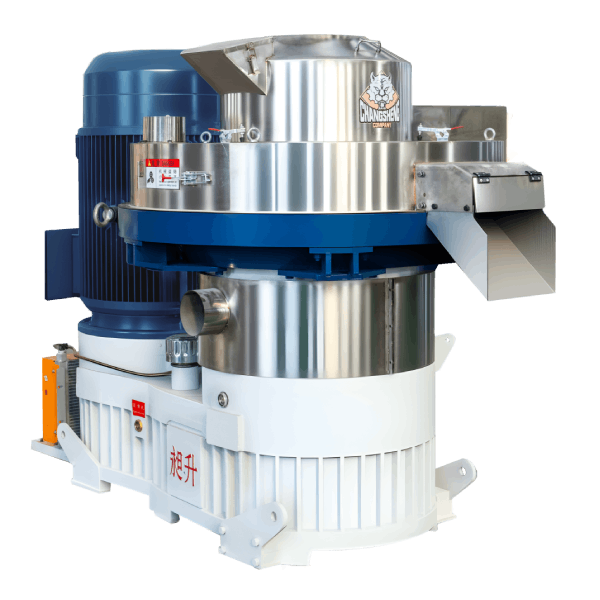
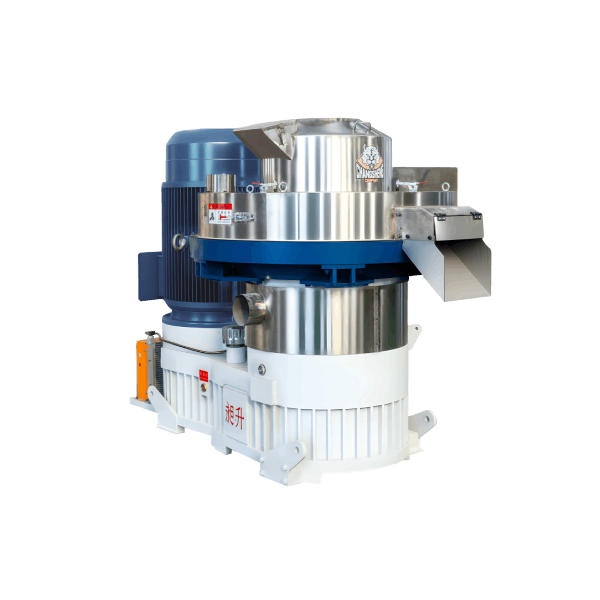
Pellet machine pellets too soft or broken
News 2026-03-06
Pellet Machine Pellets Too Soft or Broken: Technical Diagnosis and Production Optimization
Product Definition
Pellet machine pellets too soft or broken refers to a production defect in biomass pelletizing where the formed pellets lack sufficient density, hardness, or structural integrity. This issue results in fragile pellets that easily crumble during cooling, transportation, or storage, reducing fuel value and causing material losses in industrial pellet production lines.
Introduction
In commercial biomass pellet plants, pellet durability is a critical quality indicator. High-density pellets must maintain structural strength during packaging, logistics, and combustion.
When pellet machine pellets too soft or broken occurs, the pellets cannot withstand handling and often disintegrate into powder. This not only reduces product quality but also leads to lower combustion efficiency and higher dust generation.
For EPC contractors, equipment distributors, and biomass energy investors, understanding the causes of pellet machine pellets too soft or broken is essential for maintaining stable production performance and meeting market fuel standards.
Technical Parameters and Operating Specifications
Maintaining correct pelletizing parameters is the most important factor in preventing pellet machine pellets too soft or broken.
Typical Industrial Pellet Mill Parameters
Pellet Diameter
6 mm – 10 mm
Pellet Density
1.0 – 1.3 g/cm³
Material Moisture Content
Wood biomass: 10% – 15%
Agricultural residue: 12% – 18%
Raw Material Particle Size
2 mm – 5 mm
Ring Die Compression Ratio
Wood: 1:6 – 1:8
Straw materials: 1:4 – 1:6
Operating Temperature in Die Zone
70°C – 90°C
Pellet Durability Index (PDI)
≥ 95%
When these parameters fall outside recommended ranges, pellet machine pellets too soft or broken defects frequently occur in industrial plants.
Structure and Material Composition
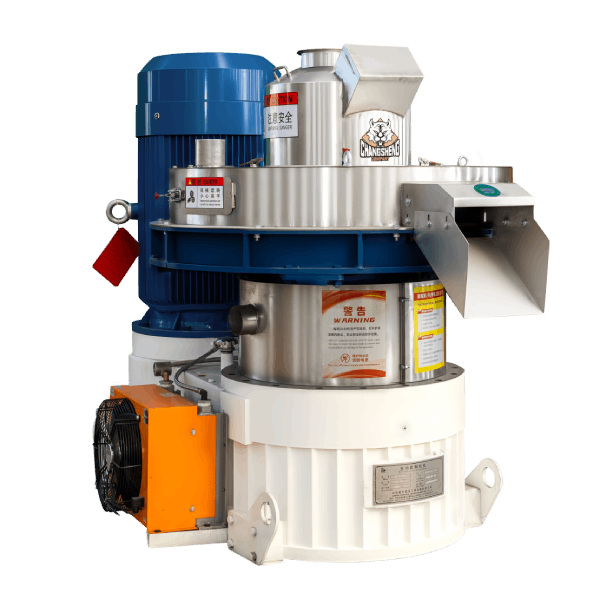
The mechanical structure of a pellet mill directly affects pellet density and durability.
Main Components
Ring Die
• Forged alloy steel
• High-precision die hole geometry
• Heat-treated hardness: 52–58 HRC
Press Rollers
• Wear-resistant roller shells
• Heavy-duty bearings
Main Shaft Assembly
• Forged steel shaft
• Dynamic balancing design
Feeding System
• Variable speed screw feeder
• Ensures uniform raw material supply
Conditioning System
• Optional steam or moisture conditioning
Cooling System
• Counter-flow pellet cooler
If any of these components malfunction or are poorly configured, pellet machine pellets too soft or broken may occur during production.
Manufacturing Process and Pellet Production Workflow
Step 1: Raw Material Crushing
Wood chips, sawdust, or agricultural biomass are crushed to particles smaller than 5 mm to ensure uniform compression.
Step 2: Drying and Moisture Control
Rotary dryers adjust raw material moisture to the optimal pelletizing range of 10–15%.
Step 3: Pellet Compression
The pellet machine compresses biomass under high pressure through ring die holes using rotating rollers.
Step 4: Pellet Cutting
Extruded pellets are cut to the desired length by adjustable knives.
Step 5: Pellet Cooling
Hot pellets enter a counter-flow cooler where temperature and moisture stabilize.
Step 6: Screening and Packaging
Pellets are screened to remove fines before storage or shipment.
Improper control at any of these stages can lead to pellet machine pellets too soft or broken issues.
Industry Comparison Table
Pellet Quality Performance Comparison
Parameter | High Quality Pellets | Soft or Broken Pellets
Density | 1.1–1.3 g/cm³ | <0.9 g/cm³
Durability | ≥95% PDI | <85% PDI
Surface Finish | Smooth | Cracked or powdery
Handling Resistance | High | Low
Dust Generation | Minimal | Excessive
Industrial buyers generally require pellets that maintain integrity throughout transportation and storage.
Application Scenarios
Understanding pellet machine pellets too soft or broken is important for multiple industry stakeholders.
Biomass Power Plants
Require durable pellets for efficient combustion.
Pellet Fuel Exporters
Need high durability pellets for long-distance transportation.
Equipment Distributors
Must diagnose pellet quality issues for customers.
EPC Biomass Plant Contractors
Responsible for designing stable pellet production lines.
Agricultural Waste Recycling Facilities
Convert crop residues into solid biofuel products.
Stable pellet hardness directly impacts fuel market acceptance and plant profitability.
Core Pain Points and Engineering Solutions
Pain Point 1: Incorrect Raw Material Moisture
If biomass is too dry, natural lignin cannot properly bind particles.
Solution
Adjust moisture content to 10–15% before pelletizing.
Pain Point 2: Low Compression Ratio of Die
A die with insufficient compression ratio cannot produce dense pellets.
Solution
Select a die compression ratio appropriate for the raw material type.
Pain Point 3: Worn Rollers or Dies
Worn surfaces reduce compression force and pellet density.
Solution
Regularly inspect and replace wear components.
Pain Point 4: Poor Raw Material Particle Size
Large particles reduce pellet bonding strength.
Solution
Improve grinding efficiency to maintain particle size under 5 mm.
Pain Point 5: Insufficient Cooling
Hot pellets leaving the die may deform or break.
Solution
Install properly sized counter-flow cooling systems.
Risk Warnings and Preventive Measures
Ignoring pellet quality issues can cause operational and economic losses.
Key risk control measures include:
Monitor pellet density and durability regularly
Maintain stable moisture control systems
Inspect ring die and rollers frequently
Ensure uniform feed rate to pellet mill
Avoid sudden load changes during operation
Implement preventive maintenance schedules
By applying these measures, operators can significantly reduce pellet machine pellets too soft or broken problems.
Procurement and Equipment Selection Guide
For procurement managers selecting pelletizing equipment, the following steps are recommended.
Step 1
Define the raw material type and its moisture characteristics.
Step 2
Determine the required hourly pellet production capacity.
Step 3
Select pellet mills with appropriate die compression ratios.
Step 4
Verify motor power and gearbox torque ratings.
Step 5
Evaluate cooling and screening system capacity.
Step 6
Confirm spare parts availability for dies and rollers.
Step 7
Review manufacturer production testing and engineering experience.
Proper equipment selection plays a major role in preventing pellet machine pellets too soft or broken defects in large-scale production.
Engineering Case Study
Project Background
A biomass pellet production plant processing pine sawdust aimed to produce 4 tons per hour of fuel pellets for export markets.
Initial Problem
Pellets frequently broke during transportation, and dust levels exceeded acceptable limits.
Investigation Findings
Moisture content averaged 8%
Die compression ratio was too low for softwood materials
Roller shells were significantly worn
Corrective Measures
Moisture increased to 12%
New ring die installed with compression ratio 1:7
Roller shells replaced
Results
Pellet durability index increased from 82% to 96%
Dust generation reduced by 40%
Export quality standards were achieved
This case demonstrates how engineering analysis can resolve pellet machine pellets too soft or broken issues in industrial pellet plants.
FAQ – Pellet Machine Pellets Too Soft or Broken
- What causes pellets to break easily?
Low density caused by poor compression or incorrect moisture. - Can moisture affect pellet hardness?
Yes. Moisture outside the optimal range reduces binding strength. - Does particle size matter?
Large particles reduce pellet cohesion. - Can worn dies cause soft pellets?
Yes, worn dies reduce compression pressure. - What is the ideal pellet density?
Approximately 1.1–1.3 g/cm³. - Do soft pellets reduce fuel efficiency?
Yes, they burn less efficiently and produce more dust. - How often should dies be replaced?
Typically after 800–1200 production hours depending on material. - Does cooling affect pellet strength?
Yes, proper cooling stabilizes pellet structure. - Can feed rate affect pellet quality?
Uneven feed rates reduce compression stability. - Is pellet durability important for export markets?
Yes, high durability is required for transport and storage.
CTA – Request Technical Support or Quotation
For professional consultation regarding pellet machine pellets too soft or broken, technical teams can provide:
Detailed pellet machine specifications
Compression ratio recommendations
Pellet production process optimization
Engineering layout for pellet plants
Spare parts and maintenance programs
Provide your raw material type, expected capacity, and pellet diameter requirements to receive a customized technical solution and quotation.
Author Expertise Statement (E-E-A-T)
This technical article is prepared by engineers and consultants specializing in biomass pellet production equipment with more than 15 years of industry experience. The analysis is based on operational data from commercial pellet plants and engineering diagnostics conducted across multiple biomass fuel manufacturing projects.