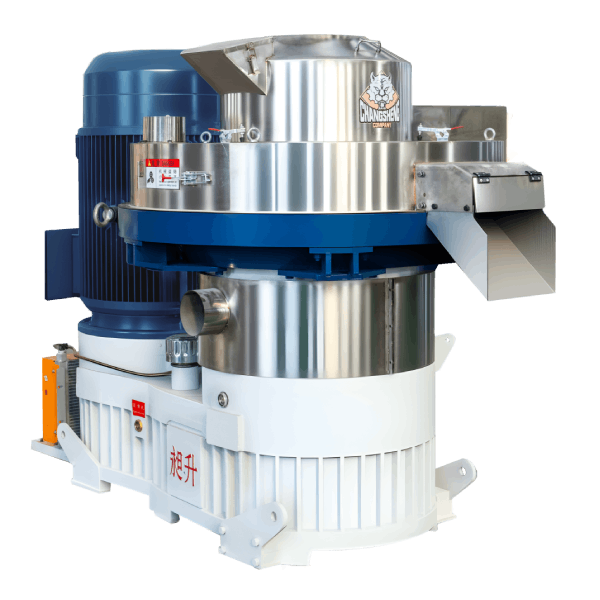
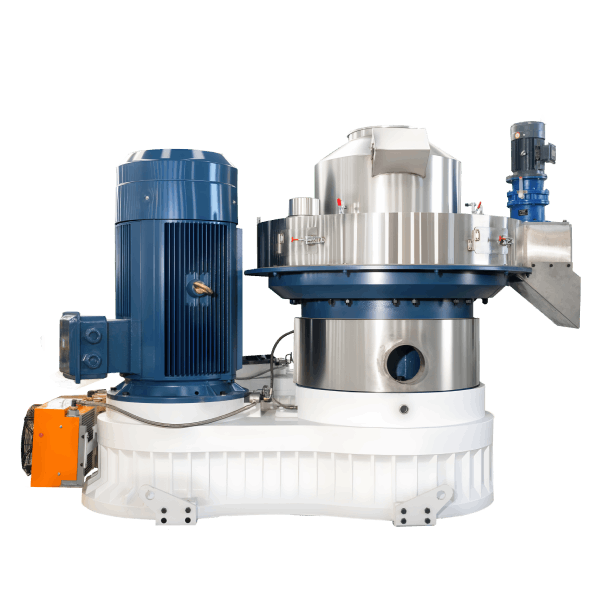
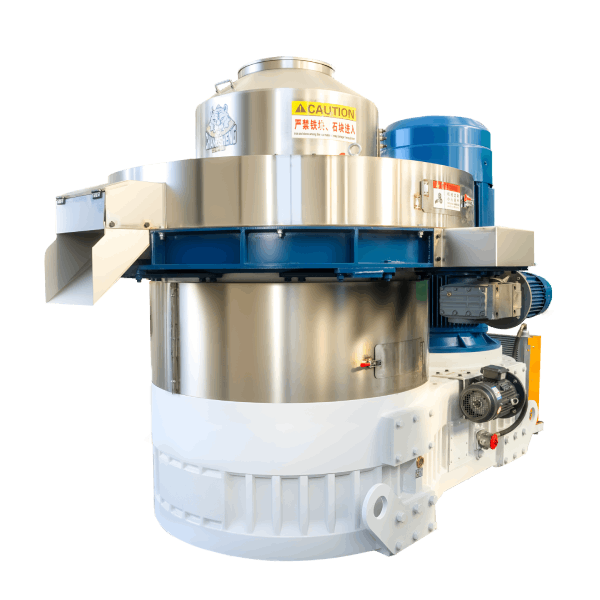
Pellet machine brand comparison for biomass
News 2026-03-03
Pellet Machine Brand Comparison for Biomass: Engineering Evaluation Guide
Product Definition (40–60 words)
Pellet machine brand comparison for biomass refers to a structured technical evaluation of different manufacturers’ equipment based on mechanical design, production capacity, material durability, energy efficiency, lifecycle cost, and after-sales engineering capability, enabling B2B buyers to make objective procurement decisions beyond price-only comparisons.
Introduction
In industrial biomass pellet production, equipment brand selection directly impacts output stability, operating cost, and long-term profitability. A professional pellet machine brand comparison for biomass must evaluate transmission design, die metallurgy, energy efficiency, automation level, and service support rather than relying solely on marketing claims.
For procurement managers, EPC contractors, and distributors, a structured comparison framework reduces investment risk and improves ROI predictability.
Technical Parameters and Specifications
When conducting a pellet machine brand comparison for biomass, standardized technical benchmarks must be used.
Typical Industrial Ring Die Pellet Machine Range:
• Capacity: 1–25 tons/hour
• Main motor power: 90–355 kW
• Ring die diameter: 420–850 mm
• Pellet diameter: 6–10 mm
• Energy consumption: 75–100 kWh/ton
• Continuous operation capability: 16–24 hours
• Gearbox service factor: ≥1.5
• Die hardness: HRC 52–58
Brands positioned for industrial biomass production typically provide full-load amperage curves and verified performance data. Entry-level suppliers may only provide nominal capacity without operational validation.
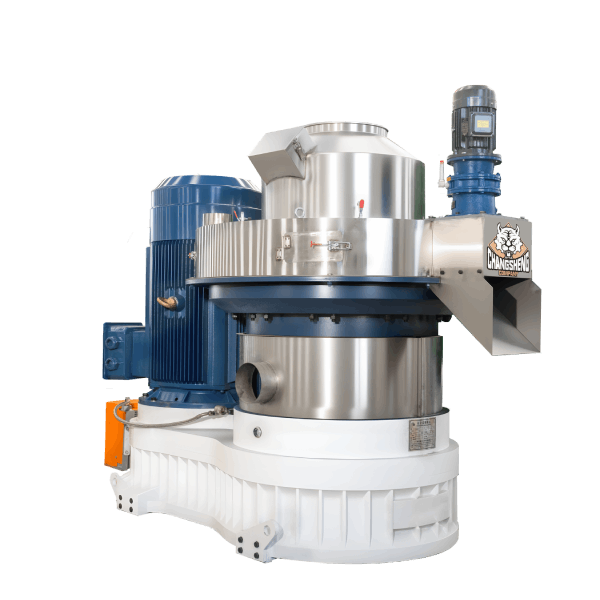
Structure and Material Composition
A technical pellet machine brand comparison for biomass must analyze structural design differences.
Main Frame
• Heavy-duty welded steel structure
• Stress-relieved and machined mounting surfaces
Transmission System
• Hardened helical gear reducer
• Alloy steel shafts with heat treatment
• High-load spherical roller bearings
Pelletizing Unit
• Alloy steel ring die (vacuum heat treated)
• Wear-resistant rollers with automatic lubrication
• Adjustable roller gap system
Control System
• PLC control cabinet
• Overload protection
• Soft starter or VFD integration
Premium brands often invest in gearbox reinforcement and bearing oversizing to support continuous industrial duty cycles.
Manufacturing Process and Engineering Quality Control
Brand differentiation frequently originates from manufacturing standards.
Standard Industrial Process:
- Alloy steel forging for ring die blanks
- CNC deep-hole drilling with precision tolerance
- Vacuum heat treatment and hardness inspection
- Gear precision grinding
- Rotor dynamic balancing
- 4–8 hour full-load factory acceptance testing
In pellet machine brand comparison for biomass, suppliers who conduct extended load testing and provide traceable material certificates demonstrate stronger engineering reliability.
Industry Comparison Table
| Evaluation Criteria | Basic Brand | Standard Industrial Brand | High-End Industrial Brand |
|---|---|---|---|
| Transmission Type | Belt/light | Helical gearbox | Reinforced gearbox |
| Continuous Operation | <8 hrs | 12–16 hrs | 24 hrs capable |
| Die Lifespan | 600–800 hrs | 900–1,100 hrs | 1,200+ hrs |
| Energy Consumption | 95–110 kWh | 85–95 kWh | 75–90 kWh |
| QC Documentation | Limited | FAT available | Full FAT + traceability |
| Lifecycle Cost per Ton | High | Moderate | Optimized |
This pellet machine brand comparison for biomass shows that upfront price differences often reflect structural durability and energy efficiency improvements.
Application Scenarios
Distributors
Need reliable brands to minimize warranty claims and build regional market credibility.
EPC Contractors
Require integration compatibility with dryers, hammer mills, conveyors, and cooling systems.
Industrial Pellet Producers
Prioritize stable output, predictable maintenance cycles, and energy efficiency.
Importers
Require certification, documentation, and spare parts standardization for regulatory compliance.
Core Pain Points and Solutions
- Unclear Performance Claims
Problem: Different brands advertise similar capacity without test data.
Solution: Require full-load FAT reports and amperage curves. - High Maintenance Frequency
Problem: Frequent die and roller replacement.
Solution: Evaluate die material hardness and heat treatment certification. - Output Instability
Problem: Capacity drops after several months.
Solution: Assess gearbox torque margin and structural rigidity. - Energy Overconsumption
Problem: Electricity cost exceeds feasibility projections.
Solution: Compare real kWh per ton performance data. - Weak After-Sales Support
Problem: Long downtime waiting for spare parts.
Solution: Verify spare parts inventory and service network capability.
Risk Warnings and Mitigation
• Avoid selecting a brand solely based on lowest quotation.
• Confirm gearbox design and service factor.
• Review die hardness and wear test records.
• Verify installation and commissioning support availability.
• Check operating references older than 12 months.
Ignoring these factors often results in unstable production and increased lifecycle cost.
Procurement Selection Guide
- Define annual output target and operating hours.
- Identify biomass type and moisture range.
- Request detailed technical datasheets from multiple brands.
- Compare gearbox configuration and bearing class.
- Review factory acceptance testing documentation.
- Calculate projected lifecycle cost per ton.
- Confirm spare parts availability and pricing.
- Assess engineering support and commissioning capability.
- Evaluate long-term brand presence in biomass sector.
A structured pellet machine brand comparison for biomass ensures rational capital investment rather than price-driven selection.
Engineering Case Study
Project: 8 TPH Biomass Pellet Production Line – Eastern Europe
Client compared three industrial brands using pellet machine brand comparison for biomass methodology.
Evaluation Results:
Brand A
• Lower initial cost
• Limited load testing documentation
Brand B
• Moderate price
• Verified gearbox torque margin
• 6-hour FAT under full load
Brand C
• Highest price
• Reinforced transmission
• Complete material certification
Operational Performance After 12 Months:
Selected Brand B achieved
• Stable output: ±3% variance
• Energy consumption: 86 kWh/ton
• Die replacement cycle: 1,000 hours
• Downtime reduction: 20% compared to previous plant
The structured pellet machine brand comparison for biomass allowed balanced investment between cost and performance.
FAQ
- What is the main factor in pellet machine brand comparison for biomass?
Transmission design and die material quality. - Are high-end brands always necessary?
Depends on required operating hours and scale. - How to verify real capacity?
Review FAT full-load testing reports. - Does energy efficiency vary by brand?
Yes, due to machining precision and gearbox design. - What is acceptable die lifespan?
900–1,200 operating hours in industrial use. - How important is gearbox service factor?
Critical for heavy-duty continuous production. - Should I visit the factory?
Recommended for large-scale projects. - What documents should be requested?
Material certificates, hardness report, FAT record. - Can lower-cost brands handle 24-hour operation?
Often limited without reinforced design. - What determines lifecycle cost?
Energy consumption, maintenance frequency, and downtime.
Call to Action
For a customized pellet machine brand comparison for biomass tailored to your production capacity and raw material characteristics, request detailed technical documentation, lifecycle cost evaluation, and engineering consultation. Capacity verification data and project references are available upon request.
E-E-A-T Author Qualification
This guide is prepared by mechanical engineers and biomass production consultants with over 15 years of experience in pellet plant design, industrial commissioning, and lifecycle cost optimization. The analysis is based on operational data from international biomass projects and standardized mechanical engineering evaluation methods.