Pellet Machine for Drying Room: How to Match Equipment, Humidity Control, and Layout
News 2026-09-24
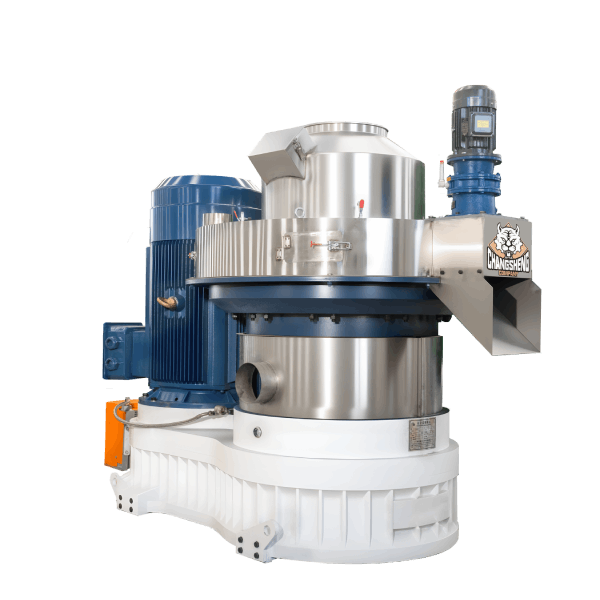
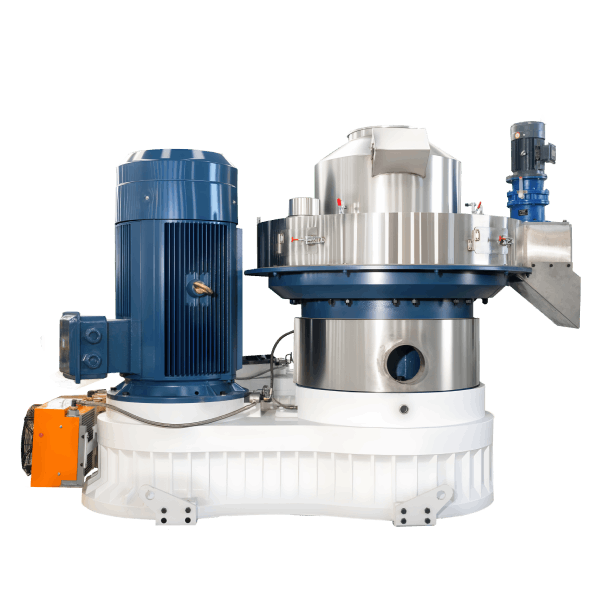
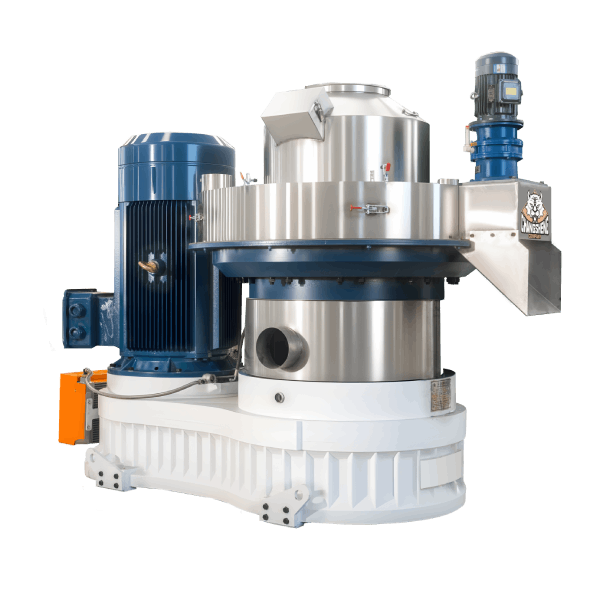
A pellet machine for drying room use is not simply a machine placed in a warm room. The drying room is part of the raw material preparation system, and it directly affects pellet quality, output stability, and equipment life. If the drying room and the pellet machine are not matched, the machine will run with variable moisture, unstable load, and higher maintenance cost.
This guide is written for procurement managers, importers, EPC contractors, and end users who plan to install a pellet machine with a drying room. It explains the role of the drying room, the main environment risks, layout options, ventilation and dust control, capacity matching, electrical protection, maintenance, and what to confirm with the supplier before purchase.
What Is the Role of a Drying Room?
A drying room reduces raw material moisture to the range suitable for pelletizing. It can be a heated room, a ventilated room, or a room combined with a mechanical dryer, depending on material and climate.
The drying room is not the same as a dryer. A dryer removes moisture actively using heat and airflow. A drying room provides a controlled environment where material moisture equalizes and stabilizes before pelletizing. In some projects, both are used: a dryer reduces moisture quickly, and a drying room stabilizes moisture before feeding the pellet machine.
For pellet machine selection, the key point is that material moisture must be within the range suitable for the die and the machine configuration. If moisture varies, capacity, pellet quality, and die life all vary.
How a Drying Room Affects Pellet Machine Operation
A drying room affects the pellet machine in four ways:
Material moisture: the drying room controls moisture before pelletizing. Consistent moisture means stable compression and stable output.
Ambient temperature: warm material feeds more evenly and binds better. Cold material increases load and weakens pellets.
Humidity: high humidity in the drying room can cause condensation on the machine and in electrical panels.
Dust: dry material produces more dust, which affects electrical components, filters, and operator safety.
Each of these factors affects machine selection, layout, and maintenance planning.
Humidity Control in the Drying Room
Humidity is the most important environment factor for a pellet machine in a drying room.
Key engineering points:
High humidity causes condensation on motors, control panels, and metal surfaces.
Condensation in electrical panels leads to short circuits, corrosion, and component failure.
High humidity also affects finished pellet storage, reducing fuel value and durability.
Ventilation should remove moisture without causing large temperature swings.
Practical measures:
Install motors and control panels with appropriate protection class and anti-condensation provision.
Keep control panels sealed and inspect door gaskets regularly.
Use ventilation to remove moisture while keeping material temperature stable.
Monitor humidity in the drying room, not only material moisture.
Keep finished pellets in sealed or covered storage away from humid air.
What to confirm with the supplier:
Recommended protection class and insulation class for humid environments.
Whether anti-condensation heaters are available for motors and panels.
Recommended ventilation and humidity control approach.
Corrosion protection for frames and exposed parts.
Dust Control in the Drying Room
Dry material produces more dust. Dust affects electrical components, filters, and maintenance frequency. This is often underestimated in drying room projects.
Key engineering points:
Dust accumulates on motors, panels, and cooling fins, reducing cooling efficiency.
Dust in the air increases fire and explosion risk in some materials, especially fine dry powder.
Filters and ventilation openings need regular cleaning.
Bearings and lubrication points should be protected from dust ingress.
Practical measures:
Install motors and control panels with appropriate protection class.
Use sealed control cabinets with filtered ventilation.
Install dust collection near the pellet machine and material handling points.
Clean cooling fins and filters on a regular schedule.
Keep the pellet machine area separated from the main dust generation zone where possible.
What to confirm with the supplier:
Recommended machine protection class for dusty environments.
Whether sealed control cabinets and filtered ventilation are available.
Recommended dust collection configuration.
Recommended cleaning and inspection schedule.
Temperature Effects in the Drying Room
Temperature affects both material and machine. Warm material feeds more evenly, but high ambient temperature can reduce motor cooling efficiency.
Key engineering points:
Warm material binds better and reduces load on the die.
Excessively high ambient temperature reduces motor cooling and may require derating.
Temperature swings cause condensation, especially when the machine cools down after shutdown.
Practical measures:
Maintain drying room temperature within a stable range.
Avoid large temperature swings between working and non-working hours.
Ensure adequate ventilation and cooling for motors and panels.
Monitor motor temperature during operation.
What to confirm with the supplier:
Recommended ambient temperature range for normal operation.
Motor insulation class and protection class.
Whether motor derating is required at high ambient temperature.
Layout Options for Pellet Machine and Drying Room
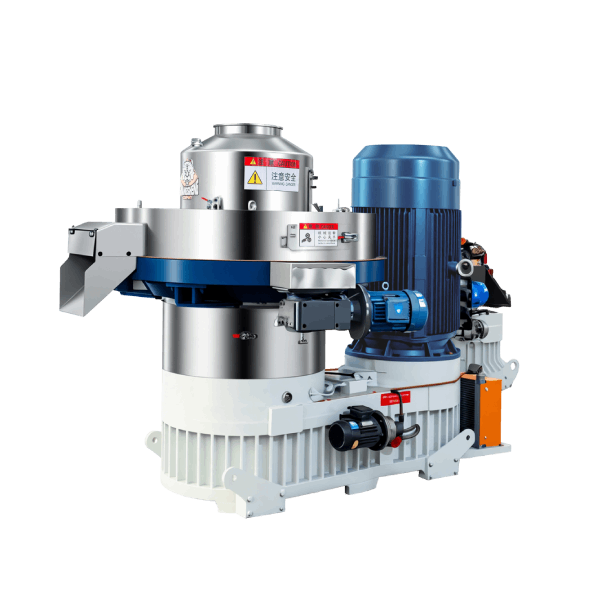
There are three common layout options.
Option 1: Pellet Machine Inside the Drying Room
Advantages: material temperature and moisture are stable, feeding is consistent, no transfer loss.
Disadvantages: dust and humidity affect the machine directly, electrical protection requirements are higher, operator comfort is lower.
Recommended for: small projects, cold climate, materials that need warm feeding.
Option 2: Pellet Machine Outside, Drying Room Adjacent
Advantages: machine environment is cleaner, electrical protection is simpler, maintenance is easier.
Disadvantages: material transfer between drying room and machine may cause temperature and moisture loss.
Recommended for: medium and large projects, dusty materials, humid climates.
Option 3: Drying Room and Pellet Machine in Separate Rooms with Conveyor
Advantages: best environment control for the machine, stable material supply through conveyor.
Disadvantages: higher cost, more space, more complex layout.
Recommended for: industrial projects, continuous production, high dust or high humidity materials.
The choice depends on material, climate, project scale, and maintenance capability. In all options, ventilation, dust control, and electrical protection must be designed together.
Capacity Matching Between Drying Room and Pellet Machine
Drying room capacity and pellet machine capacity must match. If drying room capacity is too small, material moisture will be inconsistent and machine output will vary. If drying room capacity is too large, energy cost increases unnecessarily.
Key engineering points:
Calculate required drying capacity based on initial moisture, target moisture, and daily material throughput.
Add a buffer for weather variation and material variation.
Match drying room throughput to pellet machine throughput, not to peak output only.
Plan storage between drying room and pellet machine to absorb short interruptions.
A capacity margin of about 20 to 30 percent is a practical starting point. The exact margin depends on material consistency, climate, and operating hours.
Power Supply and Electrical Protection
Drying rooms often have heaters, fans, and dehumidifiers, which share power supply with the pellet machine. This affects total connected load and starting current.
Key engineering points:
Confirm total connected load, including pellet machine, fans, heaters, and conveyors.
Confirm starting current and available transformer capacity.
Use sealed control cabinets with filtered ventilation in dusty or humid areas.
Use anti-condensation heaters where humidity is high.
Use a soft starter or variable frequency drive where starting current is a concern.
What to confirm with the supplier:
Total connected load and starting current.
Motor insulation class and protection class.
Recommended panel protection class for the drying room environment.
Whether a soft starter or variable frequency drive is recommended.
Maintenance in Drying Room Conditions
Maintenance requirements are higher in drying rooms because of dust and humidity.
Daily checks: lubrication, roller clearance, feeder condition, motor current, panel condition.
Weekly checks: die and roller wear, belt tension, electrical connections, dust accumulation.
Monthly checks: insulation resistance, bearing temperature, corrosion inspection, filter cleaning.
Seasonal checks: spare parts stock review, die replacement planning, ventilation and dust system inspection.
Keeping a maintenance log helps track die hours, power consumption, and output, and supports planned replacement instead of unplanned downtime.
Procurement Checklist for Drying Room Projects
Requirements: material type, initial moisture, target moisture, target capacity, operating hours, power supply, climate conditions.
Machine: die type, motor power, roller configuration, feeder type, lubrication, control mode.
Layout: pellet machine inside or outside drying room, conveyor type, storage between stages.
Ventilation and dust control: ventilation rate, dust collection, filter type, cleaning access.
Electrical protection: protection class, insulation class, anti-condensation provision, panel location.
Spare parts: die, roller, bearings, belts, seals, with part numbers and recommended stock.
Supplier: factory capability, reference projects with drying room configuration, test run, inspection terms, warranty process.
Frequently Asked Questions
What is the role of a drying room in pellet production?
A drying room reduces and stabilizes raw material moisture before pelletizing. Stable moisture improves pellet quality, output stability, and die life.
Can a pellet machine be installed inside a drying room?
Yes, but it requires higher protection class for motors and control panels, adequate ventilation, and dust control. In many projects, the machine is placed outside the drying room to simplify maintenance.
How does humidity affect a pellet machine?
High humidity causes condensation on motors, panels, and metal surfaces. It also affects finished pellet storage. Anti-condensation provision and sealed panels are recommended.
How does dust affect a pellet machine in a drying room?
Dust accumulates on motors, panels, and cooling fins, reducing cooling efficiency and increasing fault risk. Sealed cabinets, filtered ventilation, and dust collection are recommended.
How do I match drying room capacity to pellet machine capacity?
Calculate required drying capacity based on initial moisture, target moisture, and daily throughput. Add a capacity margin of about 20 to 30 percent for weather and material variation. The exact margin depends on material consistency and operating hours.
Should the pellet machine be inside or outside the drying room?
Inside: better material temperature and moisture stability, but higher dust and humidity exposure. Outside: cleaner machine environment and easier maintenance, but material transfer loss. The choice depends on material, climate, and project scale.
What electrical protection is needed in a drying room?
Motors and control panels should have protection class and insulation class suitable for humid and dusty environments. Anti-condensation heaters and sealed cabinets with filtered ventilation are recommended.
How often should maintenance be done in a drying room?
Daily checks for lubrication, roller clearance, and motor current. Weekly checks for dust accumulation and electrical connections. Monthly checks for insulation resistance and corrosion. Seasonal review of spare parts and ventilation system.
Author Introduction
This article was prepared by a technical content specialist with over ten years of experience in industrial equipment, biomass and feed processing machinery, and B2B export projects. The author has worked with pellet machine projects that include drying rooms, humid environments, dusty materials, and variable moisture conditions, and understands the practical challenges buyers face in layout, ventilation, electrical protection, and maintenance.
The content reflects real engineering practice in pellet machine selection, drying room configuration, and international project execution. It is intended to help procurement managers, importers, EPC contractors, and end users make informed decisions and reduce downtime in drying room conditions. The author is affiliated with Shandong Changsheng Machinery Co., Ltd.
Call to Action
If you are planning a pellet machine project with a drying room and need help confirming layout, ventilation, dust control, electrical protection, capacity matching, or spare parts plan, you can request a technical proposal based on your material and required output. Share your material type, initial moisture, target moisture, target capacity, local climate, power supply, and site layout, and a suitable configuration can be recommended.
You can also request a quotation, ask for general arrangement drawings, request a spare parts list, or arrange a video factory inspection before making a final decision.