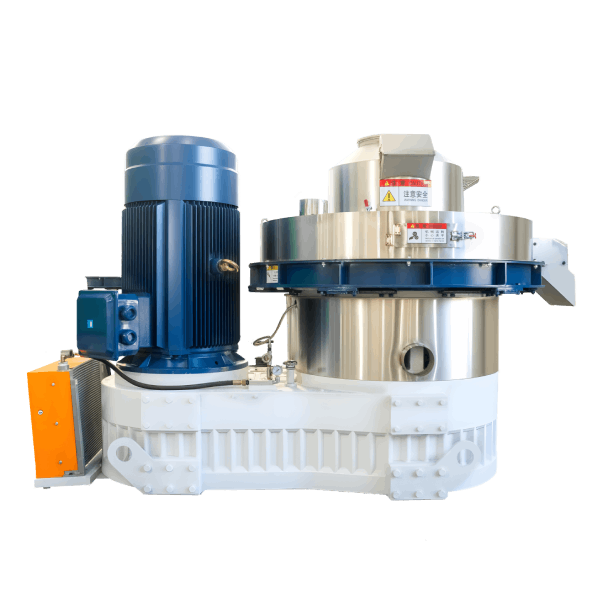
Pellet Machine for Mountain Lodge: How to Choose a Machine That Works Off-Grid and in Cold Altitude
News 2026-09-22
A pellet machine for mountain lodge use is not the same project as a machine installed in a factory with stable grid power, nearby technicians, and fast spare parts delivery. At a mountain lodge, the main risks are not pellet quality or capacity. They are power supply, altitude and low temperature, transport access, raw material logistics, and the ability to keep the machine running without specialist support.
This guide is written for lodge owners, procurement managers, importers, and project engineers who plan to install a pellet machine at a mountain lodge. It explains the five main constraints, the practical options for each, and what to confirm with the supplier before purchase.
The Five Main Constraints at a Mountain Lodge
Mountain lodge projects are shaped by five constraints:
Power supply: no grid, weak grid, or high-cost diesel generation
Altitude and low temperature: effects on motors, combustion, and material behavior
Transport and installation: limited road access, no crane, long distance
Raw material logistics: scattered material, seasonal supply, variable quality
Maintenance and spare parts: few technicians, long lead time for parts
Each constraint affects machine selection, configuration, and operating cost. The sections below address each one with practical measures.
Constraint 1: Power Supply
The most common question is whether a pellet machine can run without grid power at a mountain lodge. The answer depends on the power source and the machine size.
Power options for mountain lodges:
Diesel generator set
Hybrid diesel-solar system
Solar with battery and inverter, for small capacity only
Small hydro, where a stream and suitable head are available
Small grid with voltage stabilizer, where available
Key engineering points:
Pellet machines have high starting current. The generator must be sized for starting current, not only running load.
At high altitude, diesel generator output is reduced because air density is lower. Generator derating is typically required above 1,000 meters, and the exact derating factor depends on altitude and ambient temperature.
For small lodge demand, a flat die machine with lower starting load is easier to power than a large ring die machine.
Solar systems are usually practical only for very small capacity and low daily running hours, because pelletizing is power-intensive.
A voltage stabilizer or automatic voltage regulator is recommended where grid voltage fluctuates.
Fuel storage, delivery frequency, and generator maintenance should be planned as part of the project.
What to confirm with the supplier:
Total connected load, including main motor and auxiliary equipment
Starting current and recommended generator size at your site altitude
Motor insulation class and protection class
Whether a soft starter or variable frequency drive is available to reduce starting current
Minimum and maximum voltage tolerance of the control system
Recommendations for high altitude and low temperature operation
Constraint 2: Altitude and Low Temperature
Altitude and low temperature affect motors, electrical components, lubrication, and material behavior. These effects are often underestimated in mountain lodge projects.
Key engineering points:
Motor cooling is less effective at high altitude because air density is lower. Motor power may need to be derated, or a motor with a higher insulation class may be required.
Starting current increases at low temperature, which may trip protection devices.
Lubricant viscosity increases at low temperature, reducing flow at startup.
Material becomes harder and more brittle, which increases load on the die and rollers.
Condensation can form inside motors and control panels when equipment moves between cold and warm conditions.
Diesel generators lose output at altitude, which affects the whole power plan.
Practical measures:
Confirm the altitude of the site and state it clearly in the technical agreement.
Confirm motor derating requirements with the supplier for your altitude and ambient temperature.
Use lubricants with a viscosity grade suitable for the lowest expected temperature.
Install anti-condensation heaters in motors and control panels.
Warm up the machine at no load before full load operation.
Store material in a covered area and bring it into the workshop before use.
What to confirm with the supplier:
Motor insulation class, protection class, and altitude derating
Recommended lubricant type and viscosity grade for low temperature
Whether anti-condensation heaters are included
Startup procedure for low temperature and high altitude
Minimum and maximum ambient temperature rating
Constraint 3: Transport and Installation
Mountain lodges often have limited road access, no crane, and long transport distance. Machine size and packing method directly affect feasibility.
Key engineering points:
Large ring die machines may require frame container loading and heavy lifting equipment at site, which is often not available at a mountain lodge.
Flat die machines are generally easier to transport in sections and install with basic equipment.
Foundation requirements should be reviewed against local soil and access conditions.
If site access is limited, request a split design where the main body, motor, and frame can be transported separately.
Packing must protect against humidity, cold, and rough road transport.
What to confirm with the supplier:
Total weight and dimensions of the largest single piece
Whether the machine can be shipped in sections
Foundation drawing and load data
Minimum lifting capacity required at site
Installation tools and special fixtures included
Constraint 4: Raw Material Logistics
At a mountain lodge, raw material is often scattered, seasonal, and variable in moisture and quality. Common materials include wood waste from tree cutting, branches, sawdust, and agricultural residues from nearby land.
Key engineering points:
Small batch and variable material suits flat die machines better than large ring die machines.
A crusher and mixer may be needed on site to prepare material.
Moisture control is critical. A dryer may be needed if material is wet.
Storage capacity should match the interval between material collection and use.
Pellet size and die compression ratio should be selected for the dominant material, not an ideal mix.
Lodge heating demand is often concentrated in winter, so capacity and storage should be planned for peak season.
What to confirm with the supplier:
Recommended machine type for variable and small batch material
Recommended die compression ratio for the main material, such as wood waste or branches
Whether a crusher, mixer, and dryer are needed
Recommended storage and moisture control method
Constraint 5: Maintenance and Spare Parts
At a mountain lodge, maintenance must be simple and spare parts must be planned in advance. A machine that requires frequent specialist service is a poor fit.
Key engineering points:
Choose a machine with simple structure, easy access to dies and rollers, and commonly available bearings and belts.
Keep a minimum spare parts stock: one die, one set of rollers, bearings, belts, seals, and lubricants.
Train local operators on daily checks, die change, roller clearance adjustment, and troubleshooting.
Keep a maintenance log to track die hours, power consumption, and output.
Plan spare parts orders ahead of the wear cycle, considering mountain road access and weather delays.
What to confirm with the supplier:
Recommended spare parts stock and part numbers
Expected die and roller life under your material
Maintenance schedule and required tools
Availability of remote technical support, such as video guidance
Machine Selection Guide for Mountain Lodges
Small lodge, low daily demand: flat die machine, 7.5 to 30 kW, single phase or three phase depending on power source, diesel generator or small hydro.
Medium lodge, regular demand: flat die machine, 30 to 55 kW, with crusher and mixer, diesel generator or hybrid power.
Larger lodge, continuous winter demand: small ring die machine, 55 to 90 kW, with full auxiliary line and planned spare parts stock.
Very small lodge with limited power: consider a very small flat die machine, and accept lower output. In some cases, buying finished pellets may be more practical than producing on site.
In all cases, size the machine to the available power and transport conditions, not to the ideal output. A machine that cannot start reliably is worse than a smaller machine that runs every day.
Power Sizing Example
To estimate generator size, add the main motor power and all auxiliary loads, then apply a starting margin and an altitude derating factor.
Example: main motor 30 kW, feeder 0.55 kW, conveyor 1.5 kW, total running load about 32 kW. With a starting margin of 1.3 to 1.5 and an altitude derating factor applied above 1,000 meters, the generator size should be increased accordingly. Actual size depends on generator type, altitude, ambient temperature, starting method, and whether a soft starter or variable frequency drive is used.
Installation Checklist for Mountain Sites
Confirm site access and largest piece size
Confirm transport from road to site and lifting equipment
Confirm foundation and soil condition
Confirm power source, voltage, frequency, and protection
Confirm altitude and ambient temperature for motor and generator derating
Confirm workshop shelter and material storage
Confirm operator training plan
Confirm spare parts and tools are on site before commissioning
Operating Checklist for Mountain Lodges
Check power source stability before startup
Follow a structured startup procedure to avoid overload
Warm up the machine at no load before full load operation
Monitor motor current, die temperature, and pellet quality
Record output and power consumption daily
Check lubrication, roller clearance, and corrosion regularly
Keep spare die and rollers in stock
Plan material collection and drying ahead of winter
Risk Reminders
Undersized generator causes overload trips and motor damage
Altitude reduces generator output and motor cooling, which is often overlooked
Low temperature increases starting current and lubricant viscosity
Poor material preparation causes blockage and fast die wear
No spare parts stock turns a one-day repair into a weeks-long shutdown
No operator training leads to repeated operating errors
Mountain road access can delay spare parts delivery by weeks in bad weather
A Practical Case from a Mountain Lodge Project
A mountain lodge used wood waste from tree cutting and branches to produce heating pellets. The first generator was sized only for running load, and the machine tripped repeatedly during startup. The lodge replaced it with a larger generator, applied an altitude derating factor, and added a soft starter. Startup became reliable, and daily output stabilized.
The lodge also kept one spare die and one set of rollers on site, and trained two local operators. When the first die wore out, production resumed the same day instead of waiting weeks for a replacement. Lubricants were changed to a low-temperature grade, and anti-condensation heaters were installed in the motor and control panel, which reduced cold-start faults.
This case shows that at a mountain lodge, power sizing, altitude derating, and spare parts planning matter more than the machine price.
Decision Guide: When a Smaller Machine Is the Better Choice
Choose a smaller machine when power supply is limited, altitude is high, transport access is difficult, material is variable, or local maintenance capability is low.
Choose a larger machine only when power supply is confirmed, altitude derating is addressed, transport and installation are feasible, and spare parts and trained operators are available.
Frequently Asked Questions
Can a pellet machine run on a diesel generator at a mountain lodge?
Yes, but the generator must be sized for starting current, not only running load, and must be derated for altitude. A starting margin of 1.3 to 1.5 times running load is a practical starting point before altitude derating.
How does altitude affect a pellet machine?
Altitude reduces motor cooling and generator output. Motor power may need to be derated, and a motor with a higher insulation class may be required.
How does low temperature affect pelletizing?
Low temperature increases starting current, thickens lubricants, and makes material harder and more brittle. A structured warm-up procedure and cold climate lubricants are recommended.
What is the best machine type for a mountain lodge?
Flat die machines are generally better for mountain lodges because they are simpler, easier to transport, and easier to maintain. Ring die machines are suitable only when power, transport, and maintenance support are confirmed.
How do I handle limited road access?
Request a split design where the main body, motor, and frame can be transported separately. Confirm the largest single piece size and weight before ordering.
How do I plan spare parts for a mountain lodge?
Keep at least one spare die, one set of rollers, bearings, belts, seals, and lubricants on site. Confirm part numbers and reorder before the wear cycle ends, considering road access and weather delays.
What is the biggest risk in mountain lodge projects?
The biggest risk is undersizing the power supply and ignoring altitude derating. Both cause long downtime that is difficult to recover at a mountain site.
Author Introduction
This article was prepared by a technical content specialist with over ten years of experience in industrial equipment, biomass and feed processing machinery, and B2B export projects. The author has worked with pellet machine projects in mountain and off-grid locations, including diesel generator power, high altitude, low temperature, variable material, and limited maintenance support, and understands the practical challenges buyers face in selection, installation, and operation.
The content reflects real engineering practice in pellet machine selection, off-grid power planning, altitude derating, and international project execution. It is intended to help lodge owners, procurement managers, importers, and project engineers make informed decisions and reduce downtime in mountain conditions. The author is affiliated with Shandong Changsheng Machinery Co., Ltd.
Call to Action
If you are planning a pellet machine project for a mountain lodge and need help confirming power source, altitude derating, machine type, transport method, or spare parts plan, you can request a technical proposal based on your raw material and required output. Share your material type, moisture, target pellet size, available power source, site altitude, site access conditions, and daily demand, and a suitable configuration can be recommended.
You can also request a quotation, ask for general arrangement drawings, request a spare parts list, or arrange a video factory inspection before making a final decision.